
A natural compound linked to gut bacteria may help rejuvenate aging immune cells, scientists say.

Scientists have identified a natural compound called urolithin A that may help reverse signs of immune aging, offering a promising new path for keeping the body’s defenses strong as we get older. The compound, which forms in the gut when certain foods are digested, appears to restore energy and function in T cells that weaken with age. While research is still early, the findings suggest it may be possible to “recharge” older immune cells and help the body respond better to infections, vaccines, and disease.
1. A Natural Compound Shows Promise in Rejuvenating Immune Cells
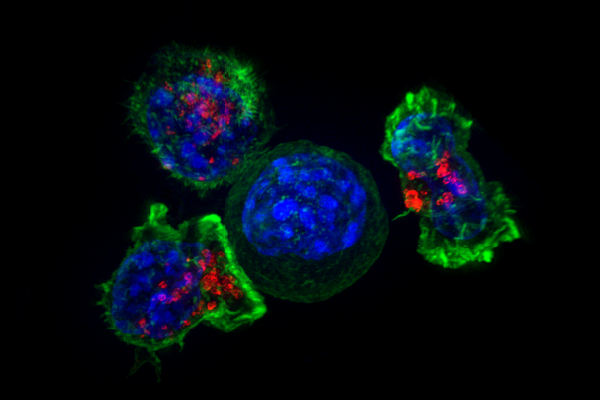
Researchers studying the aging immune system have found that urolithin A may help restore youthful function to older T cells. These cells play a central role in fighting infections, but they gradually decline as people age. Lab tests show that the compound boosts their energy production and responsiveness, making them act more like younger immune cells.
This discovery is significant because age-related immune decline affects nearly everyone. If scientists can safely enhance T-cell performance, it could make vaccines more effective and improve how older adults respond to illness.
2. Urolithin A Comes From Foods Many People Already Eat
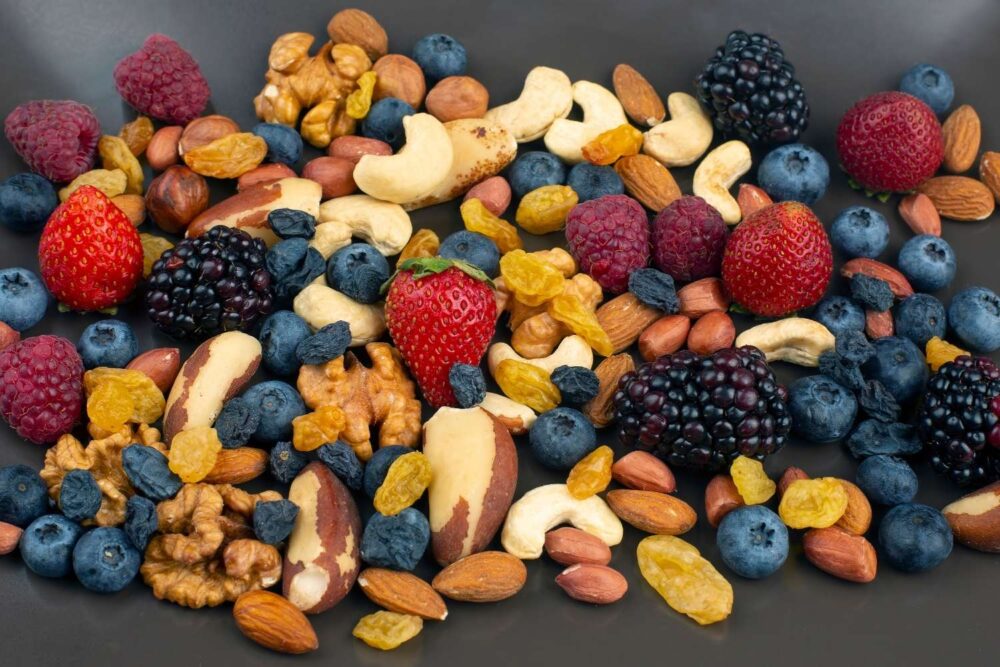
Urolithin A is not made by food directly. Instead, it forms when gut bacteria break down compounds found in foods like pomegranates, walnuts, berries, and some nuts. Not everyone produces it naturally because gut microbiomes vary widely, meaning some people generate more of the compound than others.
Because of this variation, researchers are exploring supplements that deliver urolithin A directly. These supplements may help people who don’t naturally produce much of the compound but could benefit from its immune-supporting effects.
3. The Compound Helps Aging T Cells Produce More Energy
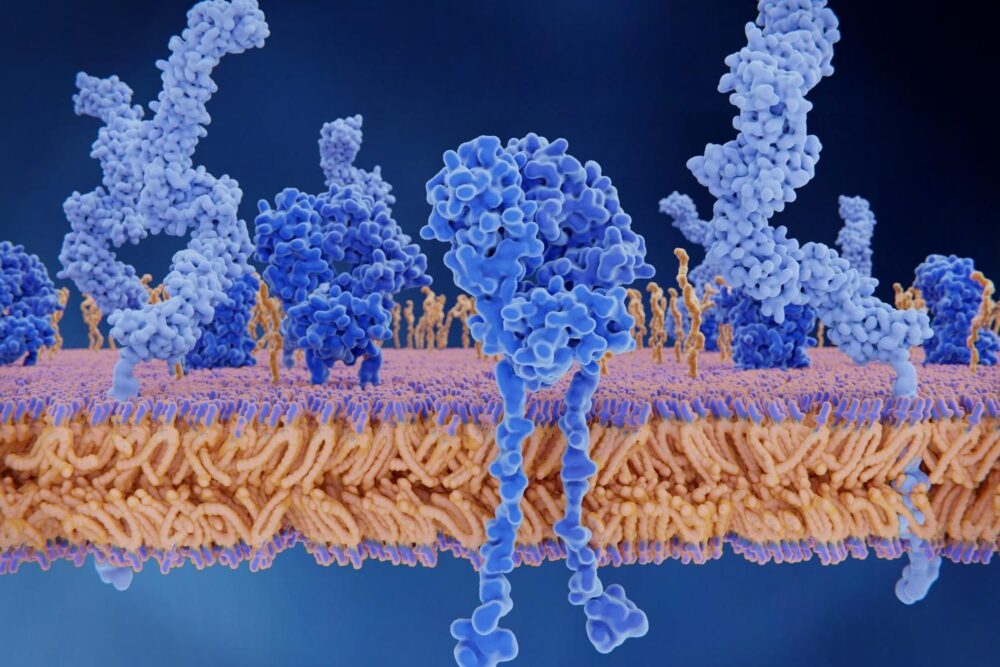
T cells require large amounts of energy to fight infections and coordinate immune responses. As people age, the mitochondria inside T cells weaken, limiting how well the cells can function. Urolithin A appears to improve mitochondrial health, giving older T cells the energy they need to perform like younger ones.
This boost could help counteract one of the most common problems of aging: reduced immune responsiveness. By restoring energy production, the compound may help the body mount stronger defenses against viruses, bacteria, and other threats.
4. Immune Decline Leaves Older Adults More Vulnerable

As the immune system ages, T cells become slower and less able to respond to new challenges. This is one reason older adults tend to experience more severe illness from infections like influenza or COVID-19. A decline in immune function also reduces vaccine effectiveness and increases the risk of chronic disease.
The potential to rejuvenate immune cells offers a hopeful path forward. If scientists can reverse some aspects of immune aging, it may be possible to help older adults stay healthier and recover more quickly from illness.
5. Lab Studies Show Significant Improvements in Cell Function
In laboratory tests, urolithin A helped older T cells grow more effectively and respond more aggressively to immune challenges. The compound supported mitochondrial renewal, allowing the cells to clear damaged components and generate fresh energy. These changes helped the cells behave more like those from younger individuals.
While lab results don’t always translate directly to humans, they offer strong early evidence. Scientists say the improvements were consistent and measurable, giving researchers confidence that further study is warranted.
6. Human Trials Are Beginning to Test Real-World Effects

Researchers have begun small-scale human trials to see whether the immune-boosting effects observed in the lab hold true in people. Early results suggest urolithin A may help improve cellular energy and mitochondrial function, both of which are important for maintaining immune strength. More research is needed to understand long-term benefits and optimal dosing.
These early trials are an important step toward exploring whether the compound could be used in supplements or therapies designed to support immune health as people age.
7. Urolithin A Has Already Shown Benefits in Muscle Aging

Before researchers studied its effects on immune cells, urolithin A gained attention for its ability to improve muscle function in aging adults. Studies showed that it helps muscle cells clear damaged mitochondria, improving strength and endurance over time. These findings raised the possibility that the compound could help other cell types as well.
The success in muscle studies encouraged scientists to apply the same research to immune cells. The positive results suggest that the compound’s benefits may extend across multiple aging-related systems.
8. The Compound Works Through a Process Called Mitophagy
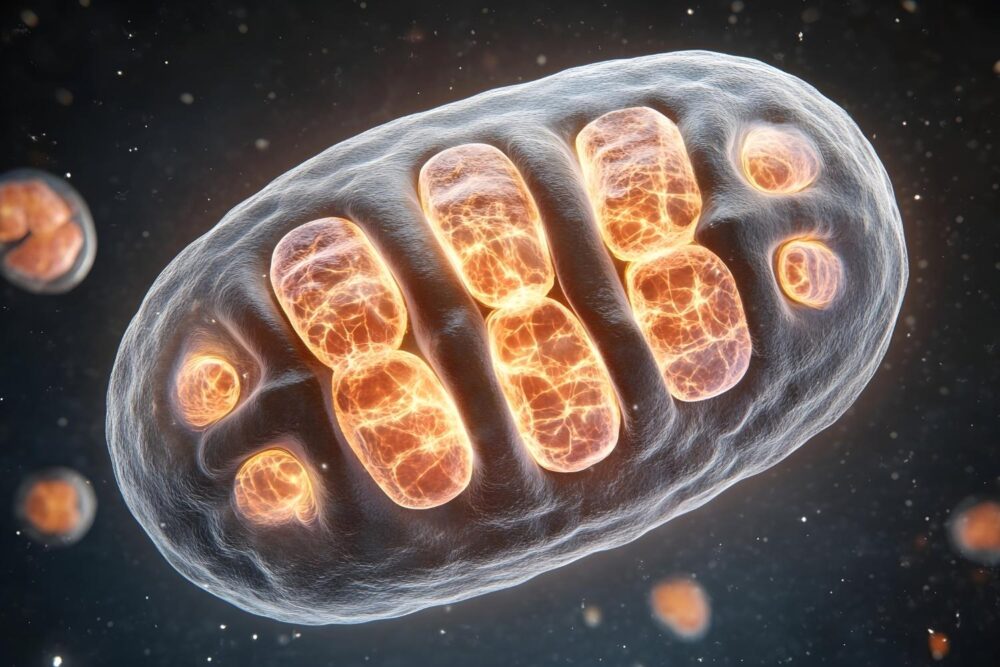
Mitophagy is a natural process where cells break down old, damaged mitochondria and replace them with healthier ones. This renewal is essential for maintaining energy and cell function. Urolithin A appears to stimulate mitophagy, especially in aging immune cells that struggle to clear damaged mitochondria on their own.
By activating this process, the compound may help keep T cells functioning at a higher level. Better mitochondrial health translates directly into stronger immune performance and greater resilience against infections.
9. Gut Health Plays a Key Role in Who Benefits Naturally

Because urolithin A forms in the gut, a person’s microbiome determines how much of it they naturally produce. Many adults lack the specific bacteria needed to generate meaningful amounts. This limitation helps explain why some people appear to age faster at the cellular level than others.
Understanding the microbiome’s role could help scientists design personalized treatments. Future research may identify ways to boost natural production or tailor supplements to individuals based on their gut profile.
10. Scientists Say Supplements May Be the Most Practical Solution
Given microbiome differences, supplements containing urolithin A may offer the most reliable way for people to benefit from the compound. Early supplement trials suggest that the compound is well tolerated and may boost mitochondrial function without serious side effects.
However, researchers stress that long-term studies are needed. It’s too early to know whether supplements can consistently rejuvenate immune cells or how they might interact with medications and other health conditions in older adults.
11. The Research Could Transform How We Approach Healthy Aging

If the compound continues to show immune-rejuvenating effects, it could reshape strategies for aging well. Instead of only treating infections or chronic diseases after they appear, scientists may be able to strengthen the immune system beforehand. That could lead to better vaccine responses, fewer severe illnesses, and greater independence for aging adults.
This shift toward preventive cellular support is one of the most promising directions in biomedical research. Urolithin A may be a key piece of this future.
12. More Studies Are Needed Before Widespread Use
Although the early findings are exciting, scientists caution that much more research is necessary. Larger clinical trials will help determine how effective urolithin A is in humans, how much is needed, and whether the benefits last over time. Researchers also want to study how the compound interacts with different diets, microbiomes, and health conditions.
Until these questions are answered, experts recommend viewing urolithin A as a promising but still experimental approach. Even so, the discovery has opened the door to new possibilities in slowing immune aging.