
Archaeologists uncover a 2,000-year-old garden and burial features beneath Jerusalem’s Holy Sepulchre.
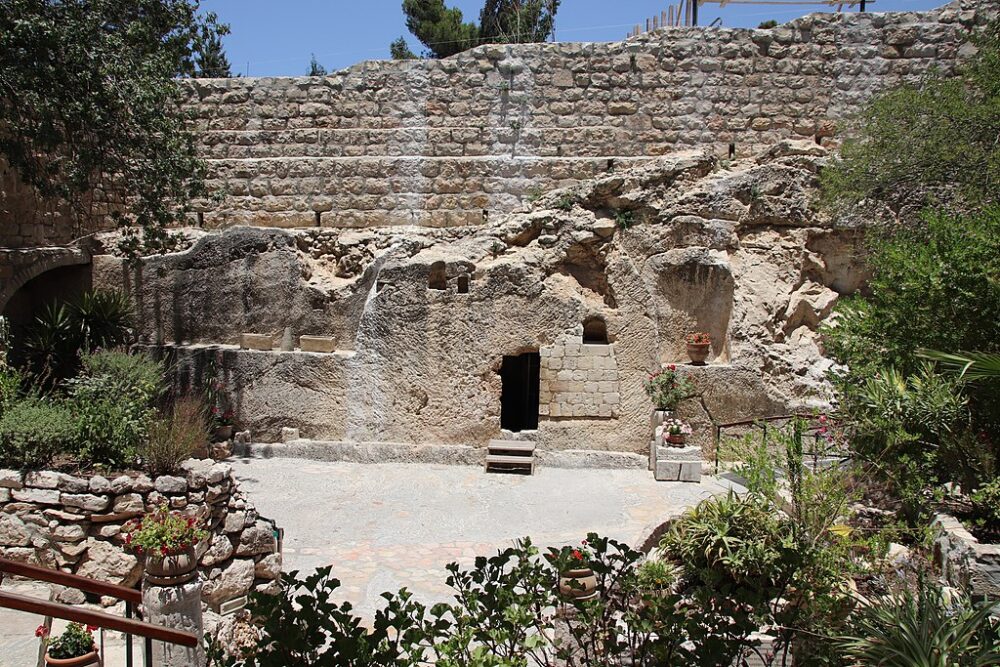
Archaeologists excavating beneath the Church of the Holy Sepulchre in Jerusalem uncovered evidence of an ancient garden and burial structures dating back more than 2,000 years. The discovery includes soil traces from olive and grape cultivation, remnants of an old quarry, and rock-cut features matching first-century Jewish tombs. While the findings cannot prove the site belonged to Jesus, they closely match early descriptions of a garden at the place of his burial. Researchers say the excavation offers a rare glimpse into Jerusalem’s landscape at the time.
1. Excavations Revealed a Long-Lost Ancient Garden
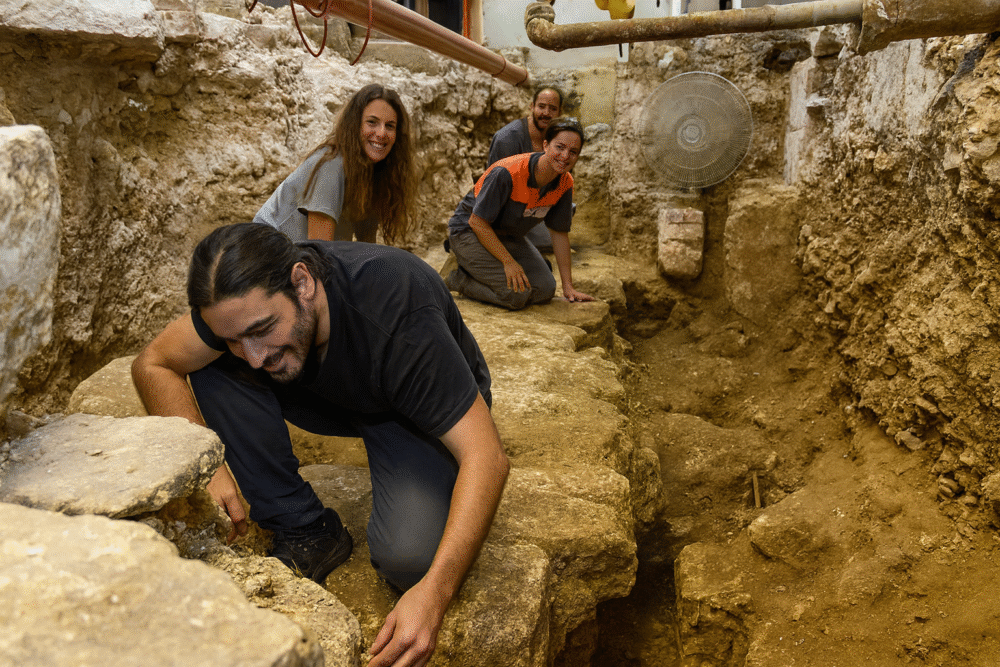
Archaeologists found that a cultivated garden once existed beneath the modern church. Soil samples, pollen traces, and micro-remains suggest olive trees and grapevines grew there during the first century. This discovery aligns with early Christian writings that describe a garden near the crucifixion and burial site of Jesus, giving the ancient landscape a clearer historical context.
Finding agricultural evidence beneath a major religious structure is rare. It helps researchers understand how the area transitioned from a working landscape to one of the most sacred sites in Christianity, offering insight into life in Jerusalem 2,000 years ago.
2. The Site Was Once an Active Stone Quarry
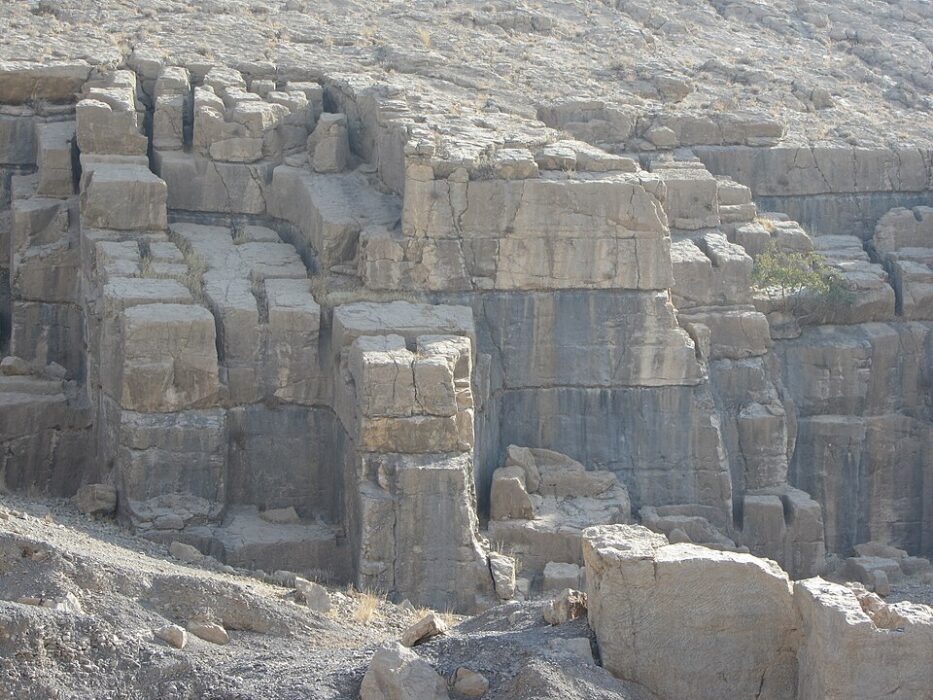
Beneath the church floor, researchers discovered signs of an ancient quarry, including cut bedrock, chisel marks, and leftover debris. This indicates the area was once a source of construction stone for the growing city of Jerusalem. Quarrying left steep rock faces and uneven terrain, a key detail that matches ancient descriptions of the region around Golgotha.
When the quarry was abandoned, the open space became suitable for gardens and tombs. This shift from industrial use to cultivated land fits the historical timeline and supports claims about the area’s appearance during the lifetime of Jesus.
3. Rock-Cut Tombs Reflect First-Century Jewish Burials
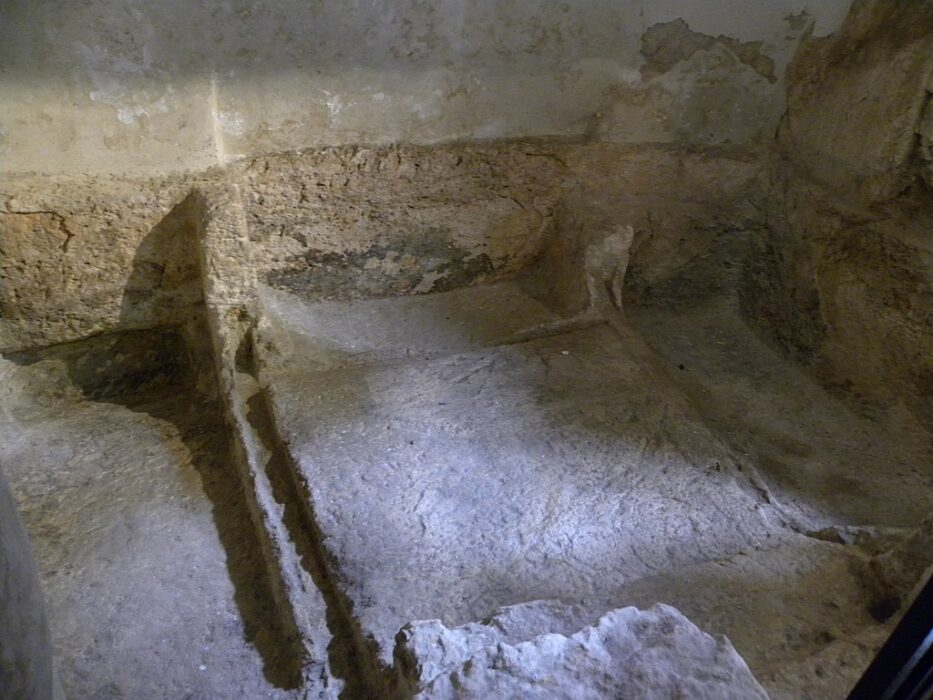
Excavators uncovered rock-cut features consistent with first-century Jewish tombs. These carved spaces resemble burial chambers found elsewhere in Jerusalem from the same period, featuring niches where bodies would have been laid. Although no inscriptions or remains directly link the site to Jesus, the architecture matches the type of tomb described in biblical accounts.
The presence of these burial features strengthens the idea that the area was used as a cemetery during the early Roman period. It also helps explain why early Christians believed this location marked the place of Jesus’s burial and resurrection.
4. Evidence Supports Early Descriptions of a Garden Tomb
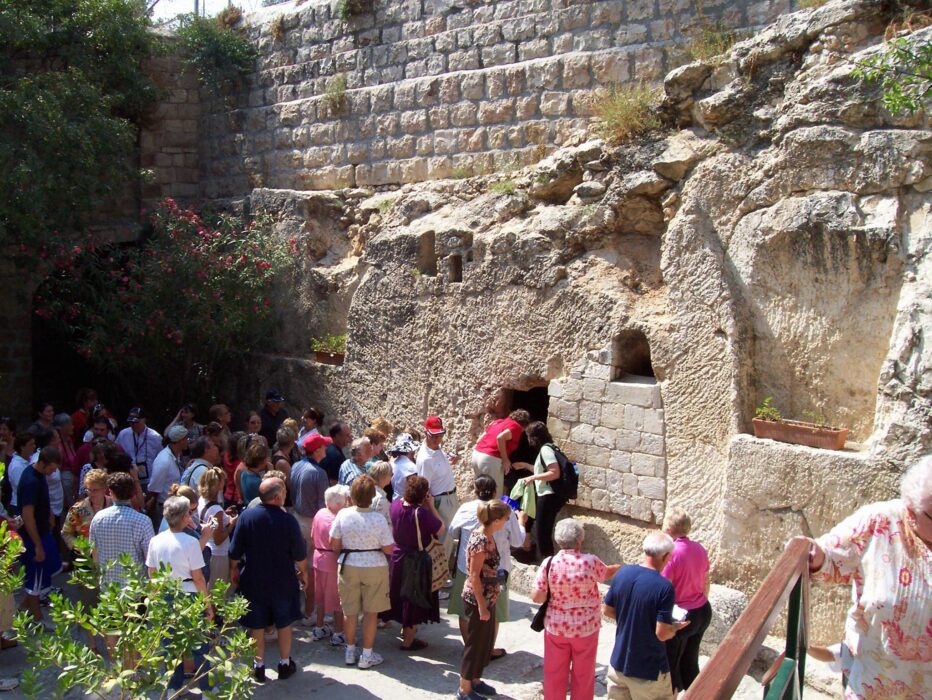
Early Christian texts mention a garden near the place where Jesus was buried. The discovery of agricultural traces alongside burial structures closely matches those descriptions. While the findings do not confirm ownership of the tomb, they recreate a setting similar to what the Gospel accounts describe around the time of the crucifixion.
This overlap between archaeology and historical writing makes the discovery especially compelling. It suggests the traditional site of Jesus’s tomb may indeed reflect the landscape conditions of the period, even if direct evidence remains elusive.
5. The Holy Sepulchre’s Location Fits Ancient Geography
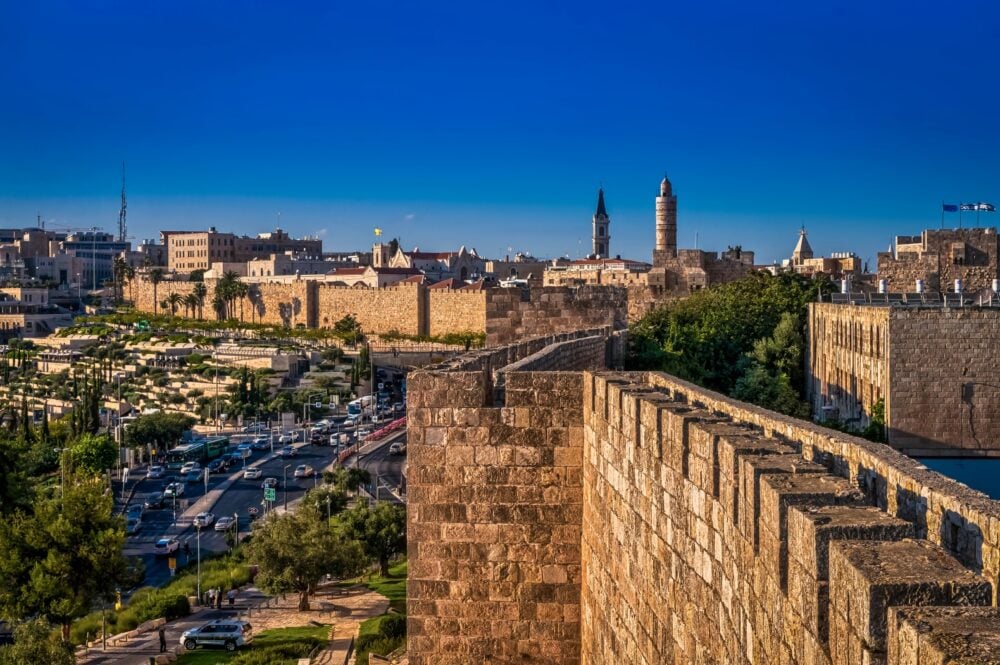
The Church of the Holy Sepulchre sits inside today’s Old City, but during the first century, this area was outside the city walls. This matches historical descriptions that burials took place beyond Jerusalem’s boundaries. The quarry-turned-garden space uncovered beneath the church fits this geographical pattern.
Because the site aligns so closely with what is known about first-century Jerusalem, many scholars consider it the strongest candidate for the true burial location. The recent excavation adds further support by confirming the land was used in ways consistent with ancient accounts.
6. Soil Studies Revealed the Plants Once Grown There

Microscopic analysis of soil beneath the church identified traces of olive and grape cultivation. These crops were common in first-century Judea and suggest the space was intentionally maintained. The presence of cultivated soil directly supports claims that a garden existed near the tomb described in early Christian traditions.
These soil studies provide valuable clues because gardens rarely leave visible remains after millennia. Detecting ancient plant residues helps archaeologists reconstruct how the land was used and what the environment looked like during the time of Jesus.
7. The Excavation Helps Reconstruct Daily Life in Ancient Jerusalem
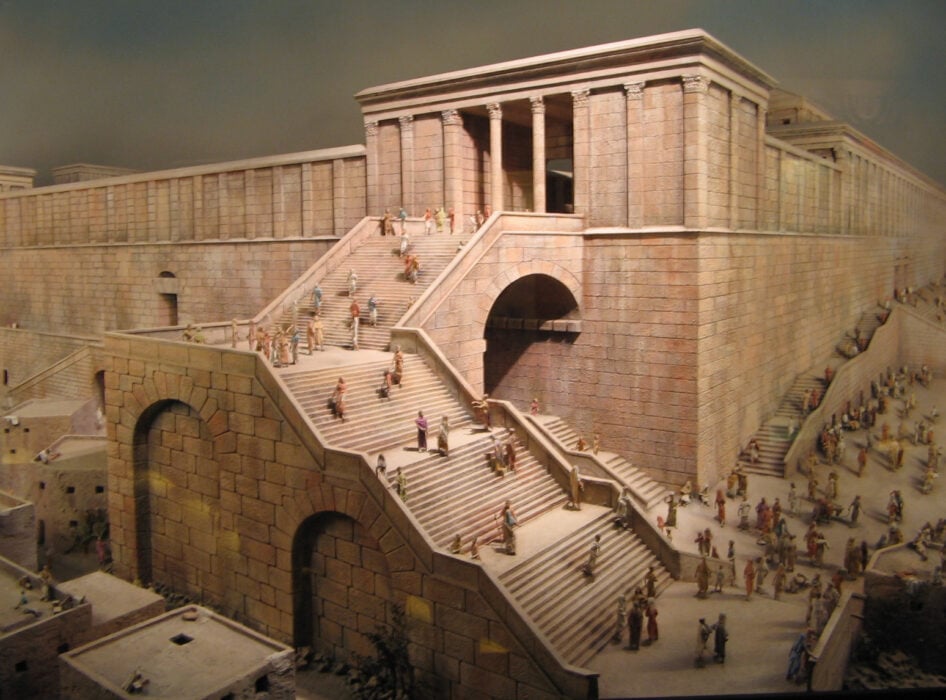
Discoveries at the site give researchers a clearer understanding of life outside the ancient city walls. The combination of a quarry, a garden, and burial spaces reflects a multifunctional landscape typical of the period. People lived, worked, and buried their dead in close proximity, shaped by the city’s rapid growth.
This reconstruction helps historians understand how Jerusalem expanded during the early Roman era. It also adds context to the Gospel narratives, illustrating how such environments could exist within short walking distances of one another.
8. Archaeologists Used Modern Technology to Study the Site
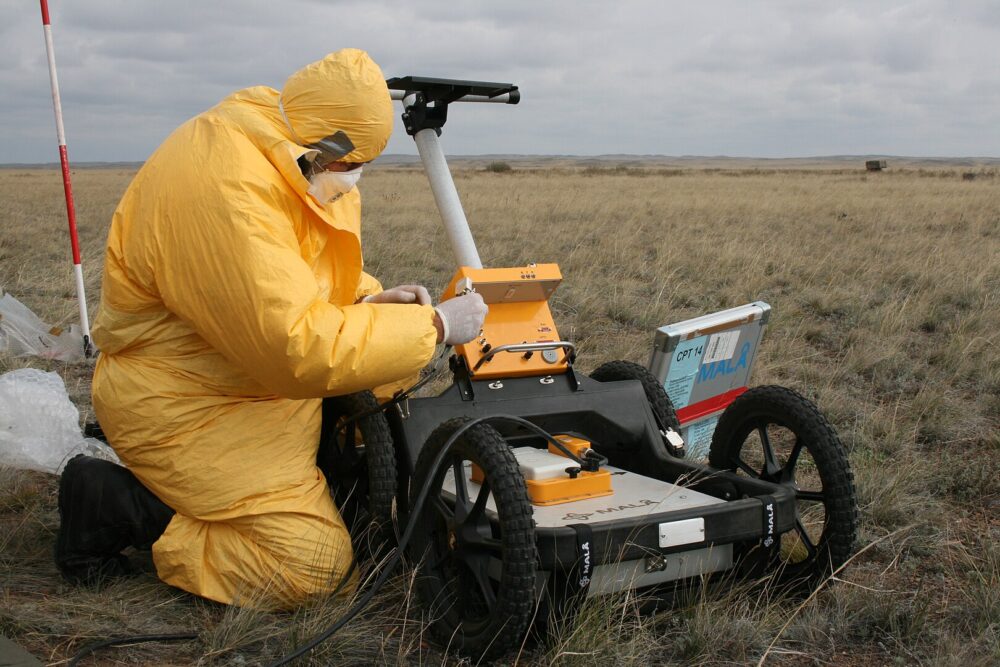
Researchers relied on advanced techniques including ground analysis, microarchaeology, and careful excavation under centuries of construction. Working beneath an active church required precision and minimally invasive methods, ensuring the structural safety of the building while exposing ancient layers.
By combining traditional excavation with modern scientific testing, archaeologists were able to gather reliable data about the soil, rock, and architectural features. This hybrid approach allowed them to confirm details that would otherwise remain hidden beneath the church.
9. The Findings Don’t Prove the Tomb Belonged to Jesus
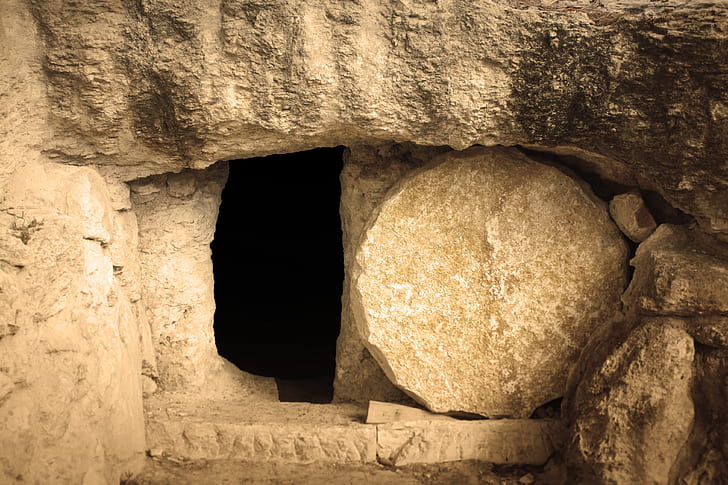
Although the site matches many details from early accounts, archaeologists emphasize that no direct evidence identifies the tomb as belonging to Jesus. Names, artifacts, or inscriptions that could confirm ownership are absent, and the scientific community remains cautious about drawing definitive conclusions.
Still, the discovery strengthens the plausibility of the traditional location. The site fits the cultural, geographical, and environmental conditions described in ancient texts, making it one of the most credible candidates for the historical burial site.
10. The Discovery Provides Rare Insight Into a Sacred Landmark
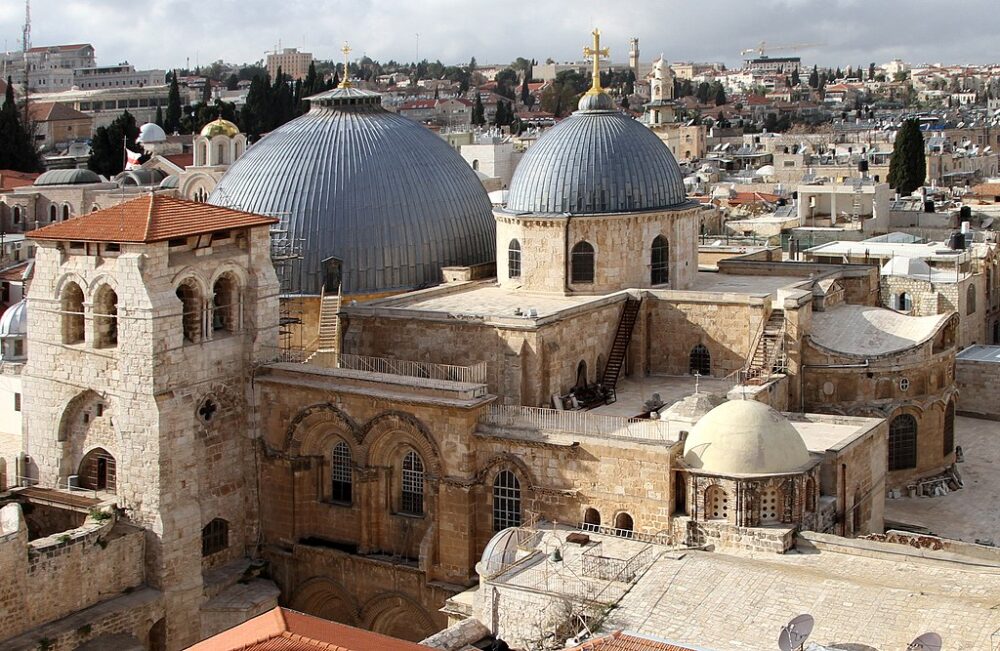
The Church of the Holy Sepulchre has been rebuilt many times over the centuries, making it difficult to access early archaeological layers. This excavation represents a rare opportunity to study the site’s deep history. Each new discovery helps scholars understand how the location evolved into one of the most revered places in Christianity.
The findings also clarify how earlier structures and natural features were incorporated into later religious architecture. This layered history reveals how different cultures and eras shaped the site.
11. Researchers Say the Work Is Ongoing With More to Learn
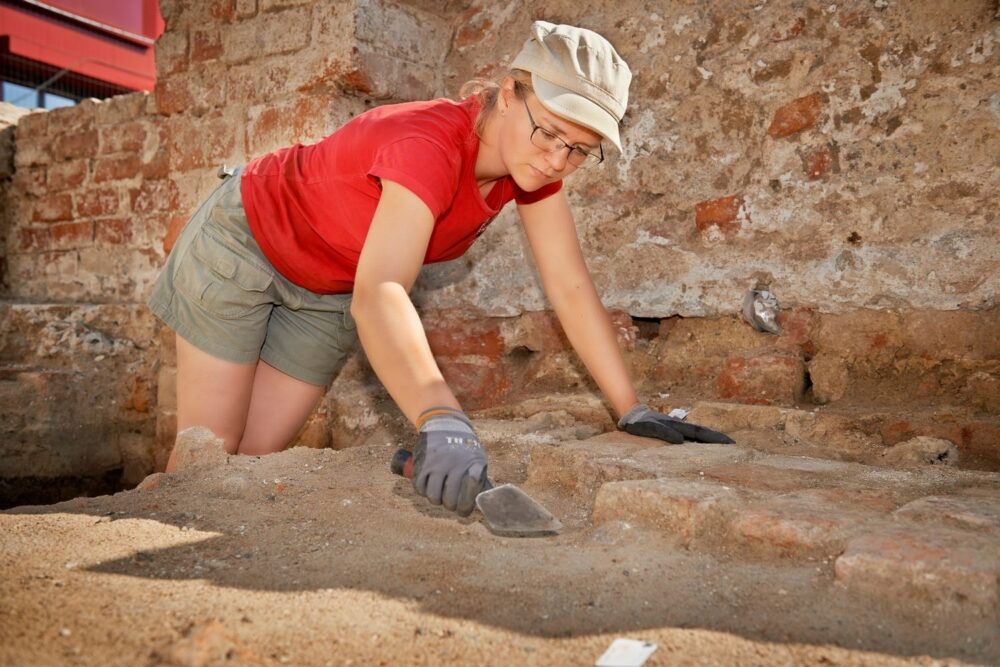
Archaeologists note that this is just one stage of a long-term research project. Additional studies of soil samples, rock layers, and architectural features may continue to refine the understanding of the site. They hope further analysis will uncover more clues about how the area developed from a quarry into a garden and burial ground.
As research progresses, new information could help shed more light on first-century Jerusalem. Even without definitive proof, the discoveries already offer a clearer picture of the landscape associated with one of Christianity’s most significant traditions.