
A forced removal rooted in greed and racism tore thousands from their homeland, yet survivors carried their culture forward.

The Trail of Tears was not a single tragic event but a series of forced removals that displaced thousands of Cherokee, Muscogee (Creek), Chickasaw, Choctaw, and Seminole people in the 1830s. Under the Indian Removal Act of 1830, the U.S. government pushed Native nations from their southeastern homelands to Indian Territory, a journey marked by disease, exposure, and death. The Cherokee removal of 1838–1839 became the most widely known, with an estimated 4,000 lives lost. Despite unimaginable hardship, survivors rebuilt their communities and preserved cultural identity that endures today.
1. The Indian Removal Act Set the Tragedy in Motion
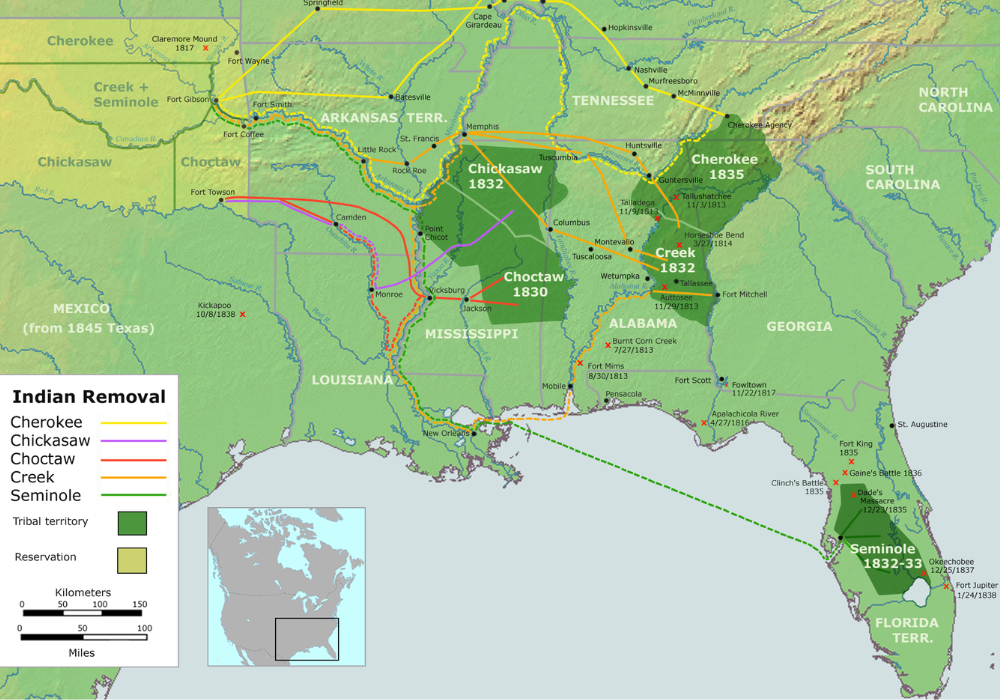
In 1830, Congress passed the Indian Removal Act, giving the federal government authority to relocate Native nations living east of the Mississippi River. President Andrew Jackson supported the policy, arguing that removal was the only way to open the Southeast for white settlers and cotton farming.
Although some Native nations signed removal treaties under pressure, many leaders argued the agreements were illegitimate. The act created the legal foundation for forced displacement, setting the stage for years of suffering and violent enforcement by the U.S. government.
2. The Cherokee Nation Won a Supreme Court Case but Still Lost Their Land
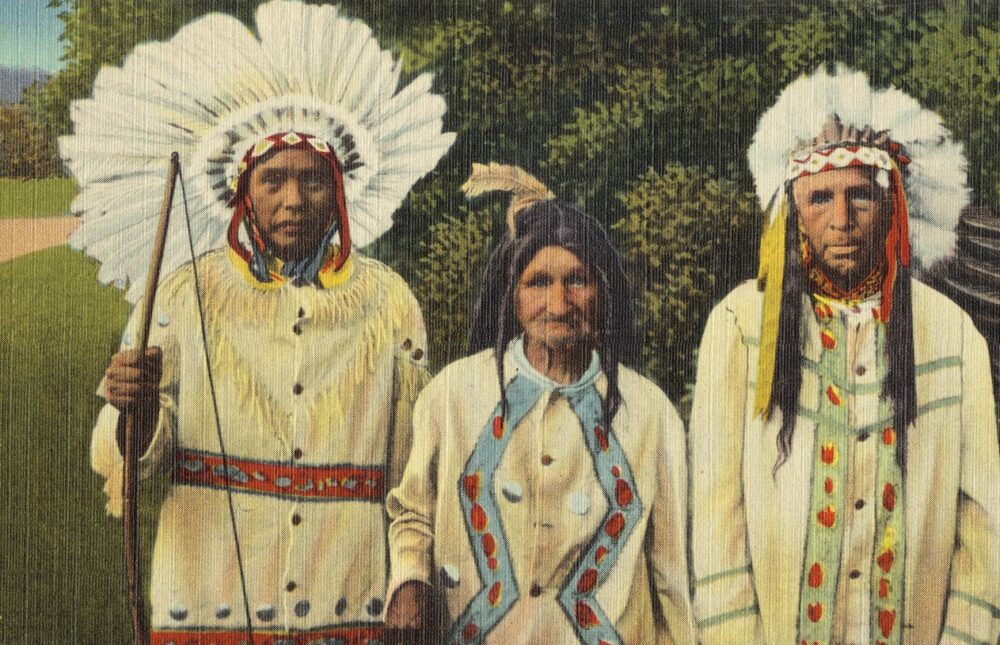
In 1832, the U.S. Supreme Court ruled in Worcester v. Georgia that the Cherokee Nation was a sovereign political community whose lands were protected from state interference. The decision should have strengthened their rights to remain on ancestral territory.
However, President Jackson refused to enforce the ruling, undermining one of the nation’s highest legal protections. Without federal support, the Cherokee were left vulnerable to state pressure, land seizures, and escalating harassment, after which removal became nearly unavoidable.
3. The Treaty of New Echota Was Signed by a Minority and Widely Opposed
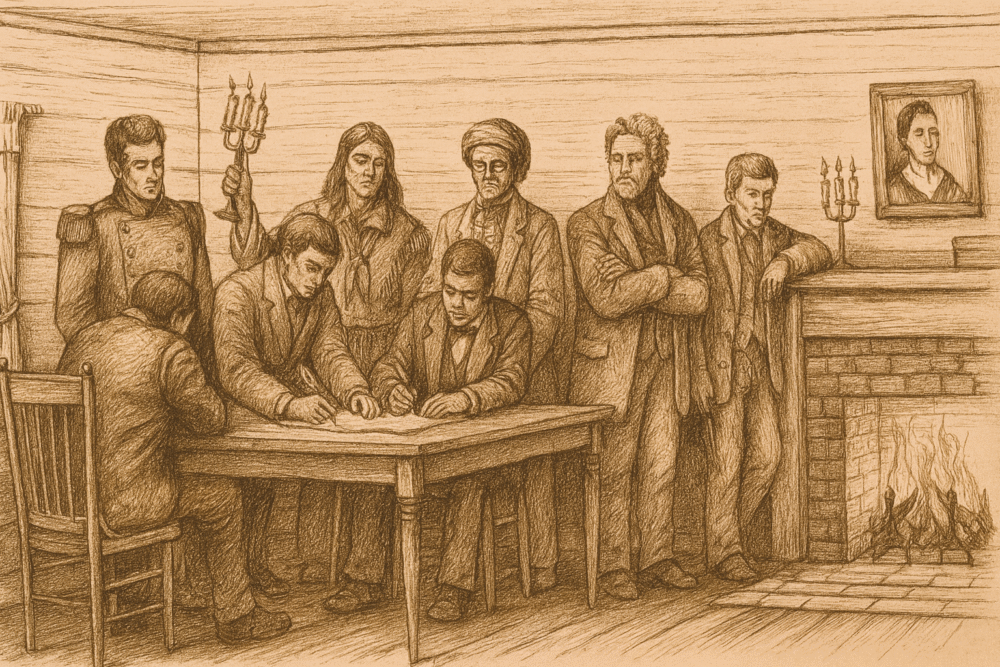
In 1835, a small faction of Cherokees signed the Treaty of New Echota, agreeing to relocation in exchange for land and payment. Most Cherokee citizens, including Principal Chief John Ross, fiercely opposed it, arguing the signers had no authority to negotiate on behalf of the nation.
Despite widespread protest, the U.S. government ratified the treaty by one vote. This decision paved the way for removal, even though the majority of Cherokee people never consented to giving up their homeland.
4. Families Were Rounded Up and Forced Into Holding Camps
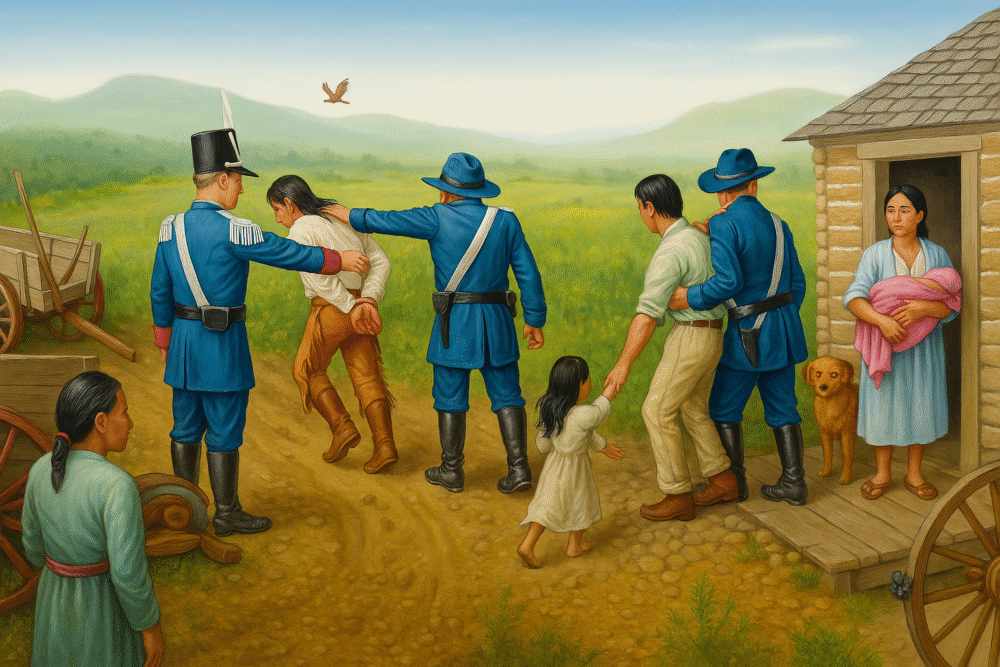
In 1838, federal troops and state militias began rounding up Cherokee families with little warning. Many were forced from their homes at gunpoint, allowed to take only what they could carry. Personal belongings, livestock, and crops were left behind and often taken by local settlers.
Thousands of Cherokee were held in overcrowded stockades and camps throughout the summer months. Conditions were unsanitary, food was limited, and disease spread rapidly, contributing to early deaths before the journey even began.
5. Thousands Began the March West Under Brutal Conditions
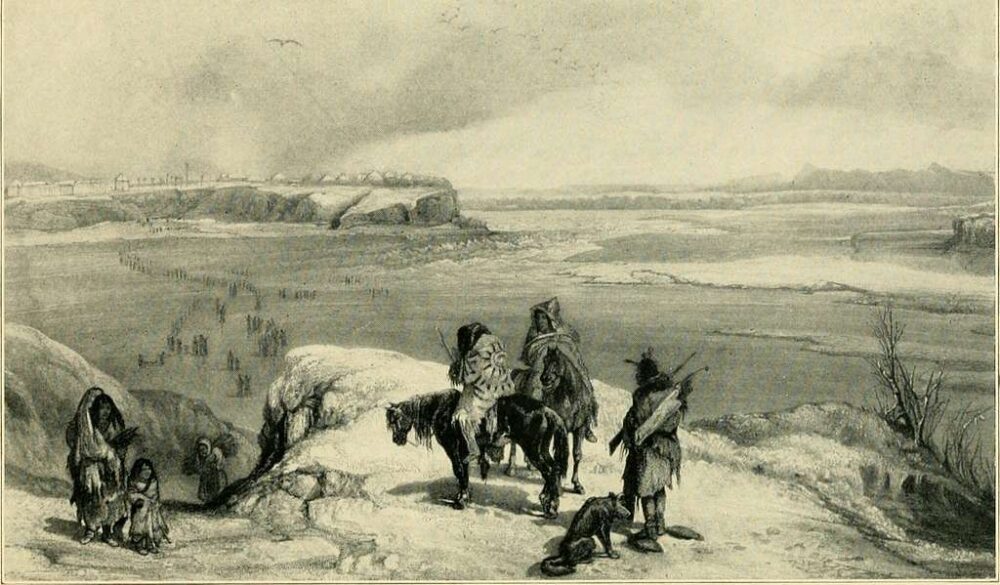
The main removal, known as the Trail of Tears, took place in multiple groups traveling by foot, wagon, and boat across more than 1,000 miles. The journey was long, slow, and poorly supplied, with many walking barefoot or without adequate clothing.
Harsh weather, contaminated water, and limited rations made survival difficult. Illnesses such as dysentery, pneumonia, and measles were widespread. Despite the hardships, Cherokee leaders organized the groups to maintain order and protect vulnerable community members.
6. An Estimated 4,000 Cherokee Died During the Removal

Historical accounts estimate that roughly a quarter of the 16,000 Cherokee forced west died during the roundup, imprisonment, and journey. Children and elders were especially vulnerable, and grave markers or temporary burial sites lined the route.
Deaths continued after arrival due to weakened health and inadequate shelter. These losses remain one of the most devastating consequences of U.S. removal policy, and the Trail of Tears is now recognized as a severe human rights tragedy.
7. Other Native Nations Experienced Similar Forced Removals
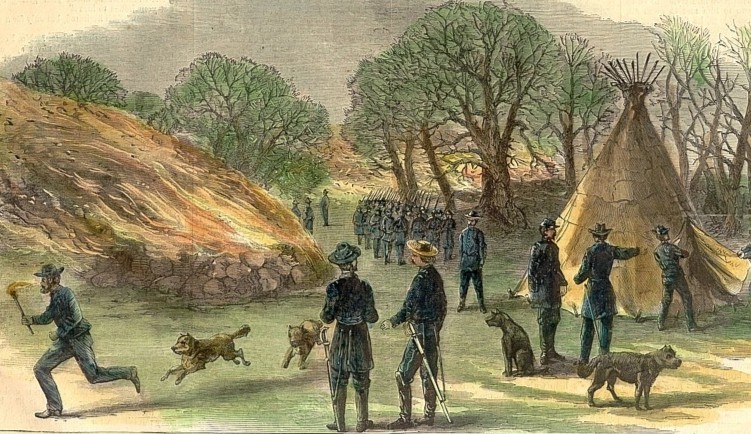
Although the Cherokee removal is the most widely known, four other Native nations faced similar displacements during the same era. The Muscogee, Choctaw, Chickasaw, and Seminole peoples were also forced west under military pressure or coercive treaties.
Each nation endured its own version of the Trail of Tears, marked by disease, violence, and high death tolls. These removals collectively reshaped the demographic landscape of the Southeast and caused immeasurable cultural and emotional trauma.
8. The Journey Reshaped Cherokee Society but Did Not Break It
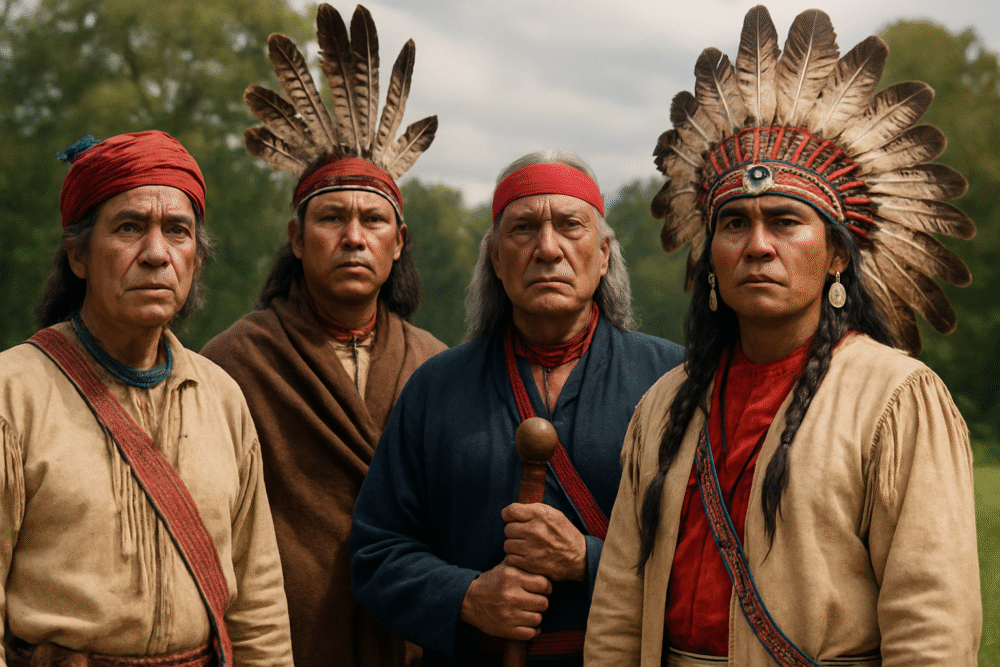
Despite suffering immense loss, Cherokee communities reorganized once they reached Indian Territory. Leaders reestablished a constitutional government, built schools, and rebuilt homes, demonstrating resilience in the face of catastrophic displacement.
Cultural practices, language, and traditions survived due to the determination of elders and families who preserved teachings under difficult conditions. Their efforts helped ensure the survival of Cherokee identity for future generations.
9. Personal Accounts Reveal the Emotional Toll of Removal
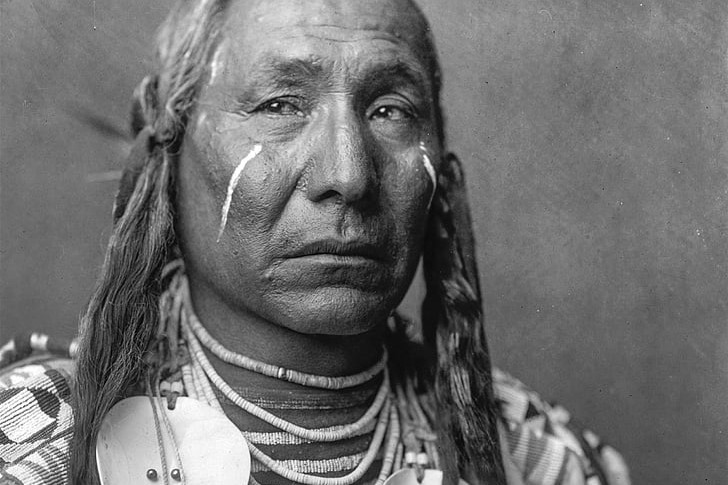
Survivor testimonies describe the Trail of Tears as a time of deep sorrow and collective grief. Many recalled seeing loved ones buried along the route, often without markers. Others described the constant hunger, fear, and exposure that defined the journey.
These firsthand records, preserved through oral history and written accounts, provide some of the most powerful evidence of the suffering endured. They offer a human perspective beyond government reports and official documentation.
10. The Trail of Tears Is Now Recognized as a National Historic Tragedy
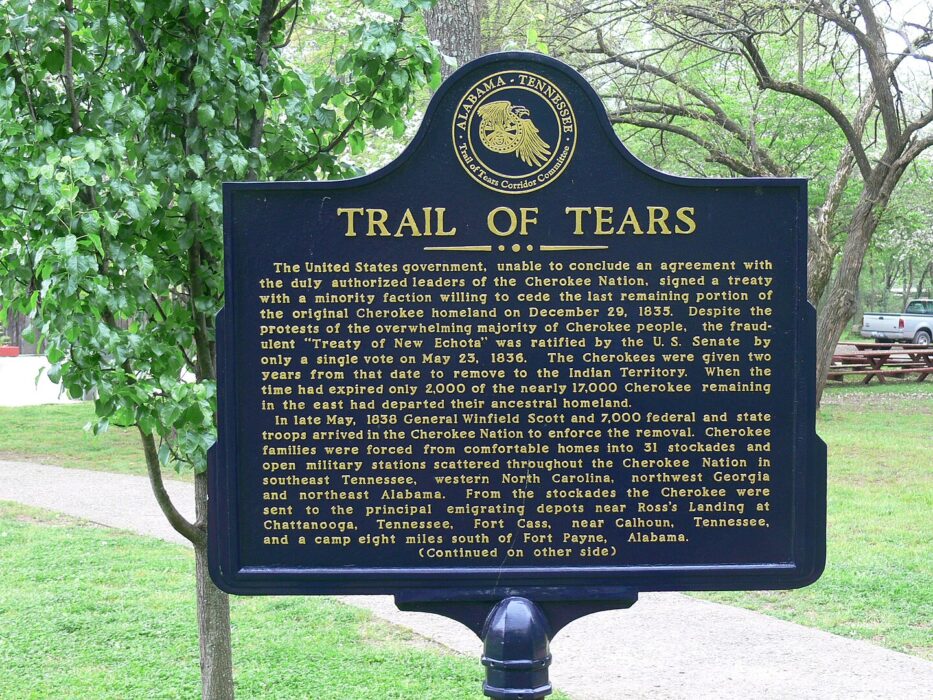
Today, the Trail of Tears is formally commemorated as a National Historic Trail. Markers and memorials along the route honor those who were forced to leave their homelands and acknowledge the immense loss endured by multiple Native nations.
These commemorations serve as reminders of the consequences of federal policy and the importance of protecting human rights. They also help educate the public about the enduring legacy of removal.
11. The Story Lives On Through Descendants Who Carry the Legacy
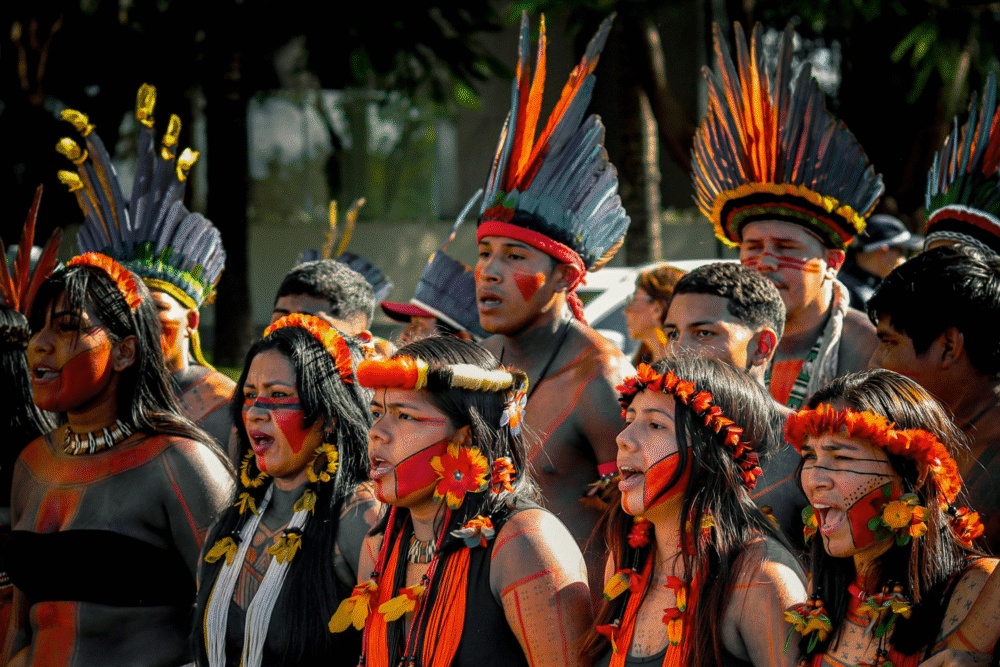
Descendants of those who survived the Trail of Tears continue to preserve the history through storytelling, ceremonies, and cultural preservation efforts. Their work keeps alive the memory of those who suffered and honors their resilience.
By passing down traditions, supporting language revitalization, and sharing historical truth, descendants ensure the Trail of Tears remains part of the national conversation. Their efforts highlight both the tragedy and the enduring strength of Native nations.