
James Hansen says Earth has entered a dangerous warming phase that will accelerate faster than most predictions.

Climate scientist James Hansen, the former NASA researcher who first warned Congress about global warming, now says Earth has crossed a threshold that will drive far more extreme heating in the decades ahead. According to Hansen, the planet is warming faster than mainstream projections show, partly because climate sensitivity may be higher than widely accepted estimates. He argues that feedback loops and rising greenhouse gases have pushed Earth into a self-reinforcing warming phase. While some scientists debate his conclusions, Hansen insists the data points to a future that will be hotter and more unstable than expected.
1. Hansen Warns That Warming Is Accelerating Faster Than Predicted
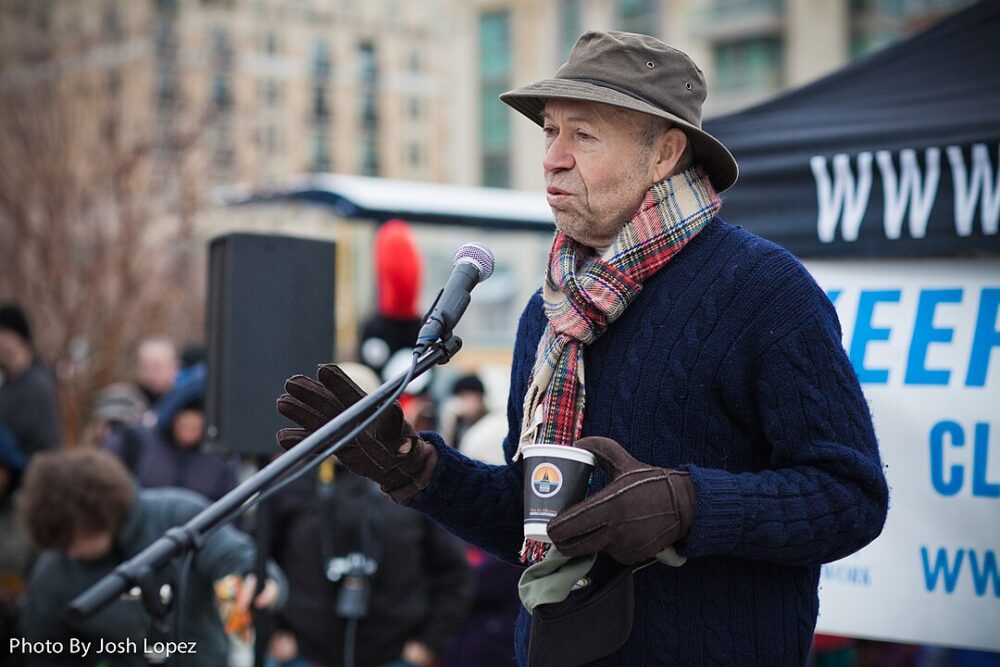
James Hansen says the rate of global warming no longer matches the projections used in many climate models. He argues that observed temperature increases over the past decade exceed expectations, suggesting that Earth’s climate is responding more strongly to greenhouse gases than once believed.
This accelerated warming, he says, indicates that the planet has moved into a new phase where familiar predictions may underestimate future risks. If the trend continues, global temperatures could reach dangerous levels sooner than most policy timelines anticipate, leaving less time for effective mitigation.
2. He Believes Climate Sensitivity Is Higher Than Standard Models Assume

Climate sensitivity measures how much Earth warms after CO₂ levels rise. Hansen argues that this sensitivity is higher than many models currently estimate. He bases this claim on historical climate data showing that past warming events responded sharply to modest atmospheric changes.
Higher sensitivity would mean even small increases in greenhouse gases produce larger temperature jumps. If true, this would imply Earth is more vulnerable to feedback loops, making warming harder to slow or reverse. Hansen says this factor is key to understanding why we may have already crossed a major threshold.
3. Rising Greenhouse Gases Are Driving Irreversible Long-Term Trends
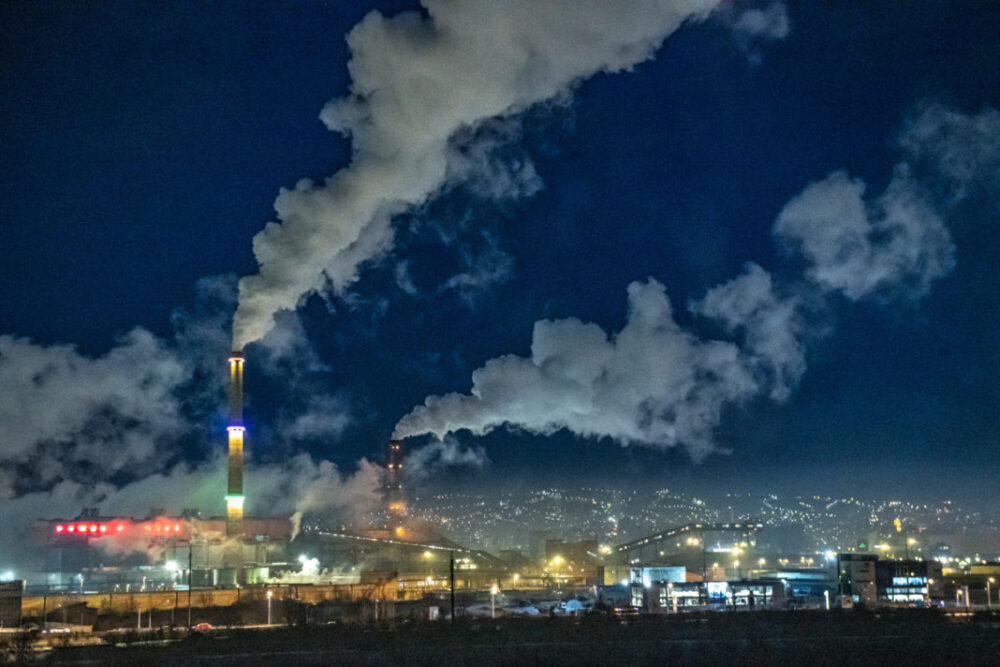
Hansen points out that CO₂, methane, and other greenhouse gases continue to rise globally, despite decades of climate agreements. These gases remain in the atmosphere for centuries, trapping heat long after emissions stop.
He argues that the current concentrations have already locked in major changes, including more extreme heatwaves, rising sea levels, and shifting weather patterns. Because greenhouse gases persist for so long, reversing these trends becomes significantly harder, supporting his claim that we may have reached a point from which the climate cannot easily return.
4. Feedback Loops Are Strengthening Warming

According to Hansen, several climate feedback loops are now amplifying global warming. These include melting ice that reduces Earth’s reflectivity, increased water vapor that traps more heat, and warming oceans that release stored carbon.
Feedback loops make warming self-reinforcing, meaning even if emissions stopped tomorrow, some effects would continue to accelerate. Hansen argues that the growing strength of these loops is a signal that Earth’s climate system has entered a more unstable phase that scientists must take seriously.
5. Ocean Heating Is Rising at an Alarming Pace

Oceans absorb more than 90 percent of the excess heat trapped by greenhouse gases. Hansen points to rapid increases in ocean temperatures, especially in the upper layers, as evidence that warming is intensifying faster than expected.
Warmer oceans fuel stronger storms, disrupt marine ecosystems, and increase the likelihood of coral die-offs. They also expand in volume, contributing significantly to global sea level rise. Hansen argues that ocean heat content now shows a clear trend toward long-term, irreversible changes.
6. Sea Level Rise May Accelerate Beyond Past Predictions

Based on current trends, Hansen warns that sea levels could rise faster than many models have projected. Melting ice sheets in Greenland and Antarctica remain a major concern, and warmer oceans accelerate this process from below.
He argues that current projections may underestimate ice loss because they rely on assumptions that do not fully capture rapid melt mechanisms. If sea level rise accelerates as he predicts, low-lying regions worldwide could face greater flooding risks sooner than anticipated.
7. Extreme Weather Events Support His Claims

Hansen points to the increasing frequency of extreme weather events—heatwaves, droughts, floods, and wildfires—as evidence that the climate is already shifting into a more intense phase. These events align with what scientists expect from a warmer, more energetic atmosphere.
He suggests that recent disasters reflect a system that is beginning to exceed historical norms. If these extremes become more common, it would reinforce the idea that Earth has entered a long-term warming trajectory that cannot be easily reversed.
8. Some Scientists Disagree With His Exact Threshold Timing
While Hansen’s overall concerns are widely acknowledged, not all researchers agree that we have already crossed an irreversible point. Some scientists argue that strong and immediate global action could still limit warming to safer levels.
The debate centers on how quickly the climate will respond to emissions cuts and whether feedback loops are already too strong. Hansen maintains that the window for preventing extreme outcomes is nearly closed, while others emphasize that meaningful mitigation is still possible.
9. He Believes Current Policy Timelines Are Too Slow

Hansen argues that international climate policies rely on gradual emissions reductions that do not match the urgency of the problem. He believes governments underestimate the speed of warming and the risks of waiting for long-term solutions.
He says stronger action is required now, including aggressive emissions cuts, new energy strategies, and major investment in carbon removal technologies. According to Hansen, the pace of current efforts is incompatible with the rapidly closing window for avoiding severe warming.
10. Hansen Calls for Large-Scale Carbon Removal

Beyond reducing emissions, Hansen argues that humanity must begin removing carbon dioxide directly from the atmosphere. This approach, known as carbon sequestration, is still in early stages but could become essential if warming continues at the current rate.
He believes carbon removal will be necessary to counteract decades of accumulated emissions and bring atmospheric levels back to safer ranges. Without it, he warns that warming could continue even if emissions drop sharply in coming years.
11. He Emphasizes the Importance of Protecting Young Generations

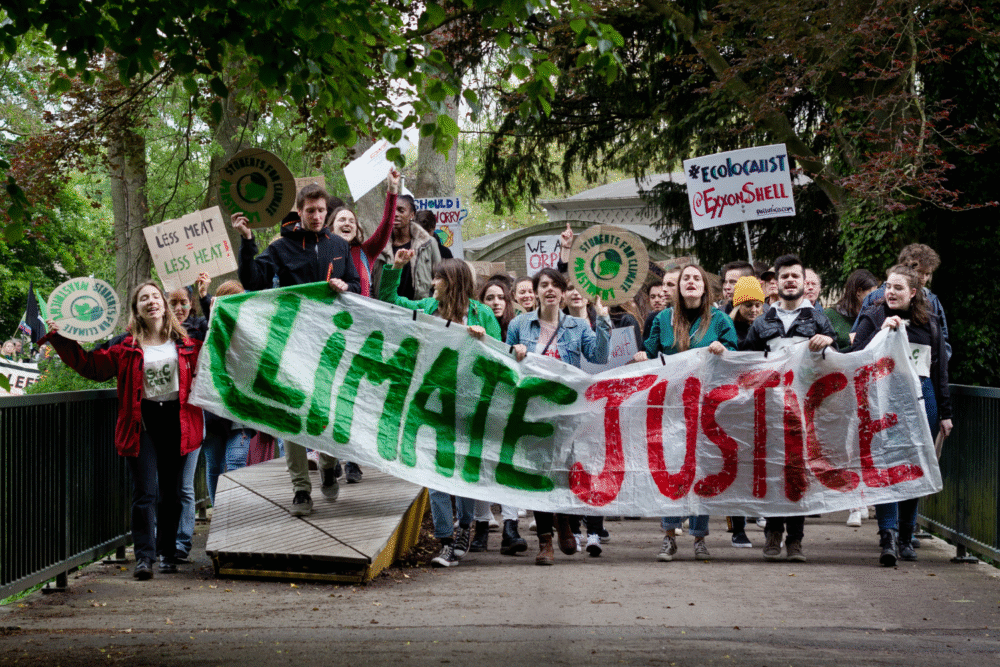
Hansen has long framed climate change as a justice issue, arguing that the choices made today will largely determine the world inherited by children. He says that failing to act aggressively now essentially commits younger generations to a hotter and more dangerous planet.
He believes that the moral responsibility to protect future generations should drive stronger climate action. This perspective has shaped his advocacy and remains central to his warnings about crossing a point of no return.
12. Despite the Warning, Hansen Says Action Can Still Reduce Harm
Although Hansen believes we have crossed a dangerous threshold, he does not claim all hope is lost. Instead, he argues that while some warming is unavoidable, bold action can still prevent the worst outcomes.
He emphasizes that the severity of future climate impacts depends on decisions made today. Rapid emissions cuts, renewable energy expansion, and global cooperation can still make a meaningful difference. His message is that avoiding catastrophic warming requires treating the crisis with the urgency it deserves.