
A booming underground economy is stealing wild sloths from their habitats to feed tourist photo ops.
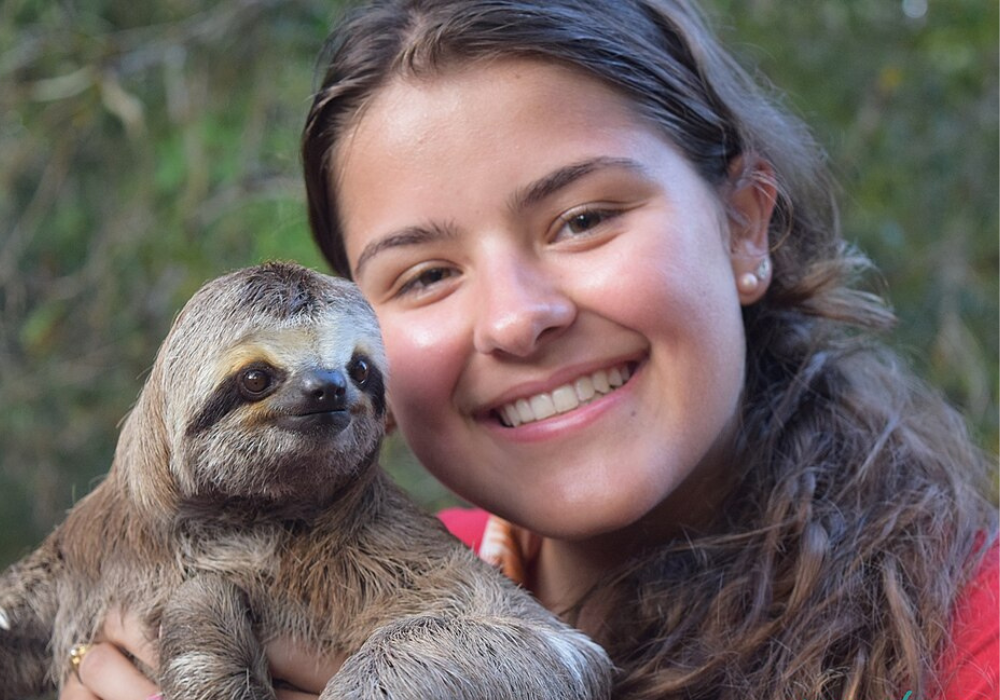
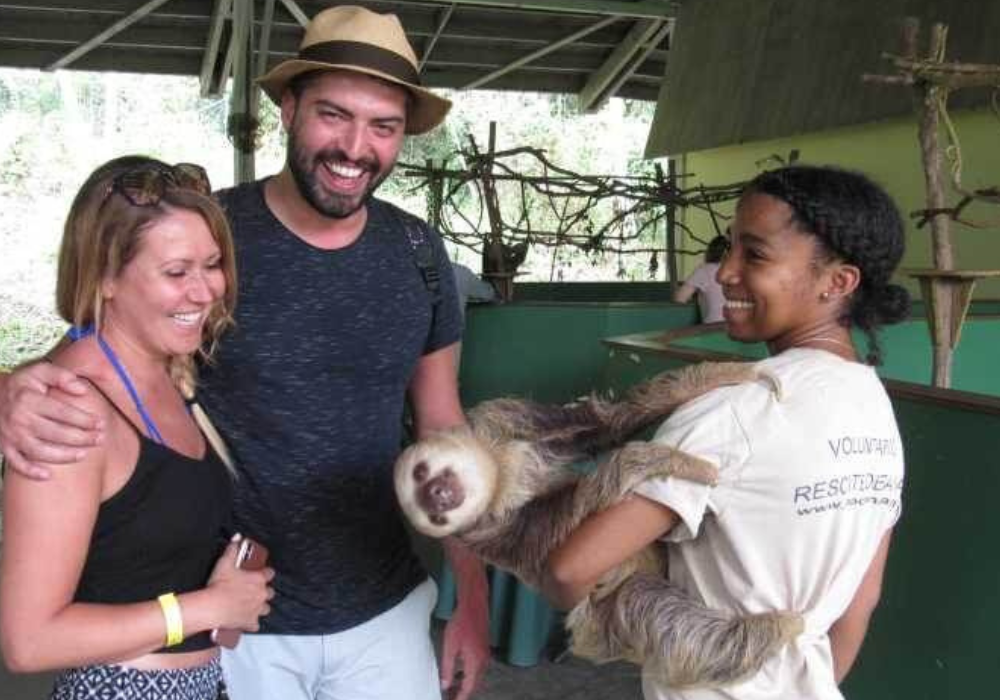
Tourists love posing with baby sloths, but new research reveals these photo-friendly encounters hide a brutal illegal trade. Traffickers capture wild sloths—often by killing or injuring the mothers—and sell them for roadside photos, beach attractions, and social media content. The animals are kept in stressful, unnatural conditions, handled constantly, and often die within months. Conservation groups warn that the rising demand for sloth selfies is pushing more poachers into fragile rainforest regions. What looks like a harmless souvenir photo is fueling a dangerous global wildlife crime network.
1. Sloths Are Being Taken Straight From the Wild

Investigators found that nearly all sloths used in tourist selfies were captured directly from the wild. Poachers target mothers carrying infants because baby sloths are easier to handle and more appealing to tourists seeking adorable photo opportunities.
This method is devastating for wild populations. Removing even a few individuals disrupts local breeding cycles, and many captured animals die during transport. The practice is illegal in most sloth habitats, yet traffickers continue because demand remains strong and enforcement is limited.
2. Sloth Selfies Have Become a Lucrative Tourist Attraction
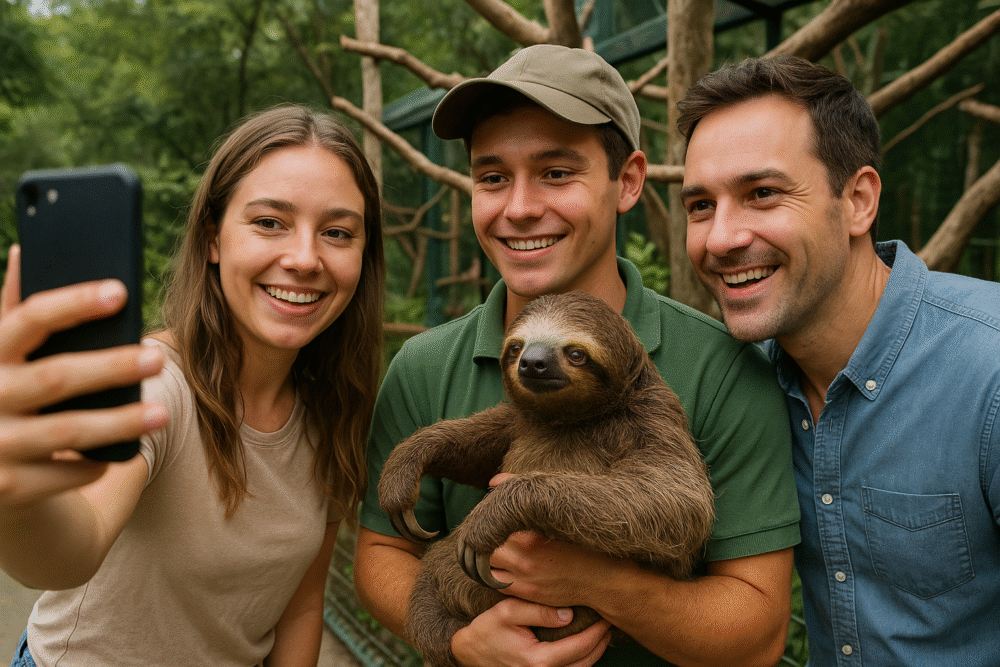
Tourists pay to pose with sloths at beaches, markets, and roadside posts, creating a growing source of income for traffickers. Because the animals move slowly and appear calm, many visitors mistakenly assume the interactions are harmless or humane.
In reality, sloths tolerate handling poorly and experience extreme stress during these encounters. Their docile appearance masks suffering caused by constant touching, bright lights, loud crowds, and being held away from their natural habitat. The profitability of these encounters drives more illegal captures.
3. Constant Handling Causes Severe Stress and Injury
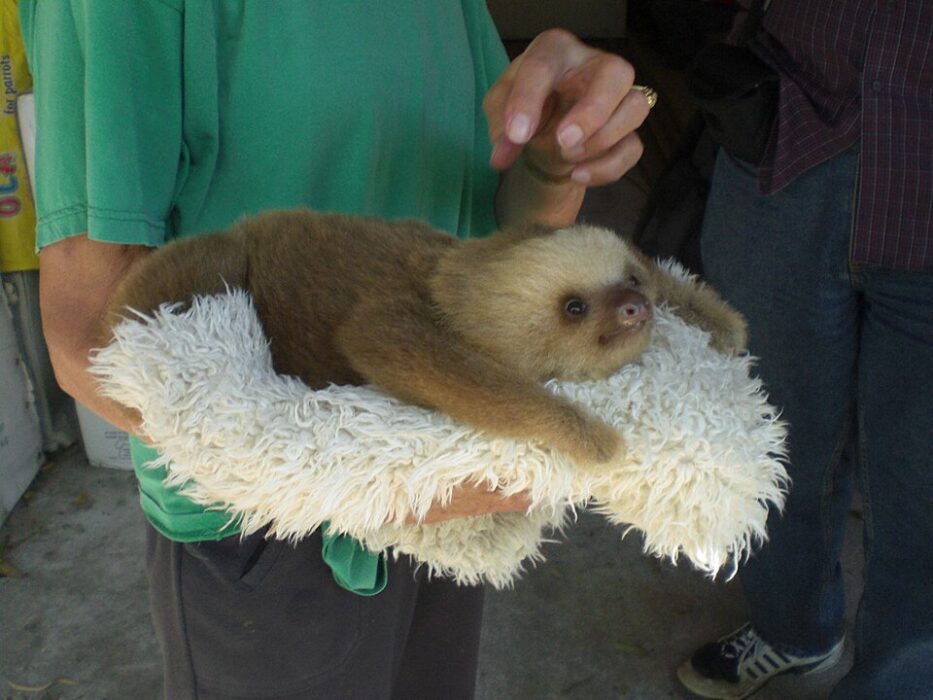
Sloths are solitary, slow-moving animals that rarely experience direct human contact in the wild. Tourist interactions force them into repeated handling for hours each day, leading to exhaustion, dehydration, and injury.
Their claws, limbs, and delicate muscles are easily strained when held improperly. Some sloths develop respiratory problems or infections due to extreme stress. These conditions shorten their lifespan dramatically, making survival beyond a few months unlikely in captivity.
4. Many Sloths Die Shortly After Capture
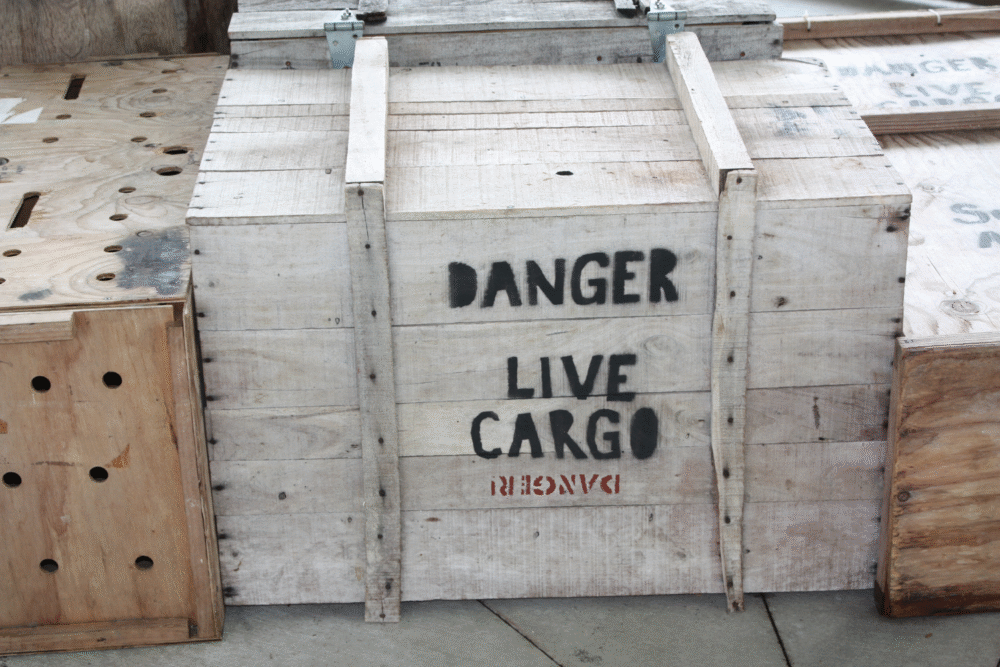
Reports show that a large percentage of captured sloths die during transport or within months of being used in tourism. The combination of trauma, malnutrition, temperature shock, and improper handling overwhelms their fragile physiology.
Because new sloths must constantly replace those that die, traffickers continue taking animals from the wild, keeping the cycle of exploitation alive. This constant replacement rate makes the trade particularly destructive to sloth populations.
5. Social Media Is Driving Demand for Cute Animal Photos

Images of people hugging, holding, or posing with sloths spread quickly on social platforms. Each viral post encourages more tourists to seek similar experiences without realizing the cruelty behind the scenes.
Researchers warn that this “Instagram effect” turns wildlife into props. The popularity of cute encounters pushes traffickers to supply more animals, often leading to increased poaching in vulnerable ecosystems that cannot sustain the loss.
6. Sloths Are Often Kept in Harsh, Unnatural Conditions

Trafficked sloths are frequently stored in cramped cages, exposed to high heat, or kept without proper shade or ventilation. Their natural diet is difficult to replicate, leading to digestive issues and malnutrition.
Without the trees and canopy they rely on for movement and shelter, sloths become disoriented and fearful. Poor living conditions compound the stress caused by constant tourist handling, rapidly degrading the animals’ health and well-being.
7. Mothers Are Killed So Babies Can Be Taken

Poachers often kill adult female sloths to steal their babies, which are more profitable for tourist selfies. These infants are torn from their mothers long before they are ready to survive alone, causing emotional and physical trauma.
Motherless infants require specialized care that traffickers rarely provide. Many become sick or die shortly after capture. This practice not only harms individual animals but also reduces reproductive potential for entire sloth populations.
8. The Trade Is Connected to Larger Criminal Networks

Wildlife trafficking rarely occurs in isolation. Investigators have linked sloth poaching to broader criminal systems that smuggle exotic animals for the pet trade, entertainment, and black-market sales.
Because wildlife crime often overlaps with drug trafficking, corruption, and illegal logging, the demand for sloth selfies indirectly supports more extensive criminal enterprises. Sloths become one small part of a much larger system exploiting vulnerable species.
9. Local Communities Are Misled About the Industry
Some locals believe capturing sloths for tourists is a harmless or traditional practice, not realizing it is illegal and harmful to the ecosystem. Traffickers exploit these misconceptions to recruit people into the trade.
Others participate due to limited economic opportunities. Without education and alternative income options, communities may continue to supply traffickers even as sloth populations decline. Conservation groups aim to raise awareness to reduce participation in the trade.
10. Sloth Populations Are at Greater Risk Than Many Realize
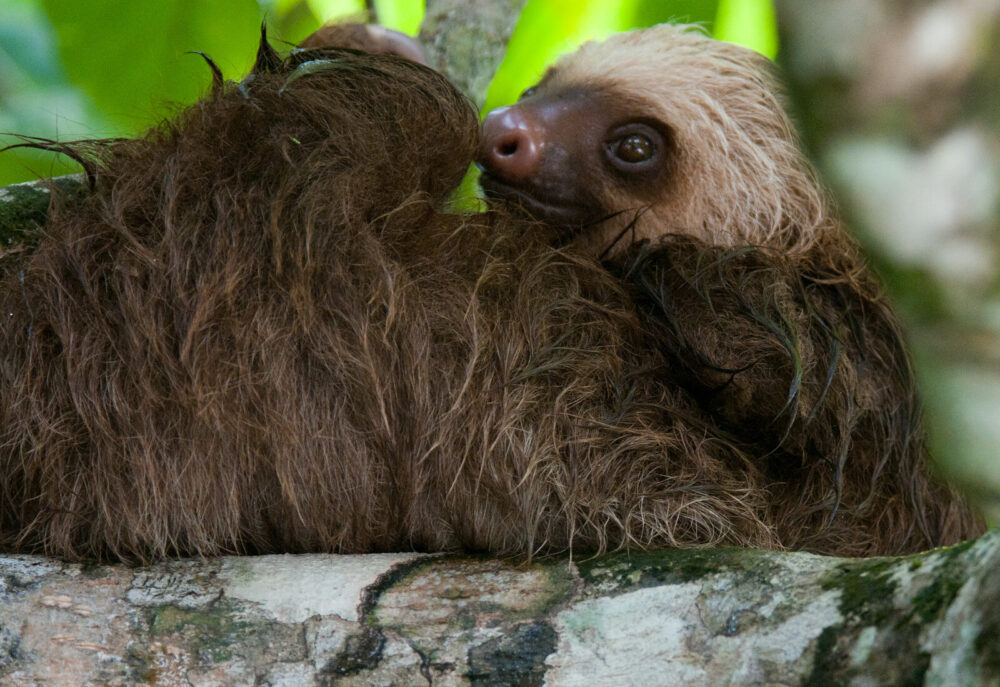
While sloths may seem plentiful in photos and tourist areas, several species already face habitat loss from deforestation. Adding trafficking pressure increases the likelihood of local population collapse in some regions.
Because sloths reproduce slowly and have high infant dependence, even small increases in poaching can cause long-term damage. Researchers warn that the selfie-driven trade could speed up declines in already vulnerable populations.
11. Conservation Groups Are Fighting Back
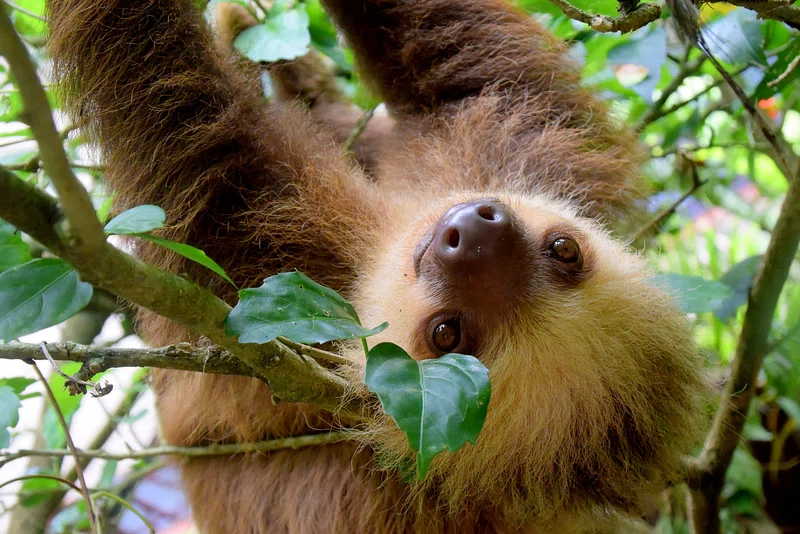
Wildlife organizations are working to educate tourists, strengthen enforcement, and support alternative livelihoods that reduce poaching incentives. They encourage visitors to avoid any attraction offering direct contact with wild animals.
Public awareness campaigns highlight the cruelty behind sloth selfies and teach people how to recognize ethical wildlife experiences. Experts say reducing tourist demand is essential for dismantling the trafficking pipeline and protecting sloths in their natural habitats.