
New satellite data suggests the long-silent Taftan volcano may be reawakening beneath southeastern Iran.
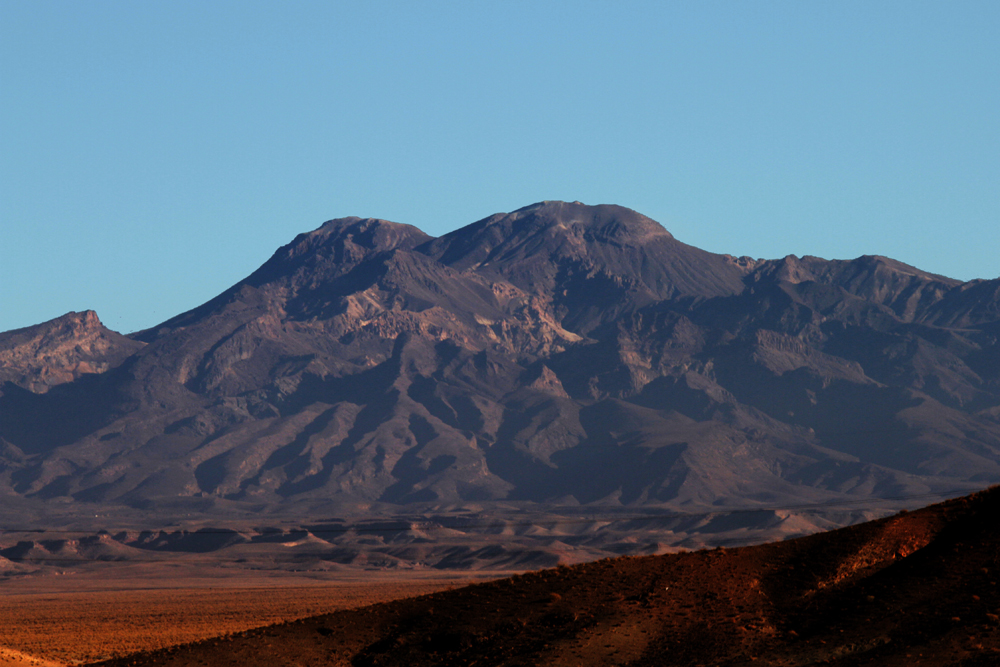
Taftan volcano in southeastern Iran has been quiet for hundreds of thousands of years, but new satellite measurements suggest that may be changing. Researchers detected a rapid uplift of nearly 3.5 inches in less than a year, a shift that signals rising magma or underground pressure beneath the mountain. While there is no confirmation of an impending eruption, the sudden movement after such an extraordinary period of inactivity has drawn scientific attention. Experts say the ground deformation indicates the volcano is entering a new phase that warrants close monitoring.
1. Taftan Has Been Dormant for an Extraordinary Length of Time
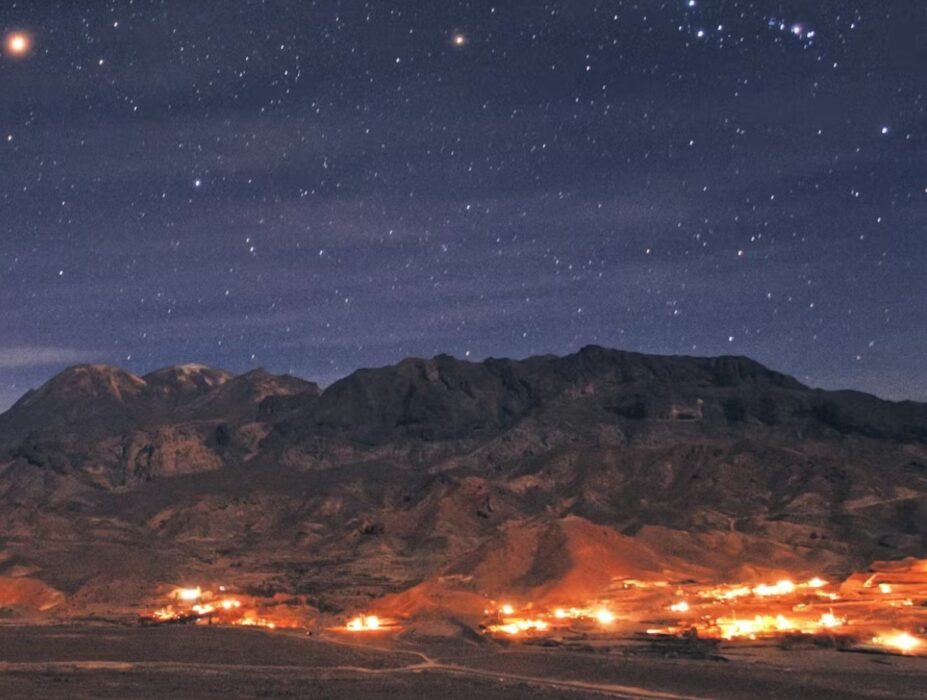
Taftan is considered a long-dormant volcano, with its most recent confirmed eruption occurring roughly 700,000 years ago. That places its last activity in the middle Pleistocene, long before modern humans developed the societies we recognize today. Most volcanoes that stay quiet for this long are classified as inactive or extinct, making any new motion especially noteworthy.
Because long-dormant volcanoes rarely reactivate, scientists interpret Taftan’s ground movement as an important geological signal. Its apparent awakening underscores how even ancient volcanoes can shift unexpectedly when conditions beneath the surface change.
2. Satellite Data Detected Nearly 3.5 Inches of Uplift

Researchers studying radar data from orbiting satellites found that the ground surrounding Taftan had risen approximately 3.5 inches over a short period. This uplift occurred between 2023 and early 2024, indicating rapid geological change. Such movement typically reflects magma accumulation, gas expansion, or pressure shifts deep underground.
The precision of satellite radar allows scientists to detect even subtle deformation that would otherwise go unnoticed. Taftan’s sudden uplift stands out because it represents a significant volume of underground movement within months, not years, suggesting a dynamic process is underway.
3. Uplift Is Often a Sign of Magma Movement
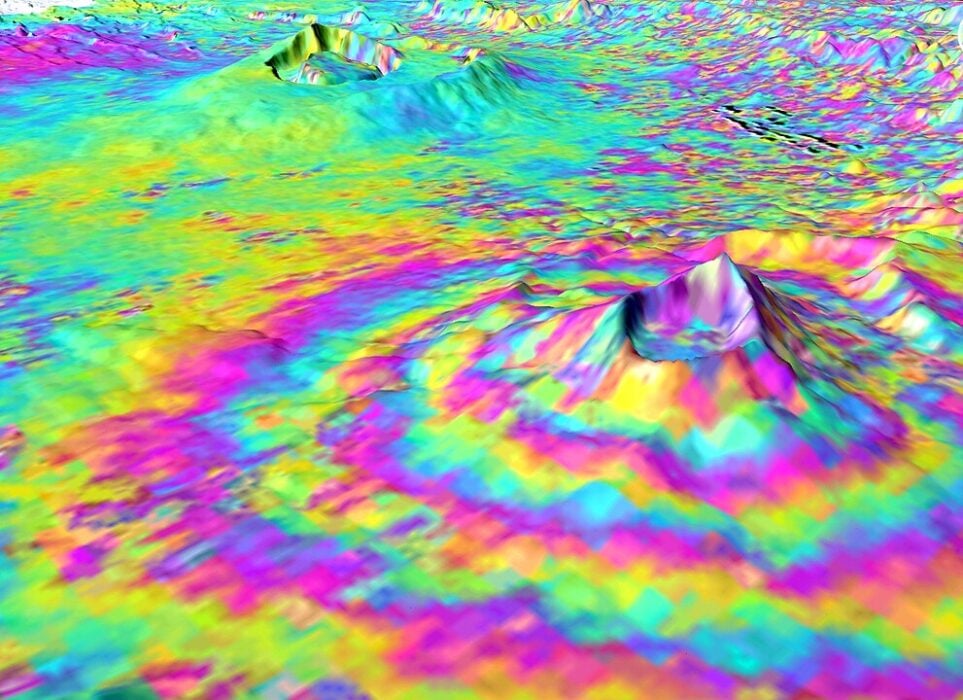
When the ground swells upward around a volcano, scientists often interpret it as a sign that magma is rising from deeper chambers into shallower regions. This causes pressure to build, pushing the surface upward. Taftan’s uplift fits this pattern and may indicate that molten material is repositioning beneath the volcano.
However, an uplift alone does not confirm that an eruption is imminent. In many cases, magma stalls underground without breaking the surface. Taftan’s recent activity simply signals that internal forces are changing and need ongoing observation.
4. The Region’s Tectonics Add Complexity
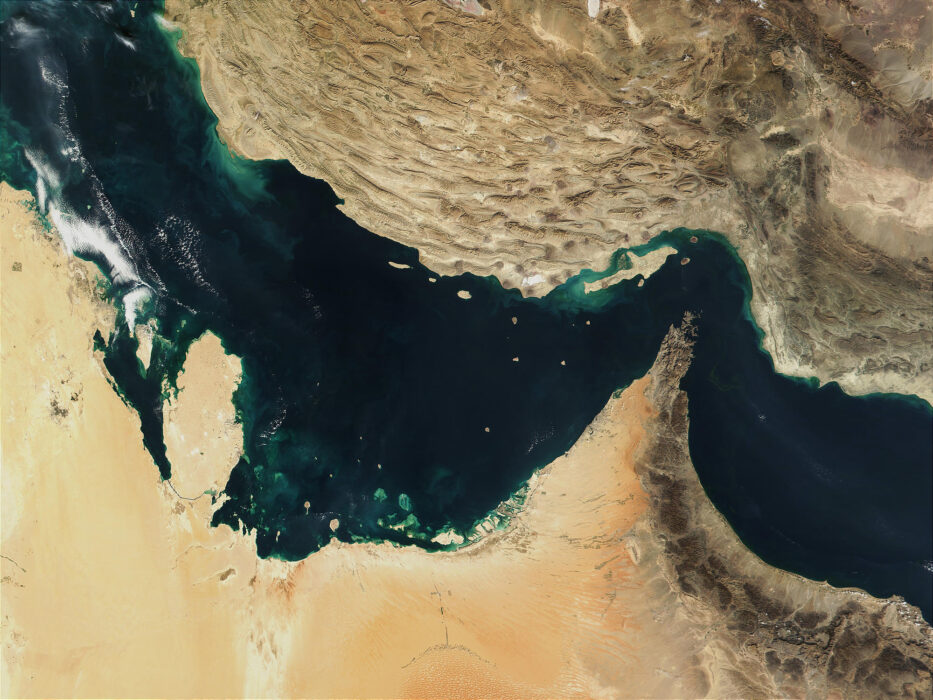
Taftan sits near the boundary where the Arabian Plate collides with the Eurasian Plate, a region known for geological stress and crustal adjustments. This tectonic setting can influence volcanic behavior by facilitating magma movement or creating pathways for molten rock.
Because tectonic forces also cause uplift independent of magma, scientists must analyze multiple data sources to determine what exactly is happening beneath Taftan. The combination of tectonic stress and new deformation makes the volcano’s current behavior more intriguing and complex.
5. No Confirmed Eruption Risk—Yet
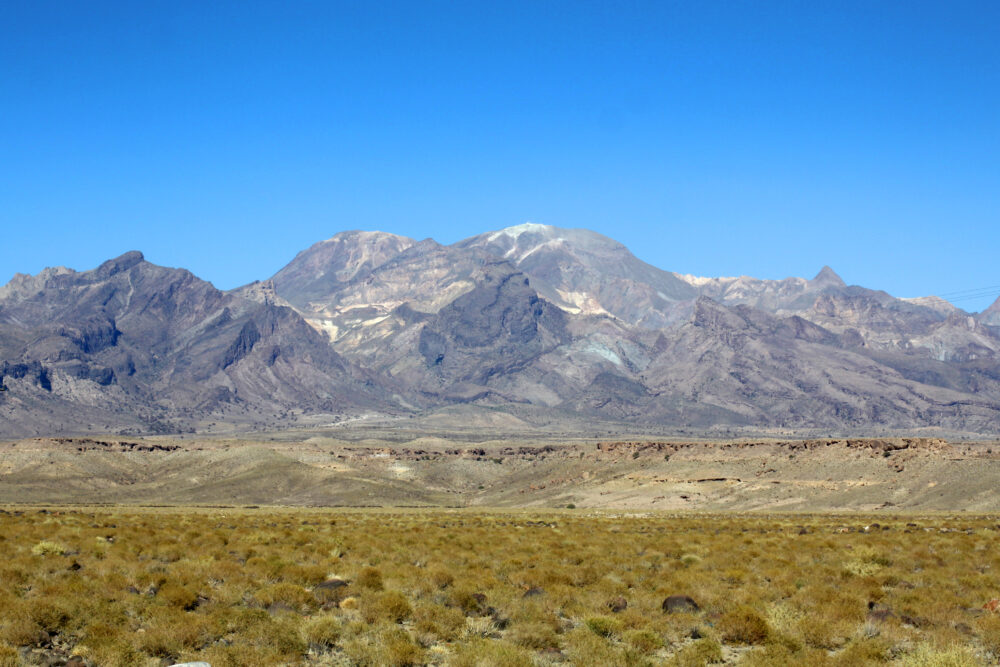
Despite the dramatic uplift, scientists emphasize there is no confirmed sign that Taftan is preparing to erupt. Many volcanoes experience deformation episodes without producing an eruption, especially those that have been dormant for long periods. The data indicates change, not immediate danger.
Still, Taftan’s history and long dormancy mean researchers cannot rule out future activity. Monitoring will continue as experts track ground movement, gas emissions, temperature changes, and seismic signals to build a clearer picture of the volcano’s state.
6. Recent Eruptions From Similar Volcanoes Are Rare
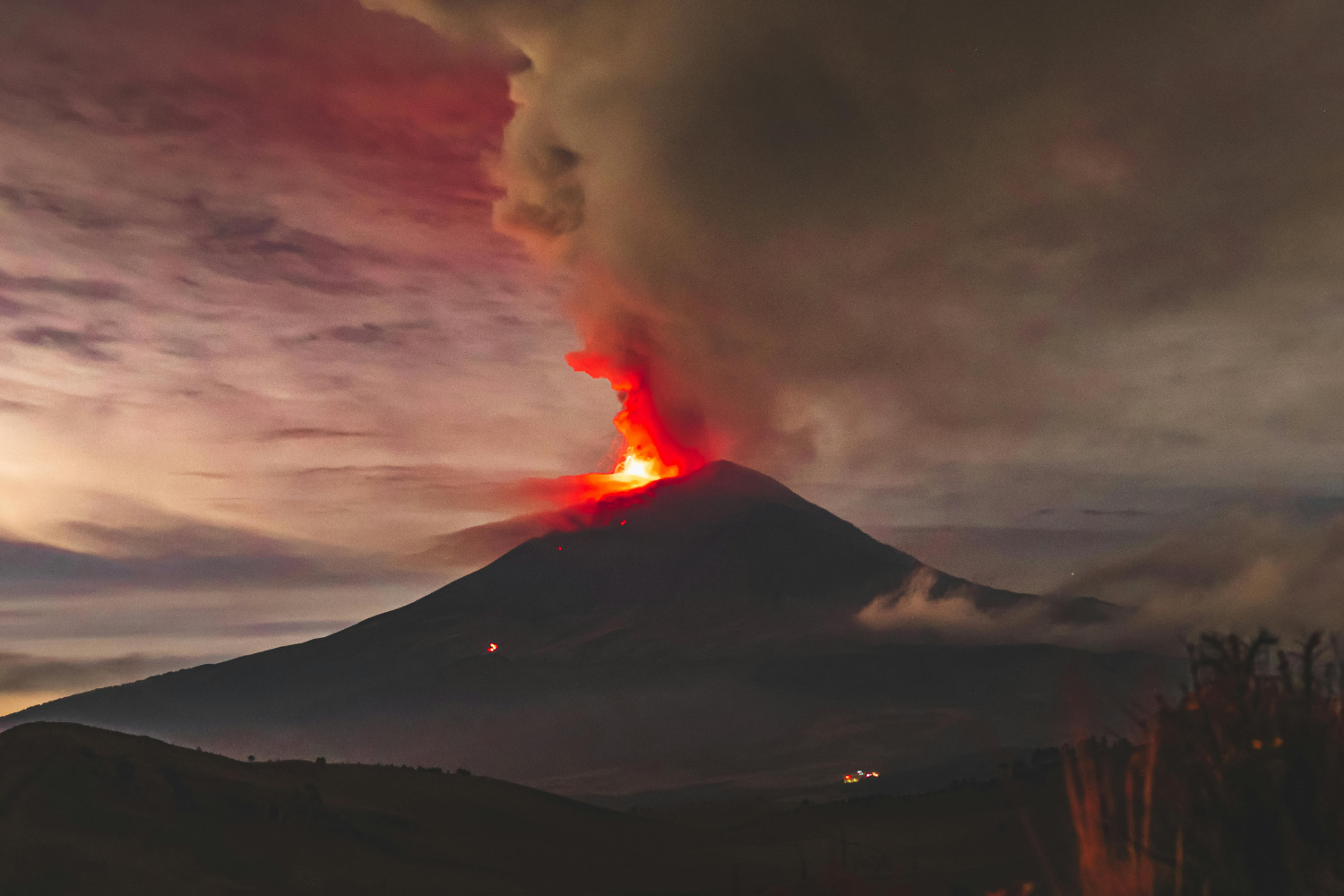
Volcanoes dormant for hundreds of thousands of years rarely resume eruptive activity, but it has happened elsewhere on Earth. In some cases, uplift precedes small eruptions or steam-driven events rather than major lava flows. Scientists use these analogs to guide their interpretation of Taftan’s behavior.
Taftan’s remote and sparsely populated location means few historical observations exist. This lack of recent activity makes it challenging to predict what uplift might signal, creating a greater need for modern technology to fill the knowledge gap.
7. Ground Deformation Is a Valuable Early Warning Sign
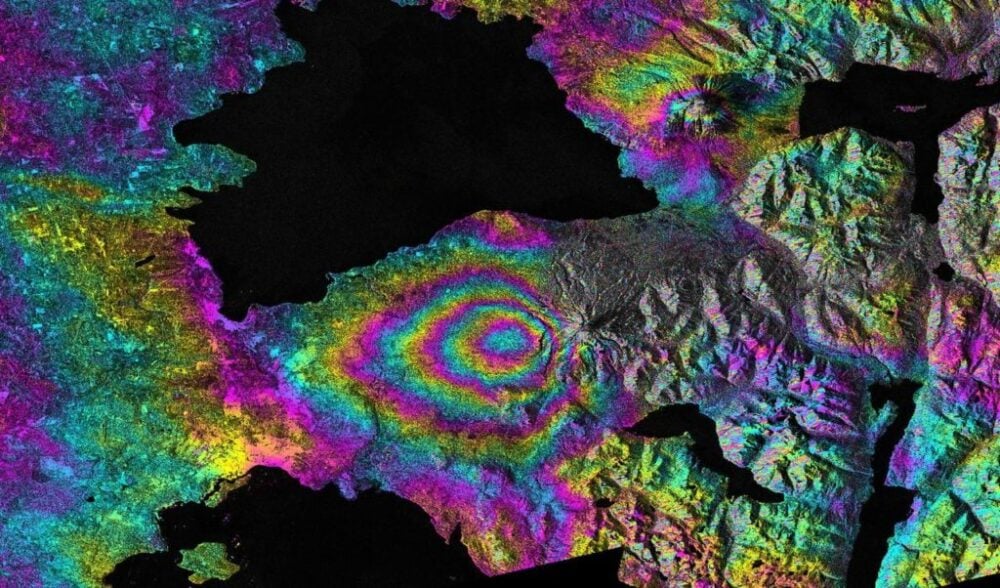
Volcano monitoring relies heavily on detecting small changes before visible activity occurs. Ground uplift is one of the earliest and most reliable indicators that internal conditions are shifting. Taftan’s uplift provides scientists with a rare opportunity to study a long-dormant system entering a new phase.
These early signs help determine whether a volcano is re-pressurizing or undergoing natural cycles of settling and shifting. Understanding Taftan’s deformation will contribute to broader knowledge about how ancient volcanic systems behave after long periods of silence.
8. Local Communities Could Be Affected by Future Activity

Although Taftan is located in a relatively remote region, several towns and nomadic populations live within reach of potential volcanic hazards. An eruption—even a moderate one—could disrupt travel, water sources, and air quality. Wind-carried ash could impact surrounding areas depending on the scale of activity.
Authorities may need to update hazard assessments if continued monitoring shows increasing signs of unrest. Awareness and preparedness are essential in regions with reawakening volcanic systems, even when the risk remains uncertain.
9. Taftan Has a History of Steam and Gas Activity

While Taftan has not produced a confirmed eruption in hundreds of millennia, it is not entirely lifeless. Fumaroles—vents emitting steam and gas—exist near its summit, indicating lingering heat underground. These features are common in dormant volcanoes and suggest that Taftan retains at least some internal thermal activity.
The combination of fumaroles and new uplift may point to renewed magmatic processes rather than isolated gas emissions. Scientists will continue evaluating whether the two phenomena are connected.
10. New Monitoring Efforts Are Already Underway
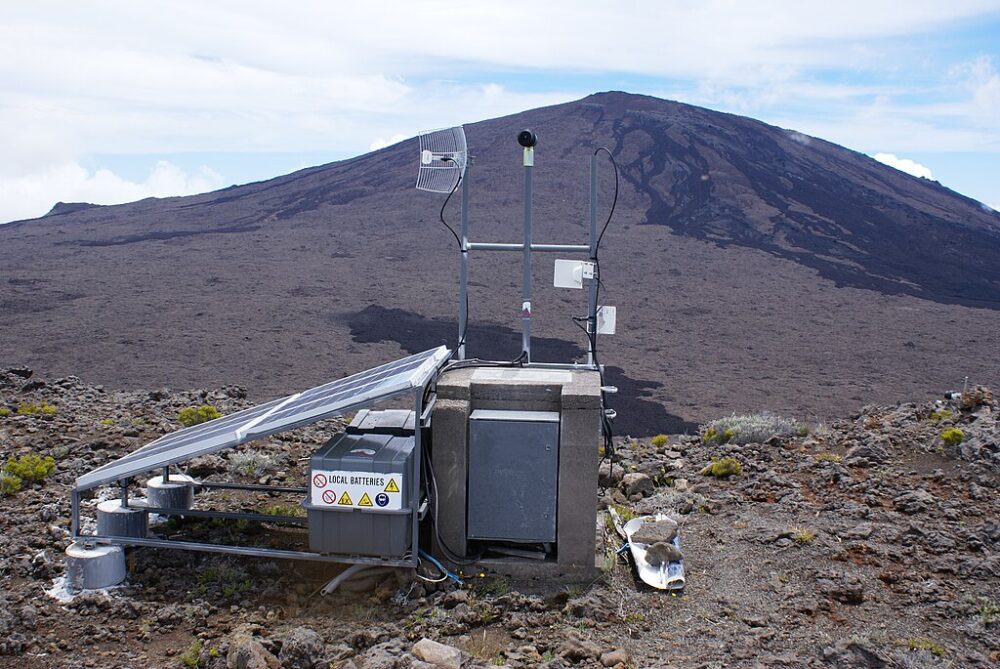
The recent uplift has prompted researchers to expand monitoring around Taftan. Satellite radar will continue to track deformation, and ground-based instruments may be added to measure seismicity, temperature, and gas composition.
These monitoring efforts are crucial for interpreting Taftan’s behavior. If the uplift accelerates or additional warning signs appear, scientists will be able to alert authorities early. For now, the goal is to build a more complete dataset on a volcano that has been quiet for geological ages.
11. The Uplift Helps Scientists Understand Dormant Volcanoes
Studying rare uplift events at long-dormant volcanoes provides valuable insight into how volcanic systems evolve over time. Taftan offers a unique window into the reawakening processes that may occur after hundreds of thousands of years of inactivity.
Information gathered from Taftan will help researchers refine models of magma movement, dome swelling, and crustal deformation. These insights may improve forecasting at other dormant volcanoes around the world that could experience similar changes.
12. The Findings Highlight the Value of Satellite Surveillance
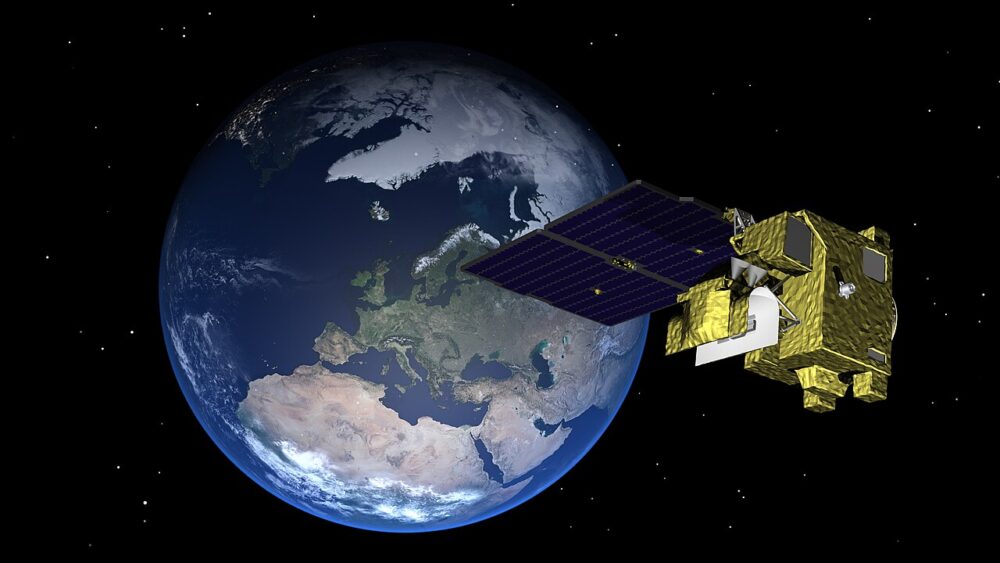
Without orbiting satellite technology, Taftan’s sudden uplift may have gone completely unnoticed. Modern radar instruments can track tiny ground shifts with remarkable accuracy, making them essential tools for monitoring remote or inaccessible volcanoes.
As Taftan continues to change, satellites will play a key role in detecting new movement and predicting how the volcano may evolve. The discovery demonstrates how technology can reveal geological changes that otherwise remain hidden, strengthening global volcanic monitoring efforts.