
Australia’s solar boom is now creating daily windows of free electricity for millions of people.
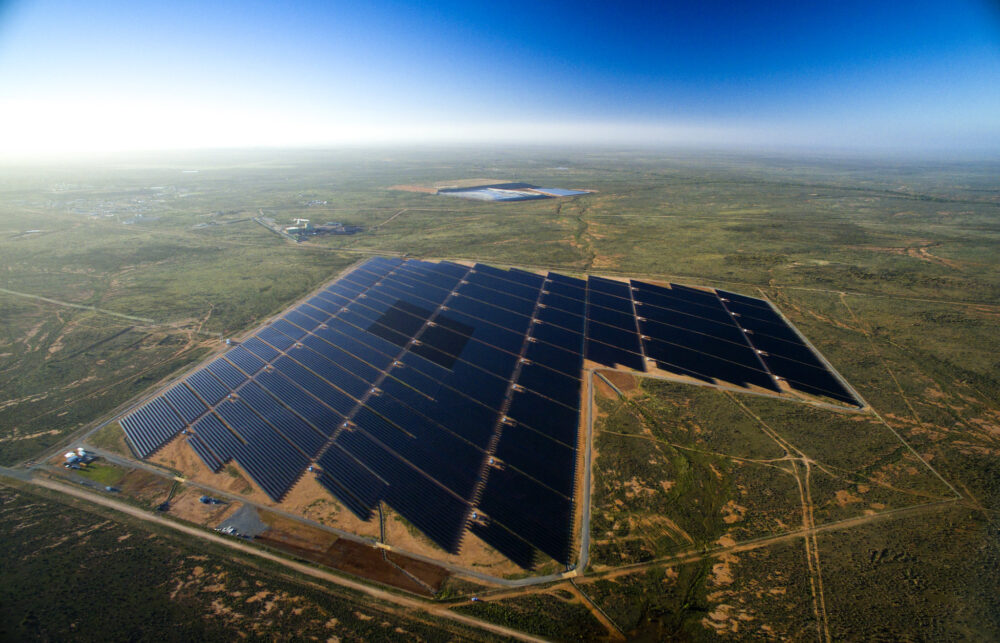
Australia is experiencing a solar boom so large that electricity demand in the middle of the day often drops to record lows. With millions of rooftop solar systems feeding excess power into the grid, utilities have begun offering free daytime electricity to help soak up the surplus. In some regions, customers can now use at least three hours of no-cost power every afternoon. This shift shows how quickly solar is reshaping the country’s energy market.
1. Solar Output Has Grown Faster Than Expected

Australia now has one of the highest rates of rooftop solar adoption in the world. More than three million households generate their own power, and total solar capacity continues to rise each year. As a result, the grid regularly receives more daytime energy than it can use, especially during sunny weather.
This surplus drives wholesale electricity prices close to zero. Because storing so much excess power is difficult, utilities increasingly rely on incentives like free electricity windows to encourage consumers to use more power during peak solar hours.
2. Daytime Demand Is Dropping to Record Lows

With so many homes producing their own electricity, grid demand plummets during the middle of the day. These drops are even more dramatic when mild temperatures reduce the need for heating or cooling, leaving the grid with large amounts of unused solar energy.
Grid operators now see these low-demand periods frequently. Since the cost of wholesale electricity often dips near zero at these times, retailers can offer free power without losing money, helping balance the grid while keeping customers satisfied.
3. Free Electricity Windows Are Becoming Common

Some electricity retailers are now offering customers at least three hours of free power every afternoon. These free-use periods help shift appliances, charging, and household tasks into the hours when the grid is flooded with solar energy.
The strategy benefits homeowners and renters alike. Even individuals without rooftop solar panels can take advantage of the free hours, making the benefits of Australia’s solar growth accessible to more people.
4. Utilities Use Free Power to Protect Grid Stability

Large surges of solar energy can strain the grid if supply dramatically exceeds demand. Free electricity windows help prevent this imbalance by encouraging people to consume more energy when production is highest.
By shifting usage into solar-heavy periods, utilities reduce the need to curtail excess generation. This approach helps avoid operational stress on the grid while lowering overall system costs.
5. Batteries Alone Cannot Absorb All the Extra Energy

Home batteries are gaining popularity, but their growth has not kept pace with the massive increase in solar production. Even utility-scale batteries cannot yet store all the surplus daytime power generated across the country.
Because storage lags behind generation, offering free electricity becomes an effective way to quickly use excess energy. Until large-scale storage expands, free power windows remain one of the most practical tools for managing midday oversupply.
6. The Solar Surge Is Changing How People Use Electricity

As Australians learn they can use free electricity during certain hours, many shift their laundry, dishwashing, and appliance use into those periods. This behavior helps flatten demand curves and improves grid efficiency.
The result is a more flexible and responsive energy system. Over time, these habits may permanently change how households plan their daily routines around abundant daytime solar.
7. Retailers Gain Customers Through Free Power Offers
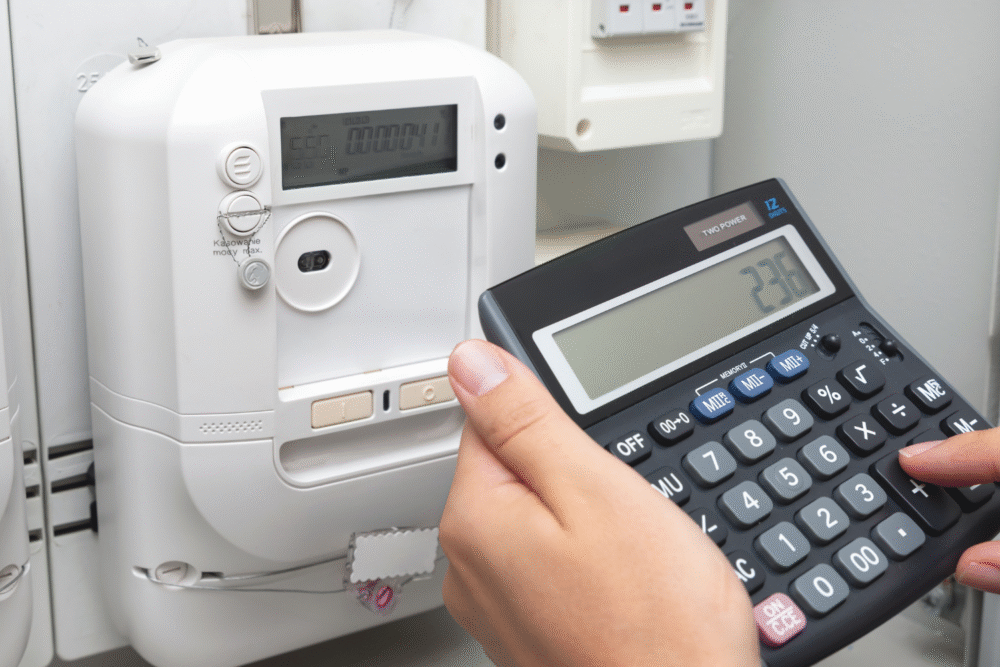
Energy companies offering free electricity windows are attracting new customers looking to lower their bills. These promotions create competition among retailers and encourage more people to explore solar-friendly plans.
Since the cost of wholesale electricity is often extremely low during these hours, retailers can offer free power without significant financial risk, making the offers appealing for both customers and companies.
8. Renters Benefit Even Without Installing Solar

Historically, solar savings were most accessible to homeowners who could install rooftop panels. Free electricity windows change that dynamic by allowing renters to enjoy lower bills without owning any solar infrastructure.
This expanded accessibility helps distribute the benefits of Australia’s renewable transition more evenly across households, regardless of income or property ownership.
9. Excess Solar Reflects a Major Shift in Australia’s Energy Mix

Australia’s energy market has changed rapidly over the past decade. Solar now represents a significant share of daytime electricity, outpacing traditional energy sources during peak hours.
This transformation highlights how quickly renewable energy can reshape national grids. It also demonstrates that challenges once considered far-off — like too much solar — are now part of daily operations.
10. Policymakers Are Watching the Trend Closely

The rise of free electricity windows points to emerging questions about grid design, energy pricing, and long-term planning. Policymakers are examining how to support solar growth while maintaining stability across Australia’s energy network.
As solar adoption continues, officials may consider new incentives, storage investments, or market adjustments to keep pace with rising renewable output and evolving consumer behavior.
11. Australia’s Solar Future Could Influence Global Energy Trends

Countries around the world are monitoring Australia’s experience as a preview of what may happen when solar adoption becomes widespread. Australia’s challenges and solutions offer valuable insight for regions planning their own renewable expansions.
If current trends continue, free electricity windows may become a model for managing surplus renewable energy elsewhere. Australia’s approach shows how rapid solar growth can create unexpected opportunities for consumers and energy providers alike.