
New research shows why predicting the future of humanity is far more complicated than it seems.
Scientists agree that humans are still evolving, but predicting what comes next has become nearly impossible. Modern life has created a mix of powerful forces that shape our future in unpredictable ways, from global travel and technology to shifting environments and medical advances. Researchers say these overlapping factors make it harder than ever to forecast how our species will change. Instead of a clear path forward, human evolution now appears to be a moving target influenced by countless variables.
1. Human Evolution Has No Set Direction

Scientists emphasize that evolution does not follow a planned path or predictable pattern. It is driven by random genetic changes and shifting environmental pressures, both of which can vary widely over time. Because there is no built-in goal for what humans “should” become, there is no way to map out a future version of our species.
Researchers say this uncertainty is built into the process itself. Natural selection responds to whatever challenges exist in each moment, making long-term forecasting extremely unreliable.
2. Natural Selection Now Works Differently Than It Once Did

In the past, early humans were shaped mostly by survival challenges such as food scarcity, predators, or climate extremes. Today, medical advances and healthcare allow many people with conditions once considered life-limiting to thrive and pass on their genes.
This shift changes which traits are inherited and which are not. Because modern societies alter survival pressures in unpredictable ways, scientists cannot determine which traits will matter most for future human generations.
3. Technology Dramatically Alters Evolution’s Course

Technology influences nearly every part of modern life, from how we communicate to how we treat illnesses. These tools reduce many traditional evolutionary pressures and introduce new ones that did not exist before.
For example, glasses, surgeries, and corrective treatments allow people to overcome limitations that once affected reproductive success. Since technological change happens rapidly and unevenly across cultures, researchers cannot predict how these innovations will influence human evolution over thousands of years.
4. Global Movement Mixes Human Populations at High Rates

Humans now travel, migrate, and intermix at a scale unprecedented in our history. This blending increases genetic diversity and spreads traits across continents in ways that are impossible to predict far in advance.
Scientists point out that gene flow between populations reduces the likelihood of isolated evolutionary paths. Because modern mobility is influenced by shifting politics, economics, and climate patterns, forecasting genetic trends becomes even more challenging.
5. Cultural Shifts Shape Human Behavior in Unexpected Ways

Culture influences who people partner with, how families are formed, and which traits are valued in society. These choices affect which genes are passed on to future generations.
But culture changes far faster than biology. Trends in health, family size, lifestyle, and education move unpredictably across decades, not millennia. Since cultural evolution is rapid and unstable, it makes biological evolution even harder to anticipate.
6. Environmental Pressures Are Constantly Changing
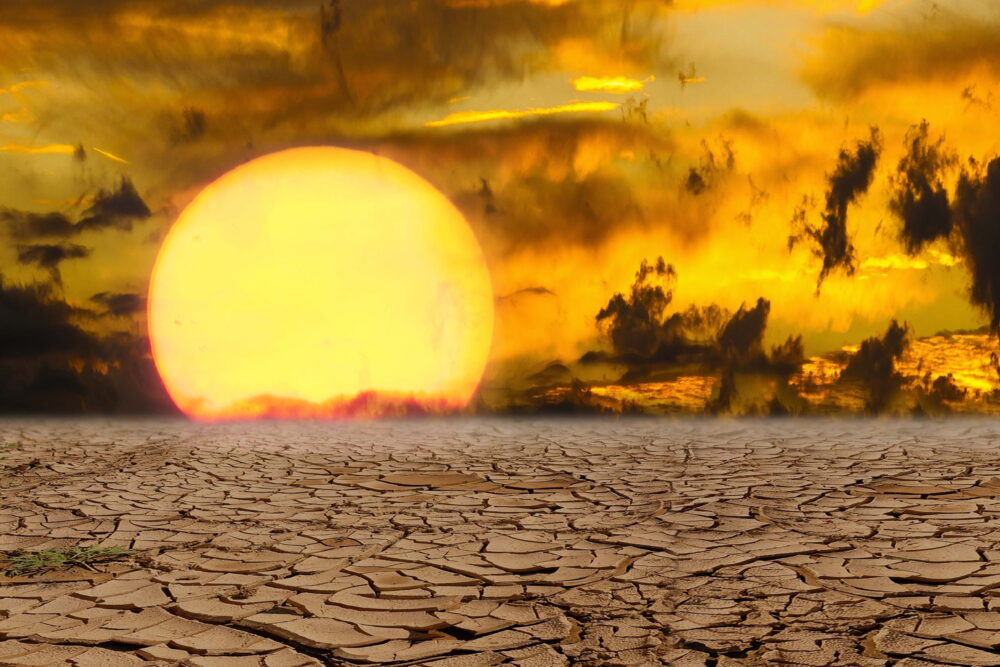
Human evolution has always been shaped by climate, disease, food availability, and ecological changes. But today, environmental conditions are shifting rapidly. Climate change, pollution, and habitat loss create stressors that vary widely by region.
Because no scientist can foresee exactly how environments will change or which pressures will dominate, it is impossible to predict which human traits will become more or less advantageous over long periods.
7. Random Mutations Cannot Be Forecast

Genetic mutations occur naturally and randomly in every generation. While most have no effect, some create new traits that can influence survival or reproduction. These mutations are a major driver of evolution.
However, scientists cannot predict which mutations will occur, how frequently they will appear, or whether they will provide an advantage. This randomness means the future direction of human evolution can never be mapped with certainty.
8. Gene Editing Could Alter Evolution in Unpredictable Ways

Advances in gene editing, such as CRISPR, allow scientists to modify DNA directly. While these technologies show promise for treating diseases, their long-term impact on human evolution is unknown.
Experts caution that if gene editing becomes widespread, it could influence which traits appear in future generations. But because adoption, regulation, and public attitudes vary globally, no one can predict how these tools will shape humanity over time.
9. Modern Life Reduces Traditional Selective Pressures

Many threats that shaped early human evolution no longer pose the same risks. Access to clean water, stable food supplies, and medical treatment reduces deaths from causes that once influenced genetic trends.
With fewer consistent selection pressures acting across generations, evolution becomes harder to model. Scientists say that without clear and stable pressures, predicting long-term biological outcomes becomes nearly impossible.
10. Population Size Makes Evolution More Complex
Humans now number more than eight billion, which increases genetic variation and introduces countless combinations of traits. Large populations evolve differently from small, isolated groups because new traits spread much more slowly.
This vast genetic diversity creates many possible future pathways. With so many potential outcomes, researchers cannot pinpoint which changes are most likely to shape our species in the long run.
11. All Evidence Shows Evolution Will Continue, But Its Path Is Unknown
Scientists agree that humans will continue to evolve, just as every species does. Genes will change, populations will shift, and new traits will appear over generations.
But because evolution depends on unpredictable factors such as environment, culture, technology, and random mutations, its future course cannot be mapped. Researchers say the only certainty is that humans will keep changing, though exactly how remains beyond scientific prediction.