
Three powerful clues reveal how scientists know evolution really happened.
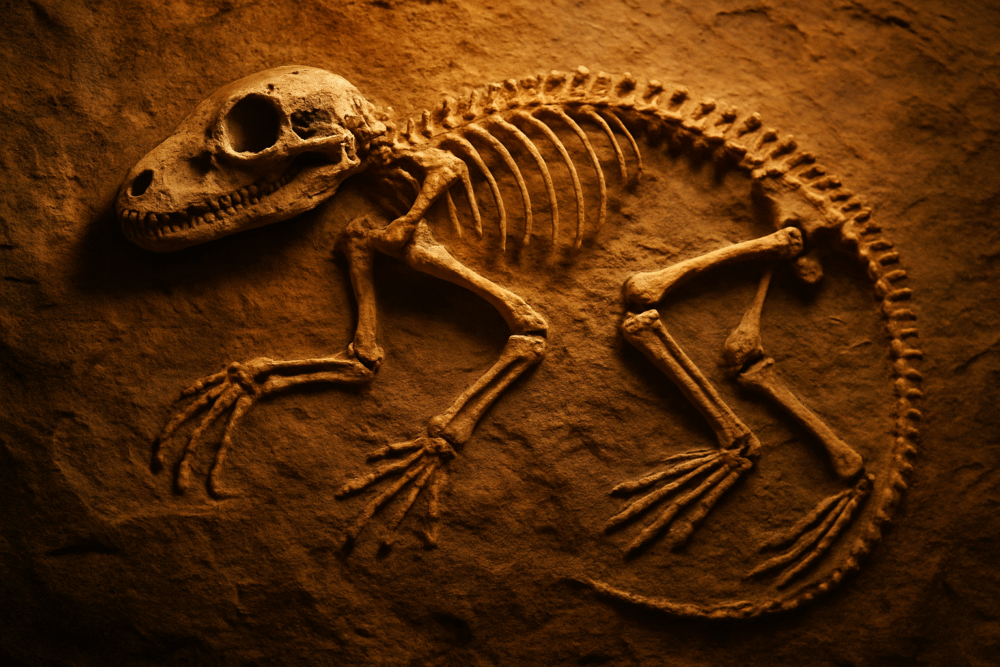
If you have ever wondered how scientists know evolution actually happened, the answer is simpler and more surprising than most people think. Researchers have gathered several powerful lines of evidence that all point to the same conclusion, and each one offers a different window into how life has changed over millions of years. When these findings are put together, they tell a clear and compelling story about how species came to be—and why the science behind evolution is so convincing.
1. Scientists Use Deep Time to Trace How Life Has Changed

Researchers rely on evidence that stretches back millions of years to understand how species developed and diversified. By examining patterns preserved in Earth’s history, scientists can track broad shifts in ancient life and compare them to what we see today. These long-term records reveal changes that are too gradual to witness in a single human lifetime.
This perspective helps scientists identify major transitions that shaped the living world. When evidence from different time periods aligns, it creates a consistent, verifiable picture of how species evolved and why certain traits survived.
2. Ancient Clues Show How Early Life Forms Differed From Modern Ones
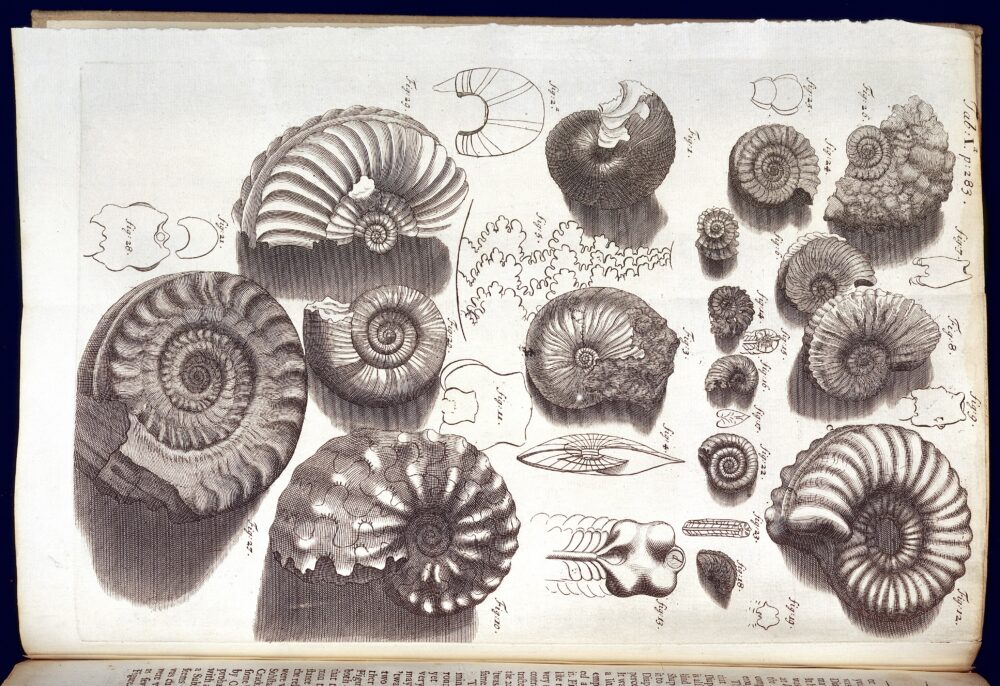
The remains of long-extinct organisms reveal forms and features no longer found today. These ancient clues show that life looked very different in the past, and they help researchers identify patterns that link old species to modern ones. Each discovery adds another piece to the timeline of how organisms changed.
By comparing older fossils with younger ones, scientists can see gradual shifts in size, structure, and function. These changes accumulate over millions of years, demonstrating how species branched, adapted, and sometimes disappeared entirely.
3. Transitional Forms Reveal the Steps Between Major Groups
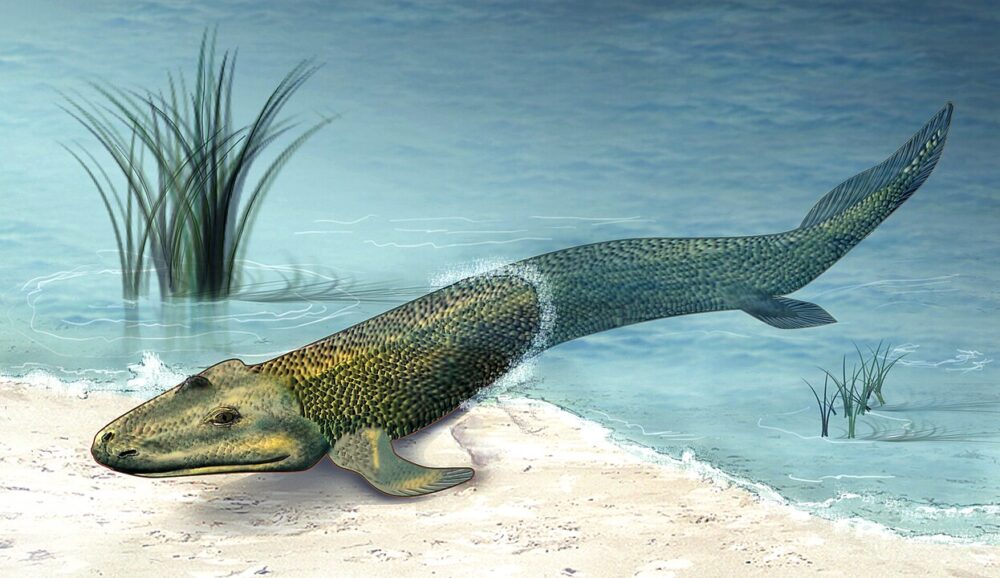
Some fossils show traits that sit between two major categories of organisms, offering clear snapshots of evolutionary change. These transitional forms display features from both earlier and later species, revealing how large shifts unfolded across generations.
Scientists study these fossils to understand how major adaptations appeared, such as limbs used for walking or wings used for flight. Each transitional species documents a small step in a much larger process, illustrating how complex changes occur gradually rather than all at once.
4. Shared Structures Point to Common Ancestry
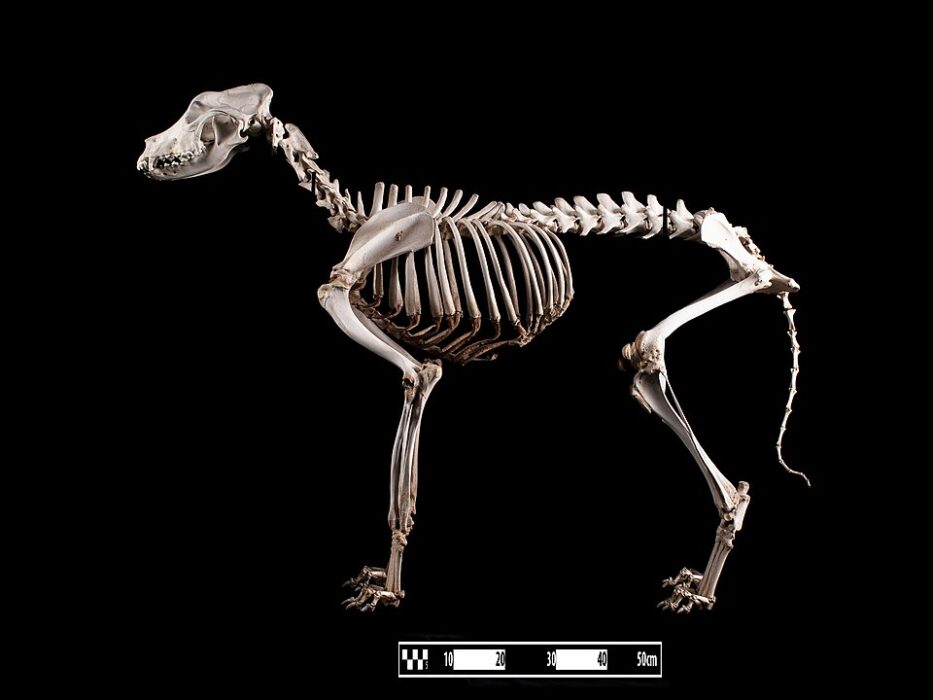
Many animals share similar body structures even when they live very different lives. These repeating patterns appear in bones, organs, and developmental stages. The similarities are strongest among species that are closely related, suggesting they inherited these traits from a shared ancestor.
Scientists compare these structures to reveal the branching relationships among different groups. The more features they share, the more recently they diverged. This method has helped researchers build detailed evolutionary family trees that explain how species are connected over time.
5. Small Variations in Traits Show How Species Adapt
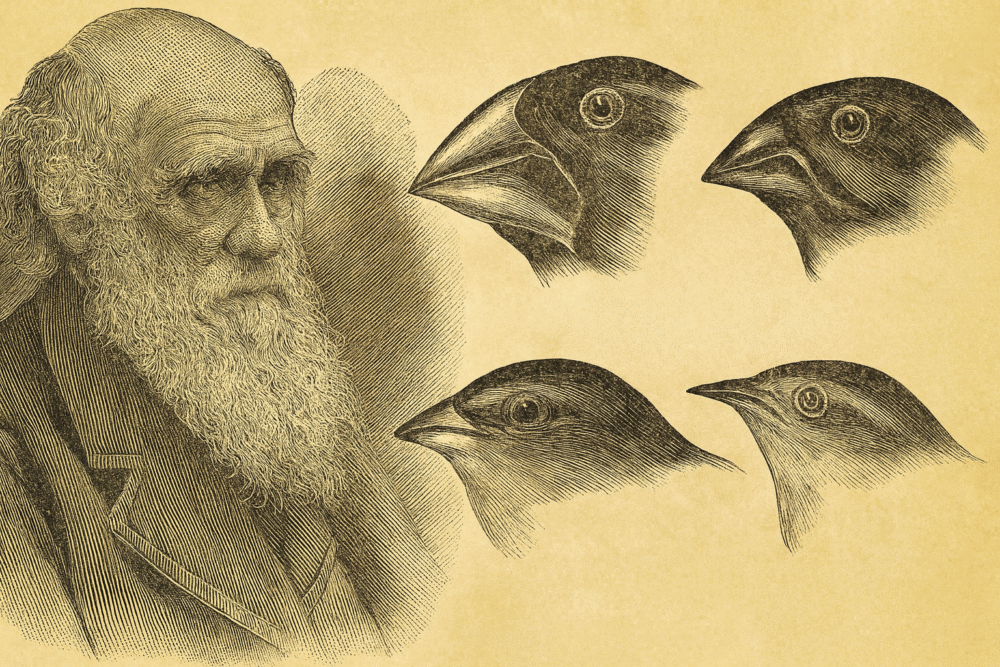
In every population, individuals differ slightly in size, color, behavior, or other traits. Some of these differences improve survival, while others offer little advantage. Over thousands of generations, the most helpful traits become more common as organisms with them are more likely to reproduce.
This process, known as natural selection, can be observed in real time. Changes in finch beaks, insect coloration, and bacteria’s ability to resist antibiotics all show how species continue to evolve today through small, steady shifts.
6. Geographic Patterns Reveal How Species Spread and Change
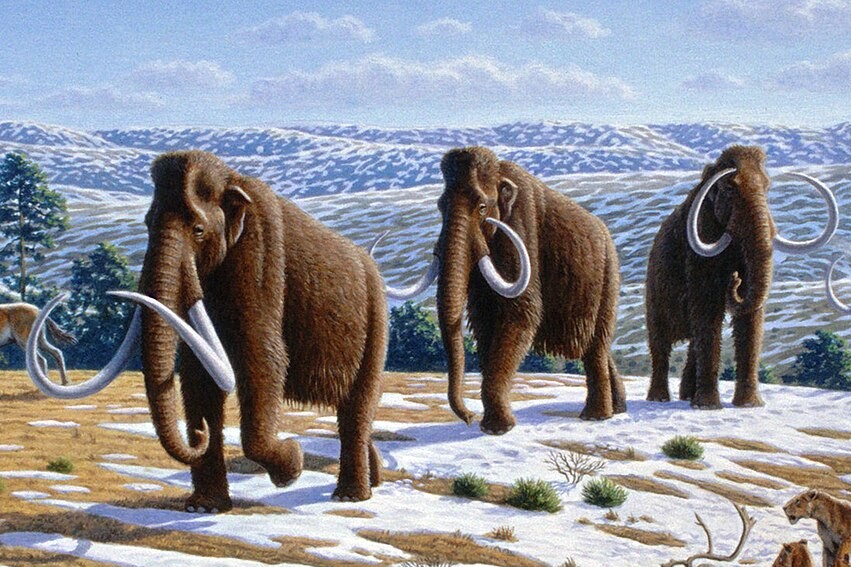
Where species live often provides clues about how they evolved. Similar animals or plants are frequently found in regions that were once connected, while distant areas host organisms with entirely different histories. These geographic patterns help scientists track how species moved and diversified.
Isolated environments, such as islands, create especially strong examples. Species on islands often evolve unique traits because they adapt to conditions unlike those on the mainland. These differences support the idea that evolution depends heavily on environment and opportunity.
7. DNA Offers a Precise Record of Ancestry

Genetic evidence allows scientists to compare the DNA of different organisms to reveal how closely they are related. Species with more similarities in their genetic code share a more recent common ancestor, while those with larger differences split off earlier.
This method has confirmed relationships suggested by fossils and anatomy while also uncovering new ones. DNA comparisons are now one of the strongest tools scientists use to map evolutionary history and understand how traits developed at the molecular level.
8. Mutations Provide Raw Material for Evolution4

Mutations are small, natural changes in DNA that occur over generations. Most have little effect, but some can alter traits in ways that help individuals survive and reproduce. When helpful mutations spread, they become part of a species’ long-term characteristics.
Scientists have documented mutations responsible for new traits in plants, animals, and microbes. These genetic changes show how evolution can introduce variations that lead to new abilities, appearances, or behaviors, shaping species over time.
9. Observing Evolution in Action Strengthens the Evidence
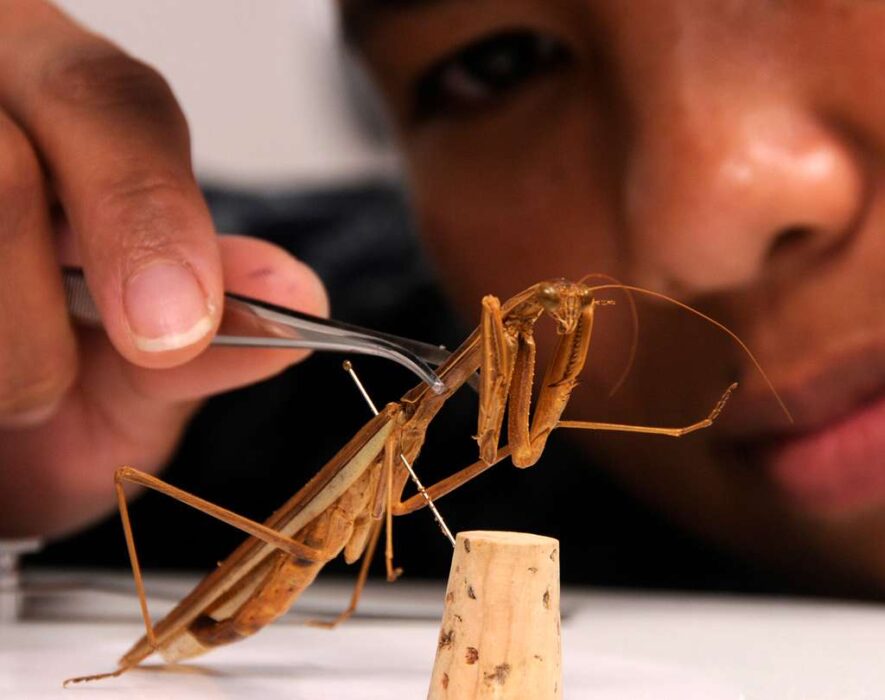
Researchers have watched species change within just a few generations, especially in organisms that reproduce quickly. Examples include insects developing pesticide resistance and viruses modifying their structures to survive. These rapid changes demonstrate how evolution continues today.
Although these shifts are small compared to ancient transitions, they follow the same principles that shaped life in the distant past. Seeing evolution occur in real time helps confirm long-term patterns found in fossils, anatomy, and genetics.
10. Multiple Evidence Types Tell the Same Story
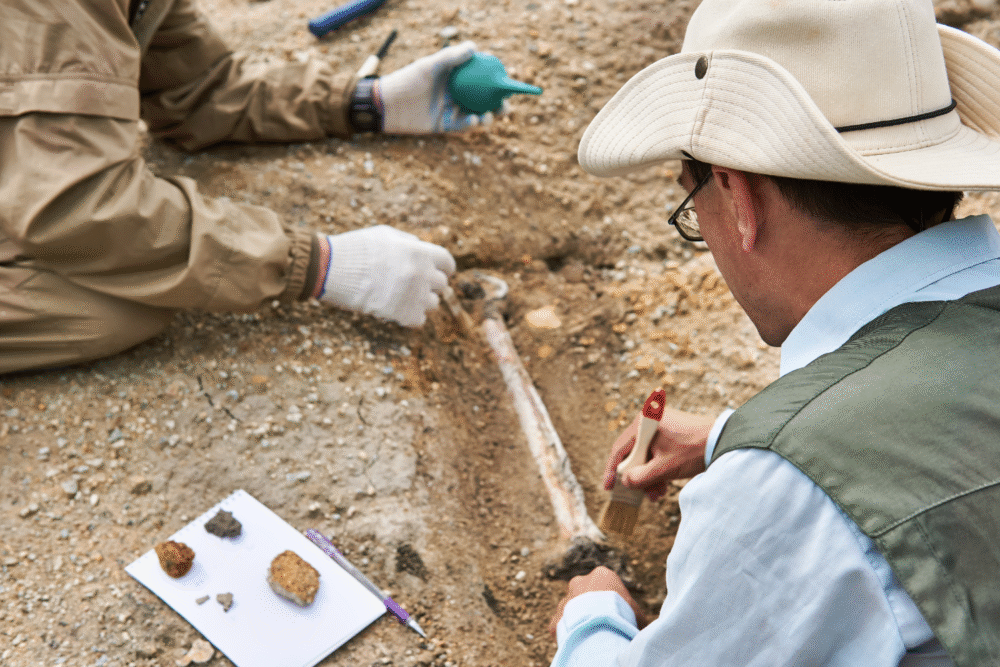
The strongest support for evolution comes from the fact that different scientific fields reach the same conclusion. Fossils, anatomical studies, geographic patterns, and genetic data all align to show how species have changed through time.
When independent lines of evidence point to the same history, the case becomes exceptionally strong. This agreement across disciplines is why scientists consider evolution one of the most well-supported explanations in all of biology.