
Human ancestors once dwindled to a tiny surviving group according to new research that reveals a near extinction event.
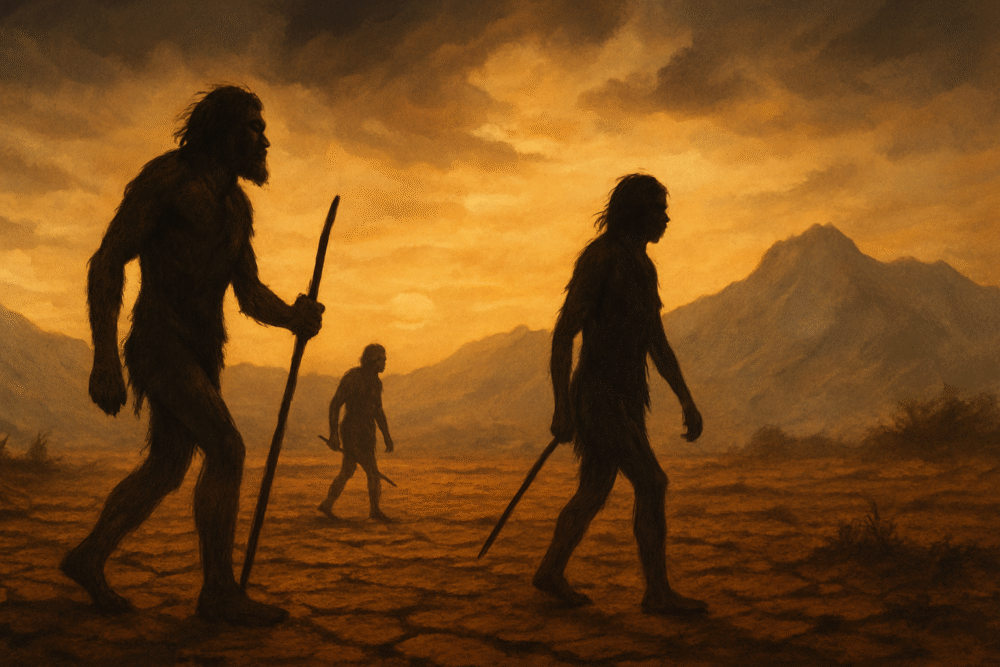
Our human story may have nearly ended before it truly began. Genome researchers from the Chinese Academy of Sciences analyzed modern DNA and uncovered evidence that our ancient ancestors experienced a dramatic population crash about 900,000 years ago. Their findings suggest the number of breeding individuals may have fallen to around 1,300 for nearly 117,000 years. During this long crisis, shifting climates and shrinking habitats pushed early humans to the brink. The survival of this tiny group ultimately shaped the genetic foundation of all modern people.
1. The Discovery That Revealed a Massive Population Crash

Scientists uncovered evidence for a dramatic human population collapse by examining genetic patterns preserved in modern DNA. Using advanced modeling techniques, they traced a sudden reduction in ancestral numbers to about 900,000 years ago. During this long bottleneck, the total number of breeding individuals dropped to roughly 1,300, far smaller than experts once believed.
This finding surprised researchers because such an extreme collapse leaves distinct signatures in DNA. The discovery shows that early humans survived environmental pressures that were far more intense and long lasting than previously understood.
2. A Global Climate Shift Pushed Early Humans Toward Extinction

During the bottleneck period, Earth entered a major cooling phase that dramatically altered early human environments. Expanding ice sheets, lower global temperatures, and shifting rainfall patterns reshaped ecosystems, leaving fewer stable places to find food and shelter.
These climate changes reduced the availability of plants and animals that early hominins depended on. As resources dwindled, population sizes dropped sharply. Scientists believe only groups living in regions with relatively mild conditions were able to survive this long and difficult climate transition.
3. Shrinking Habitats Put Severe Pressure on Survival
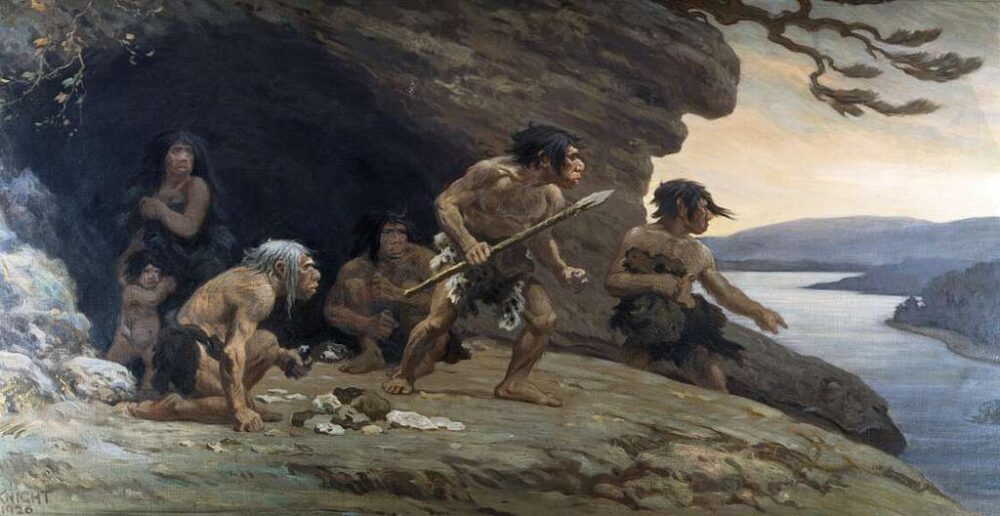
As global temperatures fell, many of the forests, grasslands, and wetlands that supported early humans began to disappear. With habitats shrinking, hominin groups were forced into smaller territories with fewer resources to share.
Crowding into limited safe zones created intense competition for food and water. Groups unable to adapt quickly to new environments faced the highest risk of extinction. Over time, only small pockets of humans living in more stable areas remained, contributing to the severe reduction in population size.
4. Environmental Instability May Have Created Repeated Crises
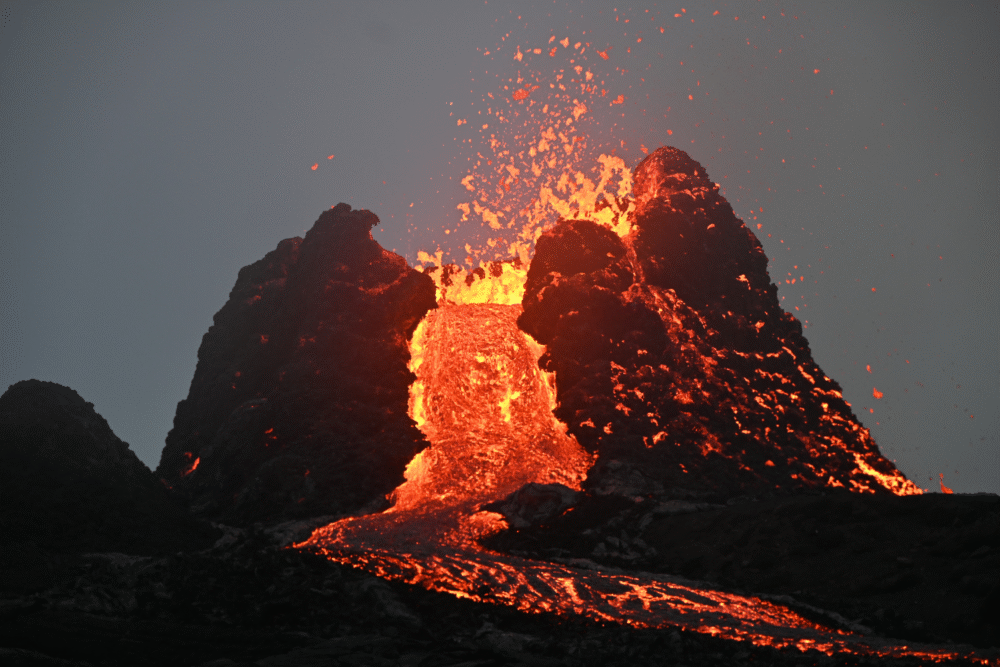
Researchers think the population collapse was not caused by a single event but by long periods of environmental instability. Volcanic eruptions, changing sea levels, and rapidly shifting weather patterns likely compounded existing climate pressures.
Each additional disruption would have made survival even more difficult for early humans already struggling with food scarcity. These repeated stresses could have created cycles of decline that weakened populations further, contributing to the extremely small number of surviving ancestors.
5. Long Drought Periods Intensified Food and Water Shortages
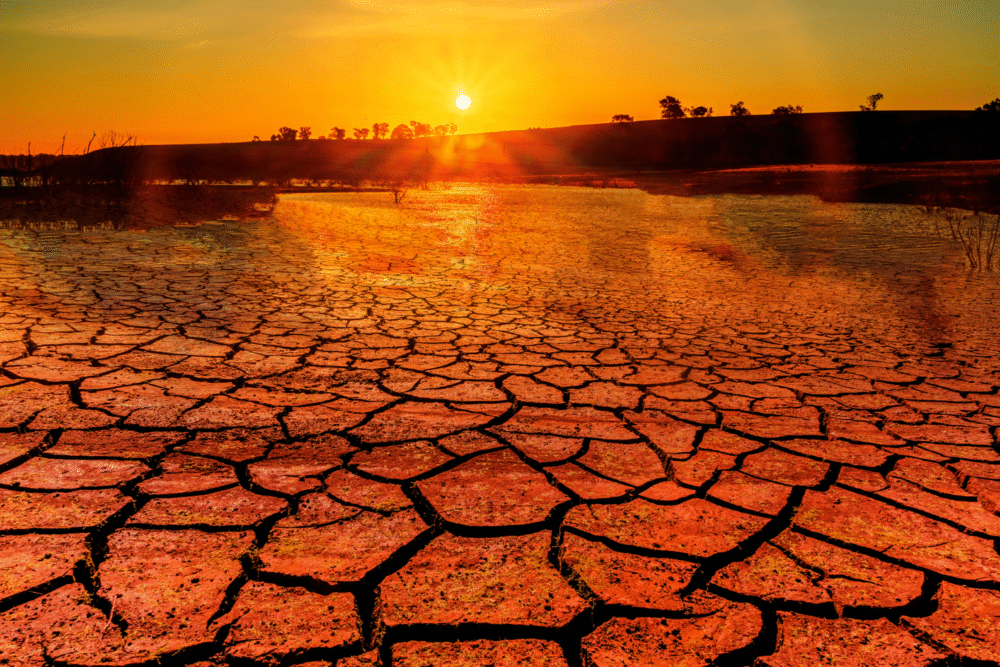
Evidence suggests that many regions experienced extended droughts during this time. Lakes and rivers shrank, vegetation declined, and animal populations moved or died off, removing essential food sources for early humans.
Living through long droughts would have forced hominins to travel greater distances in search of resources. Those unable to migrate or locate dependable water supplies faced rapid decline. Over generations, this contributed to the narrowing of surviving groups and played a major role in the prolonged population bottleneck.
6. A Few Livable Regions Became Critical Refuges

Scientists believe that scattered, resource-rich refuges allowed small populations of early humans to survive the long crisis. These areas may have offered access to fresh water, stable temperatures, and more reliable food sources than surrounding regions.
Small groups living in these safe zones had a higher chance of withstanding environmental stress. Over thousands of years, they became isolated from one another, creating the tiny ancestral population that eventually gave rise to all modern humans.
7. Recovery Took Over One Hundred Thousand Years

Genetic evidence indicates that early humans remained at extremely low numbers for nearly 117,000 years. This slow recovery suggests that environmental pressures did not ease quickly and that survival remained challenging for many generations.
Even when conditions improved, small populations grow slowly due to limited genetic diversity and fewer total births. This extended period of vulnerability shows how close our lineage came to disappearing completely before eventually rebounding into larger, more stable populations.
8. The Bottleneck Influenced the Future Course of Human Evolution
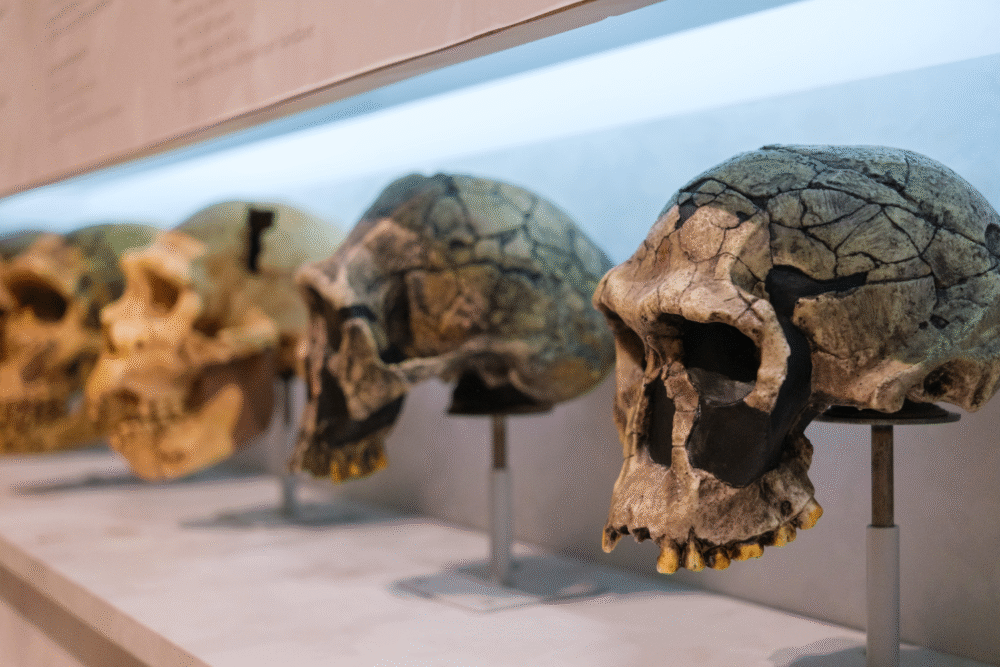
When populations are small, genetic changes can spread more easily across generations. Scientists believe this prolonged bottleneck had a significant impact on the traits that later defined modern humans.
Because only a limited group survived, their genetic characteristics shaped the future of the entire species. This may have influenced physical traits, levels of adaptability, and other biological features that helped later humans navigate challenging environments and expand across the world.
9. Some Early Human Lineages Likely Disappeared for Good

During this period, several different human lineages existed across Africa and Eurasia. The bottleneck may have caused some of these branches to vanish entirely, leaving only the most resilient groups behind.
Other lineages may have merged or interbred as shrinking habitats forced populations into closer contact. Over time, this created a smaller and more unified ancestral group whose descendants eventually became modern humans. This loss of diversity reflects how severely early hominin populations were reduced.
10. Changing Conditions Eventually Allowed Populations to Expand
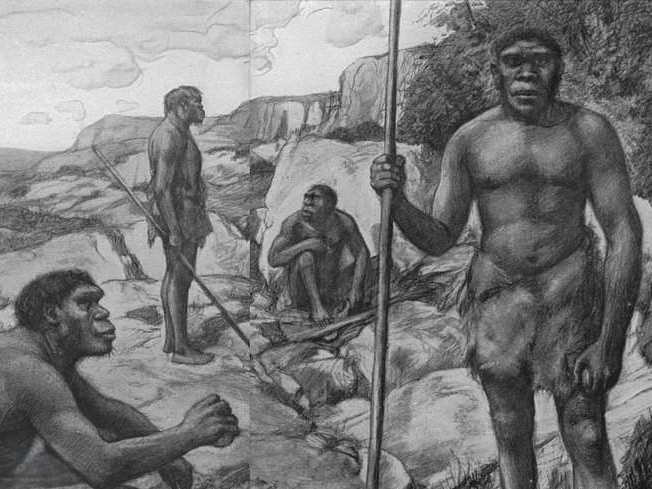
As climate patterns stabilized, ecosystems gradually recovered. Plants and animals repopulated many regions, creating opportunities for early humans to access more dependable sources of food and water.
With better conditions, surviving populations began to grow and spread into new territories. This slow expansion marked the end of the bottleneck and the beginning of a long period of evolutionary development that ultimately led to the emergence of modern humans.
11. Advanced DNA Technology Made the Discovery Possible

For decades, this massive population crash remained unknown because earlier genetic methods could not detect events so far back in time. Recent advances in computational biology allowed scientists to reconstruct ancient population sizes with far greater precision.
These tools analyze how DNA changes across hundreds of thousands of years, revealing patterns that reflect rises and falls in population. By applying these techniques, researchers identified the severe bottleneck and uncovered a missing chapter in human evolutionary history.
12. Humanity’s Survival Shows How Close We Came to Disappearing
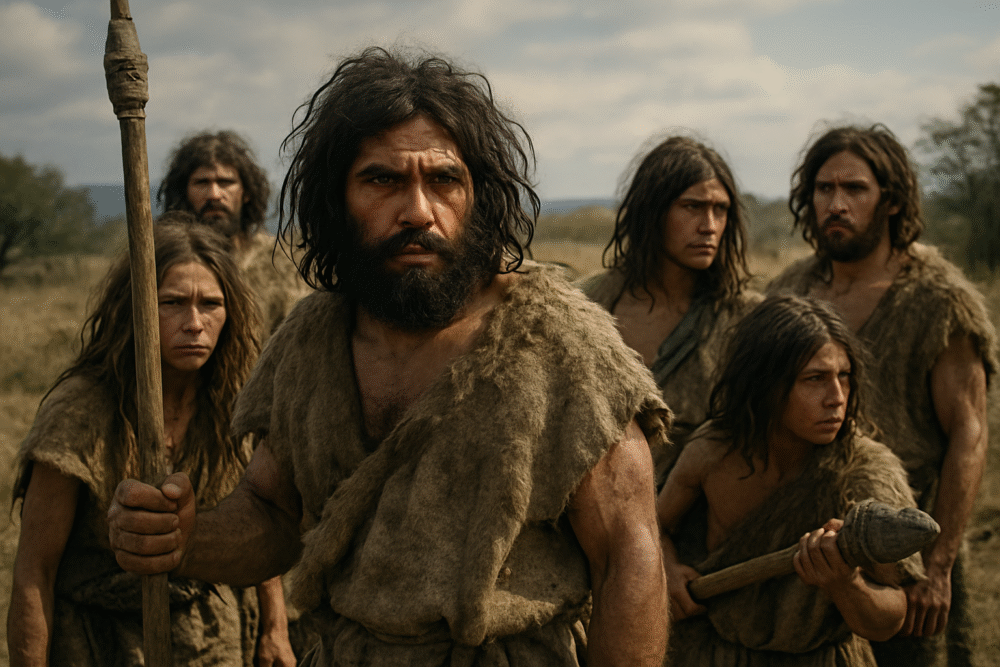
The discovery of the bottleneck highlights how fragile early human existence once was. A slight shift in environmental conditions could have erased our lineage completely.
Yet a small group managed to endure extreme hardship for thousands of generations. Their survival made every later human life possible. This remarkable chapter in our past shows how resilience, adaptation, and luck all played essential roles in the continuation of our species.