
New research suggests a near-universal virus may play a surprising role in the autoimmune disease lupus.

Nearly everyone becomes infected with Epstein–Barr virus at some point in life, usually without serious symptoms. But new research indicates this incredibly common virus may play a key role in triggering lupus, a chronic autoimmune disease that affects millions worldwide. Scientists have discovered molecular interactions showing how EBV can disrupt the immune system and potentially set the stage for autoimmunity. While the virus alone does not cause lupus, the emerging connection is giving researchers new clues about how the disease develops and who may be at higher risk.
1. Epstein–Barr Virus Infects Over 90 Percent of Adults
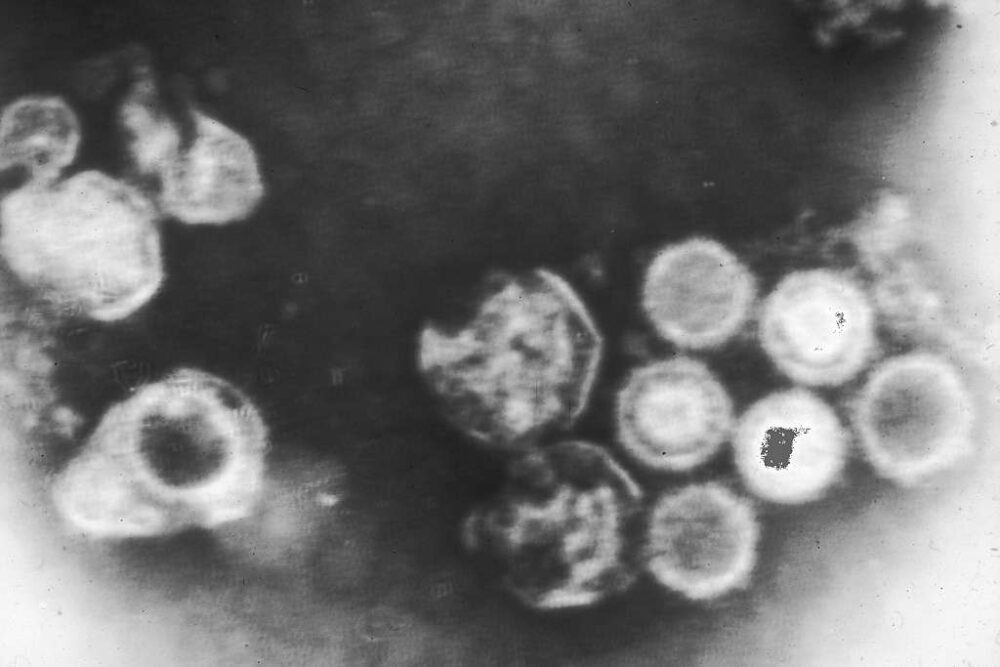
Epstein–Barr virus is one of the most widespread viruses in the world, and most people contract it in childhood or adolescence. Many never realize they were infected because the symptoms are often mild or mistaken for a cold. Once someone has the virus, it remains dormant in the body for life.
Scientists study EBV extensively because it infects specific immune cells and can reactivate under certain conditions. This lifelong presence is a key reason researchers believe EBV may interact with the immune system in ways that contribute to diseases like lupus.
2. EBV Has a Known Link to Mononucleosis

For many teens and young adults, EBV is best known as the virus that causes mononucleosis. The illness can lead to fatigue, fever, and swollen glands, but most people recover without long-term effects. However, the virus establishes a permanent presence in immune cells even after symptoms fade.
This persistent infection gives EBV opportunities to influence immune behavior over time. Understanding how the virus interacts with immune pathways is helping researchers explore why some people later develop autoimmune conditions, while others remain completely unaffected.
3. Lupus Is an Autoimmune Disease with Complex Origins

Lupus occurs when the immune system mistakenly attacks the body’s own tissues, creating widespread inflammation. The disease can affect the skin, kidneys, joints, blood vessels, and other organs. Its causes are not fully understood, but scientists believe genetics, environment, hormones, and infections all play roles.
Because lupus develops from multiple factors, researchers have long searched for triggers that could activate the disease in vulnerable individuals. EBV’s ability to interfere with immune function makes it a leading suspect in this complex process.
4. Scientists Found EBV Proteins That Mimic Human Proteins
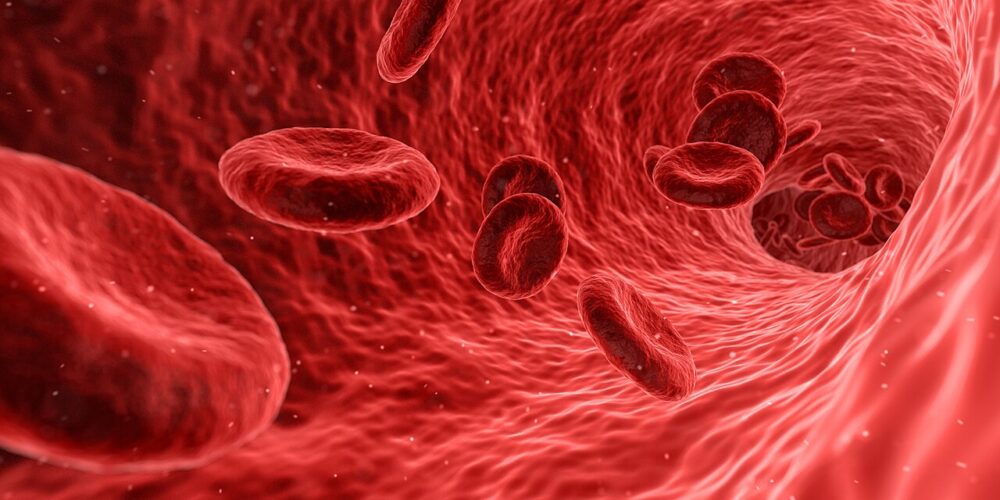
One of the most important discoveries involves EBV producing a protein that closely resembles a human protein associated with lupus. This similarity can confuse the immune system. When the body attacks the viral protein, it may also target the human version by mistake.
This phenomenon, known as molecular mimicry, is considered a plausible mechanism by which EBV could contribute to lupus development. It helps explain why the immune system sometimes becomes misdirected and starts attacking the body’s own tissues.
5. EBV Targets the Same Cells Involved in Lupus

EBV primarily infects B cells, a type of white blood cell responsible for producing antibodies. These cells play a major role in autoimmune diseases, including lupus, because they can create harmful autoantibodies when something goes wrong.
When EBV settles into B cells, it can influence how they behave, replicate, and respond to immune signals. Researchers believe this interaction may make certain individuals more susceptible to developing autoimmune reactions later in life.
6. Studies Have Found EBV Reactivation More Common in People with Lupus

Although EBV remains dormant most of the time, it can reactivate under stress, illness, or immune changes. Studies have shown that people with lupus often experience more frequent EBV reactivation compared with people without autoimmune disease.
This recurring activity may contribute to ongoing inflammation and immune system confusion. While reactivation does not prove EBV causes lupus, the pattern suggests the virus may play a role in worsening or sustaining the disease.
7. Genetic Risk and EBV May Work Together

Lupus has a strong genetic component, meaning some people are born with higher susceptibility. Researchers believe EBV may act as a trigger in those who already carry genetic risk factors. In other words, the virus may not cause lupus by itself but could activate the disease in people whose genes make them more vulnerable.
This gene-environment interaction is a common theme in autoimmune research. Understanding how EBV fits into this picture could help identify individuals at higher risk before symptoms appear.
8. EBV Interferes with Normal Immune Regulation
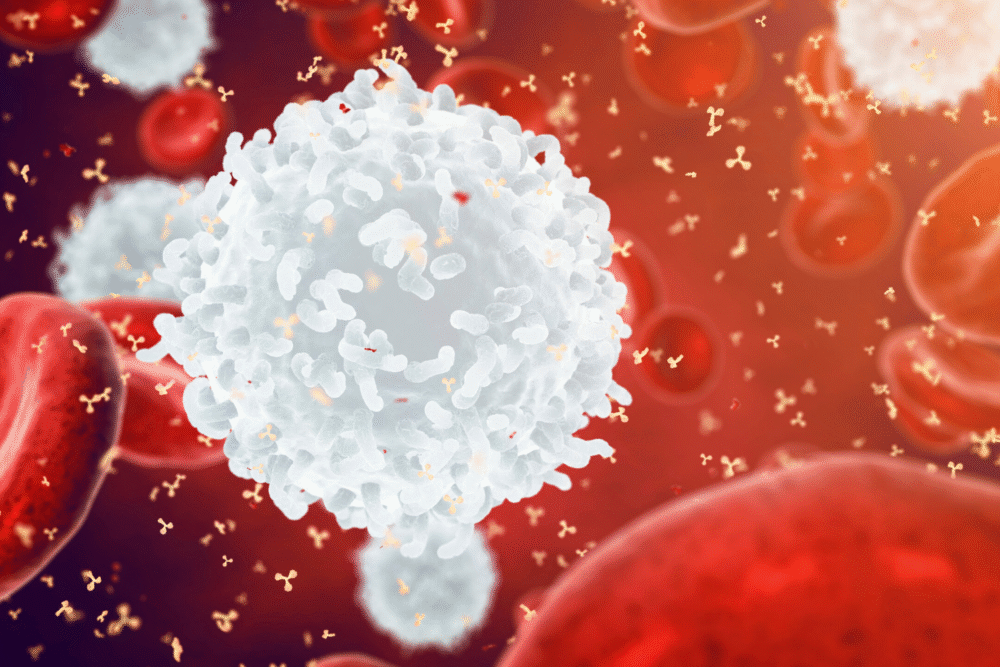
The virus uses several strategies to survive in the body, including altering how immune cells function. These changes can disrupt normal immune regulation and create conditions where the body struggles to distinguish between harmful invaders and its own tissues.
This breakdown in immune control is a hallmark of lupus. Scientists are investigating how EBV’s presence may weaken the body’s ability to maintain immune balance, creating opportunities for autoimmunity to develop.
9. Researchers Are Exploring Whether EBV Vaccines Could Prevent Lupus

Because EBV infection happens early and stays for life, scientists are exploring whether an EBV vaccine could reduce the risk of autoimmune diseases. Early research suggests that preventing EBV infection may lower the likelihood of developing conditions linked to the virus.
Although no EBV vaccine currently exists, several are in development. If successful, they could become a powerful tool not only for preventing mononucleosis but also for reducing long-term autoimmune complications.
10. Not Everyone with EBV Develops Lupus

Despite EBV’s near-universal presence, only a small percentage of people develop lupus. This fact underscores that EBV is likely one piece of a larger puzzle. Genetics, hormonal factors, environmental exposures, and other infections also help determine who develops the disease.
This complexity is why researchers avoid calling EBV the sole cause. Instead, the virus is seen as a potential trigger that interacts with other risk factors to influence disease development.
11. The EBV–Lupus Connection Could Lead to Better Treatments

Understanding how EBV influences the immune system may help researchers develop new lupus treatments. If scientists can identify the pathways where the virus disrupts normal immune function, they may be able to design therapies that block those specific interactions.
This approach could lead to more targeted treatments for lupus, improving outcomes and reducing symptoms. The research also highlights the broader importance of studying common viruses and their long-term effects on human health.