
A bold transit experiment shows how eliminating bus fares can cut driving, lower emissions, and clean the air.
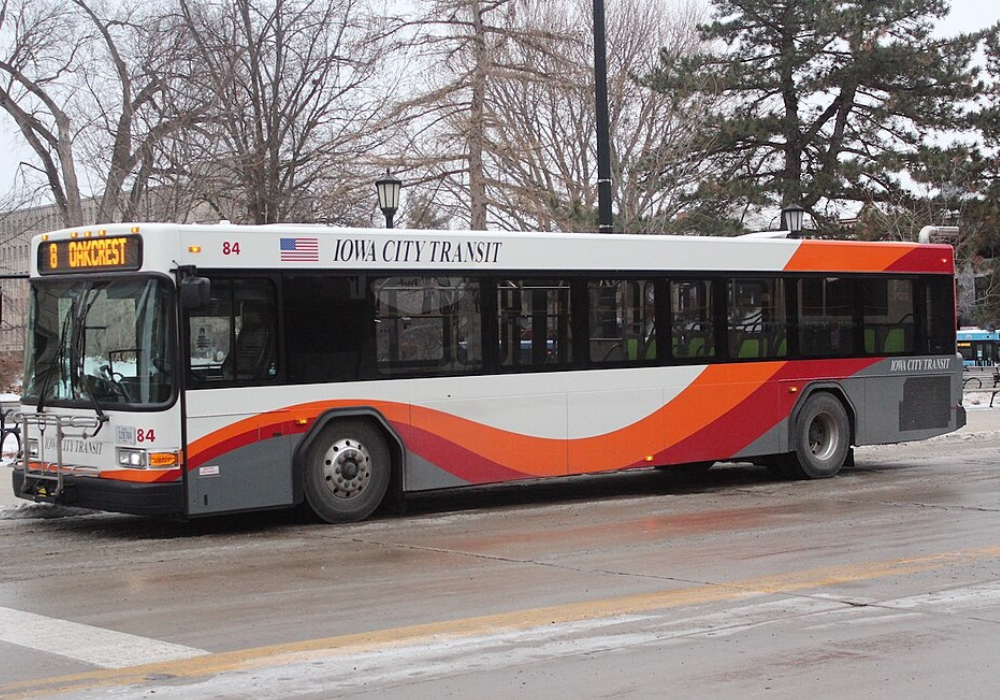
When Iowa City removed fares from its bus system, city officials expected ridership to rise. What they didn’t anticipate was how quickly traffic patterns would shift. Within months, more people chose the bus over their cars, leading to less congestion on major routes and measurable improvements in local air quality. The fare-free policy has become an unexpected climate success story for a small Midwestern city, offering a glimpse of how affordable public transit can play a major role in reducing emissions across the country.
1. Ridership Increased Rapidly Once Bus Fares Were Eliminated

After the city scrapped fares, ridership climbed sharply as residents realized they could travel anywhere in the city without worrying about daily costs. The change made transit more accessible for families, students, and workers who previously relied on cars for short trips. This quick boost in ridership surprised officials and demonstrated how cost affects transportation choices.
Higher ridership also meant fewer individual car trips. As more people boarded buses instead of driving alone, overall emissions began to fall. The shift showed how removing financial barriers can lead to immediate climate gains.
2. Fewer Cars on the Road Led to Noticeable Emission Reductions
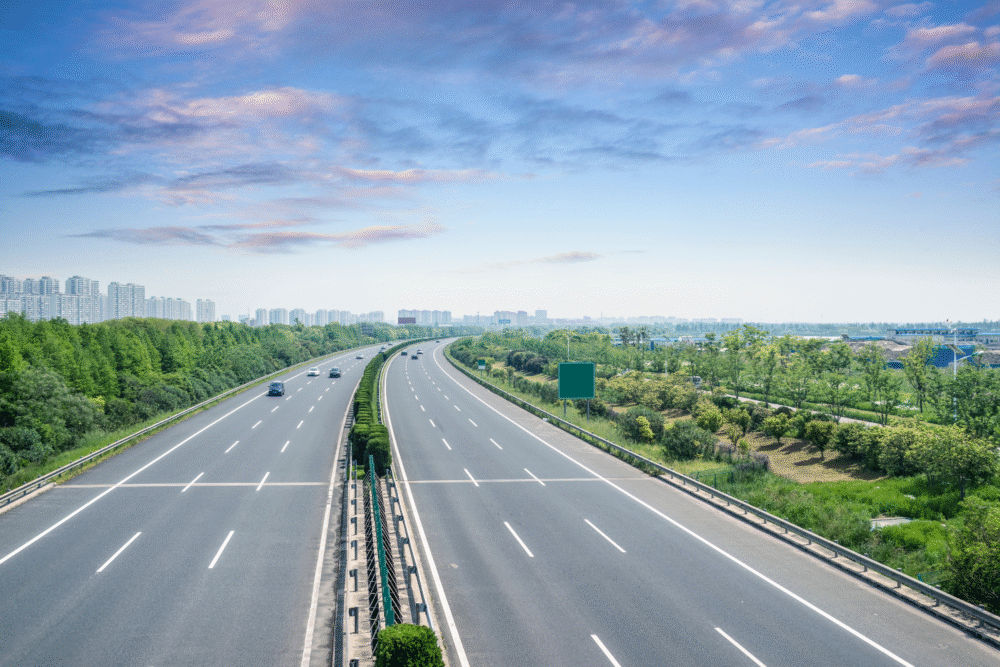
One of the program’s most significant outcomes was a measurable decline in vehicle traffic. With more people taking the bus, some of the city’s busiest corridors saw fewer cars during peak hours. This reduction helped cut down on tailpipe pollution, which is one of the largest contributors to local emissions.
Cleaner air quality readings followed, confirming that fewer car trips translated directly into environmental benefits. While Iowa City is not known for heavy congestion, the lighter traffic still had a meaningful impact on carbon output and urban air health.
3. Air Quality Sensors Recorded Cleaner Conditions Across the City

Local air-quality monitoring showed improvements after bus fares were removed. As traffic decreased, pollution levels dropped, particularly in zones near major roads and intersections where cars previously idled more frequently. These shifts offered clear, measurable evidence that transit changes were influencing environmental conditions.
City officials noted that even relatively small reductions in daily traffic can improve air quality. The fare-free system helped create a healthier urban environment, reinforcing the connection between transportation policy and climate outcomes.
4. The City Saw a Decline in Short, High-Emission Car Trips

Many of the car trips replaced by bus rides were short ones—often less than two miles. These trips produce disproportionately high emissions because engines burn less efficiently before warming up. By shifting these short journeys to public transit, Iowa City reduced some of the most pollution-intensive driving.
This decline also helped ease traffic in residential areas and school zones. The shift demonstrated how small changes in daily travel habits can add up to significant climate advantages over time.
5. Free Transit Reduced Financial Barriers for Lower-Income Residents
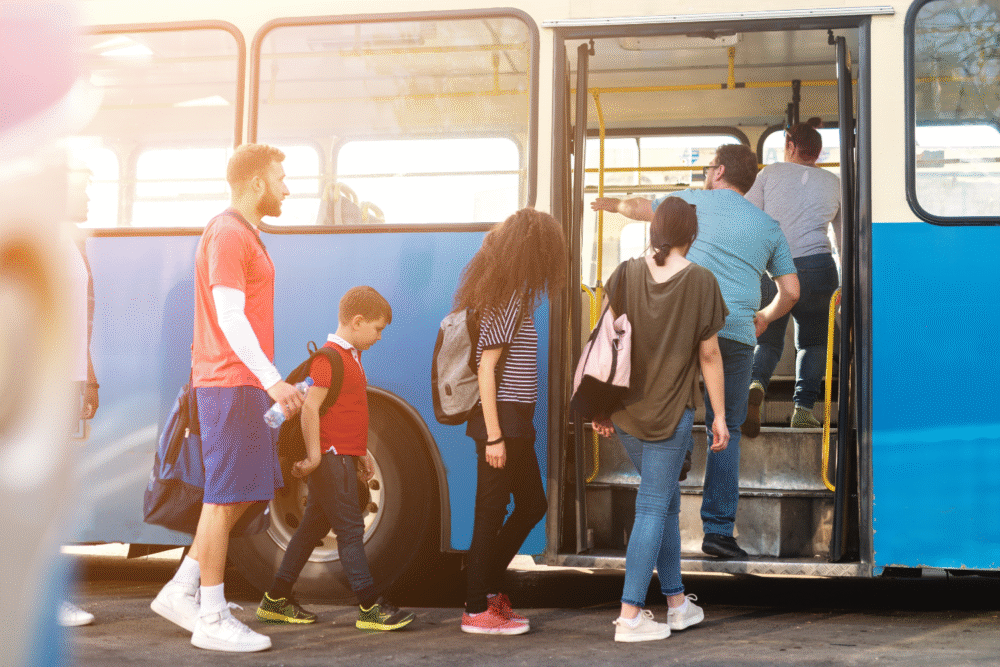
Fare-free transit made it easier for lower-income households to choose buses over cars. For many families, transit costs can add up quickly. Removing that expense encouraged people to leave their vehicles at home or avoid purchasing a second car, helping reduce emissions linked to personal transportation.
The program also improved mobility for residents who don’t drive. Greater access to jobs, schools, and services created broader social benefits alongside environmental ones, showing how climate policies can also promote equity.
6. Parking Demand Dropped as More People Shifted to Buses
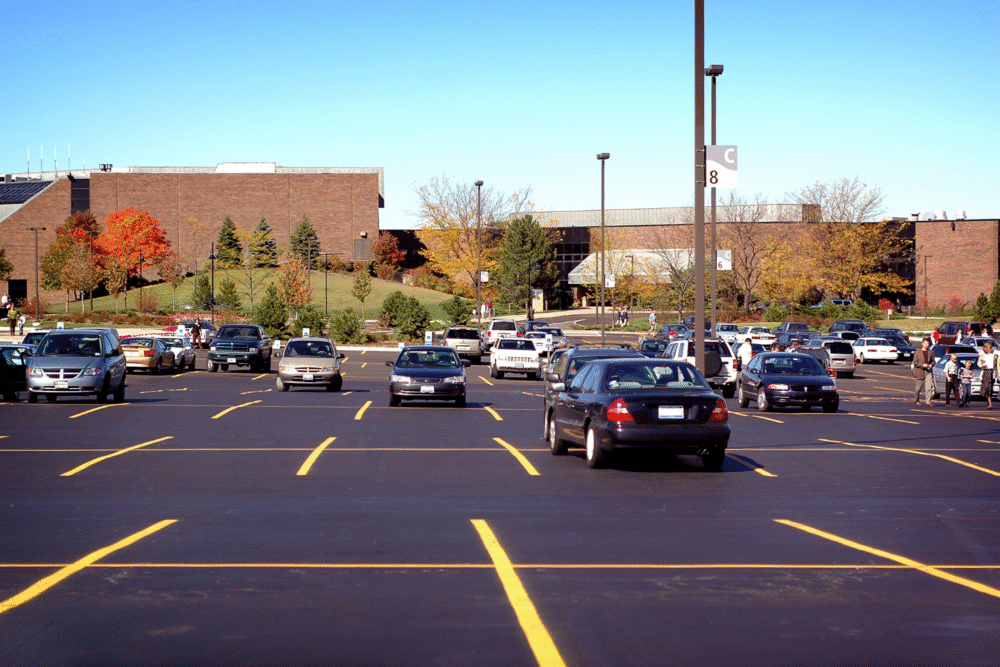
After fares were eliminated, demand for downtown parking decreased. Fewer workers and students drove into central areas, easing congestion and reducing the need for additional parking development. This change supported the city’s long-term sustainability goals by freeing land for more efficient uses.
Less parking pressure also encouraged local businesses to support the fare-free program. With fewer cars competing for space, commercial areas became easier to navigate, contributing to cleaner air and a more walkable environment.
7. The Policy Encouraged Students to Choose Low-Emission Travel

Iowa City’s large student population played a major role in the program’s success. Many students previously relied on personal vehicles for convenience. Once transit became free, they switched to buses in large numbers, greatly reducing vehicle traffic around the University of Iowa and nearby neighborhoods.
This shift helped cut emissions in areas that typically experience heavy student traffic. It also established new travel habits among young residents, setting the stage for long-term climate benefits.
8. Transit Reliability Improved as More People Used the System
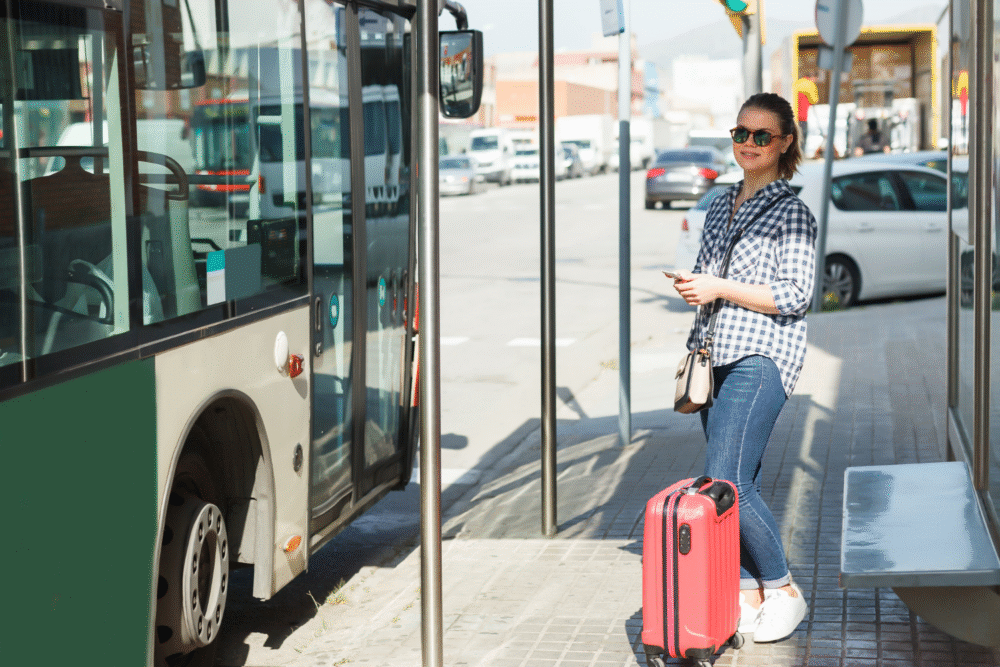
With rising rider numbers, the city expanded service and adjusted schedules to meet demand. These improvements helped make buses more reliable and appealing than driving for many short and medium-length trips. Better service increased the likelihood that people would continue using transit instead of returning to their cars.
As reliability grew, the climate impact strengthened. More consistent bus use created a reinforcing cycle: better service attracted more riders, leading to fewer emissions and greater environmental gains.
9. Reduced Traffic Helped City Buses Run More Efficiently
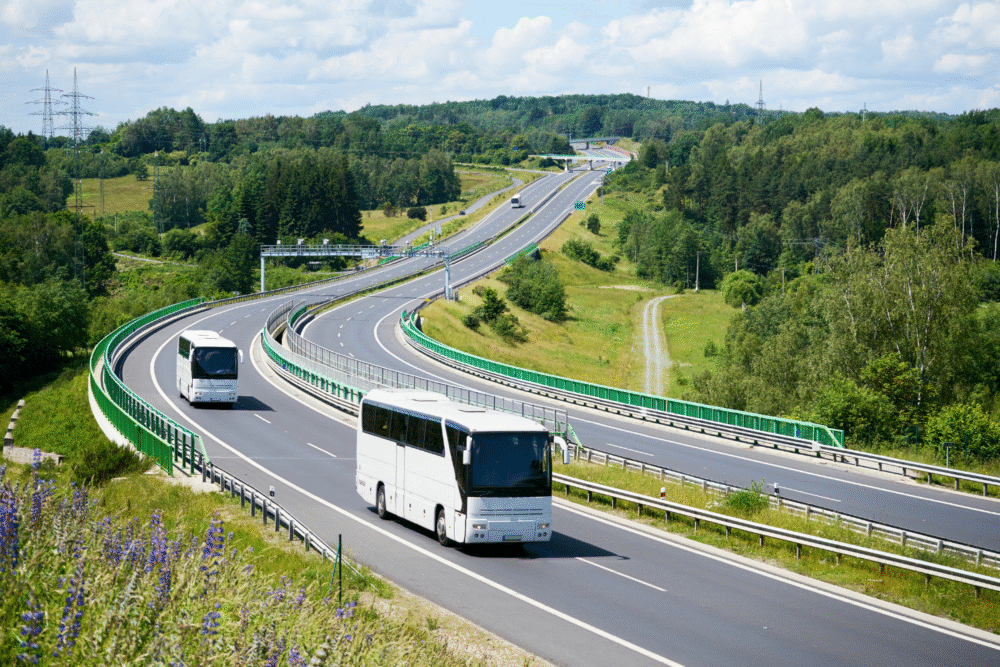
With fewer cars on the road, buses spent less time stuck in traffic. Faster, more predictable routes improved the overall performance of the transit system, making it easier to serve more riders with existing resources.
This operational efficiency translated into additional environmental benefits. When buses can move more freely, they burn less fuel and reduce emissions per passenger, increasing the climate advantage of public transit.
10. The Experiment Demonstrated That Climate Wins Can Come Quickly

Cities often assume that climate improvements require long timelines and major investments. Iowa City’s fare-free experiment proved otherwise. Once fares disappeared, transportation patterns changed almost immediately, producing fast environmental results.
These quick gains showed policymakers that small, well-targeted decisions can have substantial climate impact. Removing fares may not work everywhere, but the Iowa City example suggests that rapid progress is possible when communities eliminate barriers to low-carbon travel.
11. Other Cities Are Watching to See If the Model Can Scale

As the results from Iowa City became public, officials in other municipalities began studying whether fare-free transit could work in their communities. Cities with similar traffic levels and climate goals are exploring pilot programs to understand the potential trade-offs.
While each city’s needs differ, the Iowa City case demonstrates that fare-free transit can create immediate climate benefits when paired with reliable service. Its success may help shape the next generation of urban climate strategies across the United States.