
Archaeologists and climate scientists are uncovering new evidence linking ancient environmental shifts to the downfall of major civilizations.
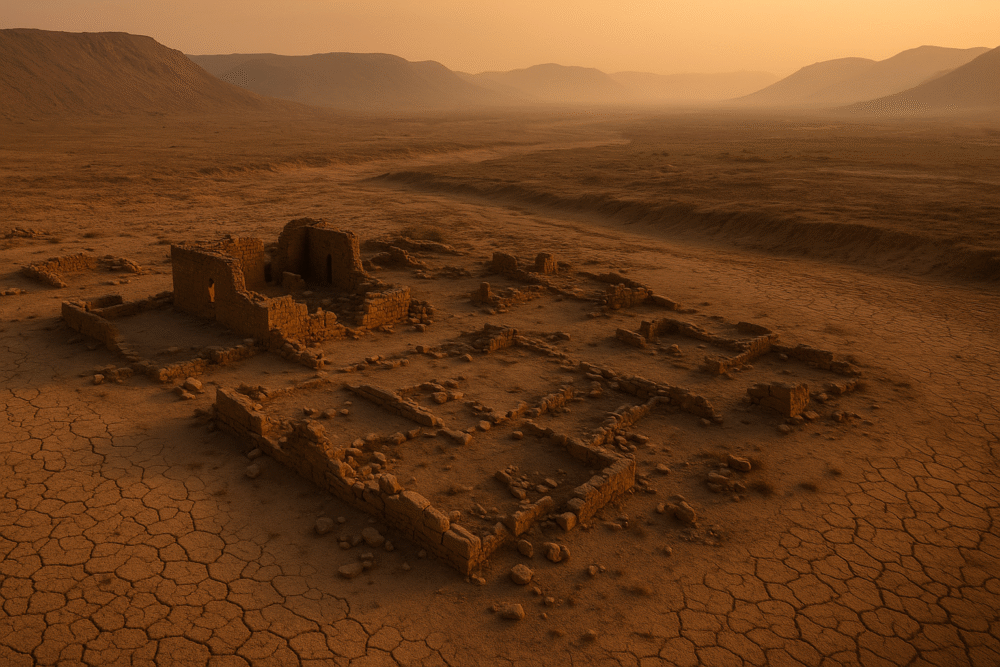
For centuries, historians have debated why some of the world’s greatest civilizations suddenly collapsed. Now, growing evidence suggests that climate change often played a critical, though overlooked, role. From prolonged droughts to volcanic winters, shifting environmental conditions put enormous pressure on societies already struggling with political conflict, disease, or economic strain. By studying ancient sediments, tree rings, ice cores, and abandoned cities, researchers are revealing patterns that show how climate shifts shaped human history. These findings shed light on how vulnerable societies can become when nature turns unstable.
1. Climate Stress Often Appeared Before Social or Political Breakdown
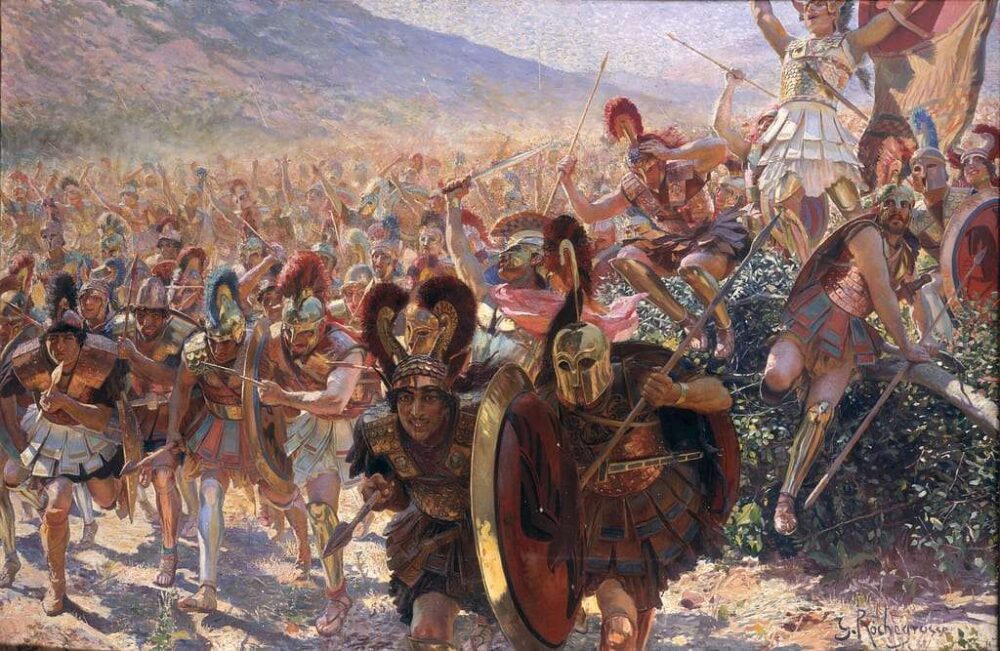
Many major collapses show signs of environmental stress years before societies unraveled. Paleoclimate records reveal long droughts, rapid cooling events, or major floods that disrupted agriculture. These stresses weakened food systems and economies, creating tensions between rulers and their populations. Archaeologists see this pattern repeatedly across regions and centuries.
Once resources dwindled, political and social divisions often intensified. Climate change did not always act alone, but it created conditions where internal conflicts became far more difficult to manage, increasing the likelihood of a broader collapse.
2. The Akkadian Empire Fell During a Severe Multi-Century Drought
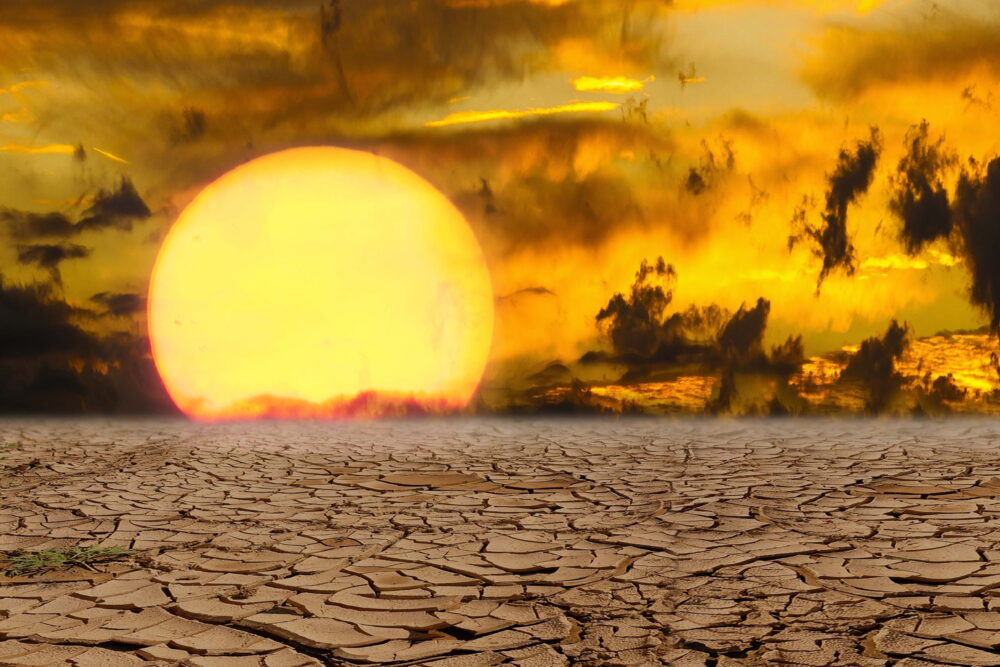
One of the earliest known climate-linked collapses is the fall of the Akkadian Empire around 2200 BCE. Sediment cores from the region show evidence of a widespread drought that lasted centuries. Harvest failures weakened the empire’s agricultural base, contributing to famine, migration, and conflict with neighboring groups.
The sudden drying of the region appears to have pushed urban centers past their limits. Archaeological evidence shows abandoned cities and reduced crop production, highlighting how climate stress can destabilize even powerful states.
3. The Maya Decline Was Deeply Connected to Rainfall Cycles
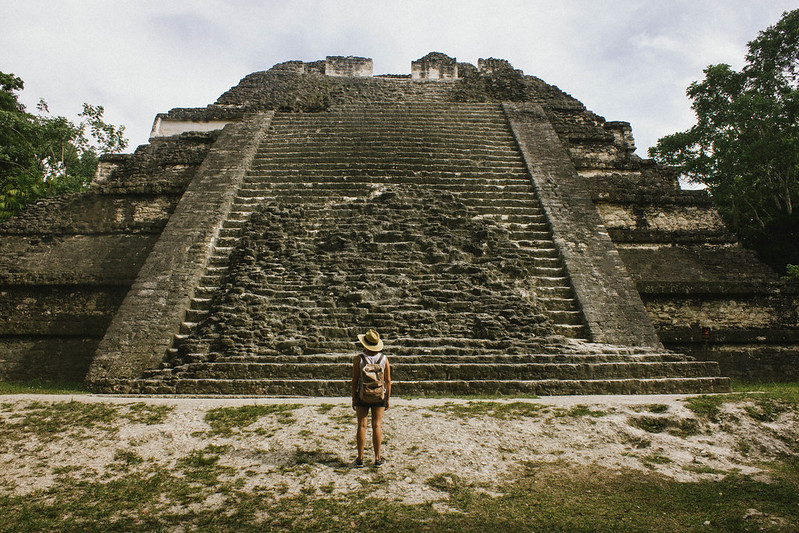
Studies of lake sediments and cave formations show that several major droughts struck the Maya region between 800 and 1000 CE. These droughts disrupted maize agriculture, strained city-states, and contributed to conflict as rulers struggled to maintain authority. Although political rivalry played a role, climate instability amplified existing vulnerabilities.
Archaeologists believe the rainfall cycles created unpredictable growing seasons. This environmental pressure contributed to the abandonment of major cities and the fragmentation of Maya society, marking one of the most famous collapses in world history.
4. The Old Kingdom of Egypt Faced a Period of Sudden Drying
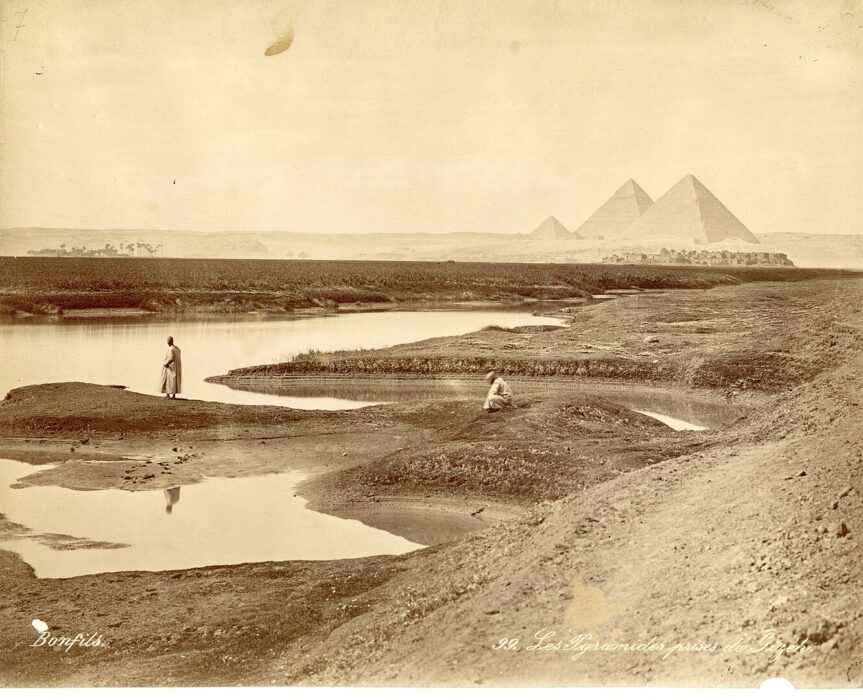
Around 2200 BCE, the Nile’s annual flood levels declined significantly, reducing the river’s ability to support Egypt’s farmland. This abrupt environmental shift corresponded with internal strife and a loss of central power. Written records describe famine and political fragmentation during this period.
The Old Kingdom did not disappear entirely, but the climate-driven strain pushed Egypt into a long phase of instability. This example illustrates how even river-based civilizations depended on delicate environmental rhythms that were vulnerable to sudden change.
5. Norse Settlements in Greenland Could Not Survive a Colder Climate
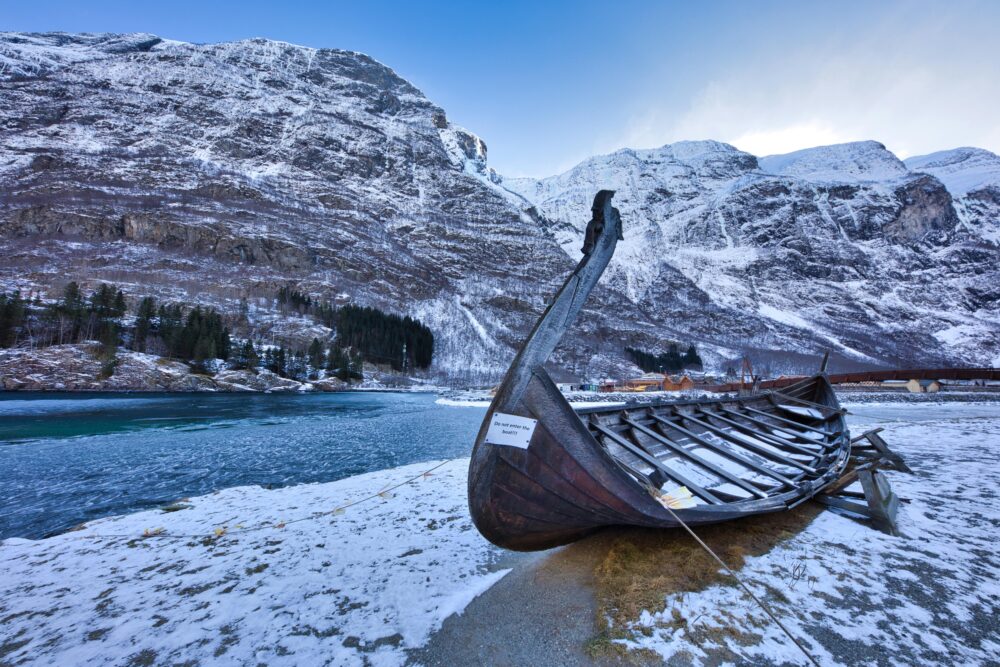
The Norse arrived in Greenland around 985 CE, establishing farms and trading networks. For several centuries, their communities thrived. But during the Little Ice Age, temperatures dropped, sea ice expanded, and growing seasons shortened. These changes made farming difficult and severely limited trade with Europe.
Archaeological evidence shows the Norse struggled to adapt their livestock-based lifestyle to colder conditions. As the climate worsened, their settlements declined and were eventually abandoned, demonstrating how environmental shifts can cut off once-sustainable communities.
6. The Indus Valley Civilization Experienced Major River Changes
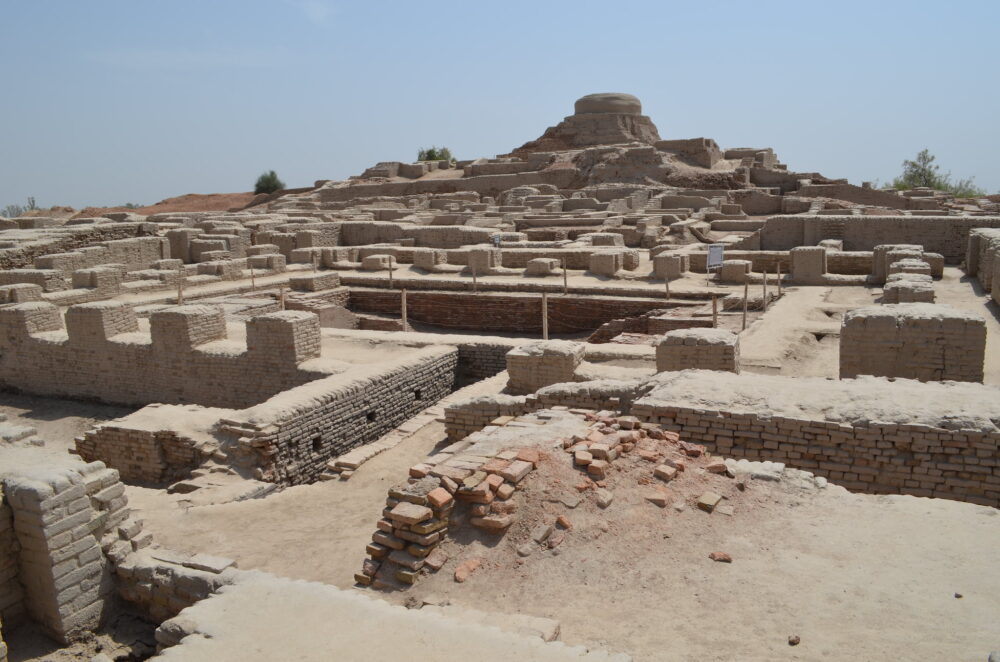
The Indus Valley Civilization relied heavily on river systems for farming and trade. Geological studies reveal that shifts in monsoon patterns and the drying or rerouting of key rivers contributed to urban decline around 1900 BCE. These changes reduced agricultural productivity and made large cities harder to maintain.
While social factors also played a role, the destabilization of the region’s water systems appears to have been a crucial trigger. The environmental transformation contributed to a gradual transition from urban life to smaller, rural communities.
7. Volcanic Eruptions Created Climate Shocks That Toppled Societies
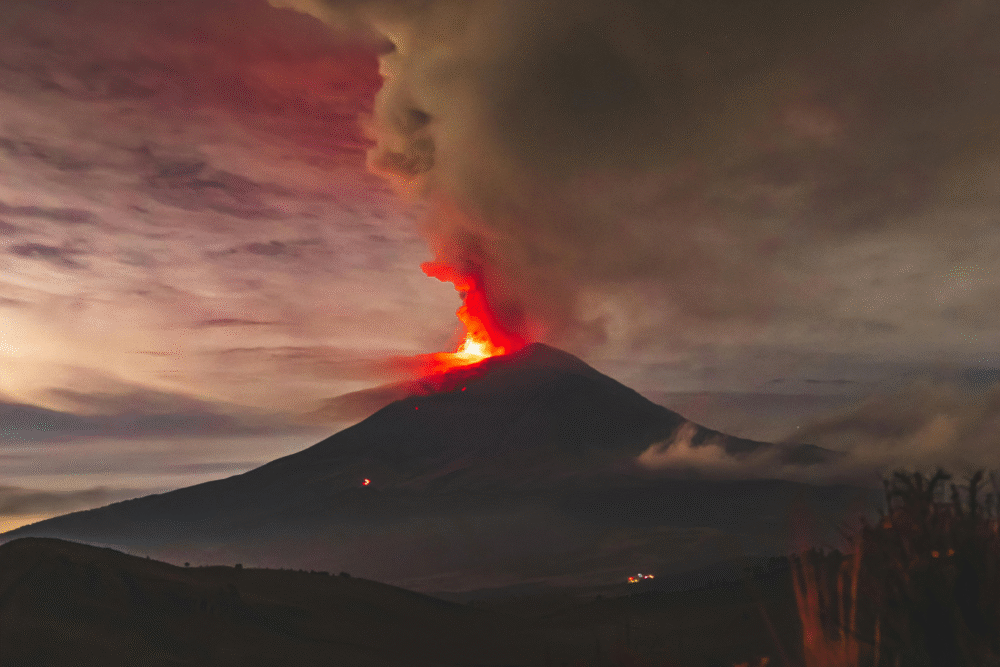
Large volcanic eruptions can inject ash and sulfur dioxide into the atmosphere, blocking sunlight and cooling the planet. Historical records link major eruptions to crop failures, famine, and political turmoil. For example, the 536 CE eruption triggered widespread cooling that contributed to hardships across the Mediterranean and beyond.
These sudden climate shocks stressed food systems and destabilized governments already facing internal challenges. They reveal how rapid environmental change can disrupt even well-established societies almost overnight.
8. The Fall of Angkor Was Tied to Extreme Climate Swings
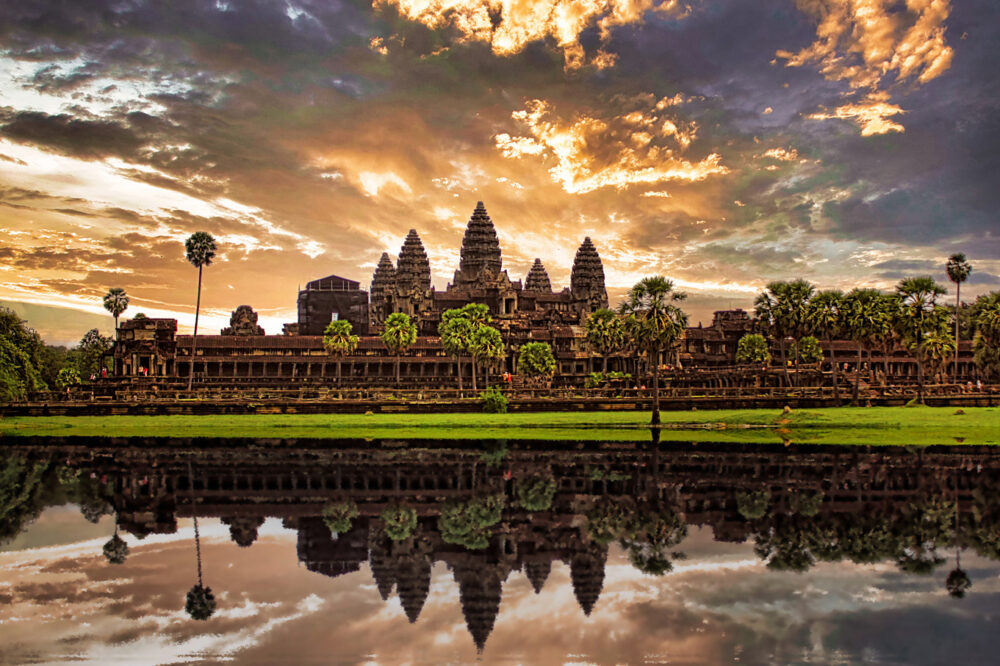
Angkor, the capital of the Khmer Empire, relied on an elaborate water management network. Tree-ring data shows that the region experienced severe droughts followed by intense monsoons in the 14th and 15th centuries. These swings overwhelmed the city’s infrastructure, causing erosion and damaging canals.
The climate instability weakened Angkor’s ability to sustain its population. Combined with political pressures, these environmental stresses contributed to the city’s gradual abandonment and the decline of the empire.
9. Ancient Persia Faced Repeated Climate-Linked Pressures
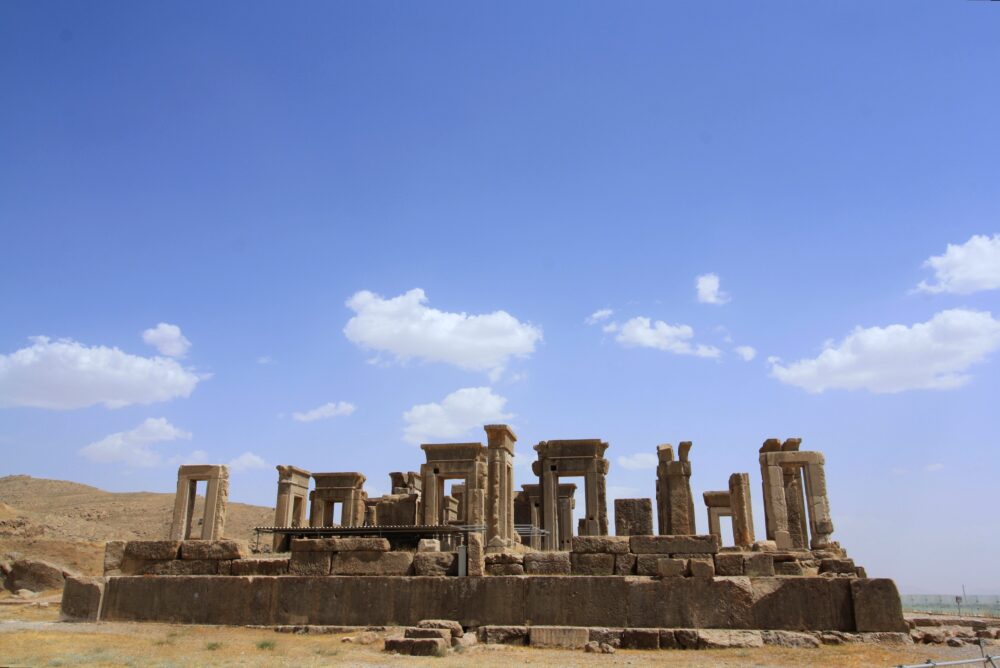
Persian empires experienced environmental challenges ranging from droughts to shifting weather patterns. These disruptions affected agriculture and food supply, adding stress to regions already dealing with warfare or political competition. Archaeological and climate records show periods of instability that correspond with known historical struggles.
Although Persian empires endured for centuries, climate-driven pressures occasionally contributed to moments of weakness or transition. These examples show how environmental conditions can subtly influence long-term political fortunes.
10. Climate Stress Often Triggered Migration and Conflict

Throughout history, climate shifts have led to mass movements of people seeking more stable environments. Such migrations could strain neighboring regions, spark conflict, or destabilize existing political structures. Archaeological evidence shows that environmental change frequently played a role in population shifts across Europe, Asia, and the Americas.
These migrations created ripple effects that changed trade networks, altered political alliances, and reshaped entire regions. Climate-driven movement is one of the most consistent patterns seen in ancient collapses.
11. Environmental Evidence Helps Reconstruct How Civilizations Fell

Modern tools such as ice cores, lake sediments, and tree rings allow scientists to precisely date droughts, floods, and temperature changes. These records show that climate often shifted during key moments of political or social upheaval. When combined with archaeology and written sources, they offer a clearer picture of how environmental stress contributed to decline.
This interdisciplinary approach reveals that many ancient collapses were not sudden mysteries but the result of multiple pressures interacting with shifting climate conditions. It highlights how fragile even powerful empires can become when environmental change accelerates.