
New forensic analysis reveals how a 13th-century Hungarian duke was violently killed and hidden beneath a monastery floor.
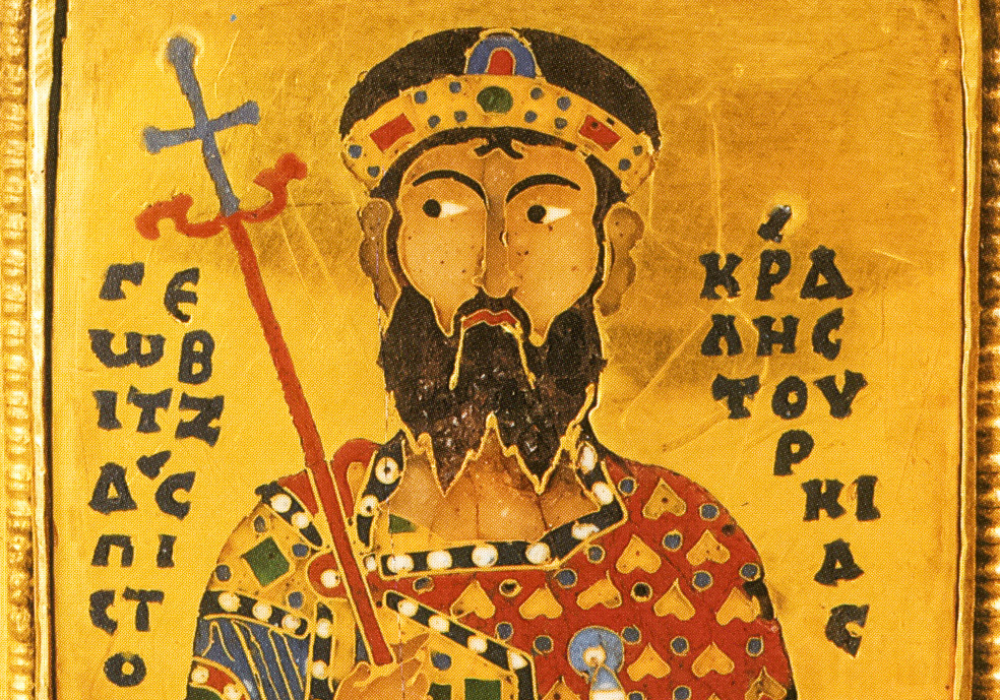
Scientists have identified a skeleton discovered beneath a monastery in Hungary as belonging to Duke Géza of Hungary, a royal figure murdered in 1272. Using DNA analysis, historical documents, and detailed forensic study, researchers pieced together his violent final moments, revealing more than two dozen weapon strikes. Their findings transform a centuries-old mystery into a solved medieval crime scene. The study uncovers political turmoil, brutal assassination methods, and how the duke’s remains were quietly concealed after his death.
1. A Hidden Skeleton Under a Hungarian Monastery Raised New Questions
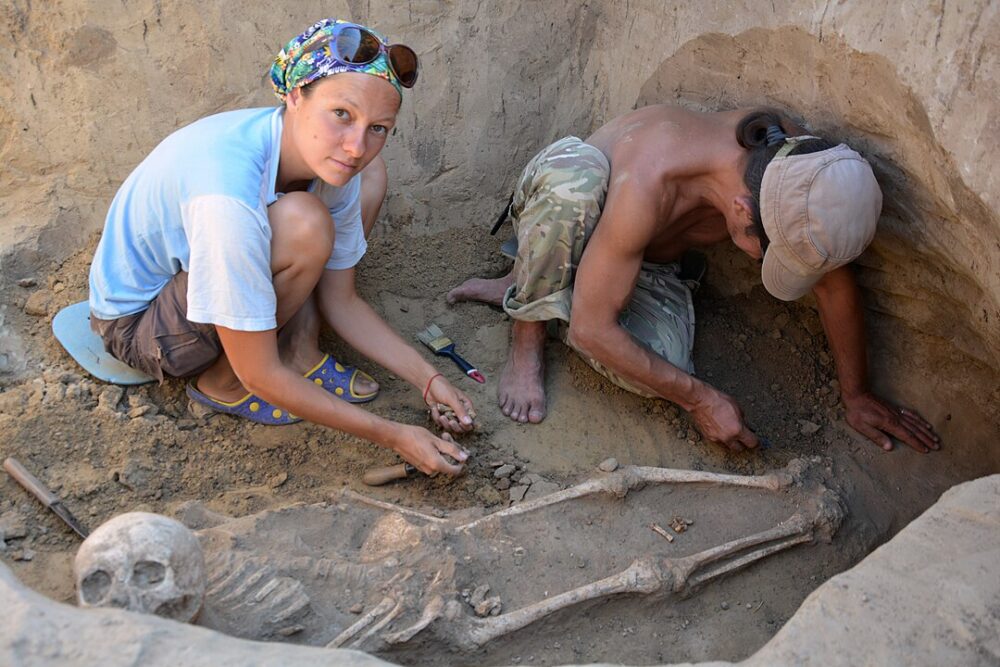
Archaeologists excavating the Monastery of the Blessed Virgin in Székesfehérvár uncovered human remains that immediately stood out. The burial’s position, location, and condition suggested someone of importance, but the identity remained unknown for years. The skeleton’s unusual placement beneath the floor hinted at a deliberate, secretive interment rather than a standard burial.
Researchers suspected the individual was connected to medieval Hungary’s political elite, prompting a multidisciplinary investigation to determine who the remains belonged to and how the person died.
2. DNA Testing Linked the Skeleton to the Árpád Dynasty
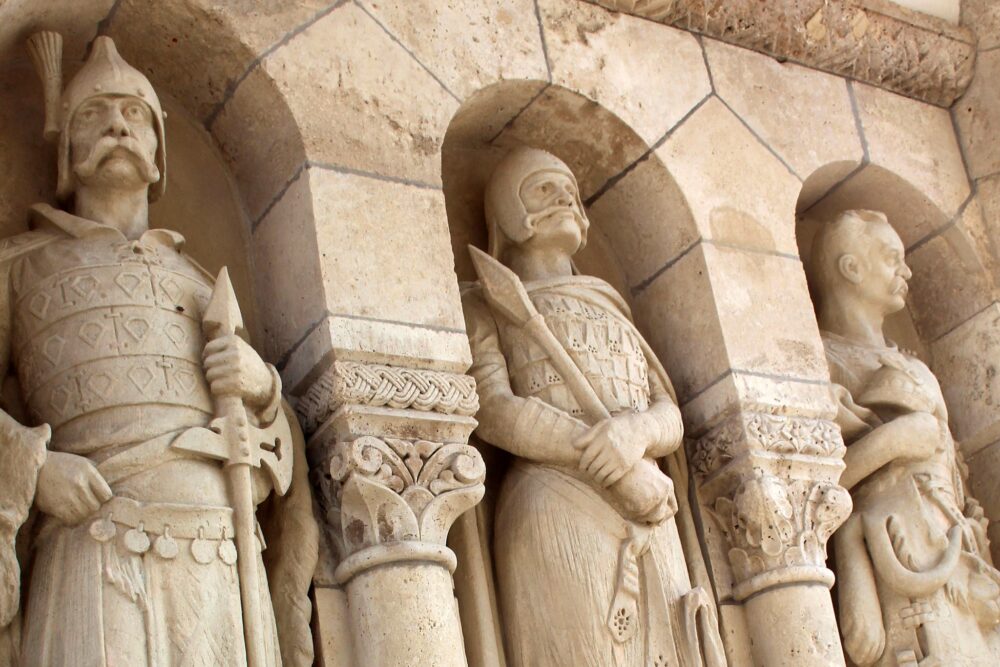
Genetic sequencing provided the breakthrough scientists needed. DNA from the skeleton matched known profiles from the Árpád dynasty, Hungary’s medieval ruling family. Mitochondrial and Y-chromosome evidence placed the individual squarely within this lineage, drastically narrowing the list of possible identities.
This genetic data confirmed the skeleton belonged to a male member of Hungary’s royal family, allowing researchers to focus on historical records describing nobles who died violently during the 13th century.
3. Historical Clues Pointed Toward Duke Géza of Hungary
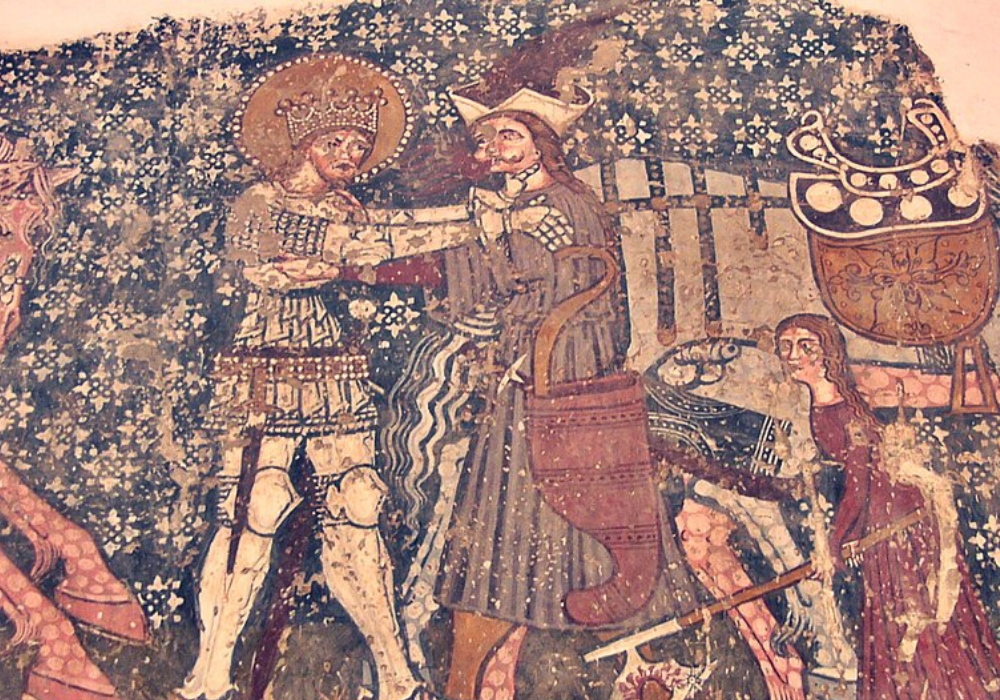
Once DNA confirmed the royal connection, historians cross-referenced the skeleton’s age, burial context, and signs of violent death with documented events. One figure fit perfectly: Duke Géza, brother of King Stephen V, who was assassinated in 1272.
Sources from the period describe Géza’s politically motivated murder and the chaotic aftermath. The alignment between written accounts and archaeological evidence made him the strongest and most consistent match.
4. Forensic Experts Identified 26 Sharp-Force Wounds

Detailed examination revealed the skeleton bore at least 26 cuts from bladed weapons. These wounds were concentrated on the head, neck, arms, and torso, indicating a frenzied and coordinated attack.
The distribution suggests the duke was overwhelmed by multiple assailants. Many injuries were severe enough to be immediately fatal, offering a grim reconstruction of how violently he was killed. The extent of the trauma mirrors descriptions of medieval political executions.
5. The Pattern of Wounds Suggests a Coordinated Ambush
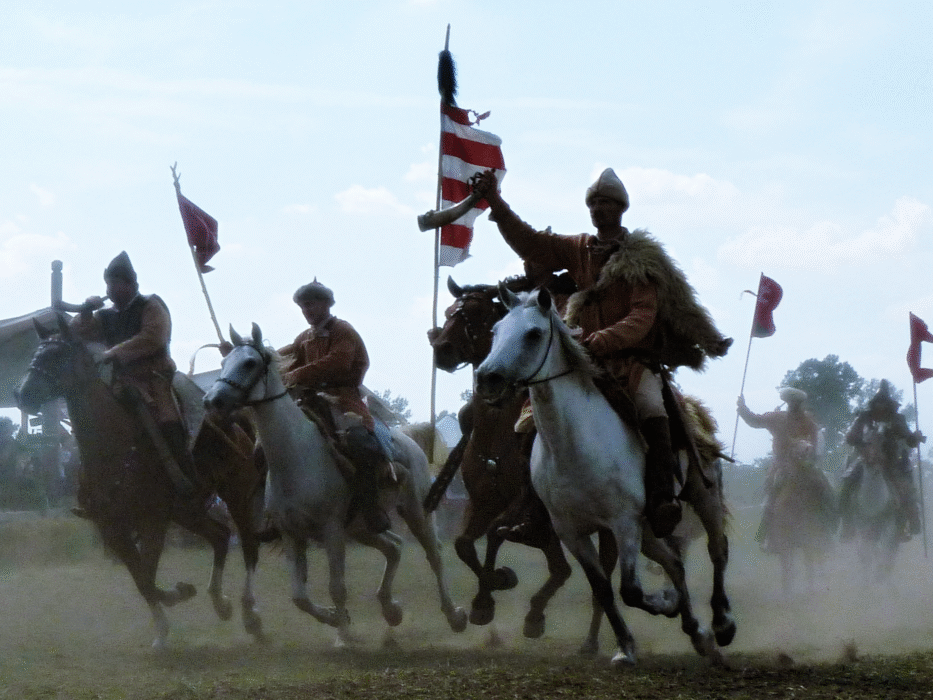
The sharp-force injuries were delivered from different angles, suggesting the duke was struck by several attackers at once. Arm wounds indicate attempts to defend himself, while deep cuts to the head and torso reveal deliberate, final blows.
This pattern fits historical descriptions of a politically motivated murder. Such attacks were typically carried out by armed factions targeting rivals during periods of noble conflict in medieval Hungary.
6. Burial Under the Monastery Floor Suggests a Quiet Cover-Up
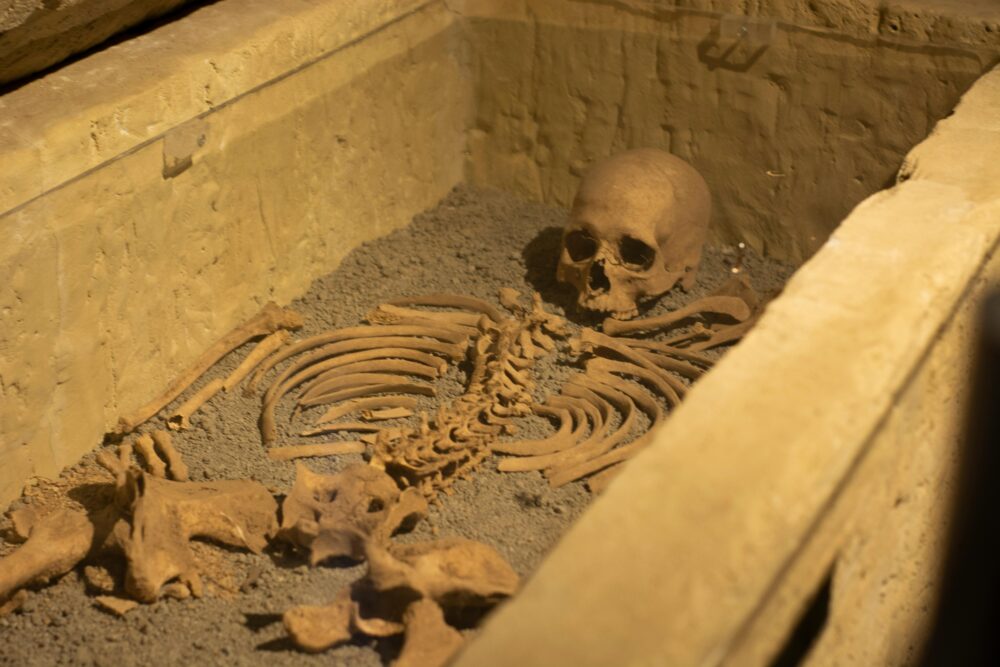
Instead of receiving an elaborate royal burial, the duke’s body was placed beneath the monastery’s floor. This location implies a secret or rushed interment, possibly due to political tensions following his death.
Researchers believe the burial was intentional yet subdued, meant to ensure he rested in sacred ground while avoiding attention. This unusual placement helps explain why his identity remained unknown for centuries.
7. The Monastery Was a Known Burial Site for Hungarian Royalty
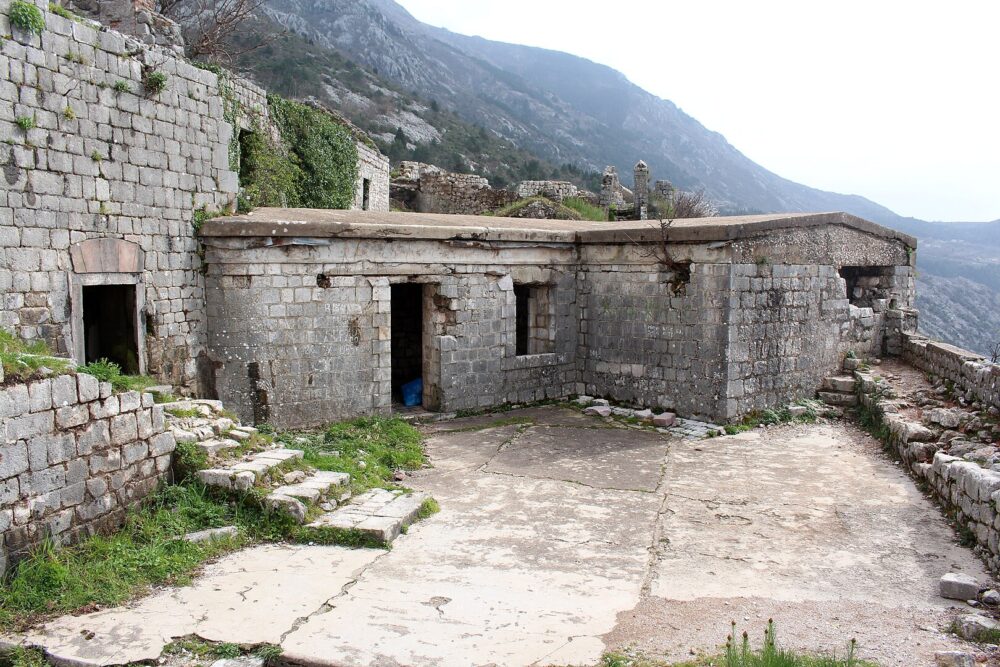
The Monastery of the Blessed Virgin held deep connections to the Árpád dynasty. Several kings and prominent nobles were buried there, making it a fitting location for a royal interment. However, most royal burials were marked and honored.
The duke’s hidden placement, contrasted with the site’s prestige, underscores the political sensitivity surrounding his death and the need to conceal or downplay his murder.
8. The Duke Lived During a Time of Intense Political Turmoil
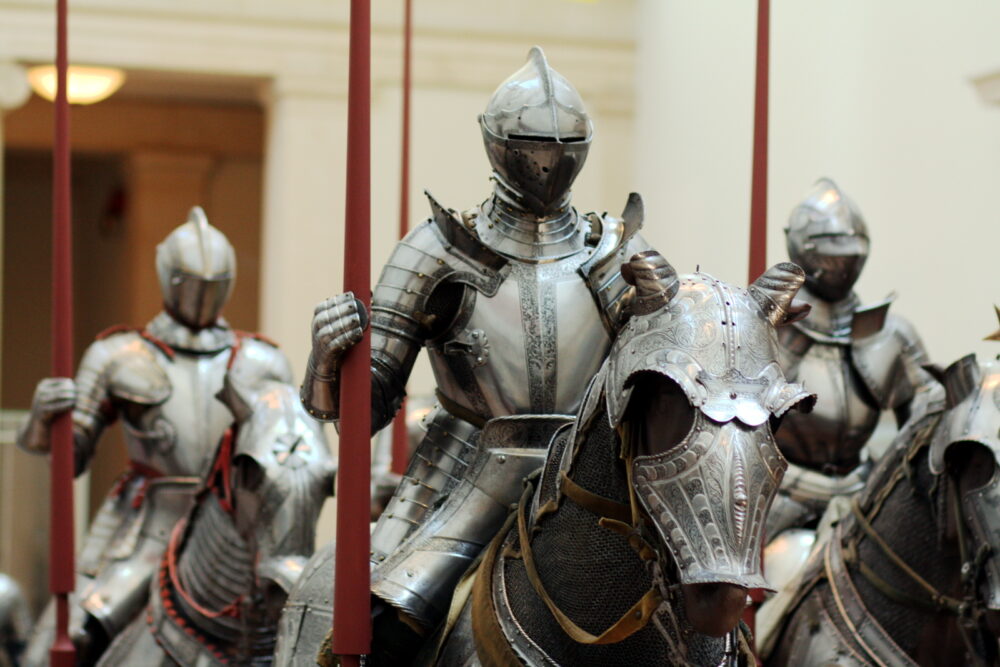
Thirteenth-century Hungary was marked by factional conflict, shifting alliances, and violent power struggles. Duke Géza’s opposition to certain political groups made him a target during these turbulent years.
His murder aligns with the period’s broader instability. Rival noble families frequently resorted to assassinations as a way to eliminate threats and gain influence within the royal court.
9. The Skeleton Shows No Signs of Health Issues Before Death

Aside from the battle injuries, the remains showed no major signs of disease or long-term illness. The duke appeared to be in good health before the attack, matching historical descriptions of him as an active member of the royal family.
This clean bill of health further supports the conclusion that his death was sudden, violent, and politically motivated rather than the result of natural causes.
10. Forensic Reconstruction Reveals the Duke’s Final Moments
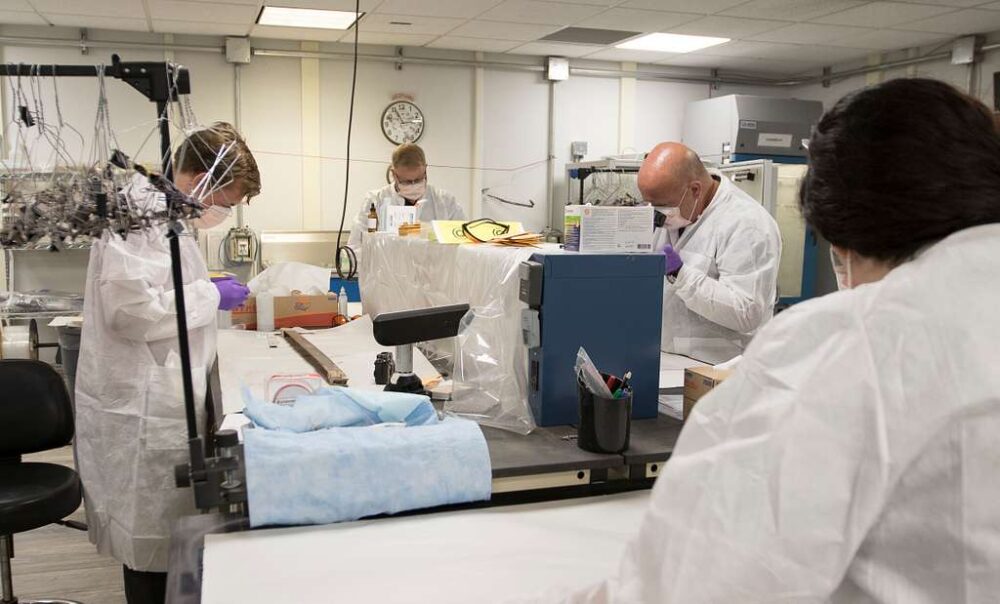
By combining skeletal trauma analysis with historical context, scientists recreated the attack sequence. Initial blows likely immobilized him, followed by severe strikes intended to kill. Defensive wounds show he attempted to fight back.
This forensic approach provides one of the clearest reconstructions of a medieval aristocrat’s murder ever produced, offering rare insight into the realities of political violence during the Middle Ages.
11. Modern Techniques Helped Solve a 750-Year-Old Mystery

Advances in forensic anthropology, DNA sequencing, and digital modeling played essential roles in identifying the skeleton. Earlier generations of researchers lacked the tools needed to make such precise determinations.
This case demonstrates how historical mysteries can be solved through interdisciplinary collaboration, combining archaeology, genetics, and medieval history into a unified investigation.
12. The Discovery Sheds New Light on Medieval Hungarian Power Struggles
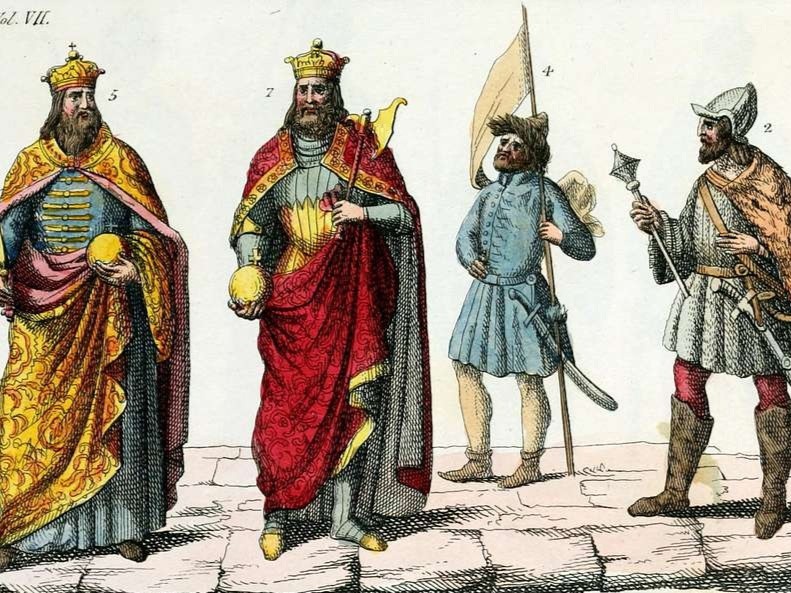
Identifying Duke Géza’s remains provides more than a name. It offers a tangible, physical link to a turbulent chapter in Hungarian history. His violent death and unusual burial reflect the political instability of the era and the dangers faced by members of the royal court.
The find enriches our understanding of medieval power dynamics and shows how modern science can reveal hidden stories about people whose lives shaped European history.