
A new study finds city raccoons are developing traits linked to early domestication thanks to human environments.
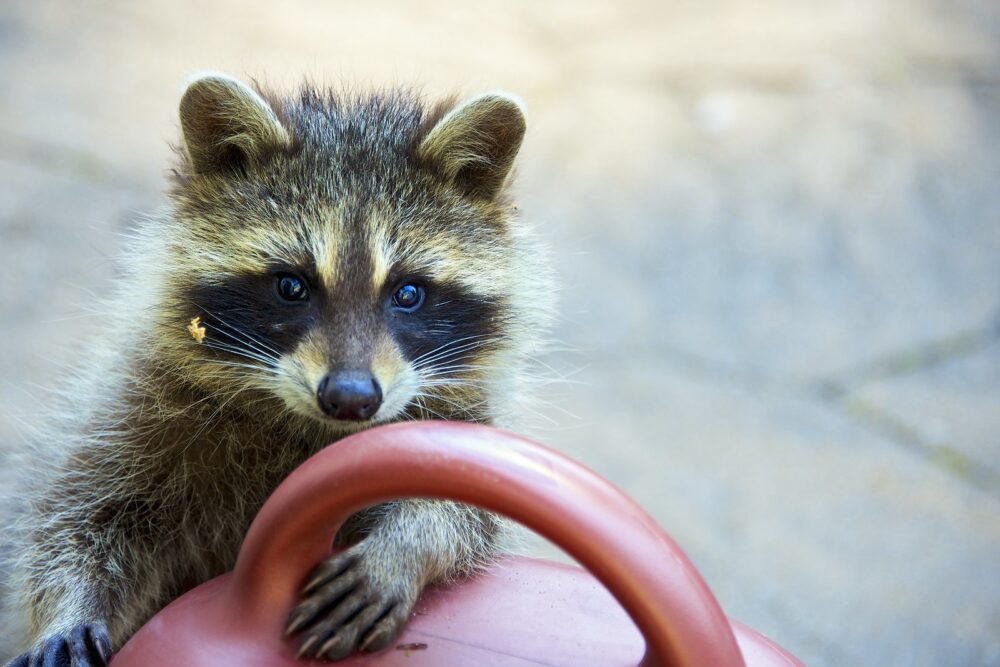
A new study published in the journal The Royal Society Open Science suggests that urban raccoons may be evolving in ways that resemble early stages of domestication. Researchers from the University of Manitoba compared skulls of city raccoons with those from rural populations and found subtle, consistent differences linked to diet, stress, and human proximity. These changes appear to be driven by easy access to human trash and the challenges of city living. The findings raise questions about how wildlife adapts to increasingly urbanized spaces.
1. City Raccoons Have Skull Shapes That Differ From Rural Populations

Researchers examined raccoon skulls collected over decades and found clear shape differences between urban and rural animals. City raccoons had slightly shorter snouts and broader skulls, traits associated with more flexible feeding habits and access to softer, human-derived foods. These changes did not appear randomly but followed a consistent pattern across samples.
Scientists say these subtle anatomical shifts mirror traits seen early in the domestication of dogs, foxes, and other mammals. It suggests that urban living is placing selective pressure on raccoons in ways not seen in rural environments.
2. Human Trash Provides an Easy Food Source That Alters Feeding Behavior

Urban raccoons regularly rely on leftover human food, which requires less effort to obtain and process than natural diets like insects, nuts, and small prey. This shift toward calorie-rich, soft foods may influence jaw musculature and skull development over generations.
Easy access to trash also reduces the need for hunting skills, potentially reshaping behavioral traits. Researchers believe this abundance of human food is a major driver behind the anatomical differences observed in the study.
3. Living Near Humans Reduces Fear Responses in Some Raccoons
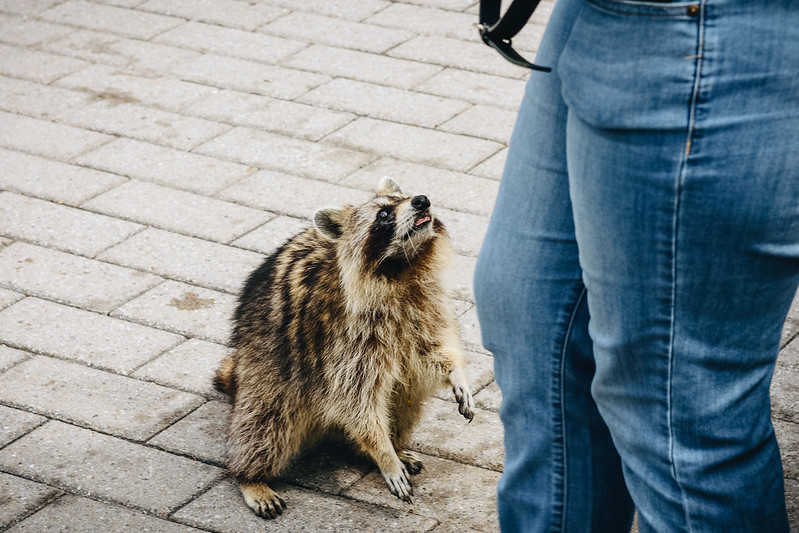
Raccoons in cities frequently encounter people, vehicles, and noise. Over time, those who are calmer around humans may have better access to resources and survive longer. This gradual reduction in fear response resembles early domestication patterns seen in other species that adapted to human presence.
City raccoons often display bolder, more exploratory behavior, allowing them to navigate urban environments more successfully. The study suggests these traits could become more common as raccoons continue to adapt to city life.
4. Urban Environments Reward Problem-Solving and Flexibility
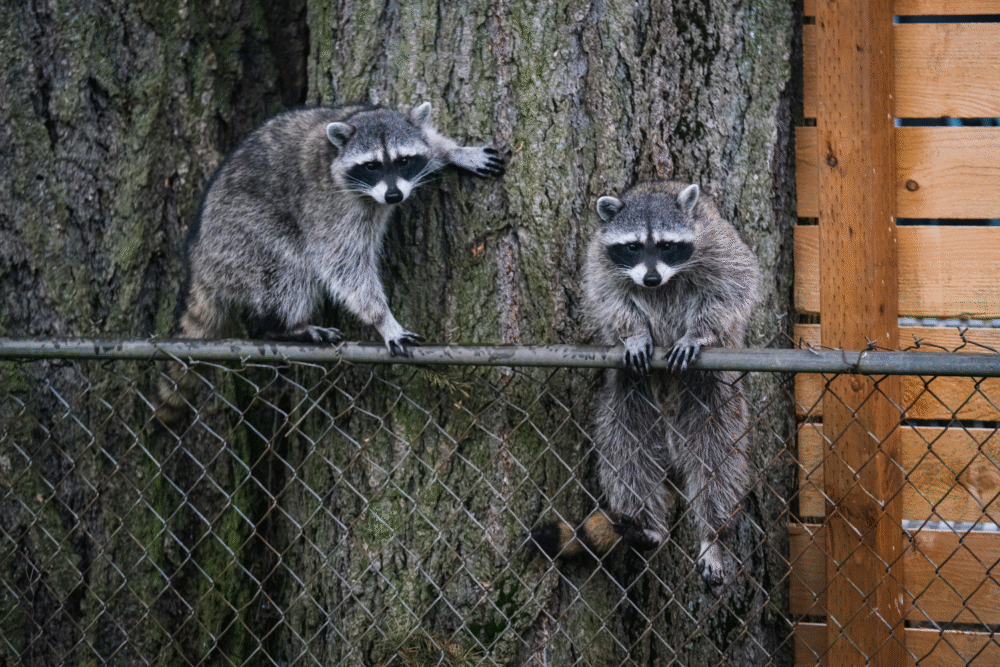
City raccoons face obstacles not found in natural settings, such as trash bins, fences, and traffic. Individuals with strong problem-solving abilities and behavioral flexibility are more likely to thrive. Over generations, these traits may become more common in urban populations.
Scientists note that raccoons are already known for intelligence and adaptability, but city life intensifies the demand for these skills. This selection pressure parallels early domestication, where animals with flexible temperaments flourished around humans.
5. Reduced Dietary Hardship May Influence Skull and Muscle Development

Animals that eat softer foods experience different stresses on their jaws during development. Urban raccoons feeding on processed human foods place less strain on their bones and teeth, potentially affecting skull growth. Over time, these changes may become genetically reinforced.
This phenomenon has been observed in other animals that shifted from wild diets to human-provided foods. The study suggests similar processes might be shaping the anatomy of city raccoons.
6. Urban Raccoons Show Signs of Reduced Stress Compared to Rural Animals
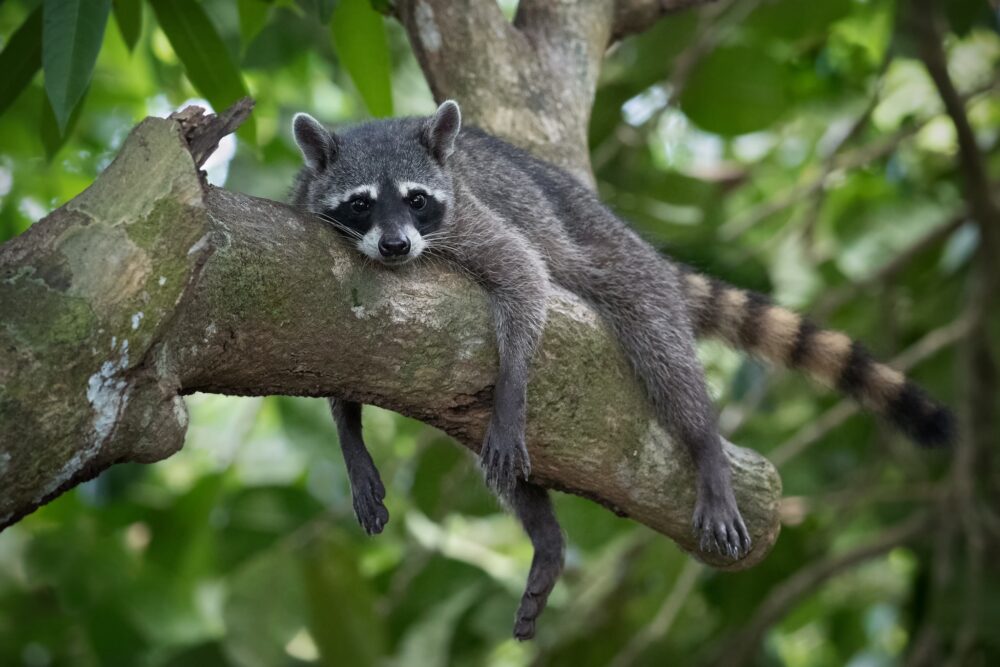
Hormone analyses in past research have shown that some urban raccoon populations exhibit lower long-term stress markers. Reduced stress in human-dominated environments can contribute to physical and behavioral changes similar to early domestication.
The new study’s skull findings align with this trend. Lower stress levels could help shape more tolerant and adaptable raccoons, further encouraging traits that succeed in city environments.
7. Domestication Does Not Mean Tameness, Researchers Caution

Although the study highlights early domestication-like traits, scientists emphasize that city raccoons are not becoming pets. Domestication is a long evolutionary process involving genetic, behavioral, and anatomical shifts over thousands of years.
What the study shows are subtle, early-stage indicators of traits commonly found in species that later became domesticated. Raccoons remain fully wild animals but are adjusting in measurable ways to urban pressures.
8. Rural Raccoons Maintain More Ancestral Traits
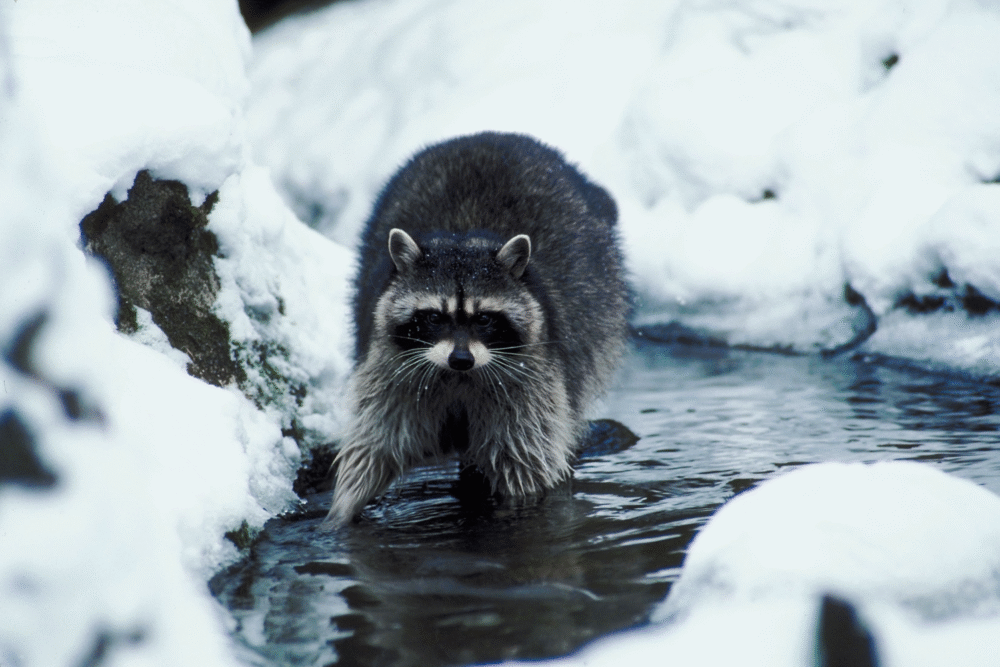
Raccoons living in forests, wetlands, and rural regions rely on classic foraging behaviors and consume tougher foods that require stronger chewing forces. Their skulls reflect these demands, showing longer snouts and more robust structures.
Comparing rural and urban populations helps scientists understand how quickly environments can influence wildlife. The contrast highlights how dramatically human settlements reshape animal evolution in just a few generations.
9. The Study Adds to Research on Urban-Driven Evolution

Many species—including coyotes, pigeons, and foxes—show evidence of rapid urban adaptation. The raccoon findings add to this growing body of research showing that cities can act as powerful evolutionary forces.
Because raccoons thrive in human areas, they offer a clear model for studying how wildlife changes anatomically and behaviorally in response to human environments. The study’s results highlight the speed and scale at which these transformations can occur.
10. Researchers Used Decades of Museum Samples to Track Long-Term Change
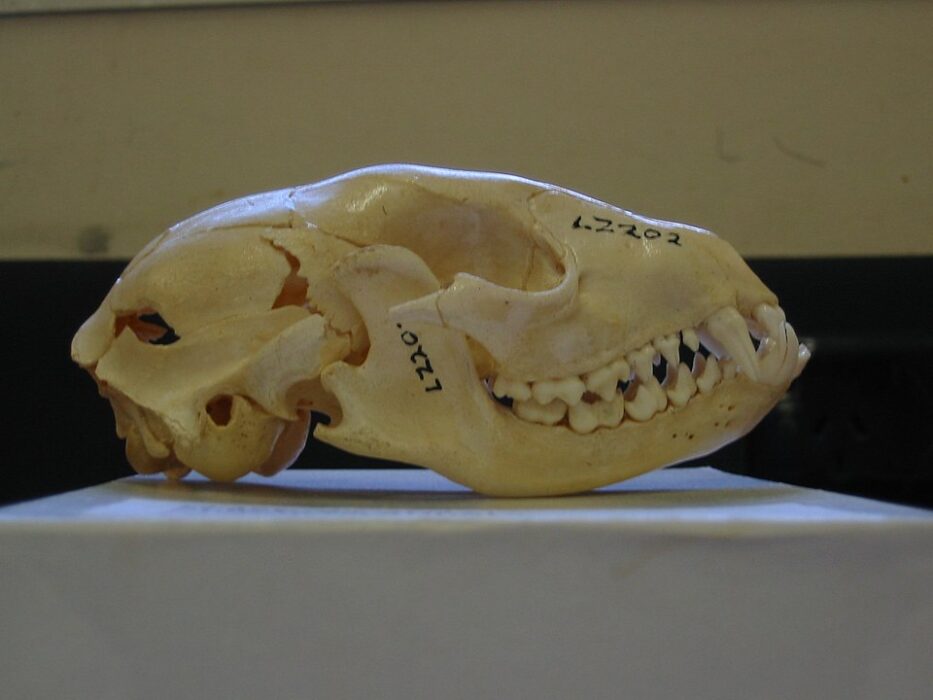
To measure anatomical differences, scientists examined raccoon skulls collected from museums, wildlife agencies, and historical archives. These samples represented individuals from various decades, allowing researchers to compare changes over time.
This long-term dataset made it possible to identify gradual evolutionary trends that would be invisible in short-term studies. It also provided a rare opportunity to directly compare urban and rural specimens across multiple regions.
11. The Findings Highlight How Strongly Humans Shape Animal Evolution
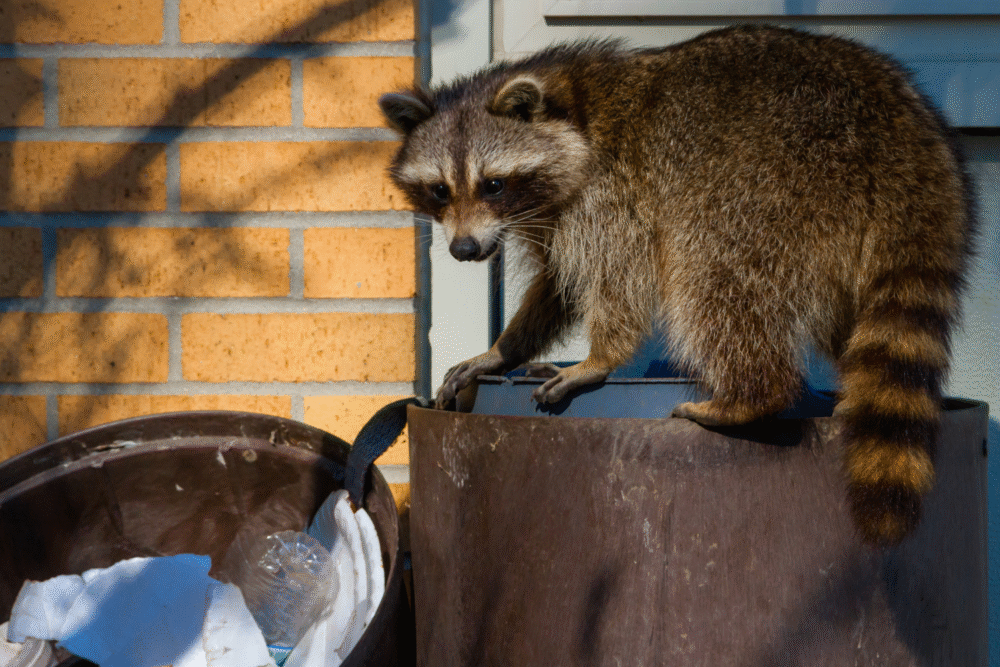
The study reinforces the idea that species living alongside humans face unique pressures that can push them toward domestication-like traits. Urban environments provide food, shelter, and predictable resources, while selecting for animals that tolerate noise, people, and new challenges.
Although raccoons are not domestic animals, these selective forces could continue shaping their anatomy and behavior. The findings underscore how profoundly human activity influences the evolution of wildlife in modern cities.