
New research suggests kissing began with ancient ape ancestors more than 21 million years ago.
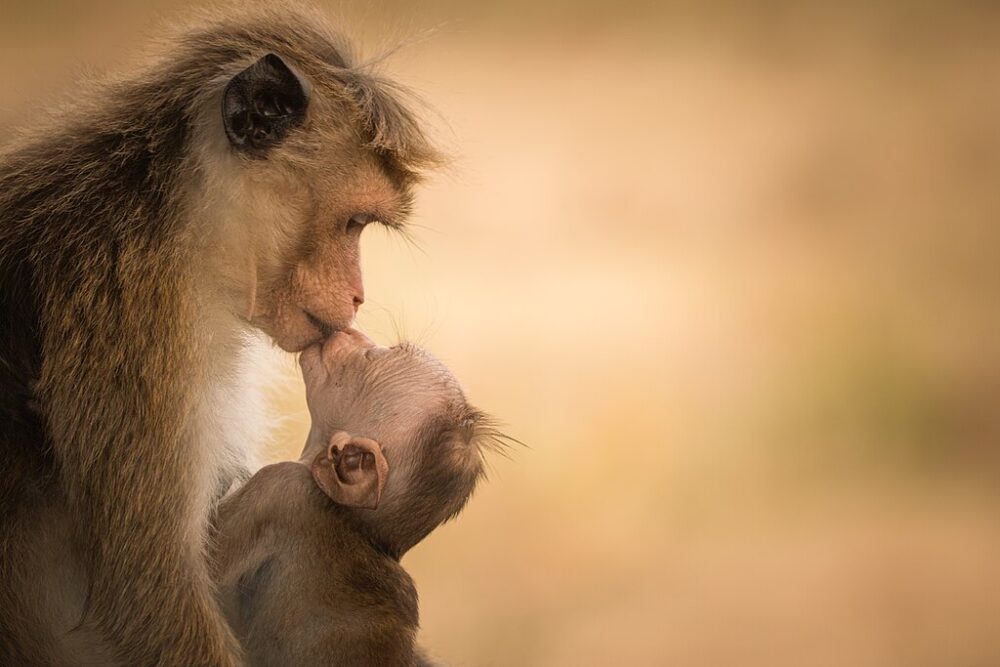
A new study, published in the journal Evolution and Human Behavior, suggests that kissing dates back as far as 21 million years and likely originated with our common ancestor of humans and great apes. Conducted by researchers at University of Oxford and Florida Institute of Technology, the study analyzed affectionate mouth-to-mouth behaviors in bonobos, chimpanzees, gorillas and orangutans, then used statistical modelling to estimate when the trait emerged. The findings challenge the idea that kissing is purely cultural and instead point to deep evolutionary roots.
1. The Study Suggests Kissing Originated in a Common Ancestor of Great Apes
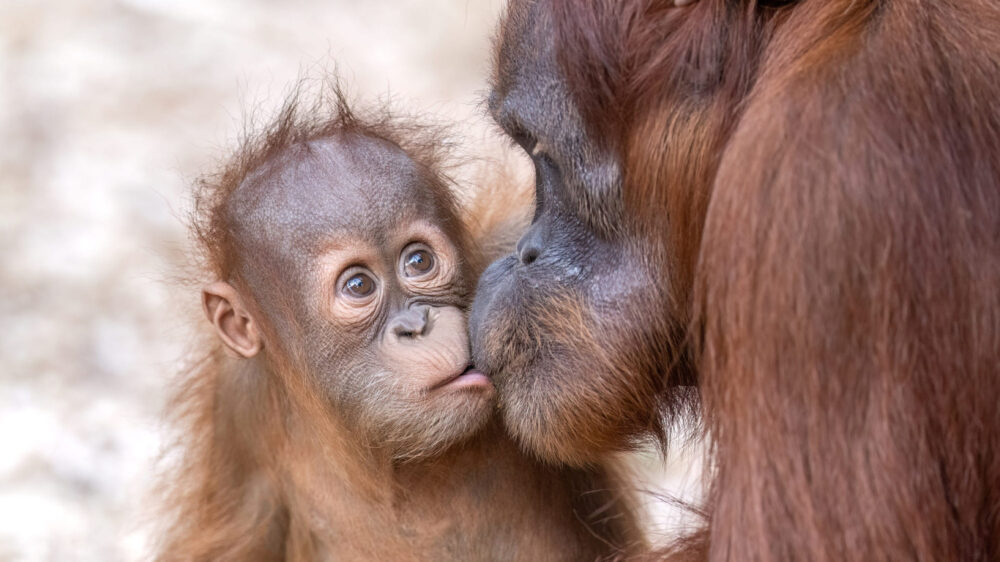
Scientists compared affectionate behaviors across modern great apes and discovered that several species engage in mouth-to-mouth contact resembling kissing. Because these ape lineages diverged from one another millions of years ago, researchers concluded the behavior likely traces back to a shared ancestor that lived around 21 million years ago. This would place the origins of kissing long before humans appeared on the evolutionary timeline.
Understanding when this behavior emerged helps scientists trace the evolution of social bonding and emotional communication among early primates.
2. Chimpanzees and Bonobos Provide Key Clues About Ancient Kissing
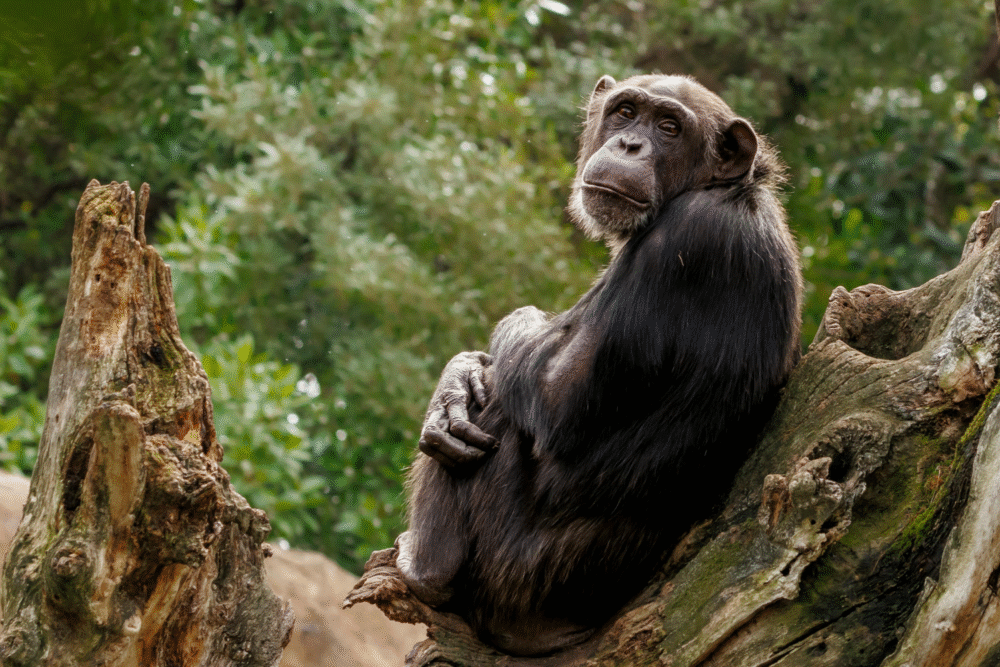
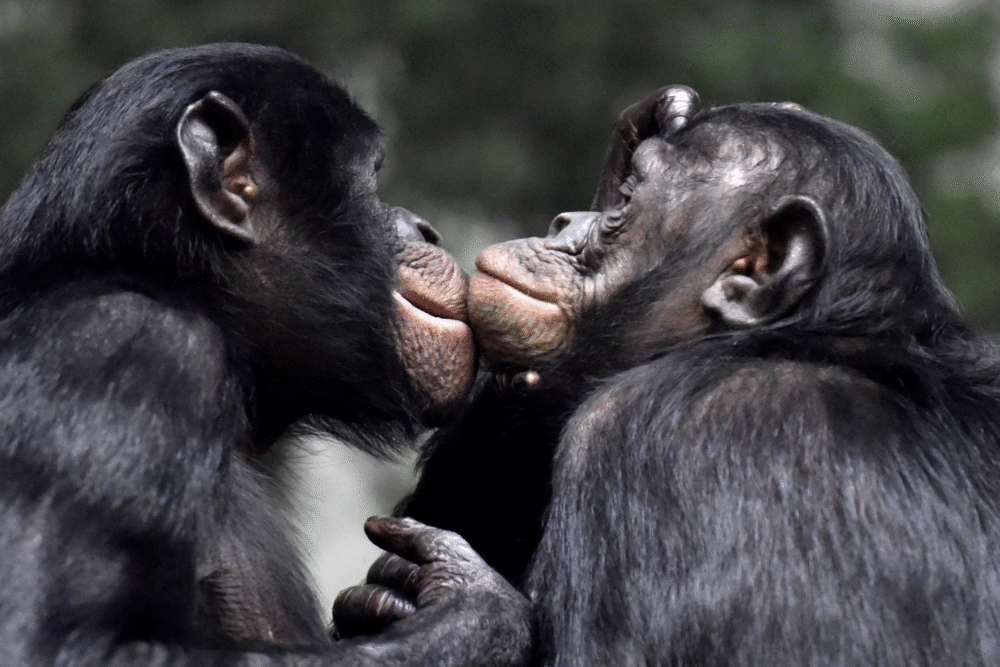
Among modern apes, bonobos and chimpanzees engage in some of the most human-like kissing behaviors, including gentle mouth-to-mouth contact used for comfort, bonding, and reconciliation. Because these behaviors occur naturally and are not learned from humans, they offer important evidence that kissing has deep evolutionary roots.
Researchers note that if two closely related species both retain a behavior, it likely originated before their lineages split. This strengthens the case that kissing predates humans by millions of years.
3. Gorillas and Other Large Apes Also Display Affectionate Mouth Contact
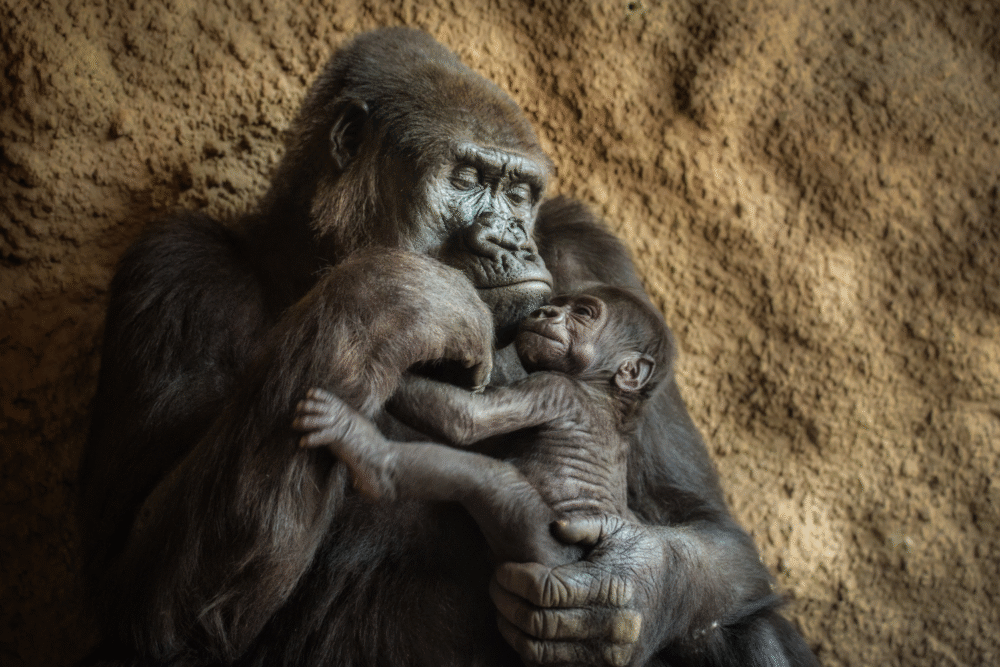
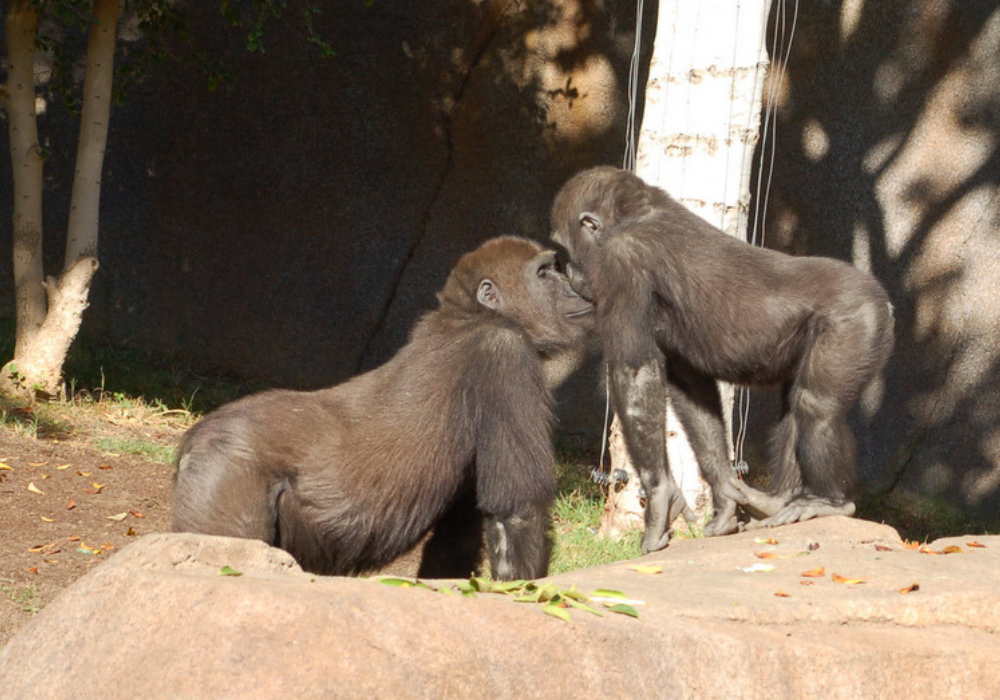
Although less common than in bonobos, gorillas and some other great apes also show forms of affectionate mouth touching. These behaviors may be subtler, but they serve similar social functions such as soothing infants or reducing tension in social groups. Their presence in multiple species further suggests kissing-like behaviors emerged in a distant ancestor rather than arising independently in each lineage.
This broader pattern across apes indicates kissing is more widespread in primate evolution than previously assumed.
4. Kissing Likely Evolved as a Social Bonding Mechanism

Scientists believe early kissing behaviors helped strengthen relationships between individuals. Affectionate mouth contact could reinforce alliances, soothe stress, and maintain family bonds. These functions are essential in social animals that rely on cooperation for survival.
Because early primates lived in complex groups, behaviors that promoted trust and connection would have been highly advantageous. The study argues that kissing did not evolve for romantic reasons initially but as a tool for social cohesion.
5. Ancient Kissing May Have Helped Mothers Bond With Infants
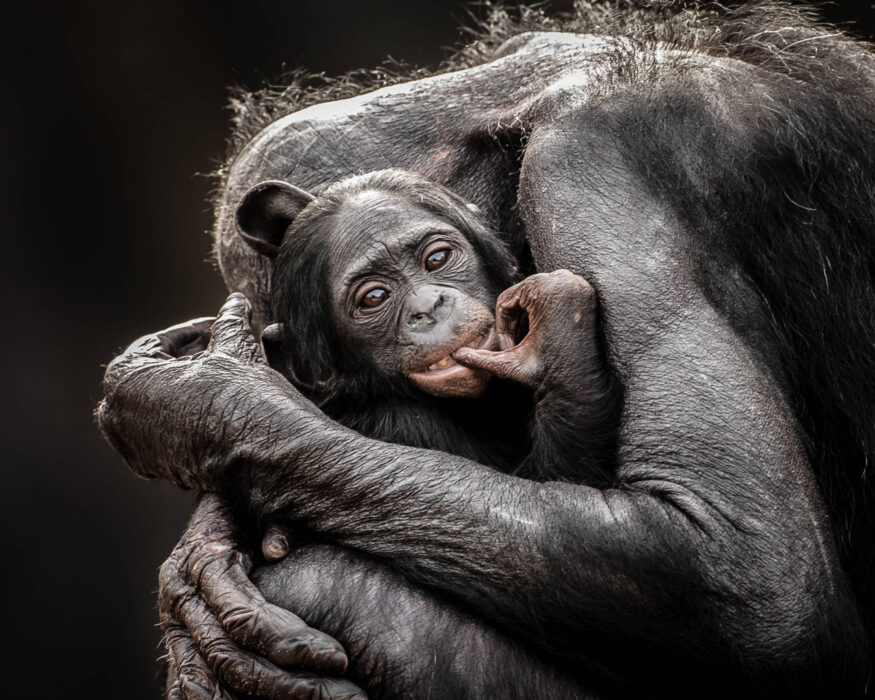
Some researchers suggest that early forms of kissing may have emerged from mother-infant interactions. Many primates touch or nuzzle their offspring’s faces, which fosters attachment and comfort. Over time, these gestures may have evolved into more deliberate forms of mouth-to-mouth contact.
The instinctual nature of these behaviors in modern apes supports the idea that early kissing may have begun as part of parental care. This evolutionary starting point could explain why kissing still plays a strong emotional role today.
6. The Finding Challenges the Idea That Kissing Is a Human Cultural Invention
For years, many anthropologists argued that kissing was primarily cultural, noting that some human societies do not practice romantic kissing. The new research suggests that while cultural differences exist, the underlying behavior may be much older and biologically rooted.
By showing that other apes engage in similar contact, the study provides a strong case that kissing did not originate solely as a human custom but has deep evolutionary foundations.
7. Kissing May Have Helped Early Primates Communicate Emotionally
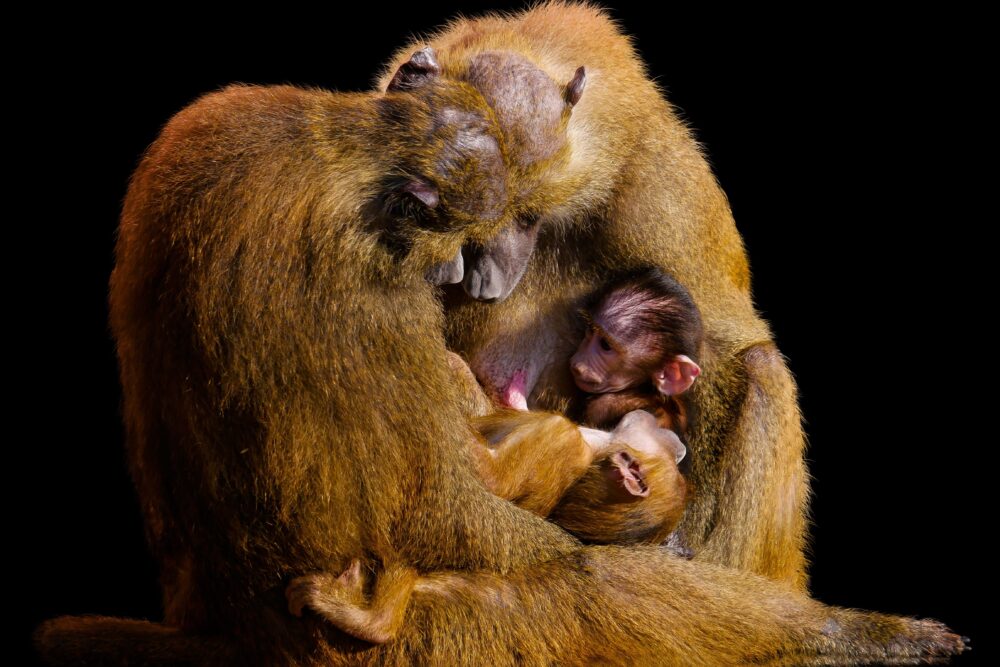
Affectionate behaviors like kissing allow individuals to communicate comfort, reassurance, and trust without vocalizing. Researchers propose that in early primates, this silent communication helped maintain group harmony. Emotional signaling is especially important in species with complex social structures, where misunderstandings can lead to conflict.
Kissing likely functioned as one of many nonverbal tools that early primates used to express intentions and maintain social stability, making it a valuable evolutionary trait.
8. Biological Benefits May Have Reinforced the Behavior
Beyond emotional communication, early mouth-to-mouth contact may have provided biological advantages. Some scientists suggest that sharing scents, tastes, or chemical cues could have helped individuals gather information about health, diet, or reproductive status. Many primates rely heavily on chemical communication, so early kissing behaviors may have carried practical benefits.
These benefits would have encouraged the behavior to persist across generations and species, helping it become a stable feature of primate social life.
9. The Research Uses Behavioral Evidence, Not Fossils
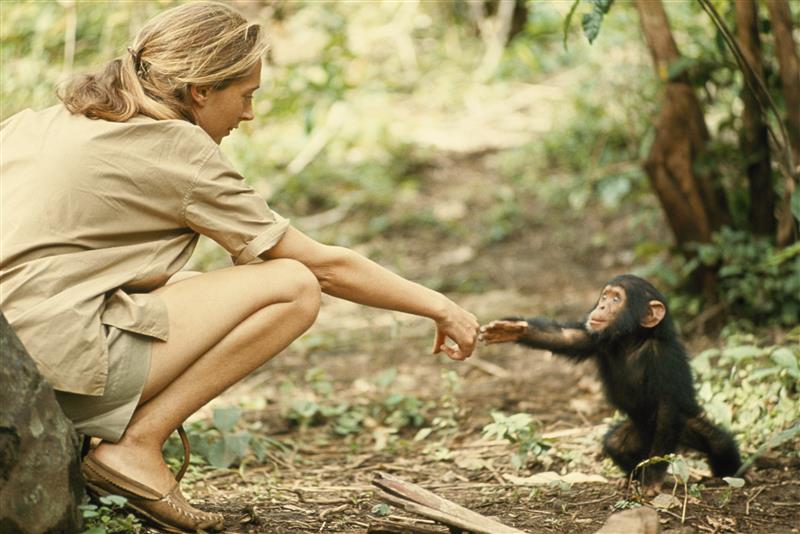
Because kissing leaves no fossil trace, scientists rely on comparative behavior among living species to understand its origins. By studying which apes kiss, how they kiss, and what functions it serves, researchers can infer when the behavior likely emerged. This type of evolutionary detective work is common when examining traits that do not fossilize.
The presence of kissing-like behaviors in multiple modern apes provides strong circumstantial evidence that the behavior originated millions of years before human evolution.
10. The Discovery Offers New Insight Into Human Emotional Evolution

Understanding that kissing predates humans reframes how scientists think about human social behaviors. It suggests that our emotional lives draw from ancient primate instincts rather than recent cultural developments. This perspective highlights the continuity between humans and other apes, showing that many of our most intimate actions are rooted in evolutionary history.
The study’s findings may inspire future research on how other behaviors, once considered uniquely human, may also have deeper ancestral origins.