
Firefighters say one simple power strip mistake is causing thousands of preventable home fires.

Firefighters say many house fires start with one simple mistake: plugging the wrong device into a power strip. While power strips are convenient, they aren’t designed to handle high-wattage appliances or devices that draw continuous heat. Overloading them can cause melting, sparks, or full electrical fires within minutes. Fire departments across the U.S. warn that certain electronics—especially heat-producing ones—should always be plugged directly into a wall outlet. Knowing what to avoid can help prevent one of the most common home fire hazards.
1. Power Strips Aren’t Built to Handle High-Wattage Devices
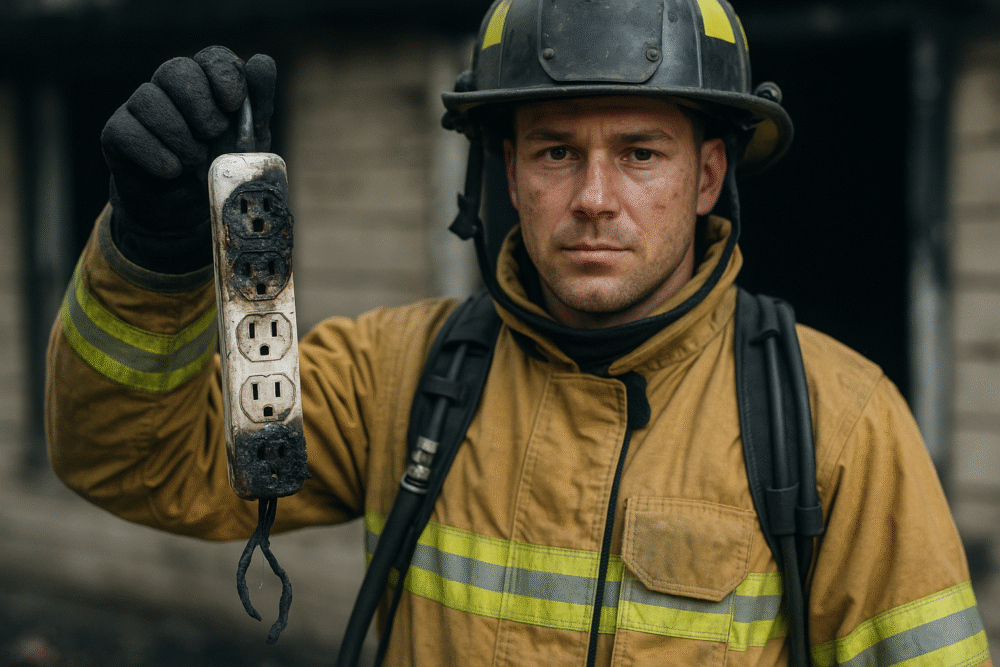
Many people assume power strips work like extra wall outlets, but firefighters say that isn’t true. Power strips are designed for low-to-medium–wattage electronics like computers, lamps, and phone chargers—not equipment that generates significant heat or requires constant, heavy electrical draw. When a device exceeds a strip’s capacity, the wiring inside can overheat, melt, or spark.
That’s why fire departments repeatedly warn against treating power strips as universal plugs. Their internal components simply aren’t engineered for large appliances or anything with a motor, coil, or heating element.
2. Overloading a Strip Can Heat Wires Beyond Their Safe Limit
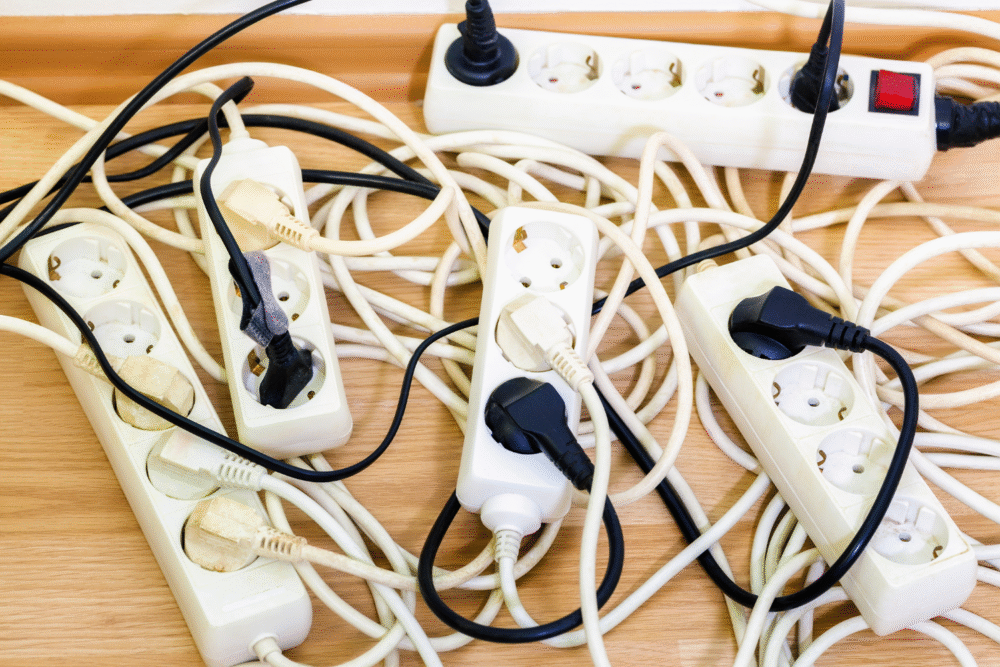
Every power strip has a maximum load it can handle, measured in watts or amps. Many people exceed that limit without realizing it, especially when multiple devices are plugged in at once. As wattage climbs, internal wires may warm to unsafe temperatures, especially if the strip is inexpensive or poorly made.
Firefighters say overloaded strips can start fires behind furniture, under desks, or along baseboards—locations where the heat goes unnoticed until flames appear. Understanding load limits is critical, but most users never check the tiny rating label.
3. Heat-Producing Appliances Are the Most Dangerous Mismatch

Any device that creates heat pulls substantial energy quickly, stressing a power strip’s wiring. Fire departments report that many household fires begin when heat-producing appliances are connected to strips rather than wall outlets. These appliances require a stable, high-amperage supply that only a direct outlet can deliver safely.
When heat and unstable electrical flow combine, plugs and internal components can overheat within minutes. This creates a fire hazard even if the appliance itself is functioning normally, which makes this mistake particularly dangerous.
4. Continuous-Duty Devices Can Overheat a Strip Even at Lower Wattage
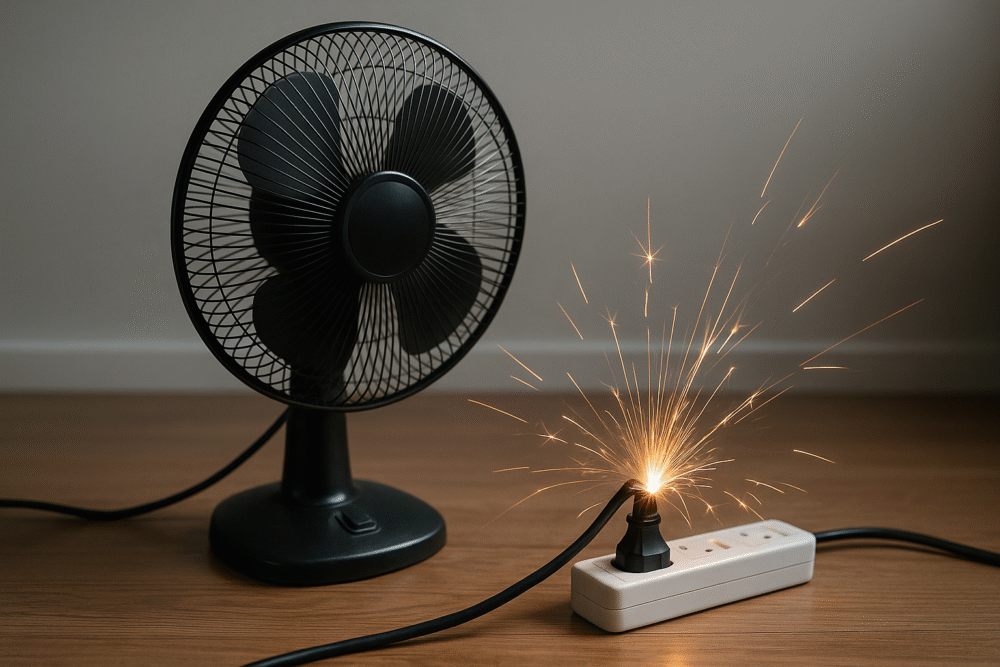
Some devices don’t draw extreme wattage but operate for long hours without a break. This steady demand can gradually heat a power strip to unsafe levels, especially if the strip has limited airflow or sits on carpet or behind furniture. Firefighters say this type of slow overheating often goes unnoticed.
Because continuous devices run quietly and appear harmless, homeowners rarely suspect them as risks. But long-term electrical strain can be just as dangerous as a sudden overload.
5. Cheap or Counterfeit Strips Fail More Easily Under Stress

Not all power strips are created equal. Fire departments frequently warn that low-cost or counterfeit strips—often sold online or in discount stores—may lack proper surge protection, insulation, or internal circuitry. These products are more likely to fail when connected to demanding electronics.
Without safety certifications such as UL or ETL listings, wiring can overheat quickly. Firefighters say these cheaply made strips are responsible for many preventable electrical fires, especially when paired with heavy-duty appliances.
6. Daisy-Chaining Multiple Strips Creates a Hidden Fire Hazard
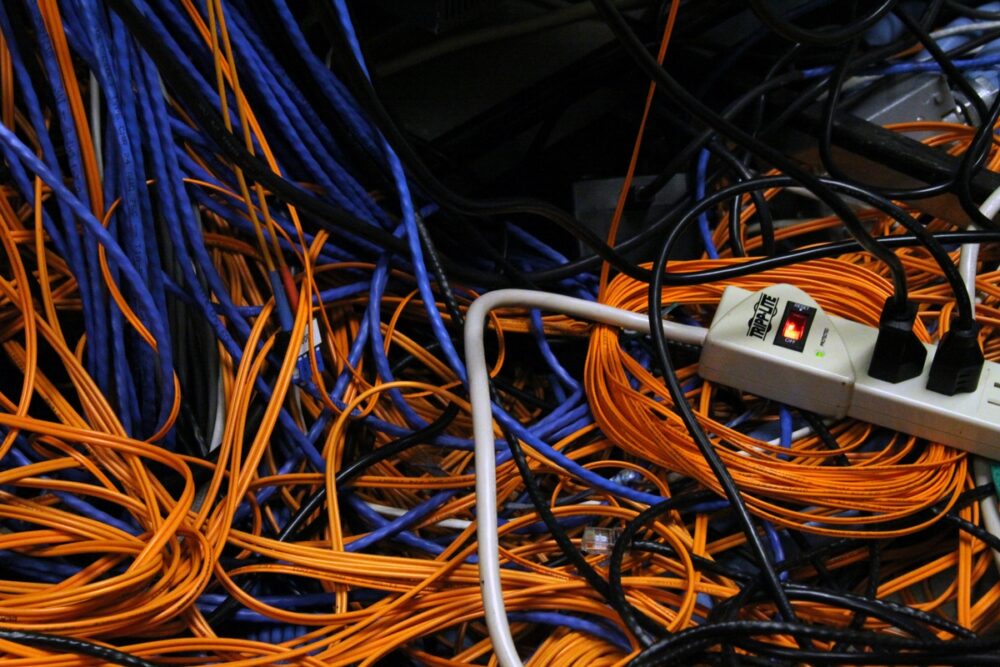
“Daisy chaining” means plugging one power strip into another. Fire departments unanimously warn against this practice because it multiplies the electrical load beyond what any of the strips were designed to handle. Even if each strip has only a few items plugged in, the combined load travels through a single wall outlet.
This makes overheating far more likely. Many homeowners daisy-chain strips behind entertainment centers, desks, or holiday décor where the risk is hidden until a fire breaks out.
7. Extension Cords Plus Power Strips Multiply the Danger

Using a power strip plugged into an extension cord—or vice versa—is another red flag for firefighters. Each connector adds electrical resistance and heat, especially if cords are long, coiled, or thin. Heat builds even faster when the devices connected draw more power than the cords were built to carry.
Fire investigators say they frequently find this combination at the source of house fires, often hidden behind beds, couches, and storage bins. Manufacturers explicitly warn against this setup, yet many people use it without understanding the risk.
8. Using Power Strips in Damp Areas Increases Shock and Fire Risks

Bathrooms, kitchens, laundry rooms, and basements expose power strips to moisture that can corrode internal components and increase the risk of short circuits. Firefighters stress that power strips are intended for dry, indoor environments only—and should never be used in areas where splashing, steam, or condensation occur.
When moisture mixes with heat or overloaded wiring, the risk of fire or electrical shock rises sharply. GFCI wall outlets should always be used in damp locations instead of power strips.
9. Damaged or Worn Strips Become Fire Hazards Even With Small Loads
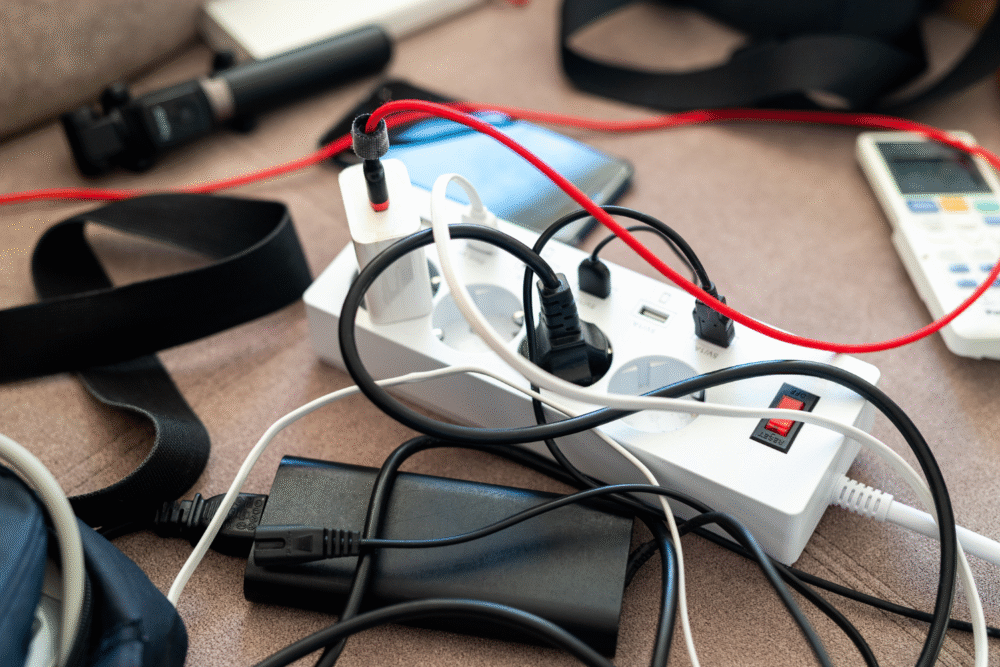
Power strips wear out over time as internal wiring weakens or plastic housings degrade. Frayed cords, loose sockets, scorch marks, or cracked casings are all warning signs. Firefighters report that aging strips may spark or overheat even when powering simple devices like lamps or chargers.
Because these failures happen internally, the danger isn’t always obvious. Replacing worn strips promptly reduces risk, especially in older homes where outlets or circuits may already be taxed.
10. Many Fires Start Because People Don’t Realize Outlets Are Safer Than Strips
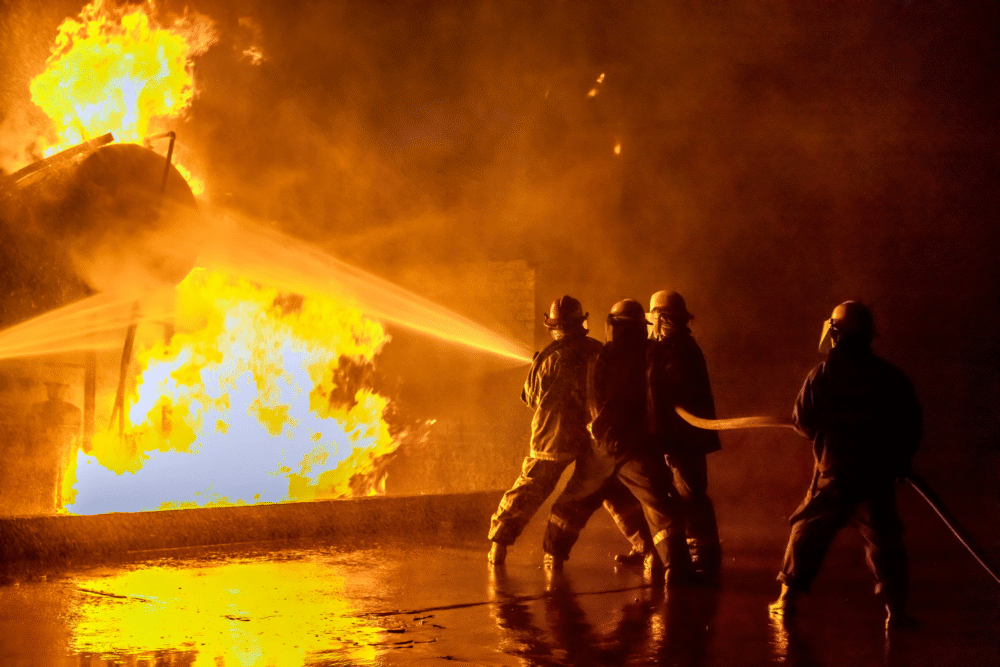
Fire departments emphasize that wall outlets are always safer for high-demand appliances because they connect directly to household wiring designed to handle heavier loads. Power strips are only meant to extend access to low-wattage electronics—not replace the safety of a direct plug.
Misunderstanding this distinction is one of the leading causes of power strip-related fires every year. Correctly matching devices to the right type of electrical connection is one of the simplest ways to prevent a potentially devastating electrical fire.