
Warming temperatures are revealing long-hidden artifacts, mummies, shipwrecks, and ancient landscapes.
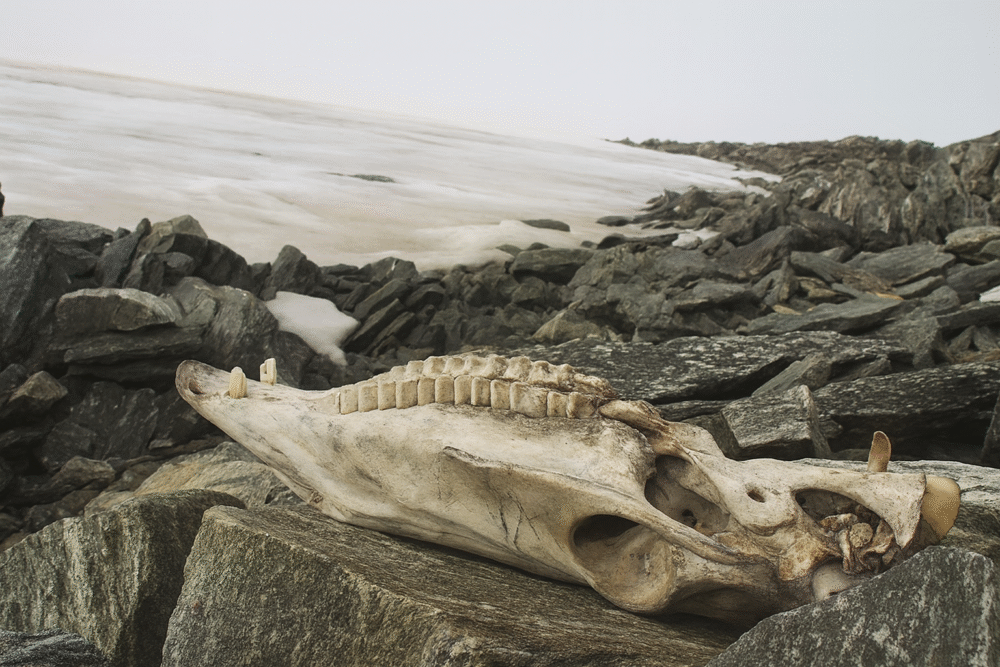
As glaciers retreat, lakes dry up, and coastlines erode, climate change is exposing ancient sites and artifacts that have been sealed away for centuries—sometimes millennia. Archaeologists say the rapid melt is revealing everything from preserved mummies and lost tools to abandoned settlements and forgotten shipwrecks. These finds offer rare windows into human history, but they also highlight how quickly environmental shifts are transforming the planet. Scientists warn that more discoveries are likely as warming accelerates, making preservation a race against time.
1. Melting Glaciers Are Revealing Artifacts Thousands of Years Old
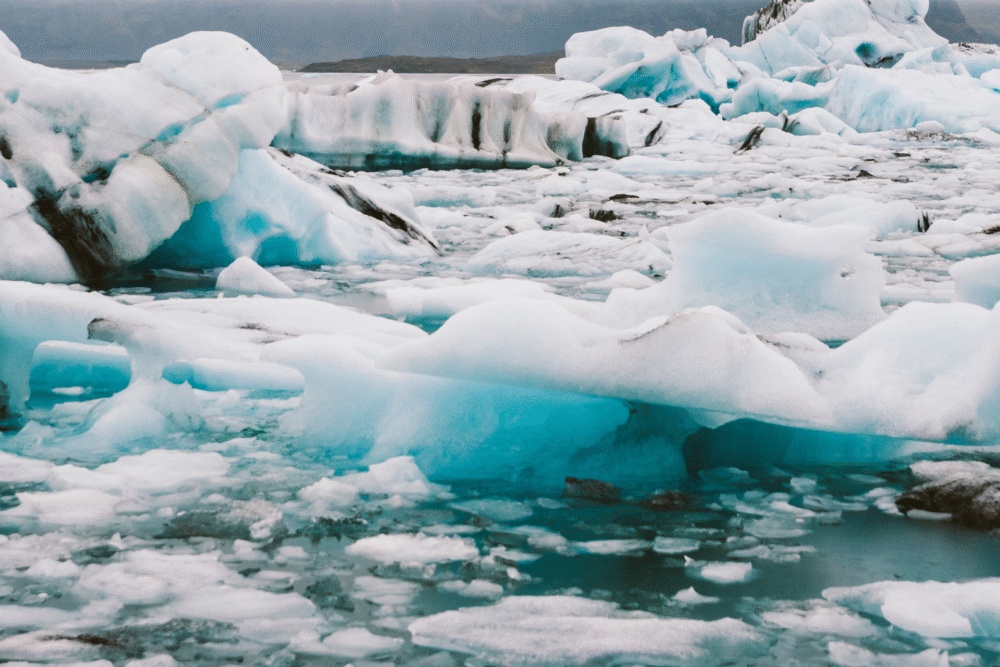
Around the world, fast-melting ice is exposing ancient objects once locked away for millennia. In the Alps, researchers have recovered arrows, clothing, and tools dating back more than 5,000 years. In Norway, ice patches continue to reveal Viking-era items, hunting gear, and even perfectly preserved animal remains. These discoveries were inaccessible until recent decades, when rising temperatures began shrinking long-frozen landscapes.
Scientists say many of these artifacts are so well-preserved because they were sealed in ice soon after being lost. Once uncovered, however, they begin deteriorating quickly, forcing archaeologists to rush to document and preserve them.
2. The Siberian Permafrost Is Releasing Remarkably Preserved Remains
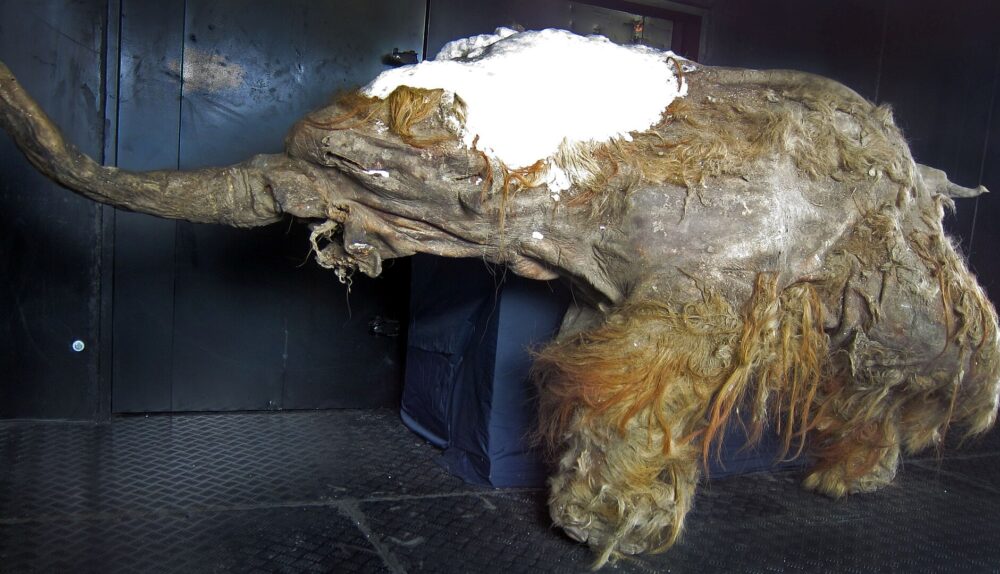
As Siberia’s permafrost thaws, scientists have uncovered ancient mammals frozen in near-perfect condition, including woolly mammoths, cave lion cubs, and Ice Age wolves. Some specimens retain skin, fur, and internal organs—preservation unheard of in most fossil records. These remains allow researchers to analyze DNA and study extinct species in ways that were impossible a generation ago.
The thaw is also revealing human remains and artifacts from early Arctic cultures. But the rapid melt brings risks: once exposed, these finds degrade fast, making recovery and conservation operations increasingly urgent.
3. Retreating Glaciers Are Exposing Lost Mountain Passes and Ancient Routes
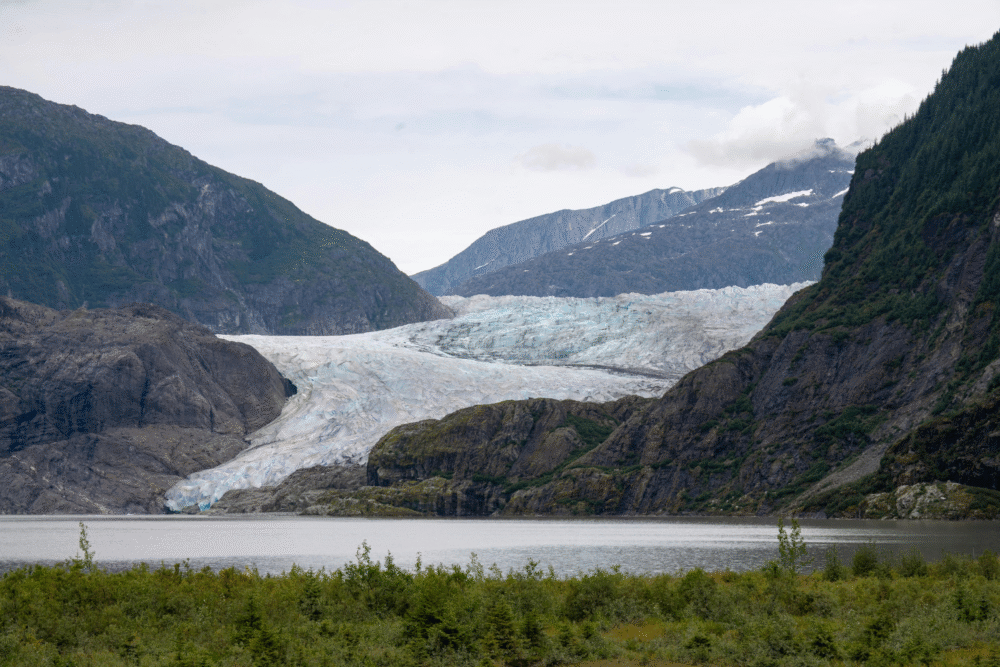
Glacier melt in the Alps, Andes, and Himalayas has uncovered long-buried trails and mountain passes used by traders, hunters, and early civilizations. Some of these routes date back thousands of years, offering new insights into migration, trade networks, and cultural exchange across remote regions. Archaeologists have even found wooden structures, textiles, and food remnants preserved by ice.
These discoveries are reshaping historical timelines, but experts warn that once-exposed artifacts can deteriorate within hours or days. Many teams now monitor melting zones continuously to rescue items before weather or decay destroys them.
4. Droughts Are Revealing Entire Settlements Long Hidden Under Lakes
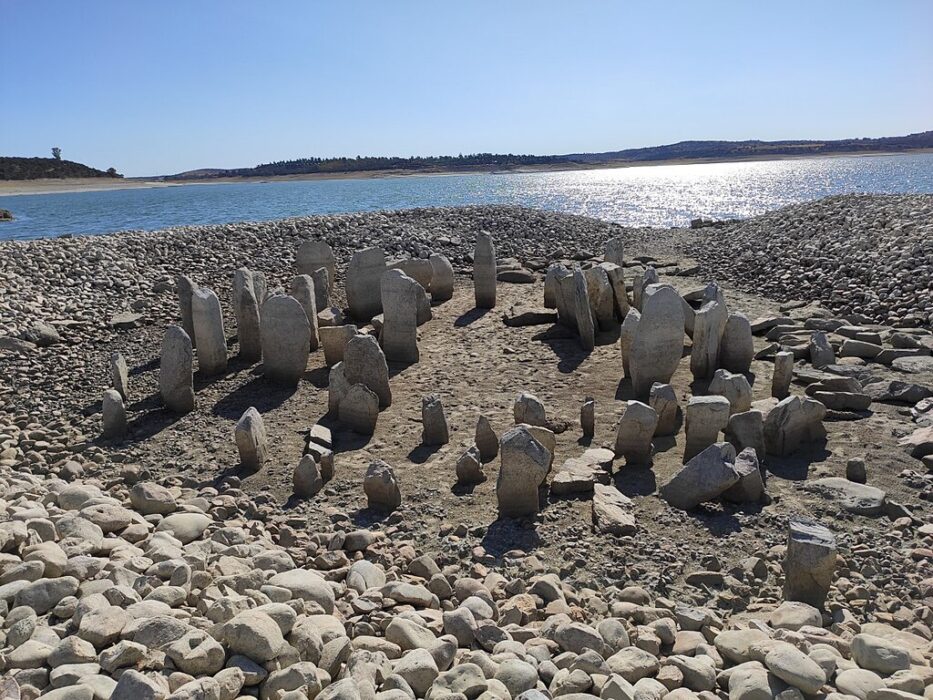
Intense droughts have lowered water levels in reservoirs worldwide, revealing long-submerged towns, cemeteries, and architectural ruins. In Spain, falling lake levels exposed the Dolmen of Guadalperal—nicknamed the “Spanish Stonehenge”—a megalithic monument usually hidden underwater. In the United States, drought in the West has uncovered century-old mining towns and Indigenous artifacts.
These sudden appearances give archaeologists rare opportunities to study sites normally inaccessible. But they also reflect increasing water scarcity and shifting climate patterns, raising concerns about the long-term stability of cultural heritage sites worldwide.
5. Melting Ice in Greenland Is Uncovering Viking and Inuit Artifacts
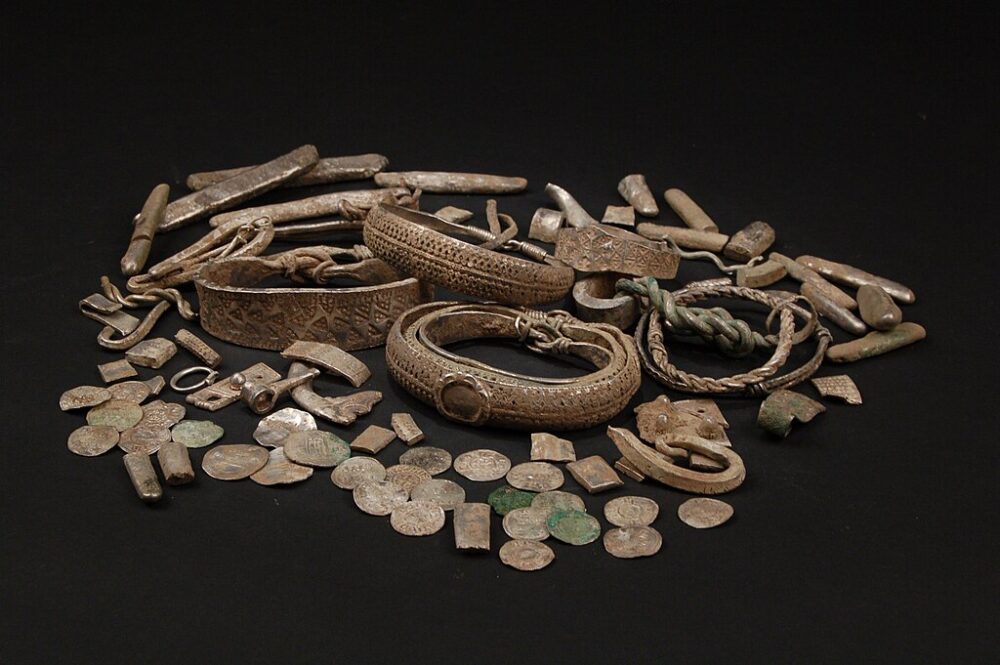
In Greenland, rapid melting of ice fields is exposing artifacts from both Norse and Indigenous Inuit cultures. Archaeologists have found ancient woven clothing, wooden tools, animal bones, and remnants of settlements that once sat along Viking trade routes. Many items are exceptionally fragile because they were preserved in cold, dry conditions.
Researchers say these finds help reconstruct daily life in harsh Arctic environments, but warming temperatures threaten to destroy many archaeological layers before they can be studied. The urgency of excavation has increased dramatically over the past decade.
6. Shrinking Rivers Are Exposing Shipwrecks, Weapons, and Ancient Structures
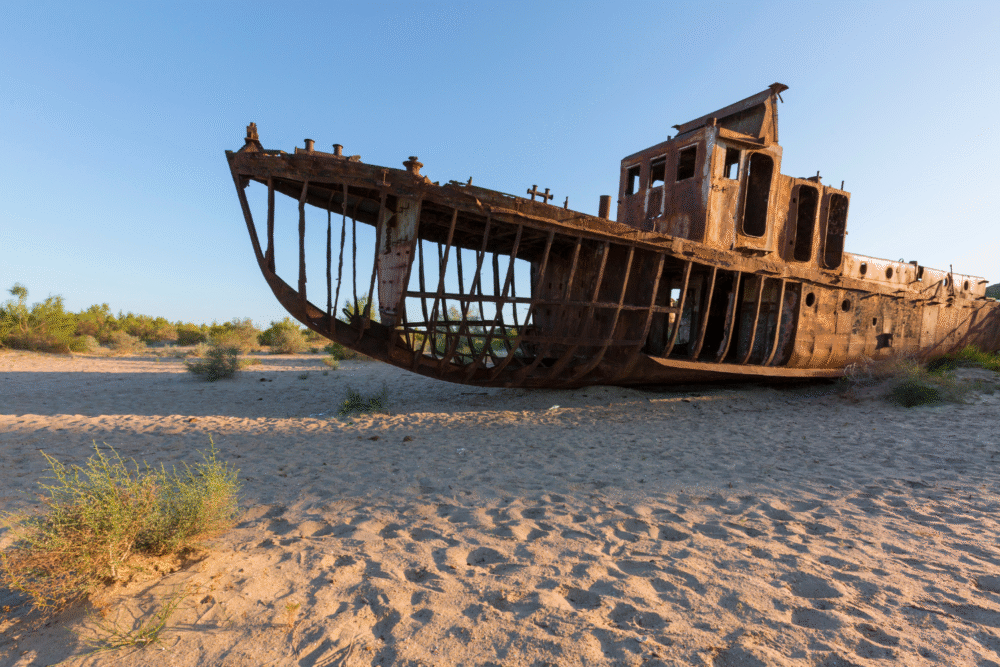
Around the world, receding rivers have revealed shipwrecks, carved stones, medieval bridges, and even Roman-era structures. During recent droughts, Europe’s Danube River exposed World War II shipwrecks, while the Mississippi River uncovered Indigenous artifacts and sunken boats. Similar discoveries have appeared in riverbeds across Asia and South America.
These unexpected sightings give researchers a glimpse into past civilizations and military history. However, shifting river levels can damage exposed structures, prompting concerns about how to preserve fragile materials as climate extremes become more frequent.
7. Frozen Mummies Are Emerging From Ice and Snow
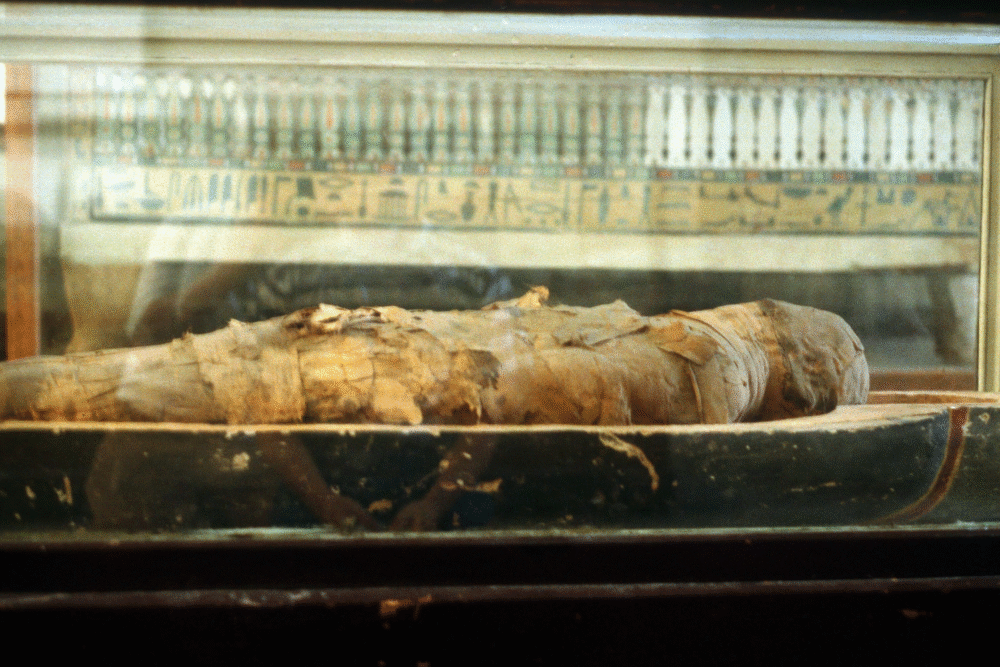
Climatic warming in mountainous regions has led to the discovery of well-preserved mummies that were hidden for centuries. In the Andes, retreating glaciers have revealed Incan child mummies whose clothing, skin, and hair remain intact. Similar finds in the Alps, such as Ötzi the Iceman, continue to yield genetic and cultural insights more than 30 years after their discovery.
These mummies offer unparalleled scientific value, but exposure to air and sunlight can rapidly deteriorate them. Archaeologists now work quickly to stabilize such remains before they are permanently damaged.
8. Desert Expansion Is Uncovering Buried Architecture and Artifacts
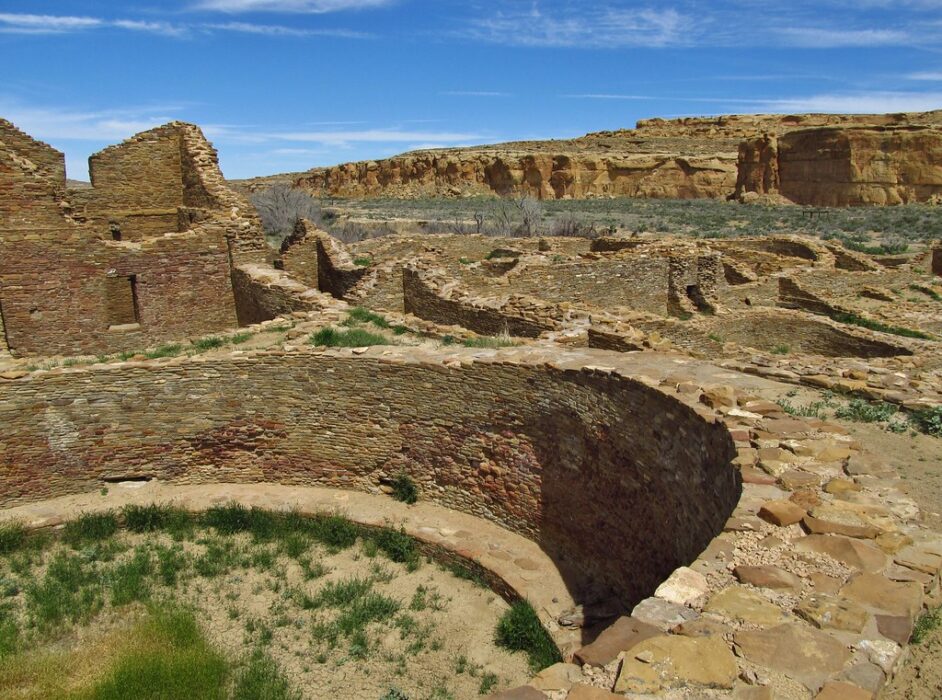
As deserts expand due to hotter temperatures and changing rainfall patterns, sandstorms and erosion have revealed ancient walls, pottery, and forgotten settlements. In regions of the Middle East and North Africa, shifting sands have exposed remnants of early trade centers and agricultural communities that once thrived in more temperate climates.
These reveals help researchers map long-lost cultural landscapes and understand how past societies adapted to climate shifts. However, new exposure also increases risks of looting and erosion, prompting urgent calls for conservation.
9. Thawing Ice Is Revealing Ancient Animal Tracks and Footprints
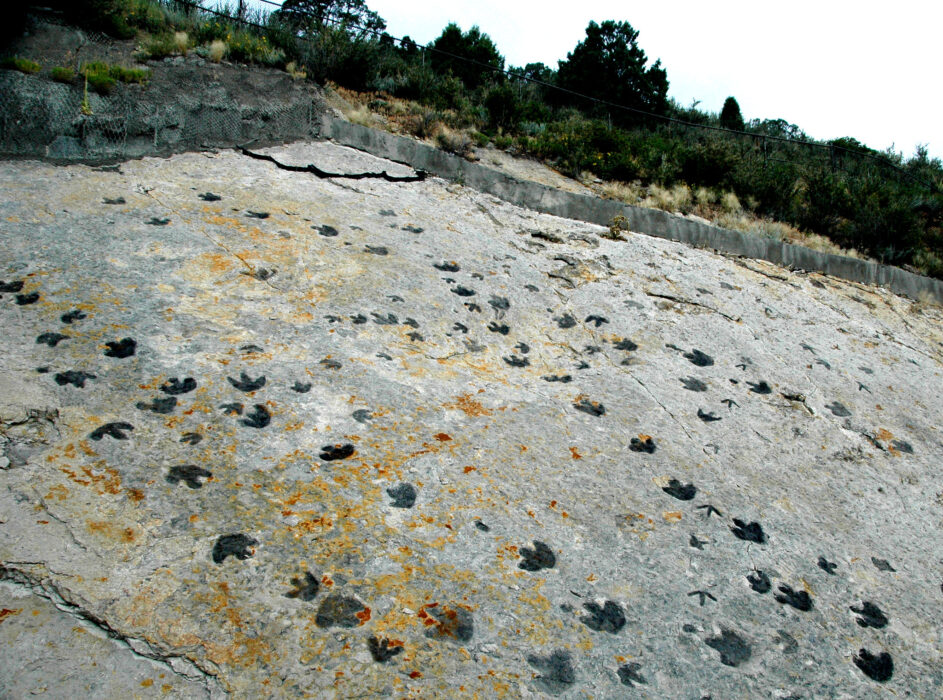
In North America and Europe, thawing ice patches have uncovered fossilized footprints of animals and humans dating back thousands of years. Some sites reveal migration patterns, hunting strategies, and the presence of species that no longer inhabit certain regions. The melting ice also exposes bones and tools that were once vital to early human survival.
These discoveries provide rare information about ecosystems that existed long before written history. But researchers warn that once ice melts, delicate prints and bones can disintegrate quickly unless documented immediately.
10. Coastal Erosion Is Revealing Long-Buried Settlements and Graves
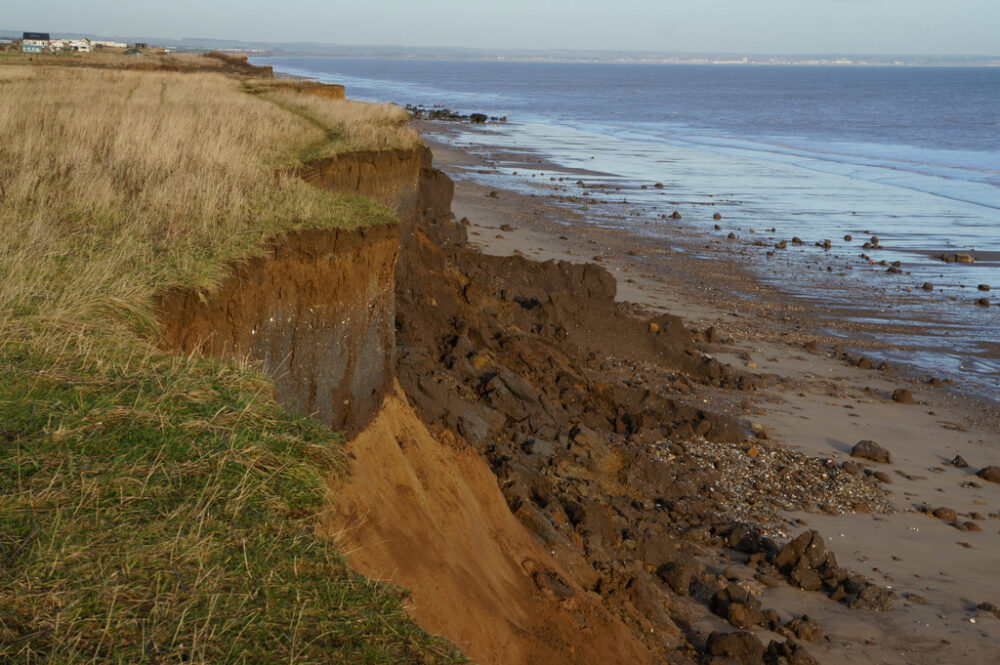
Rising seas and storm-driven erosion are exposing coastal archaeological sites once protected by dunes, peat, and sediment layers. In Scotland, Alaska, and parts of Canada, shoreline collapse has revealed ancient tools, wooden structures, and burial grounds linked to early Indigenous communities. Many sites are centuries old, but rapid erosion is destroying them faster than researchers can study them.
Experts say coastal archaeological loss is accelerating worldwide. Preservation teams race against time to document sites before waves and storms erase them permanently.
11. Scientists Warn More Discoveries—and Losses—Are Coming
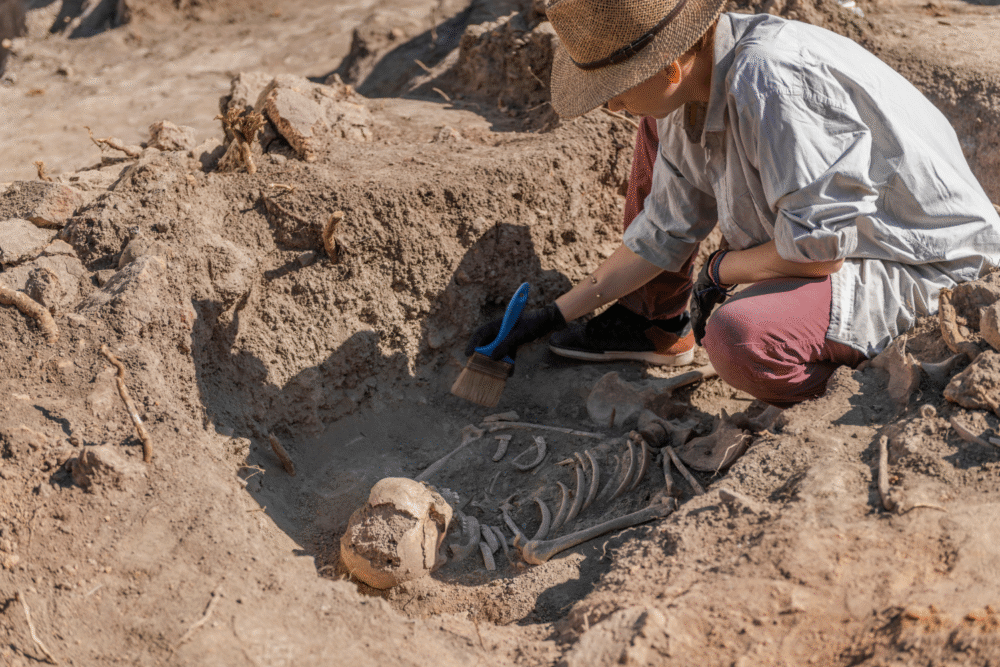
Researchers widely agree that climate change will continue exposing ancient artifacts, fossils, and settlements at an increasing rate. While these discoveries offer extraordinary insights into human and natural history, they also highlight the vulnerability of archaeological sites to rapid environmental change.
As ice melts, rivers dry, and coastlines shift, many newly uncovered artifacts will deteriorate before they can be preserved. Scientists say the coming decades may reveal more ancient material than ever before—but also risk losing priceless heritage faster than experts can protect it.