
A geostationary satellite beamed data at 1 Gbps using a tiny laser, surpassing typical Starlink speeds.

Chinese scientists have demonstrated a major leap in satellite communications by transmitting data from a geostationary satellite using a 2-watt laser—achieving speeds of 1 gigabit per second. That rate is significantly faster than typical Starlink downlink speeds and marks one of the most efficient long-distance laser transmissions ever recorded. The test relied on advanced optics to stabilize the beam across 36,000 kilometers of space. Experts say the breakthrough could reshape future internet infrastructure and intensify global competition in orbital communications.
1. China’s Satellite Achieved a Record-Breaking Laser Downlink From 36,000 km
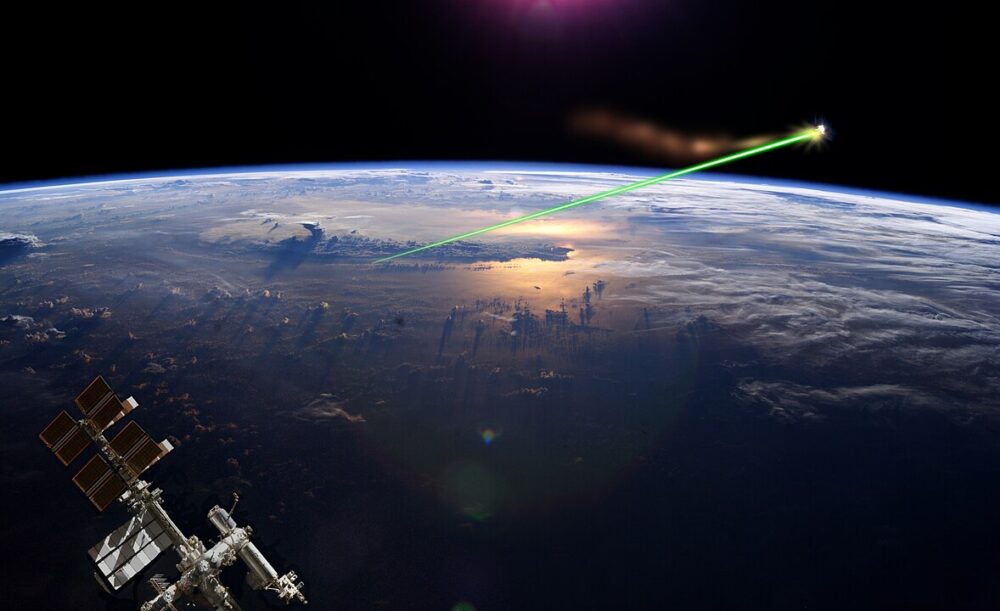
Chinese researchers successfully transmitted a 1 Gbps laser signal from a satellite in geostationary orbit—around 36,000 kilometers above Earth. Achieving this data rate with only a 2-watt laser is considered an impressive engineering feat, because such long-distance laser links typically suffer from beam distortions and atmospheric interference.
Scientists say this experiment shows how rapidly optical satellite communications are advancing. If scaled, the technology could support high-speed global internet coverage using far less power than radio-based systems, potentially reducing costs while dramatically improving transmission efficiency in space.
2. The 2-Watt Laser Surpassed Typical Starlink Speeds

Reports comparing the test to Starlink note that the satellite’s 1 Gbps downlink is several times faster than average Starlink user speeds in many regions, which often range from about 100–200 Mbps. While the technologies are not directly comparable, the experiment demonstrates that laser-based communications can outperform radio frequencies under ideal conditions.
Researchers emphasize that the test was a controlled experiment rather than a commercial deployment. Even so, the result highlights how optical communications could compete with or complement existing satellite broadband systems in the future.
3. Advanced Optics Helped Stabilize the Beam Through Earth’s Atmosphere

Sending a laser across 36,000 km typically leads to distortions caused by atmospheric turbulence. To overcome this, the Chinese team used adaptive optics and a “mode diversity” reception technique that corrects distortions in real time and strengthens the incoming signal.
This combination allowed the satellite to maintain a stable 1 Gbps transmission despite the extreme distance. Experts say these technologies could become critical for future space-based networks, especially those relying on optical links for long-range, high-capacity data transfer.
4. The System Demonstrates High Efficiency With Extremely Low Power

Achieving gigabit speeds with a 2-watt laser is notable because most high-power laser communication systems require far more energy. Researchers say the experiment shows how compact optical transmitters could enable more energy-efficient satellites, potentially lowering launch and operating costs.
If widely adopted, low-power laser systems could reshape how future constellations are designed. Smaller, lighter satellites might carry more capable communication payloads without adding significant battery or solar requirements, improving sustainability and reducing mission costs.
5. Laser Communication Avoids Radio Frequency Congestion

One advantage of optical links is that they don’t compete with crowded radio frequencies used by satellites, aviation, broadcasting, and military systems. By shifting communication to laser beams, satellites can transmit large amounts of data without interfering with other networks.
Experts say this capability is increasingly important as satellite constellations grow. With thousands of spacecraft already in orbit, alternatives to radio spectrum are becoming essential, making laser communication a strategic technology for future communications infrastructure.
6. Laser Signals Are Harder to Intercept Than Radio Waves

Laser communication offers greater privacy and security because its narrow beam is difficult to intercept without being directly in its path. This makes optical links attractive for secure government, military, and commercial transmissions.
The Chinese experiment demonstrates how even low-power lasers can deliver fast and potentially secure signals across long distances. Analysts say countries are likely to invest more heavily in similar systems as global competition for secure space communication grows.
7. Starlink Uses Radio Waves, Making Direct Comparisons Complex
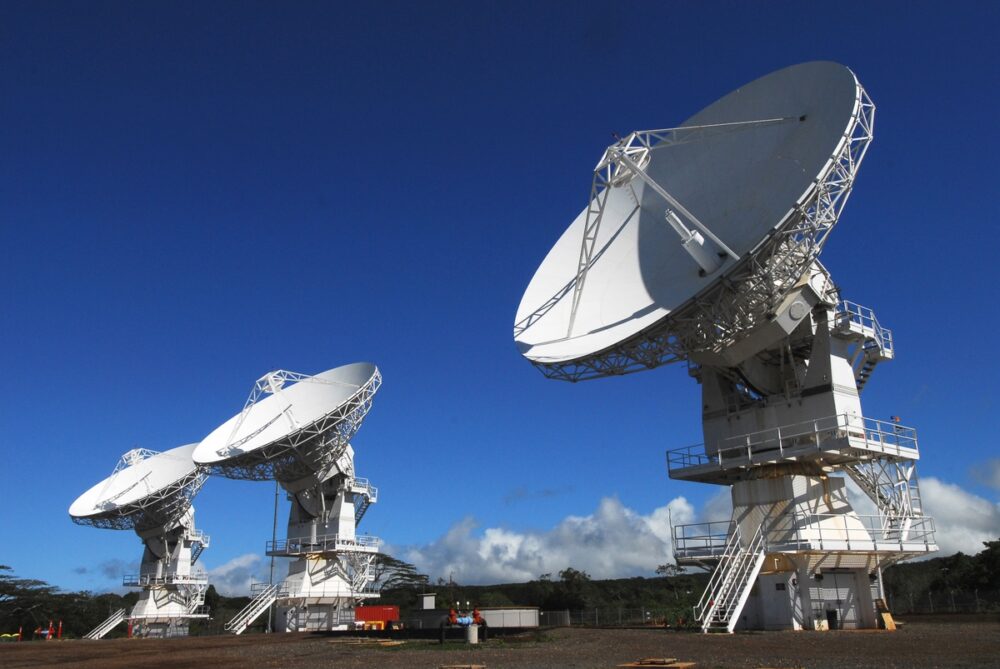
While headlines often compare the Chinese laser test to Starlink, the two systems rely on different technologies. Starlink uses radio frequencies optimized for mobile users, distributed coverage, and real-world obstacles like weather and terrain. Laser-based links excel in controlled experiments and long-distance point-to-point scenarios.
Experts caution that outperforming Starlink in a single high-altitude test doesn’t mean laser systems are ready to replace global broadband networks. However, the experiment highlights how optical technology could eventually complement or rival radio-based systems.
8. China Has Been Investing Heavily in Optical Satellite Communication

Chinese research institutions have expanded their work on satellite laser communications over the past decade. The recent demonstration fits within a broader effort to develop high-speed space infrastructure that could support future deep-space missions, lunar communications, and next-generation internet systems.
These investments place China among the leading nations exploring advanced optical systems. Analysts say the global race for high-speed space communication is accelerating as more countries test experimental laser networks.
9. Geostationary Laser Links Could Transform Global Internet Coverage

Laser communication from geostationary orbit eliminates the need for large constellations by allowing a single satellite to cover a broad region. If gigabit-level downlinks become reliable, GEO satellites could offer high-speed service with fewer spacecraft than low-Earth-orbit constellations like Starlink.
Although still experimental, the test suggests a potential shift in how satellite broadband networks are built. The ability to transmit large amounts of data efficiently from far above Earth could reshape the economics of global connectivity.
10. Atmospheric Conditions Remain the Biggest Challenge

Despite the success, optical communication still faces hurdles. Clouds, fog, and atmospheric distortions can block or weaken laser beams, limiting their performance in certain weather conditions. Researchers are developing backup radio links and hybrid systems to address these vulnerabilities.
Experts say the Chinese experiment is a promising step, but real-world deployment will require systems that adapt to constantly changing environmental conditions. Future networks may combine lasers with traditional radio methods to ensure reliable coverage.
11. The Breakthrough Signals Rising Competition in Space Communications
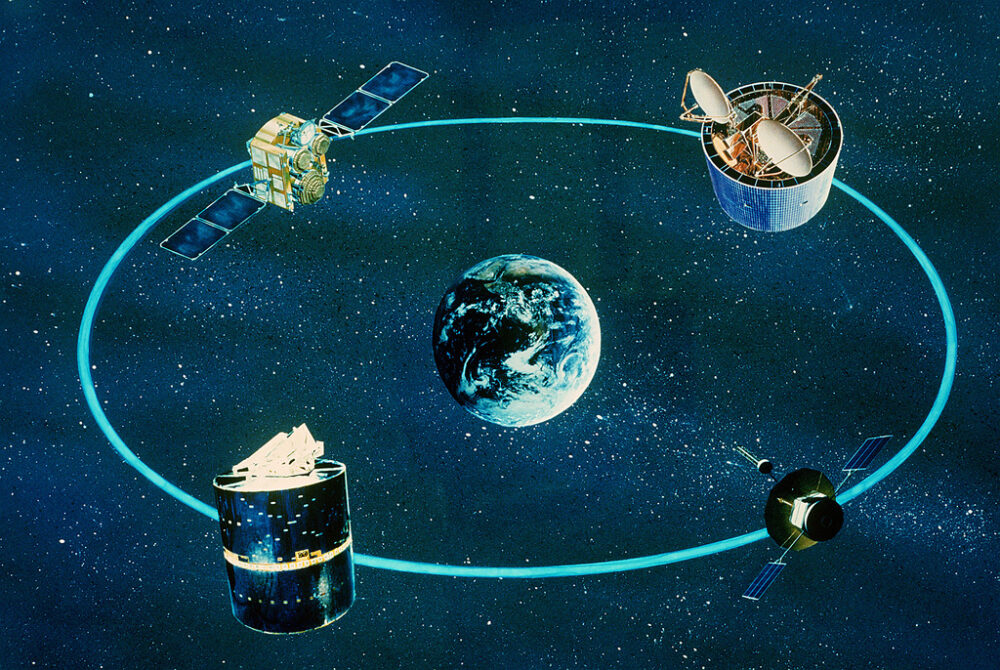
The experiment underscores the growing global race to build faster, more secure space-based communication systems. The ability to send gigabit speeds across vast distances with minimal power is a major milestone, and analysts say it will likely accelerate development in both China and the U.S.
While laser communication is still emerging, this achievement highlights a technological direction that could reshape satellite internet, defense communications, and deep-space missions. As nations push for leadership in orbital technologies, breakthroughs like this one are becoming critical strategic advantages.