
Before the tea-fueled protests, revolution quietly brewed in crowded coffeehouses where colonists gathered to argue, organize, and challenge British rule.

Long before the Declaration of Independence was signed, the seeds of revolution were being planted in bustling colonial coffeehouses. These lively gathering spots became hubs for debate, political gossip, newspaper sharing, and strategic planning among frustrated colonists. Merchants, writers, and early patriots met over steaming cups of coffee to question British policies and imagine a different future. According to historians, these conversations played a critical role in shaping the ideas and alliances that eventually ignited the American Revolution.
1. The London Coffee House Became Philadelphia’s Center of Revolutionary Debate

Opened in 1754 by printer William Bradford, the London Coffee House quickly became the beating heart of Philadelphia’s political and commercial life. Merchants gathered there to read newspapers, trade information, and react to the latest news from Britain. The constant flow of ships and letters made it one of the first places colonists heard about new laws or taxes.
As tensions grew, the coffeehouse became a hub for discussions about resistance, boycotts, and coordination with other colonies. Many early anti-British arguments took shape in its crowded rooms long before the Revolution began.
2. Merchants Coffee House in New York Became a Hotspot for Patriot Organizing
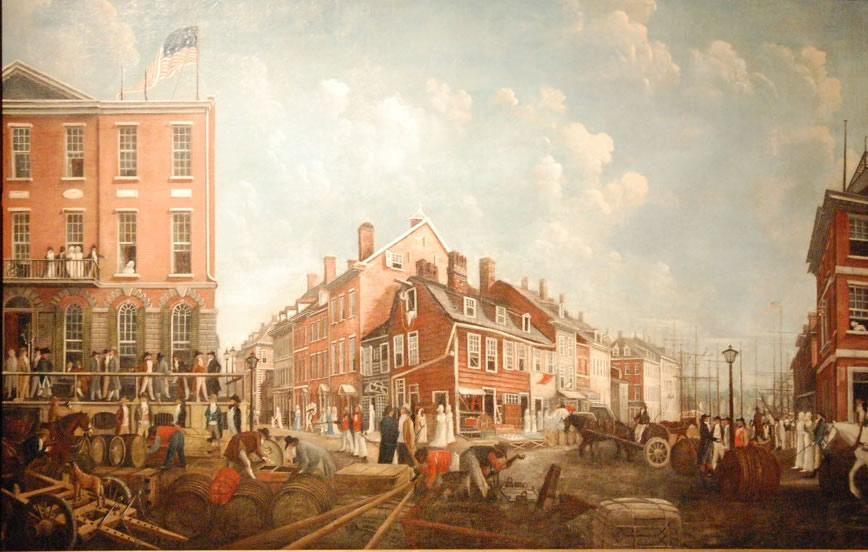
Located on Wall Street, Merchants Coffee House served as New York City’s central meeting place for merchants, ship captains, printers, and politically engaged citizens. Patrons gathered there daily to read newspapers, debate trade restrictions, and react to British decisions that affected colonial commerce.
The coffeehouse played such a central role in political life that the Declaration of Independence was publicly read there in 1776. Its open environment allowed shopkeepers and traders to join the debate, helping unify New Yorkers in their growing frustration with British rule.
3. Boston’s Crown Coffeehouse Helped Spread News and Political Outrage

In mid-18th-century Boston, the Crown Coffeehouse was one of the city’s busiest public gathering spots. Newspapers circulated through its rooms, and visiting merchants brought political gossip from ports across the colonies. The constant flow of information made it an ideal place to discuss new taxes, military actions, and public protests.
Because Boston was often the first city impacted by British policies, the Crown Coffeehouse became a center for early resistance conversations. Many grievances that fueled the Revolution spread through its patrons long before they took the form of organized protests.
4. The Green Dragon Tavern Forged Bonds Among Boston’s Revolutionary Leaders
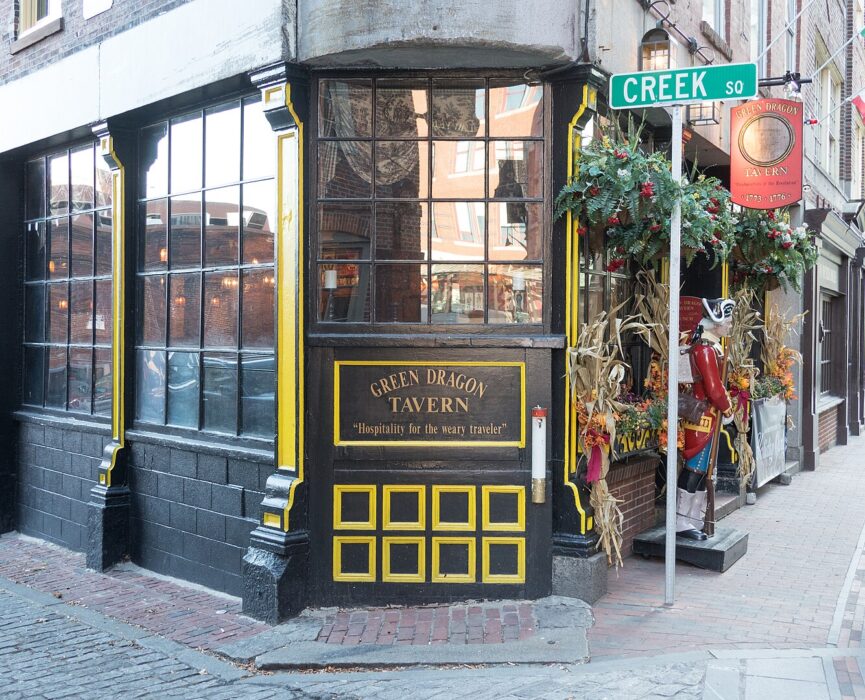
Although technically a tavern, the Green Dragon functioned like a political coffeehouse and became known as the meeting place of the Sons of Liberty. Figures such as Paul Revere, Samuel Adams, and Joseph Warren gathered in its rooms to debate strategy, organize protests, and plan responses to British actions.
Historians believe parts of the Boston Tea Party may have been coordinated there. The Green Dragon’s reputation for frank political discussion made it a symbol of Boston’s rebellious spirit and a major contributor to early revolutionary organization.
5. Coffeehouses Worked as Early Reading Rooms for Newspapers and Pamphlets

In an era when few people subscribed to newspapers, coffeehouses served as essential public reading spaces. Newspapers from across the colonies—and from London—were delivered directly to places like the London Coffee House and Merchants Coffee House. Patrons shared articles aloud, debated them, and copied key passages into personal notebooks.
This open access to information helped create an informed public capable of debating rights, taxation, and representation. Without these reading hubs, revolutionary ideas would have spread much more slowly.
6. Business Discussions in Coffeehouses Turned Into Political Resistance
Merchants relied on coffeehouses to track shipping news, exchange letters from overseas, and negotiate deals. Locations such as the London Coffee House and Merchants Coffee House functioned as informal financial centers. As British trade restrictions tightened, these discussions naturally shifted from business concerns to political grievances.
Economic frustrations gave merchants strong reasons to oppose imperial policies. Their influence and networks helped legitimize early resistance and turn scattered discontent into organized action across multiple colonies.
7. Coffeehouses Helped Spread Anger Over the Stamp Act
When Parliament passed the Stamp Act of 1765, coffeehouses immediately filled with debate. In Boston, Philadelphia, and New York, patrons gathered to examine newspapers outlining the law’s requirements and to consider how the new taxes would affect everyday life.
These discussions fueled public outrage by allowing citizens to compare grievances and realize their frustrations were widely shared. Coffeehouses helped transform the Stamp Act from an annoyance into a unifying cause, leading to boycotts and the formation of early resistance groups.
8. Committees of Correspondence Drew Strength From Coffeehouse Networks
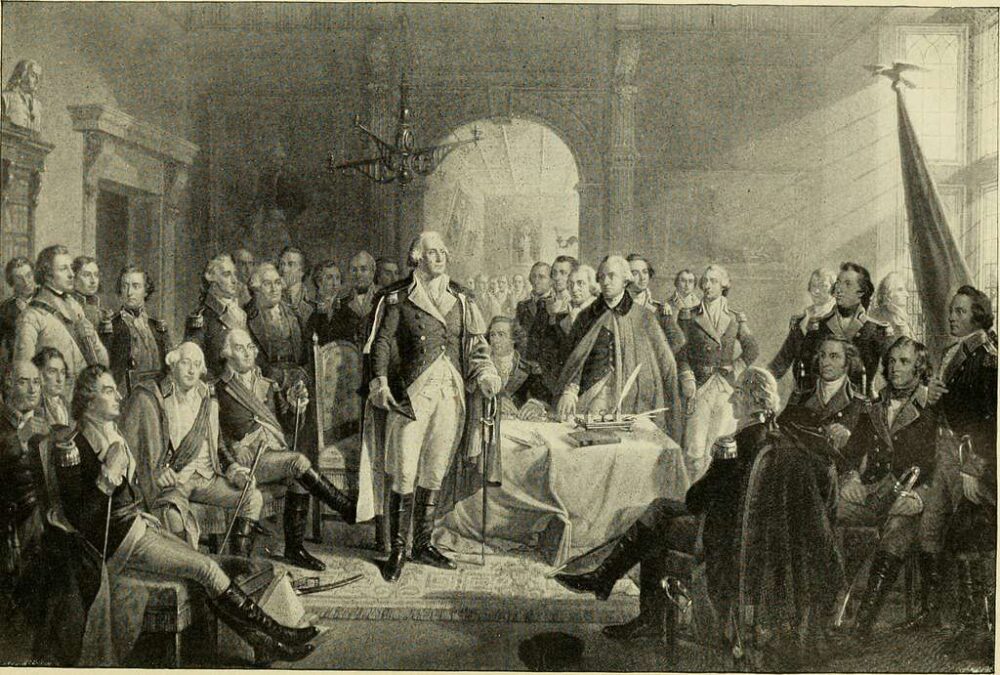
Committees of Correspondence relied on fast, reliable communication—and coffeehouses provided exactly that. These establishments served as natural hubs for distributing letters, sharing intelligence, and recruiting supporters. In cities such as Boston and New York, members frequently used coffeehouses as informal meeting points.
The rapid transfer of information allowed colonists to coordinate protests and monitor British movements more efficiently. Coffeehouse conversations helped link different cities together, building the early framework of intercolonial cooperation.
9. Strategic Locations Made Coffeehouses Critical for Spreading News
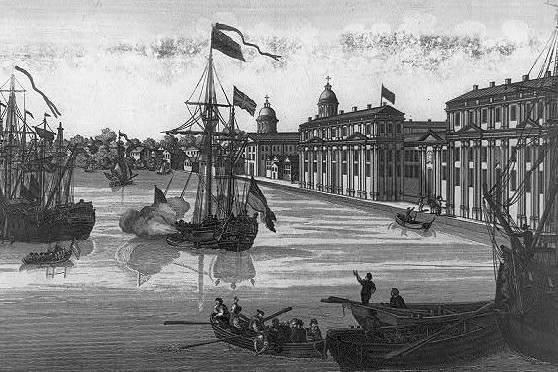
Coffeehouses were often placed near shipping docks, printing shops, and government buildings, giving them immediate access to incoming letters, gossip, and political updates. The London Coffee House, for example, sat near Philadelphia’s busiest port area, making it one of the first places where new information arrived.
Because news traveled through these spaces faster than official notices, coffeehouses became essential for shaping public reaction. Their locations helped ensure that political shifts spread quickly through the population.
10. Coffeehouses Allowed Debate Across Class Lines

Unlike private clubs or assemblies, coffeehouses allowed merchants, artisans, and everyday citizens to meet on more equal footing. Places like Merchants Coffee House and the Crown Coffeehouse brought together people with different backgrounds who shared a common interest in news and debate.
This mix created an environment where ideas spread horizontally through society, not just from elites downward. The Revolution depended on widespread support, and coffeehouses played a major role in building that sense of shared purpose.
11. Some Coffeehouses Quietly Hosted Militia Discussions

As tensions grew, certain groups met in coffeehouses to strategize about defense and security. In Boston and New York, political leaders and sympathizers used these spaces to exchange information about British troop movements and discuss forming local militias.
These meetings were rarely formal or advertised but helped create the early organizational structure that later became essential to colonial military readiness. The informal nature of coffeehouses made them ideal for discreet planning.
12. British Officials Became Concerned About Coffeehouse Politics

British authorities recognized that coffeehouses—especially influential ones like Merchants Coffee House—regularly hosted political debate and spread anti-British sentiment. They viewed these establishments as potential breeding grounds for resistance.
This suspicion sometimes led to surveillance or warnings, which only heightened the public’s perception that coffeehouses were places where liberty could be safely discussed. Their growing reputation as centers of dissent helped solidify their role in the revolutionary movement.