
These ancient stories carry warnings, wisdom, and lessons passed down through generations.
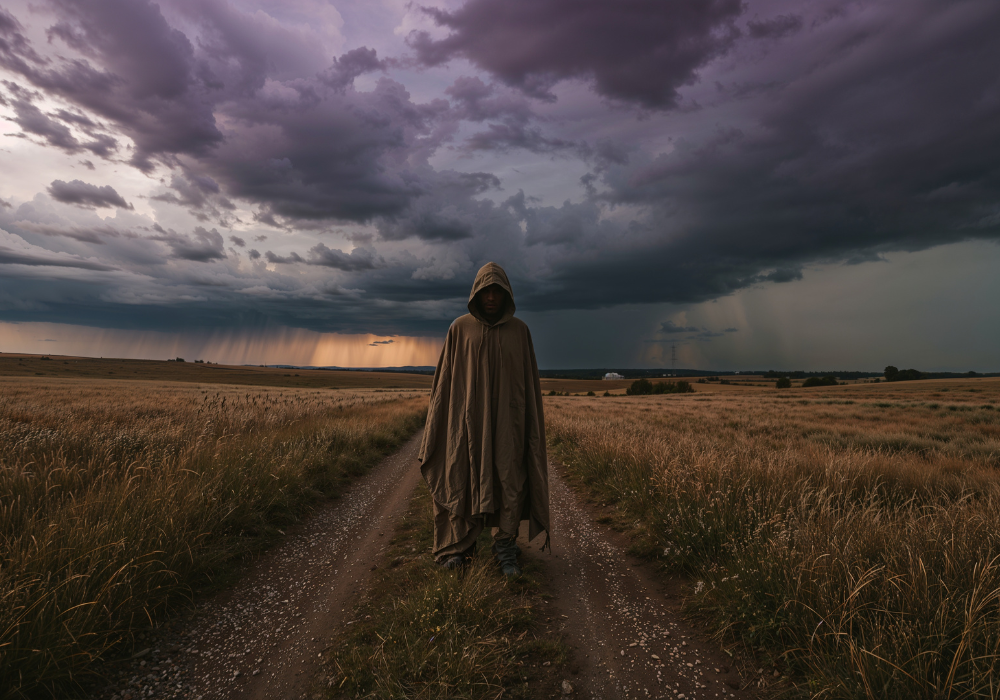
Across North America, Native nations preserved stories that carried spiritual meaning, cultural teachings, and warnings about the unseen forces shaping the world around them. Many of these narratives were passed down for generations, often shared beside fires, in ceremonies, or during seasonal gatherings.
Today, these ancient tales remain deeply compelling—not only for what they reveal about the beliefs of the past, but for the sense of mystery they still evoke. In many places, the echoes of these stories seem to linger in the landscape itself.
1. Navajo Teachings Warn of Shape-Shifters That Should Not Be Named
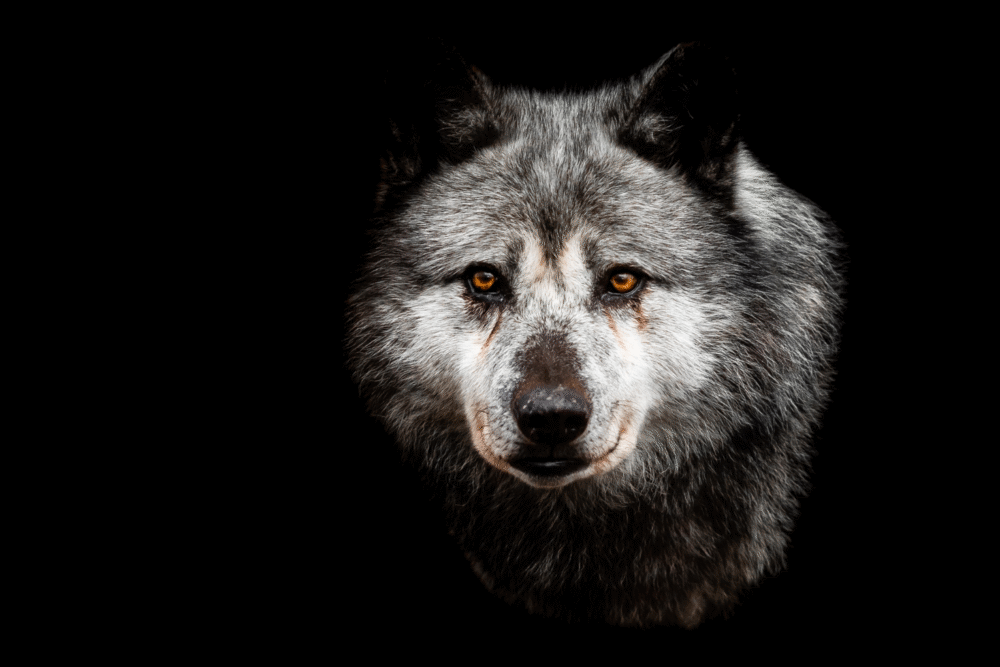
In Navajo tradition, certain stories describe individuals who twist sacred knowledge into dangerous power, allowing them to shift forms and move unseen through the night. These teachings are rarely shared casually, and many Navajo people avoid discussing them outside proper cultural settings. They serve as warnings about imbalance, secrecy, and the consequences of misusing spiritual abilities.
What makes these tales deeply unsettling is that they are tied to real cultural taboos. The silence surrounding them adds weight to the stories, leaving outsiders with only fragments—and a lingering sense that some truths are meant to stay hidden.
2. Algonquian Stories Tell of a Spirit Born From Famine and Desperation
Among Algonquian-speaking peoples, winter stories describe a being connected to starvation, greed, and the collapse of moral restraint. These tales were told during the coldest months, when hunger was real and survival depended on sharing and community loyalty. They warned listeners that losing one’s humanity could open the door to forces beyond control.
These teachings remain powerful because they reflect real historical fears of winter scarcity. Anthropologists note that the stories helped communities reinforce generosity and unity. Today, their chilling themes still resonate as reminders of what can emerge when isolation and desperation take hold.
3. Cherokee Tradition Speaks of a Forest Guardian Protecting the Wild

In Cherokee oral tradition, certain stories describe a spirit tied to the deep woods—one that watches hunters, protects animals, and restores balance when the natural world is disrespected. Elders used these stories to teach that every living thing exists within a larger relationship of responsibility.
Modern listeners often find this legend haunting because it suggests the forest itself is alive with unseen eyes. Whether taken literally or symbolically, the story reinforces the idea that nature has its own ways of responding when boundaries are crossed.
4. Inuit Tales Warn of Dangers Hidden Beneath Ice and Shoreline
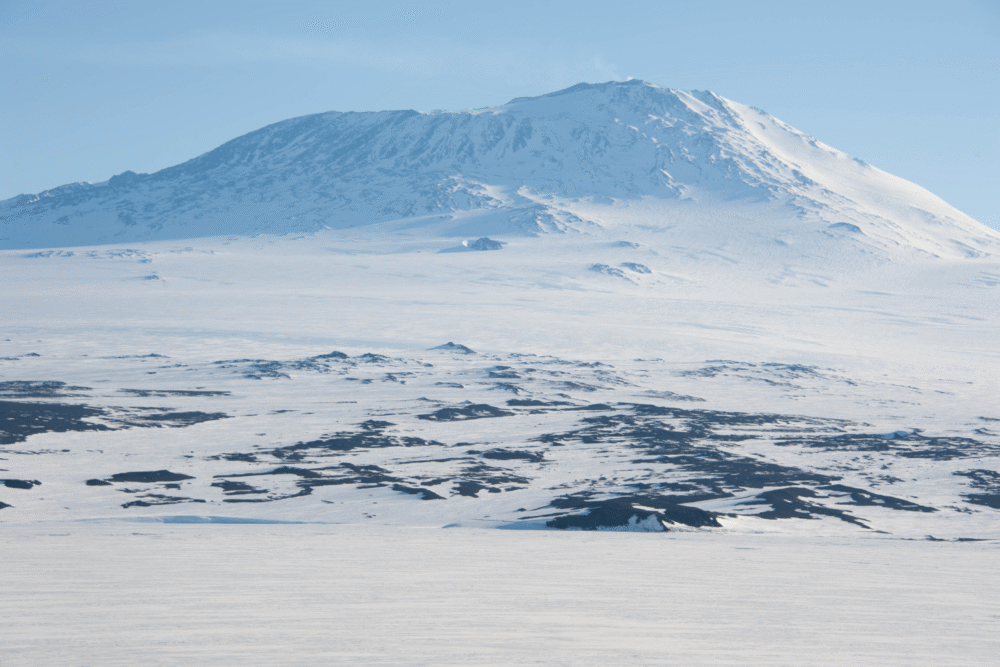
For Inuit communities, stories about beings in icy waters were practical warnings as much as spiritual teachings. They cautioned hunters and children about thin ice, sudden storms, and unpredictable waves—real threats in Arctic life. These stories helped families stay safe in an environment where mistakes could be fatal.
Today, the tales still evoke fear because they reflect the immense power of the Arctic itself. They remind listeners that behind the beauty of frozen seas lies a raw, unforgiving world shaped by forces no one can control.
5. Lakota Teachings Describe Spirits Who Test Human Courage

In Lakota tradition, certain stories describe spirits who appear during moments of personal struggle or transformation. These beings challenge individuals to act with honor, humility, and courage, revealing who they truly are inside. The tales contain moral lessons rather than simple scares.
People continue to find them gripping because they tap into universal experiences—fear, doubt, and the search for inner strength. These spirits act as mirrors, showing that the greatest battles often take place within oneself.
6. Coast Salish Legends Tell of Water Beings Guarding Sacred Shores

Coast Salish stories describe powerful beings that inhabit rivers, coves, and shorelines, reminding travelers to respect the water and its inhabitants. Communities believed these spirits influenced tides, weather, and the safety of those who ventured near the sea.
These teachings still feel unsettling because they frame the coastline as a living presence. Strong currents, shifting tides, and sudden fog become more than natural hazards—they become signs of a landscape that responds to how people treat it.
7. Ojibwe Stories Describe Spirits Rewarding Respect for Nature
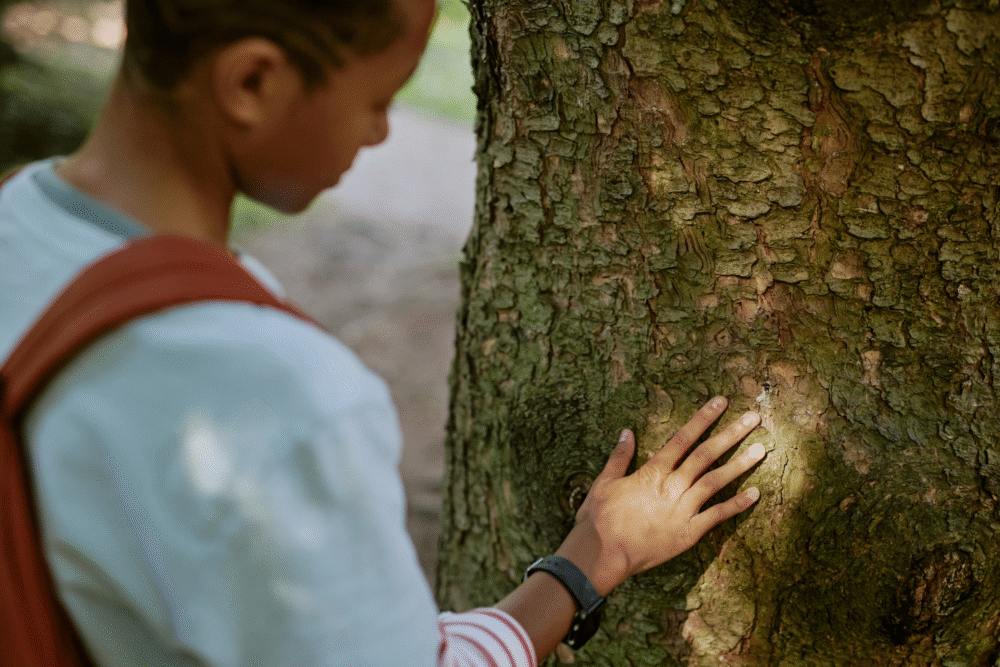
Ojibwe oral tradition includes stories of benevolent spirits who watch over lakes, forests, and animals. These beings reward generosity and stewardship while withdrawing from those who act carelessly toward the land. Their presence underscores the importance of balance and reciprocity.
What makes these stories linger is their quiet power. They suggest that even small actions—offering respect, showing restraint, caring for the earth—can ripple outward. The world notices how humans treat it, and it responds in ways both subtle and profound.
8. Hopi Teachings Speak of Kachina Spirits Who Shape the World

For the Hopi people, Kachina spirits represent forces of nature, ancestral presence, and cosmic order. They appear in ceremonies, dances, and seasonal traditions, each with a distinct role connected to rain, growth, harmony, and community well-being. These teachings remain central to Hopi cultural life.
For outsiders, the breadth and depth of Kachina stories can feel mysterious and overwhelming. But within the culture, they serve as guides—reminding people of their responsibilities to each other, to the land, and to the rhythms that govern life.
9. Haudenosaunee Tales Warn of Night Spirits That Move in Darkness

In Haudenosaunee tradition, some stories describe spirits associated with the night and the unseen spaces beyond the glow of village fires. These tales encouraged caution, especially for children who wandered too far after dark, and highlighted the dangers of the forest at night.
Even today, these teachings evoke unease because darkness remains one of humanity’s oldest fears. While symbolic, the stories helped protect communities from real risks—wild animals, unfamiliar paths, and the uncertainty that comes with leaving safety behind.
10. Ute and Shoshone Traditions Tell of Ancient Beings in Desert Canyons
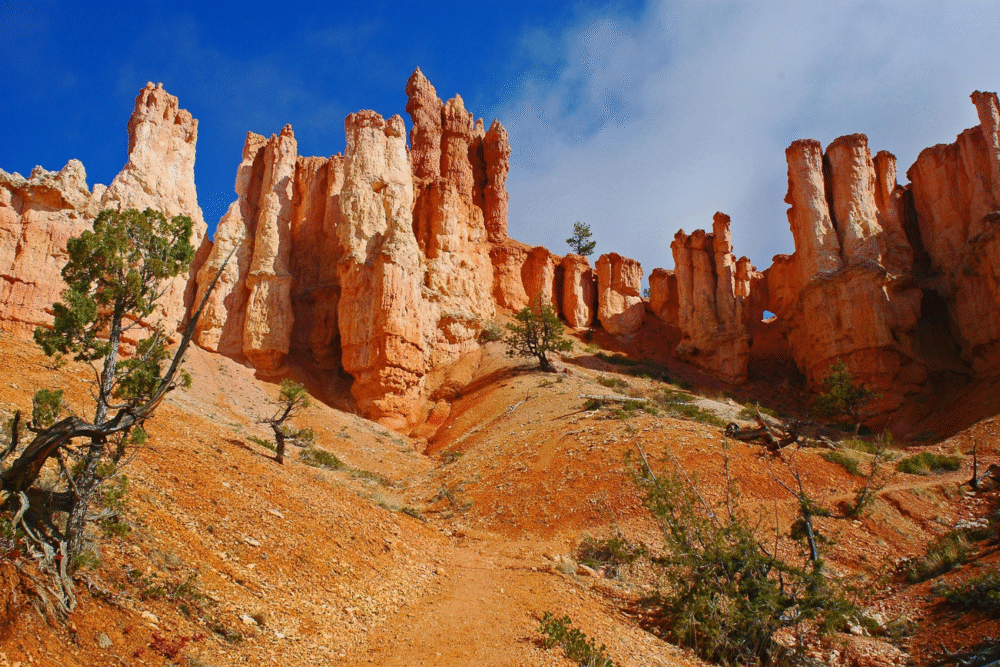
Stories from Ute and Shoshone communities speak of beings tied to canyons, night winds, and the vast desert landscape. These tales remind listeners that remote places carry history, power, and spirits deserving of respect. Travelers were taught to move carefully and with awareness.
What makes these stories haunting is the desert itself—a place of silence broken only by shifting wind and echoing rock. The legends suggest these remote landscapes still hold memories of ancient presences that have watched over the land for generations.