
Researchers are uncovering new ways to repair kidney tissue once believed to be permanently damaged.

Kidney disease has long been considered progressive and irreversible, but recent studies in regenerative medicine, stem cell biology, and molecular repair pathways are challenging that belief. Scientists have identified mechanisms that help damaged kidney cells heal, regenerate, or regain some function—findings first demonstrated in laboratory settings and early-stage research. While no cure exists yet, these discoveries could pave the way for future treatments that slow, stop, or even partially reverse kidney damage in patients.
1. Scientists Are Learning How Kidney Cells Repair Themselves
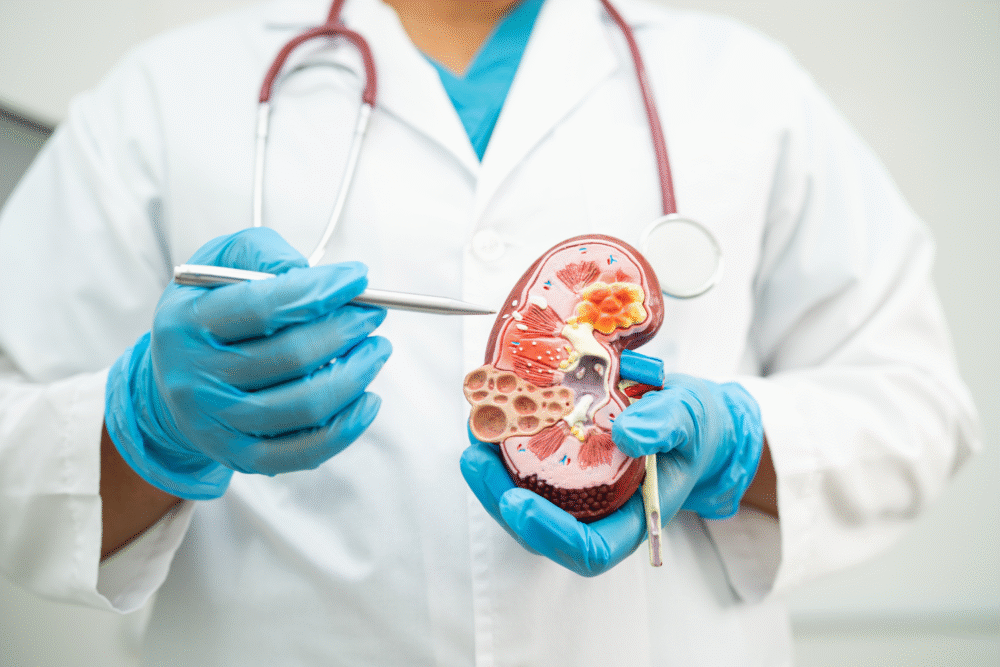
For years, doctors believed kidney cells could not regenerate once damaged. Recent research shows that certain tubular cells can activate repair programs when injury is caught early. These natural healing responses include cell proliferation, protein cleanup, and restoration of damaged structures.
Understanding these built-in repair mechanisms gives scientists a roadmap for developing future treatments. By learning how healthy cells respond to stress or inflammation, researchers hope to design therapies that strengthen these repair pathways and prevent long-term scarring.
2. New Anti-Fibrotic Treatments Could Stop Permanent Scarring
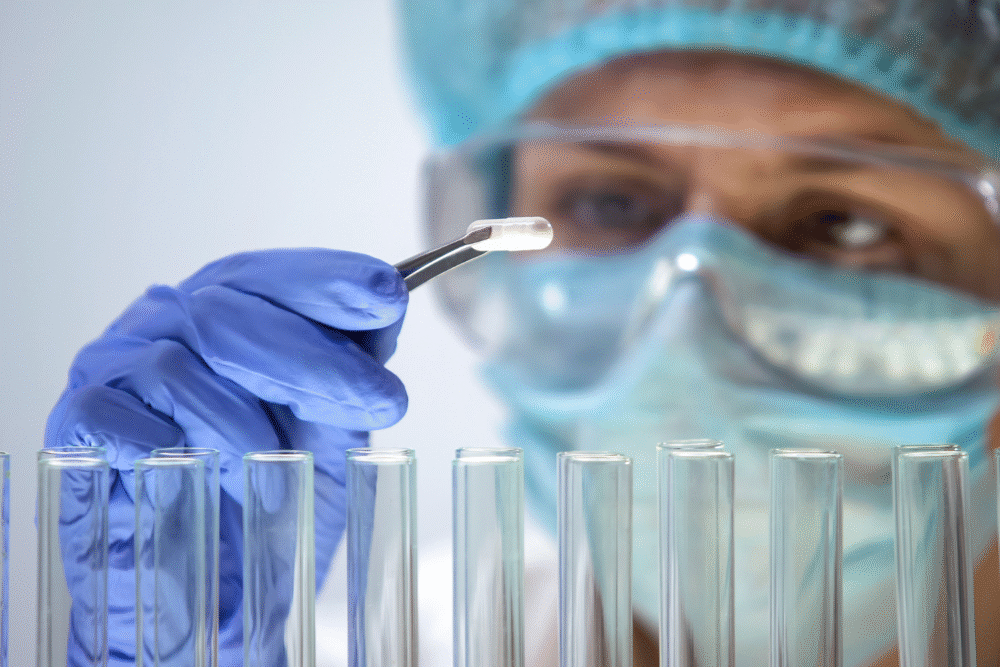
One of the biggest obstacles in kidney disease is fibrosis, the thickening and scarring of tissue that limits function. Several research teams are studying drugs that block the molecular signals responsible for fibrosis. Early laboratory studies show that disrupting these pathways may slow or partially reverse tissue stiffening.
These treatments are still in early testing, but they offer genuine hope. If fibrosis can be halted, the kidney may retain more healthy structure, giving other repair processes more time to work and restoring some lost function.
3. Stem Cell Research Shows Promise for Rebuilding Damaged Tissues

Scientists are exploring the use of stem cells to help kidneys regenerate damaged tissue. In animal models, certain stem cell types release growth factors that reduce inflammation and encourage repair. These cells don’t replace the kidney outright, but they support healing in meaningful ways.
Human trials remain limited and cautious because stem cell therapies require strict safety testing. Still, early results suggest these cells may help injured kidneys recover more effectively, offering a potential future therapy for patients with chronic or acute damage.
4. Researchers Are Exploring Ways to Reprogram Kidney Cells
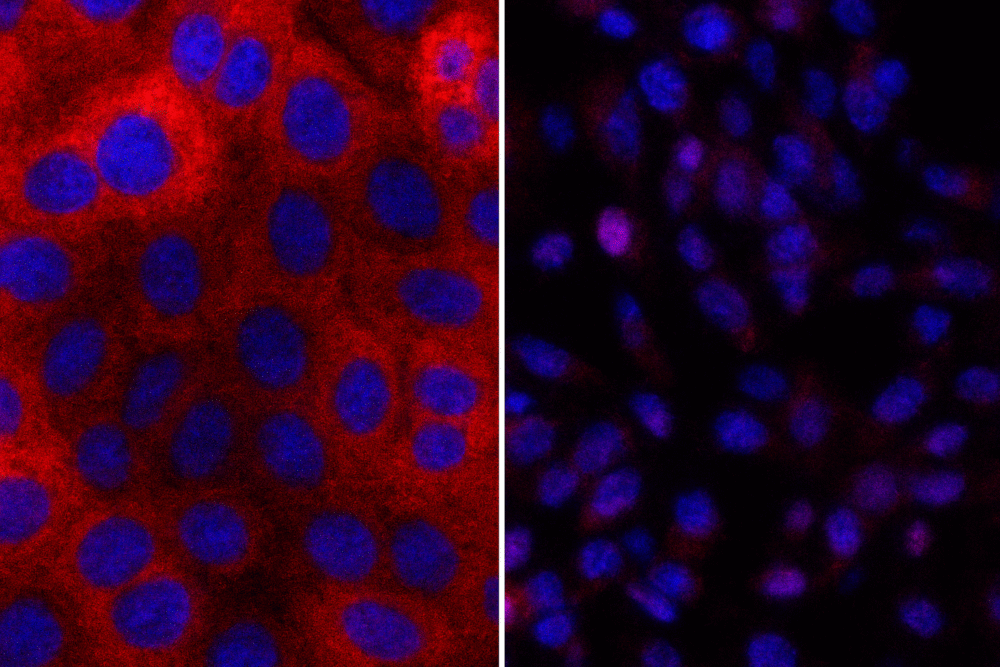
A groundbreaking area of research involves “reprogramming” kidney cells so they behave more like healthy, younger versions of themselves. Scientists have identified key genes involved in cellular aging and repair and are testing whether altering these pathways can restore function.
These experiments are primarily in laboratory settings, but they reveal how flexible kidney cells can be under the right conditions. If reprogramming proves safe, it could open the door to treatments that reverse cellular aging and reduce long-term decline.
5. Targeting Inflammation Helps Prevent Additional Kidney Damage

Chronic inflammation is a major driver of kidney disease. Researchers are studying drugs that reduce inflammatory signals, preventing tissue from becoming overloaded with immune activity. Several anti-inflammatory compounds have already shown potential in early trials.
By reducing inflammation before scarring occurs, doctors may help kidneys preserve more functional tissue. This approach doesn’t reverse damage already done, but it may stop the disease from progressing and give the organ a chance to heal more efficiently.
6. Gene Therapy Research Is Identifying Key Repair Pathways
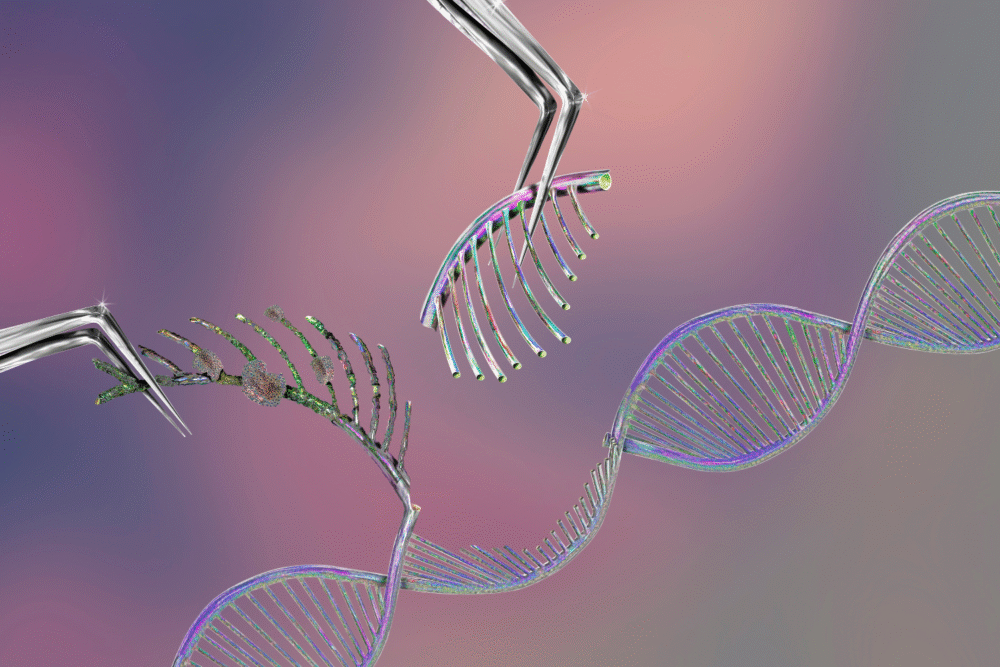
Scientists have discovered genes involved in kidney repair, regeneration, and resistance to injury. Gene therapy studies in animals show that boosting or suppressing certain genes can dramatically affect healing. These experiments help researchers understand which biological pathways are most important for recovery.
Although human gene therapy for kidney disease is not yet available, mapping these genetic pathways is a crucial step. It helps scientists design drugs that mimic or support the same processes without altering patients’ DNA directly.
7. Lab-Grown Kidney Structures Are Helping Scientists Test Treatments
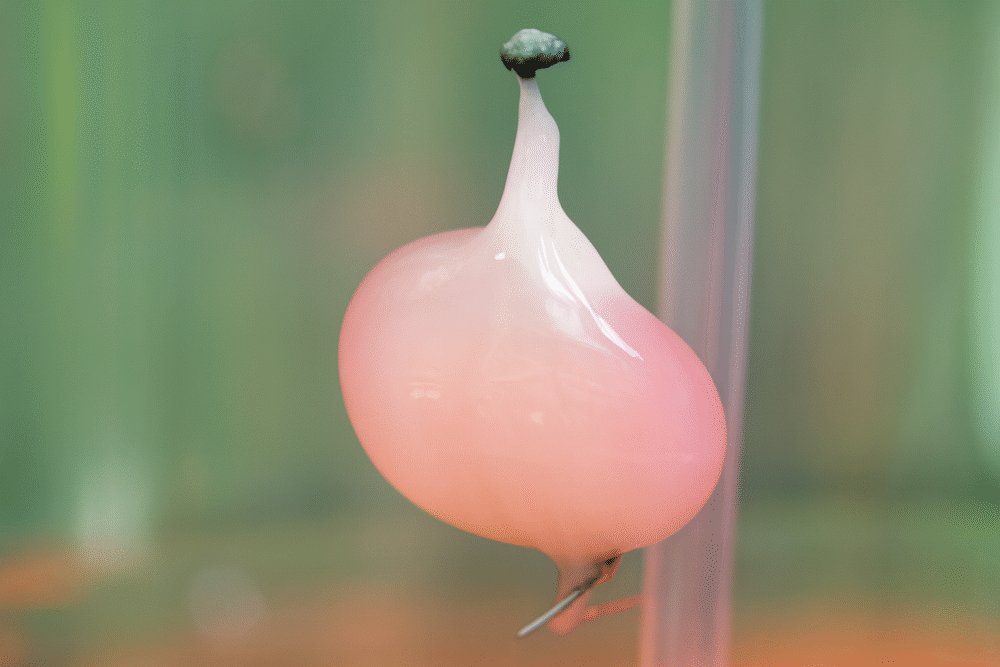
Researchers have grown mini kidney-like structures called organoids from human cells. These organoids mimic key features of real kidneys and allow scientists to test drugs and study damage and repair in a controlled environment.
Organoids help researchers see how specific molecules, toxins, or therapies affect kidney tissue. While these structures cannot replace an organ, they dramatically speed up research timelines and allow safer, more precise experiments that could guide future treatments.
8. Early Clinical Trials Show Improvement in Kidney Function
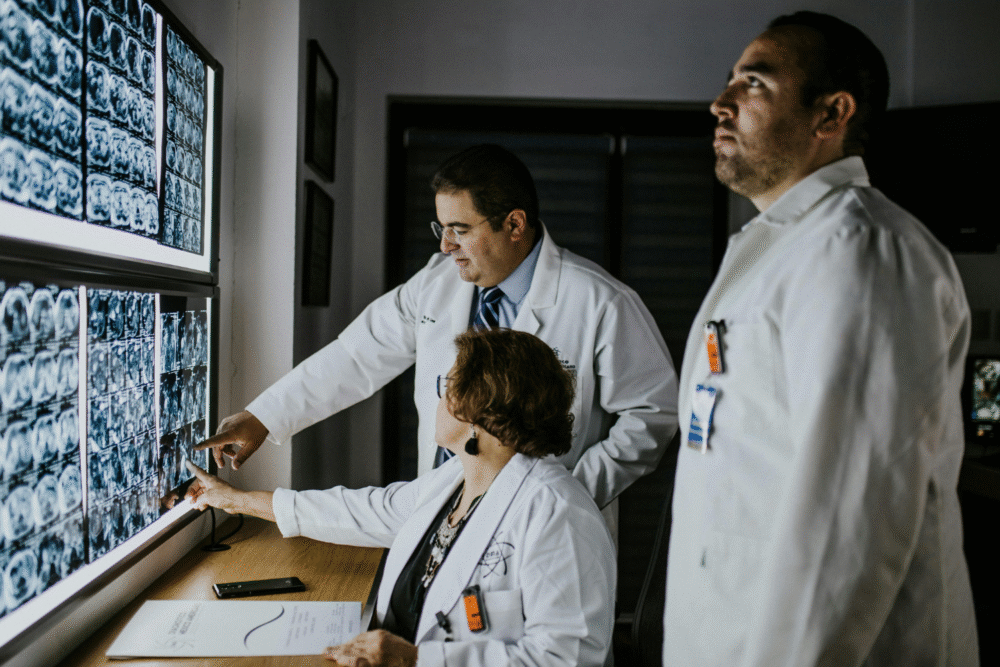
Some early-stage clinical trials have tested experimental therapies—such as anti-inflammatory drugs, anti-fibrotic compounds, and regenerative treatments—that have shown modest improvements in kidney function. These results are preliminary but demonstrate that damaged kidneys may respond to targeted interventions.
These therapies are not cures, and larger trials are needed to confirm safety and effectiveness. Still, the early results challenge the long-held belief that kidney damage is always permanent, suggesting that at least some repair is possible.
9. Researchers Are Studying How Kidneys Recover After Acute Injury

Acute kidney injury (AKI) occurs suddenly from dehydration, infection, or medication toxicity. Scientists have found that kidneys sometimes recover surprisingly well if injury is treated rapidly. Studying how kidneys bounce back from AKI has revealed insights into natural repair mechanisms.
These findings are helping doctors understand which biological processes to stimulate in cases of chronic disease. Treatments that mimic AKI recovery pathways could help restore function even in long-term conditions, though more research is needed.
10. A Cure Isn’t Here Yet—but Research Is Moving Faster Than Ever
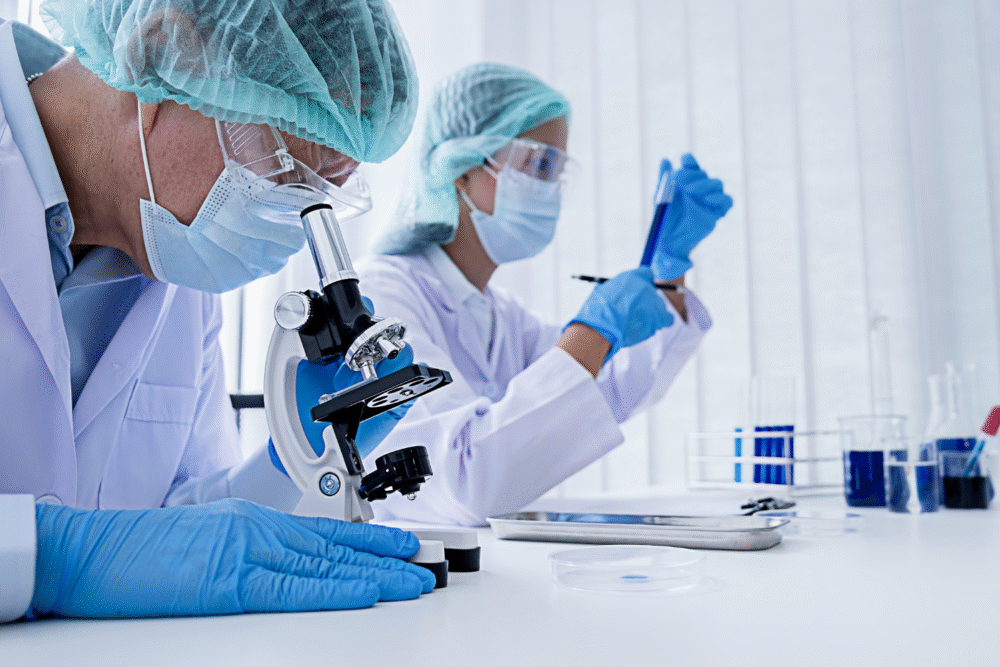
Despite major breakthroughs, no therapy currently reverses advanced kidney disease. However, the pace of discovery in regenerative medicine has accelerated dramatically in the last decade. Researchers now understand more about repair pathways, fibrosis, aging, and inflammation than ever before.
These advances suggest that future treatments may restore function that was once considered permanently lost. While a cure remains out of reach, the scientific progress gives patients realistic hope for more effective options in the coming years.