
A strange mix of biology, disease, and folklore may have created one of the most famous creatures in modern legend.
For decades, people across the Americas have reported seeing a mysterious creature blamed for draining livestock of blood. But scientists now believe the roots of the Chupacabra story lie in real animals showing rare evolutionary traits, unusual behavior, and severe illnesses that dramatically alter their appearance. As researchers piece together these clues, the Chupacabra’s origins look far less supernatural—and far more fascinating—than the legend suggests.
1. The First Chupacabra Sightings Appeared Only in the Mid-1990s
Unlike centuries-old legends such as Bigfoot or lake monsters, the Chupacabra is a surprisingly recent phenomenon. The first widely publicized reports came from Puerto Rico in 1995, when residents claimed an unknown creature was killing goats and leaving puncture marks. These accounts spread rapidly through news coverage and local folklore.
Researchers later determined that earlier Latin American livestock deaths attributed to “vampire creatures” had different explanations. The modern Chupacabra legend, as we know it today, emerged suddenly and specifically in the late 20th century.
2. Descriptions of the Creature Shifted Dramatically Over Time

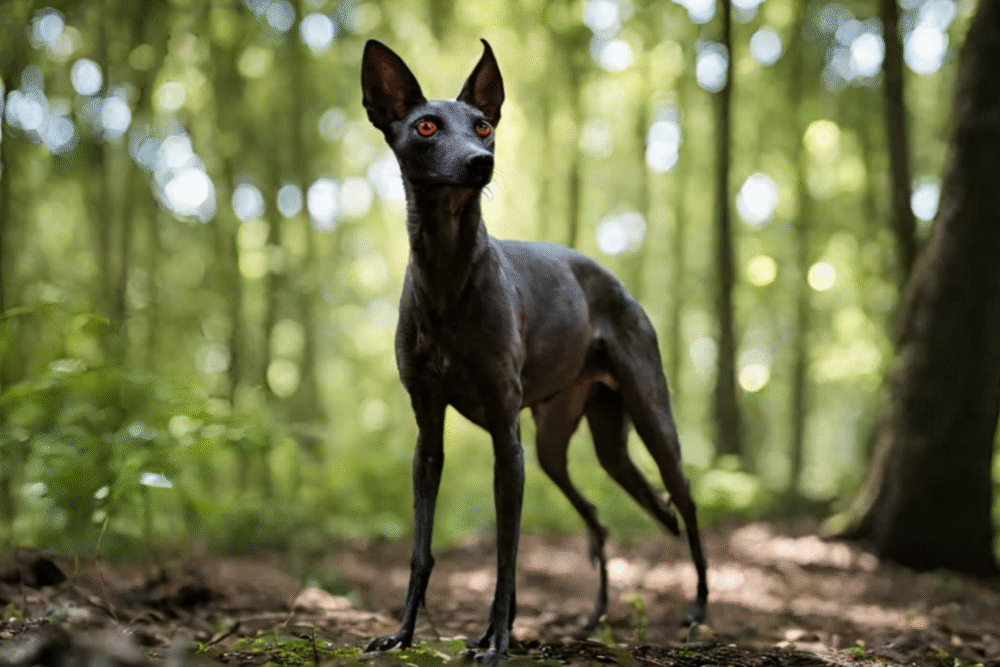
Early Puerto Rican reports described a reptile-like creature with large eyes, sharp spines, and clawed limbs. But by the early 2000s, sightings in the United States and Mexico began describing something entirely different: hairless, doglike animals with long snouts.
This dramatic shift in appearance suggested the legend was evolving as it spread across regions. Scientists realized the explanations for these sightings differed depending on where the reports originated, pointing toward real biological causes rather than a single mysterious species.
3. Many U.S. Sightings Involved Coyotes with Severe Mange

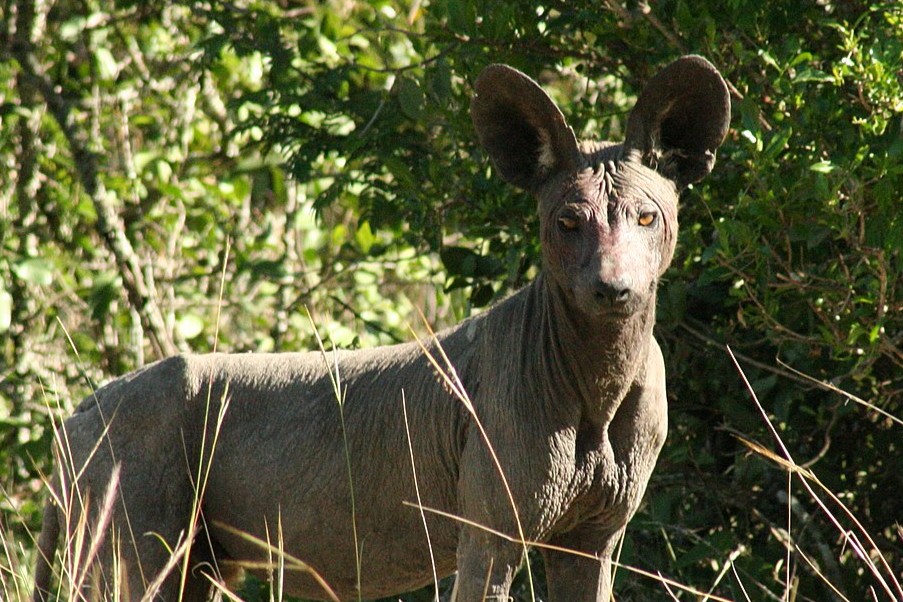
Biologists investigating cases in Texas, Arizona, and the Southwest found that the “Chupacabra” was often a coyote suffering from sarcoptic mange, a parasitic skin condition that causes hair loss, thickened skin, and intense discomfort. These animals can appear almost unrecognizable.
Mange also weakens coyotes, making them more likely to approach humans, attack livestock, or scavenge near homes. Their altered appearance and desperate behavior helped fuel the belief that people were encountering a new, monstrous species.
4. Mange Creates Features That Seem “Otherworldly”
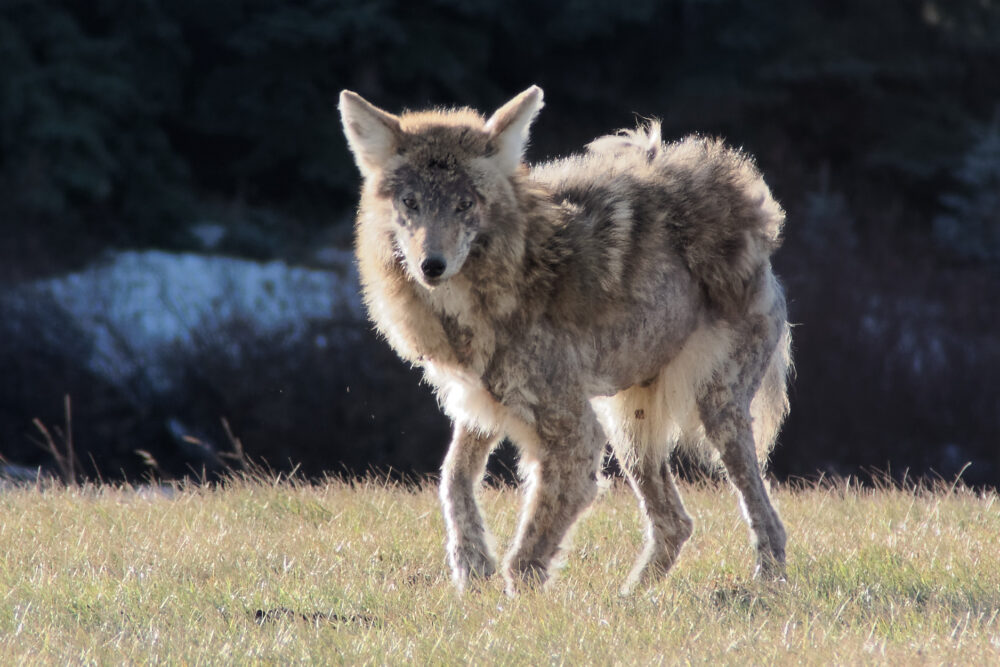
Coyotes with advanced mange lose nearly all fur and develop sharply defined ribs, elongated-looking limbs, and a grayish, leathery appearance. Their faces can look narrow and angular, with exposed skin creating dark, masklike features.
Because these animals behave abnormally and look unlike healthy coyotes, eyewitnesses often assume they’re seeing an unknown creature. Wildlife experts consistently find that DNA from captured or photographed “Chupacabras” matches common species affected by disease.
5. Livestock Deaths Were Often Misinterpreted

Reports of animals found with puncture wounds or drained blood contributed to the Chupacabra’s vampire-like reputation. However, necropsies performed by veterinarians showed the animals were not actually drained of blood. Predators like coyotes, foxes, and stray dogs can cause injuries that resemble puncture marks.
In some cases, scavengers feeding on carcasses after death create wounds that appear unnatural. These misunderstandings helped reinforce the myth, even when biological explanations fit the evidence.
6. Predator Behavior Can Look Like “Blood Feeding”
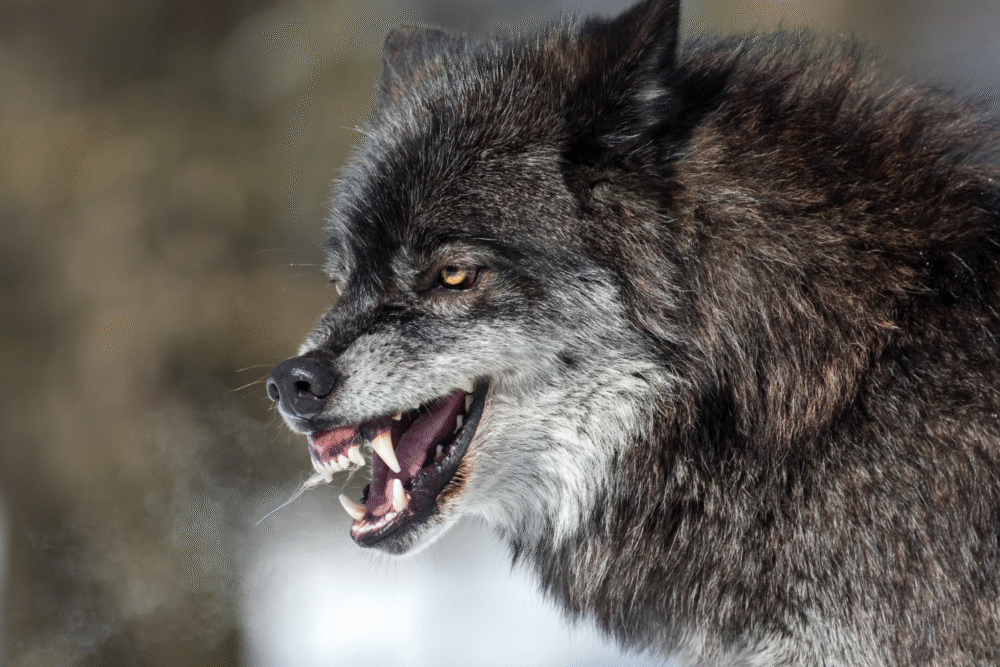
When weak or diseased predators bite livestock, their grip can create clean, paired holes that resemble deliberate punctures. Inexperienced predators may target the neck or soft tissue, leaving distinctive marks that look intentional.
Researchers studying livestock attacks found that coyotes, bobcats, and even large birds of prey can produce injury patterns mistaken for vampiric behavior. These natural events, combined with fear and folklore, amplified the Chupacabra legend.
7. Folklore and Media Spread the Myth Quickly

The term “Chupacabra” means “goat-sucker” in Spanish, a sensational name that helped the story spread rapidly across Puerto Rico, Mexico, and the southern United States. Talk shows, tabloid newspapers, and paranormal TV programs aired dramatic reenactments that shaped public perception.
This widespread exposure caused unrelated sightings of sick wildlife to be grouped under the same label, reinforcing the belief in a single mysterious creature. Scholars note that media attention played a major role in cementing the modern legend.
8. DNA Testing Identified Every Alleged Chupacabra to Date

Dozens of “Chupacabra” corpses sent to laboratories across North America have been tested. All confirmed cases turned out to be coyotes, dogs, or raccoons—usually with severe mange or other illnesses. None have shown signs of being an unknown species.
Biologists emphasize that while the animals looked strikingly unusual, their genetic profiles were completely ordinary. These consistent results support the scientific conclusion that the Chupacabra is a myth built around misidentified wildlife.
9. Evolution and Disease Explain Its Most Distinct Traits
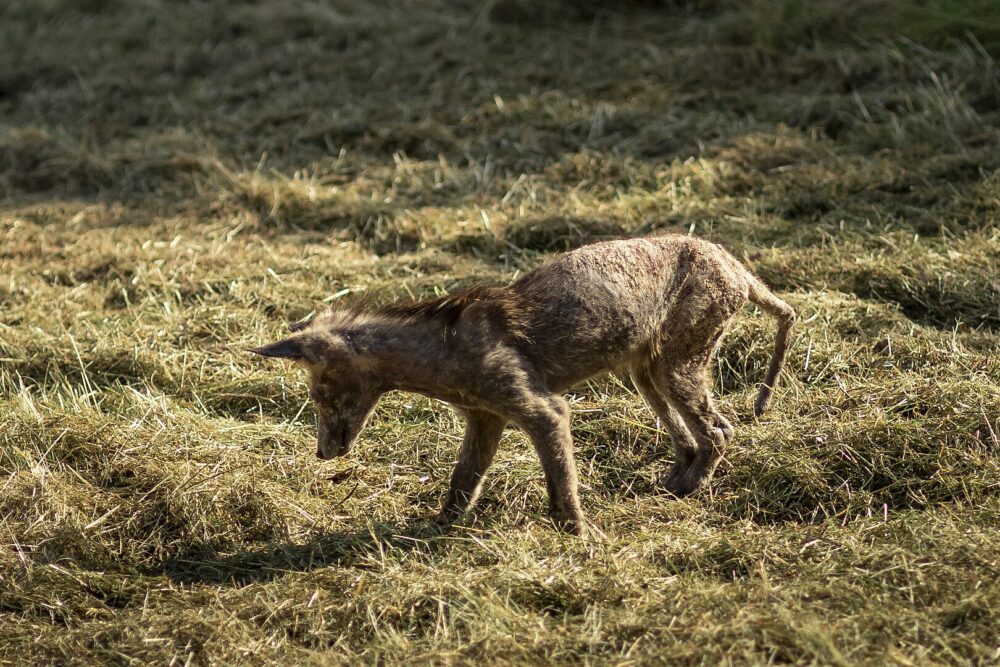
Many of the features people attribute to the Chupacabra—hairlessness, prominent spines, sharp teeth, and gaunt bodies—are real biological consequences of illness, malnutrition, and environmental stress. Mange in particular can dramatically change the way familiar animals appear.
Environmental pressures also affect predator behavior, making certain animals more aggressive or desperate. These evolutionary and ecological factors provide clear explanations for sightings without requiring a new species.
10. The Chupacabra Endures Because It Blends Science and Mystery
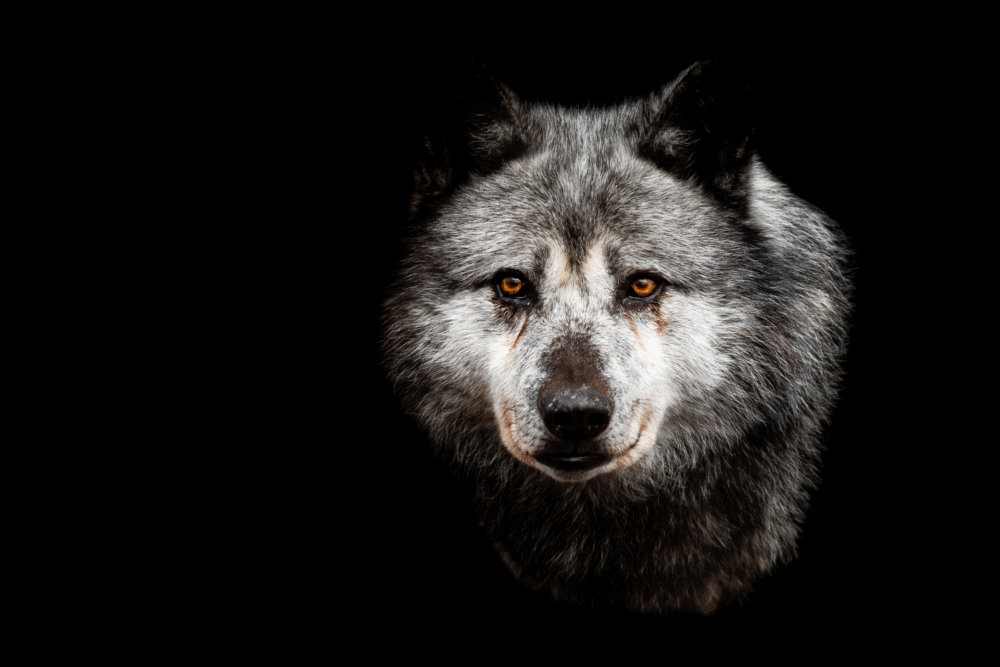
Even though scientific investigations consistently trace the legend to known animals and natural conditions, the Chupacabra remains one of the most popular modern monster stories. It sits at the intersection of folklore, fear, biology, and imagination.
People are naturally drawn to mysterious creatures, especially when sightings involve real animals behaving unexpectedly. This blend of fact and myth helps the Chupacabra endure—proof that evolution, disease, and storytelling can create legends that feel supernatural even when rooted in reality.