
A new wave of wolf releases is set to reshape Colorado’s landscape as tensions rise across the Western Slope.
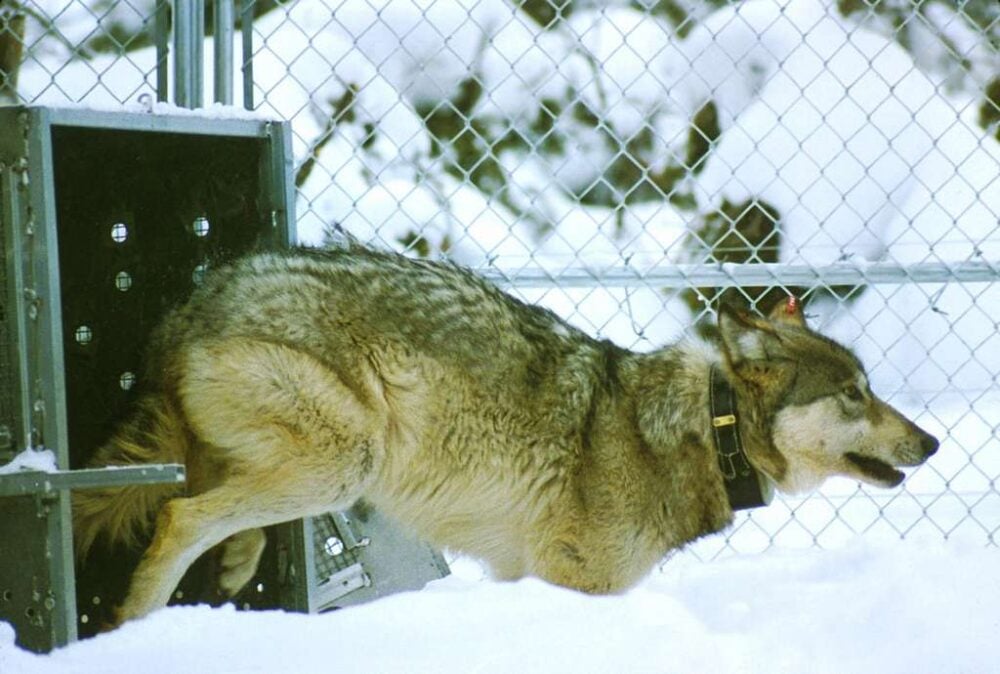
Colorado’s plan to introduce up to 15 additional wolves this winter is accelerating as state officials work to meet voter-mandated timelines and federal requirements. The effort marks the latest phase of a closely watched reintroduction that has sparked intense debate across the West. With habitat boundaries, livestock protections, and federal rules still under scrutiny, the state is navigating a complex path toward restoring a species that vanished from Colorado nearly a century ago.
1. Colorado Moves Ahead With Its Next Wolf Release

Colorado Parks and Wildlife is continuing the state’s multi-year reintroduction effort by planning the release of up to 15 wolves this winter. These new arrivals will build on last year’s reintroduction, expanding a population still too small to survive without continued support.
Officials say moving forward now is essential to reach long-term recovery goals. Despite logistical hurdles and public pressure, the state is determined to stay on schedule and meet the voter-approved mandate to restore wolves to Colorado’s Western Slope.
2. Federal Rules Are Driving Key Decisions Behind the Scenes

Colorado must follow federal regulations that classify the state’s wolves as an “experimental population.” This designation gives wildlife managers more flexibility but also requires strict permitting tied to transport, release sites, and monitoring.
These rules help balance conservation with livestock and public safety concerns, but they lengthen timelines and limit where wolves can be placed. The winter release depends heavily on federal approval, making coordination between agencies crucial.
3. Ranchers Fear Rising Livestock Losses as Numbers Grow

Many ranchers across the Western Slope worry the expanding wolf population will bring escalating conflicts. Some say current compensation programs don’t fully address the financial strain of losing cattle or sheep during calving and lambing seasons.
Even with additional funding for deterrents, the fear of unpredictable losses remains high. Ranching communities argue that more safeguards and rapid-response teams are needed before wolf numbers increase further.
4. Wildlife Advocates Push for Broader Habitat Access

Conservation groups say wolves need access to larger territories if the species is going to thrive long-term. They argue that overly restrictive release zones limit natural dispersal and may lead to more conflicts as wolves encounter human activity at habitat edges.
Advocates want the state to prioritize ecological benefits and historical ranges when choosing release sites. They view the winter release as a chance to rebuild a more balanced predator-prey system in Colorado’s mountains.
5. Finding Suitable Source Wolves Has Become a Challenge
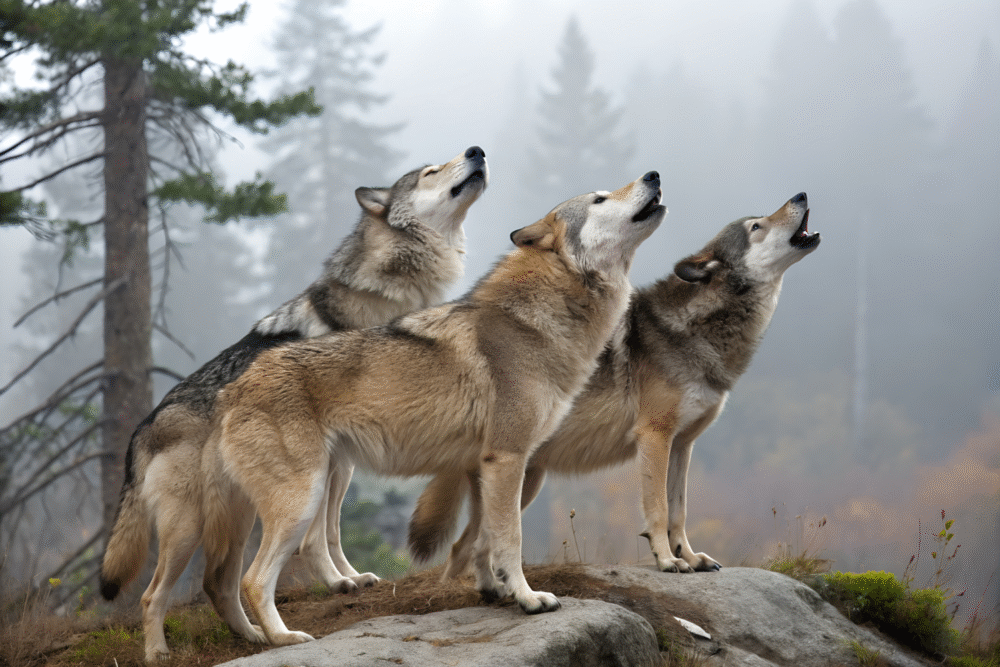
Colorado still relies on other states to provide wolves for reintroduction, but not all agencies are willing or able to participate. Securing enough suitable animals has required months of coordination and negotiation.
While Colorado has confirmed partnerships for this winter, officials caution that sourcing wolves will remain one of the most difficult long-term elements of the program. Availability, transport logistics, and health screenings all play major roles.
6. The State Is Expanding Tools to Prevent Livestock Conflicts
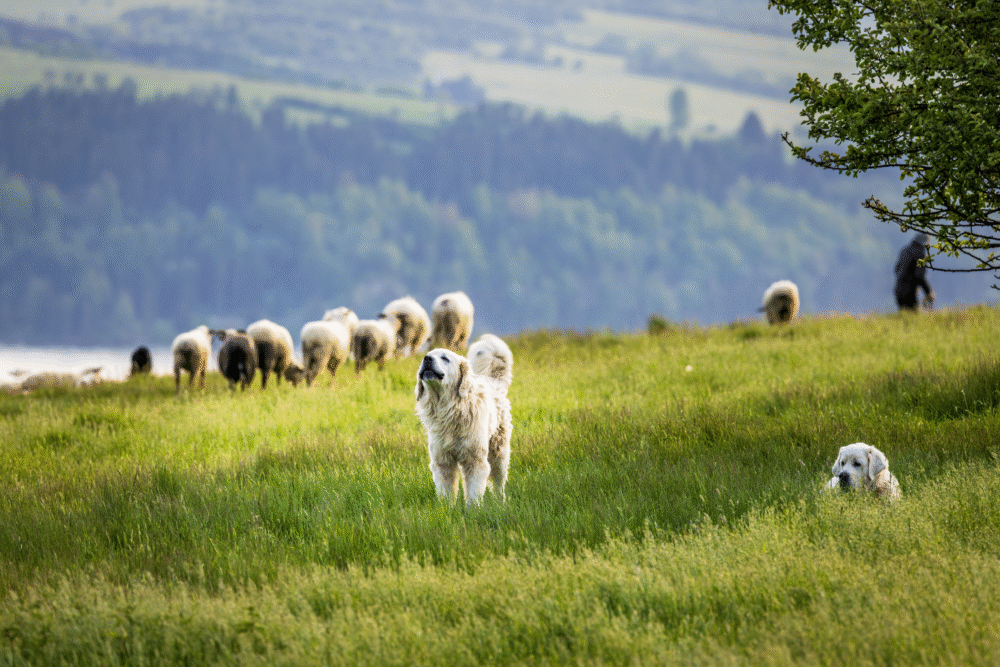
Colorado has increased funding for non-lethal deterrents, including fladry, guard dogs, range riders, and nighttime enclosures. These tools helped reduce conflicts in other Western states, but their effectiveness varies by terrain and herd size.
Officials say prevention is cheaper and more effective than compensation after attacks occur. As wolf numbers grow, they expect conflict-prevention strategies to become a core part of daily operations for ranchers and wildlife managers.
7. Release Locations Are Still a Point of Heated Debate
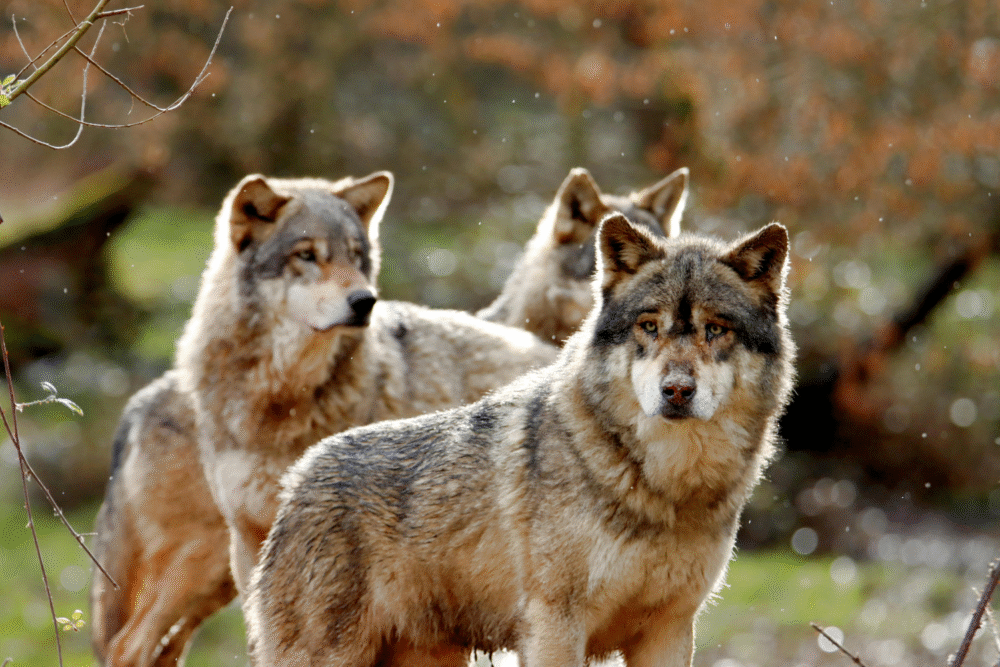
Choosing the right release areas remains one of the most contentious elements of Colorado’s plan. Some regions support wolf recovery but are closer to livestock operations, while more remote areas may lack ideal terrain or consistent prey.
The state is trying to balance ecological needs, federal rules, and community concerns. Final decisions will determine how quickly wolves disperse and how often they encounter livestock or residential areas.
8. Monitoring Colorado’s Wolves Requires Intensive Effort

Every released wolf must be tracked through GPS collars and regular field monitoring. This helps managers understand movement patterns, predation behavior, and early warning signs of conflict.
The data has already revealed long-distance travel and unexpected dispersal routes. As more wolves are added, tracking will require more staff, more equipment, and coordinated response systems across multiple counties.
9. Voter Approval Still Shapes the Entire Reintroduction Timeline

Colorado’s wolf reintroduction began with Proposition 114, which passed in 2020. The mandate included firm deadlines that required wolves to be released by the end of 2023, meaning the state had limited time to resolve logistical and regulatory challenges.
Because the effort is voter-initiated, state agencies must follow the outlined timeline unless new legislation changes it. This pressure continues to influence how quickly Colorado moves forward each winter.
10. The Winter Release Will Shape Colorado’s Wolf Future for Decades
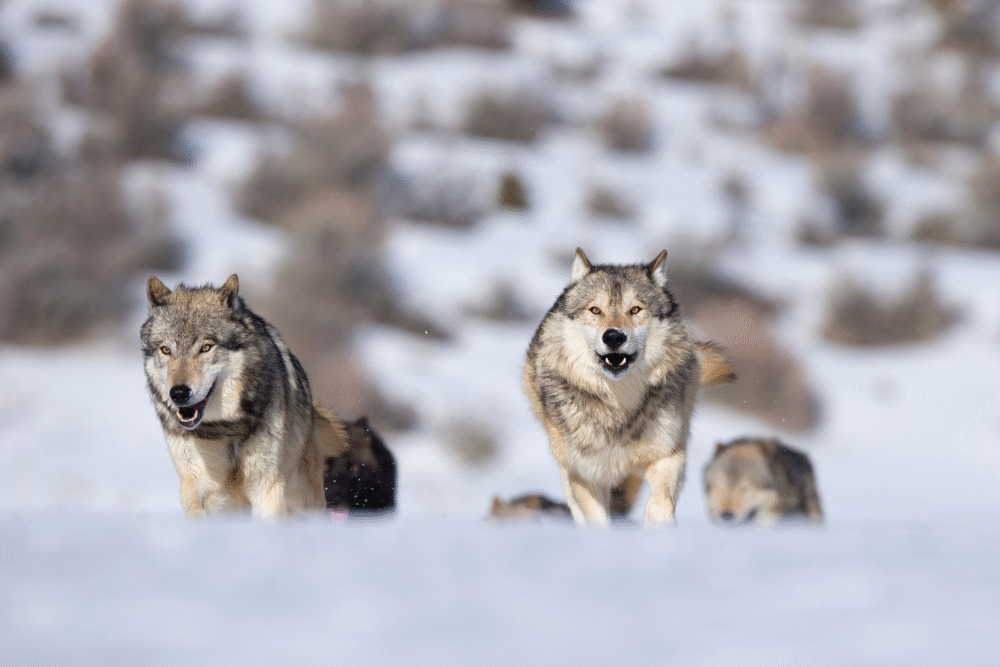
This round of releases will significantly influence how the population grows and spreads. A successful winter effort could help stabilize wolf numbers and set the stage for natural reproduction in the coming years.
But missteps—such as poorly chosen release sites or rising conflicts—could trigger political backlash and legal challenges. Colorado’s decisions this winter will help determine whether wolves become a thriving part of the landscape or continue to spark statewide controversy.