
Scientists say we may be overlooking hidden alien technology—and they’re proposing where we should search next.
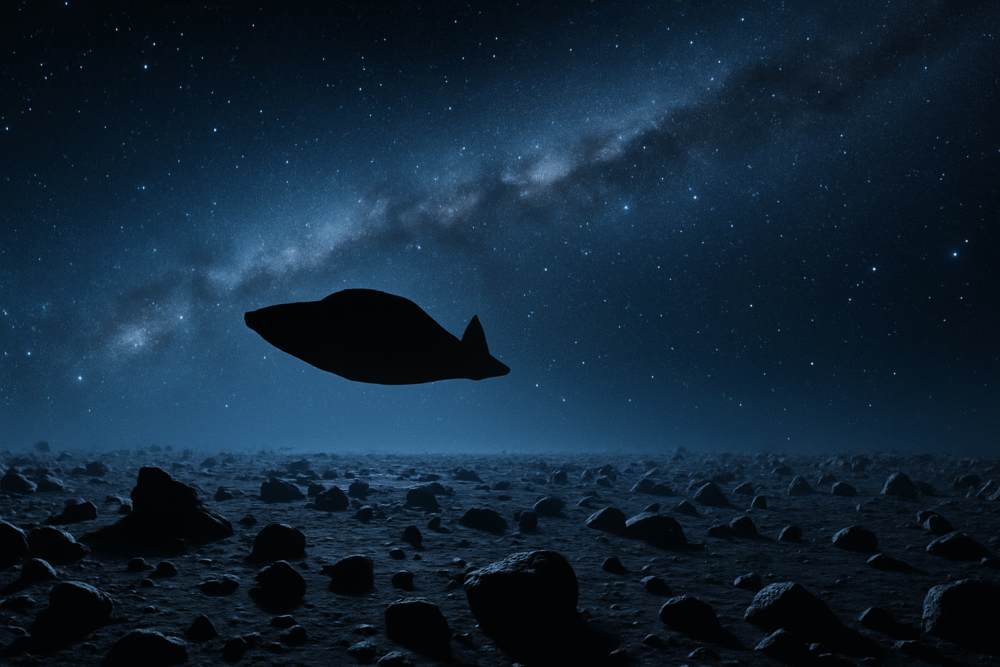
A new scientific paper argues that if extraterrestrial civilizations exist, they may already have sent probes into our solar system—possibly millions of years ago. The study, published in International Journal of Astrobiology, suggests that small, ancient, or inactive probes could be hiding in places we rarely examine, such as the asteroid belt, Lagrange points, or even on the Moon. While there’s no evidence that alien technology is here, researchers say it’s time to start checking these overlooked regions more carefully.
1. A New Study Says Alien Probes Could Already Be in Our Solar System
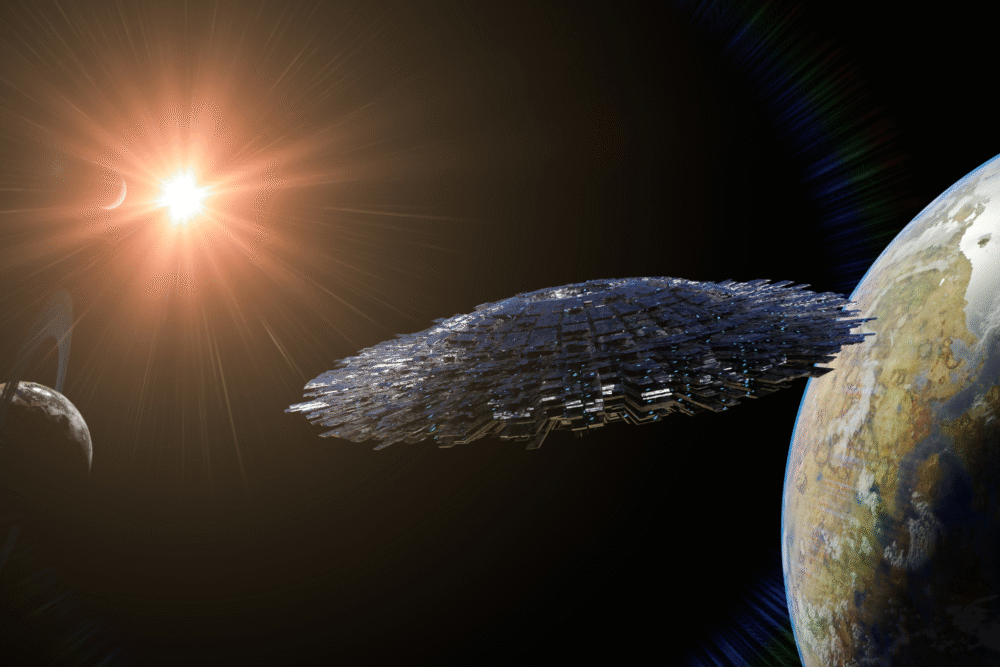
A recent paper in the International Journal of Astrobiology suggests that if intelligent alien civilizations exist, they may have sent robotic probes into our solar system long before humans appeared. These probes could be ancient, inactive, or even damaged, making them extremely difficult for modern telescopes to detect.
Because most searches for extraterrestrial life focus on distant stars and radio signals, scientists say we may have overlooked the possibility that remnants of alien technology could be hiding much closer to home.
2. The Theory Mirrors What Humans Are Already Doing

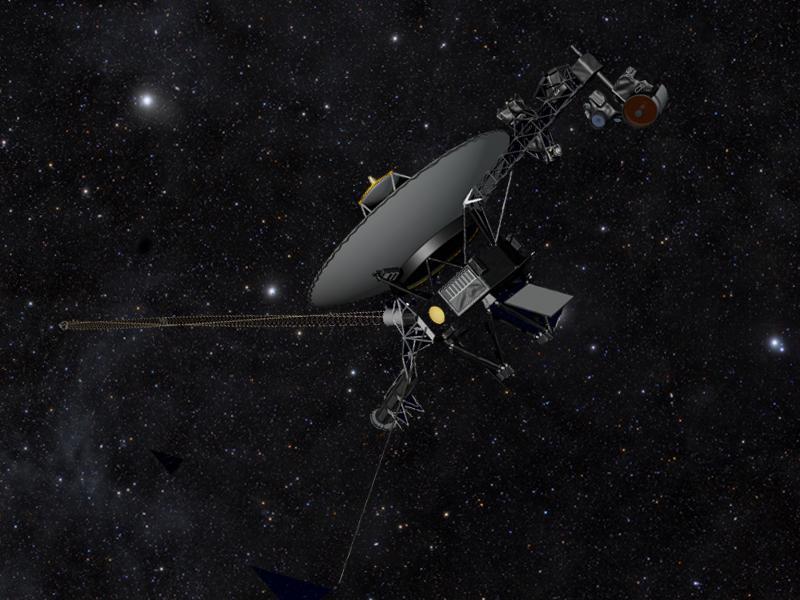
Researchers point out that humanity has been sending probes around the solar system for decades, and some—like Voyager 1 and 2—are now leaving it entirely. If humans can do this with our relatively young technology, a civilization millions of years older would be capable of far more.
The logic is straightforward: if we send out long-lasting robotic explorers, it’s reasonable to think advanced civilizations might do the same. Their probes could have arrived in our solar system long before humans evolved.
3. Ancient Alien Probes Would Be Nearly Impossible to Spot
If alien probes entered the solar system millions of years ago, they would likely be weathered, inactive, or disguised by environmental effects such as dust and radiation. A small object—just a meter across—could easily blend in with natural space debris.
Our telescopes simply aren’t powerful enough to detect small artificial objects unless they are transmitting signals or reflecting light in obvious ways. This means a probe could exist without ever appearing in our surveys of the sky.
4. The Asteroid Belt Is a Primary Candidate for Hidden Technology
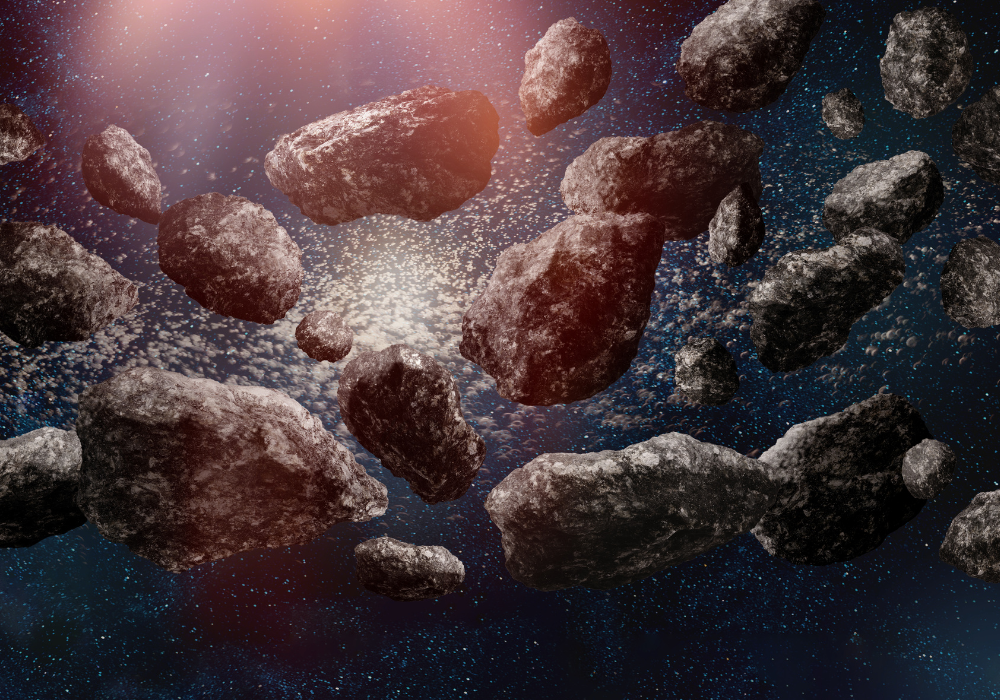
The asteroid belt between Mars and Jupiter contains countless rocks, many of which have never been examined closely. The study suggests that an alien probe could have landed on or blended into an asteroid, remaining untouched for millions of years.
Asteroids are relatively stable and experience very little weathering, which means an artificial object could sit there almost indefinitely. Scientists say this region deserves closer examination during future missions.
5. Lagrange Points Offer Gravitational “Parking Spots” for Probes
Lagrange points are stable zones in space where gravity balances perfectly, allowing spacecraft to remain in place with minimal fuel. NASA already uses these points for telescopes and satellites.
Researchers propose that alien probes—especially ones meant to observe Earth—might also position themselves in these gravitational sweet spots. Because some of these areas have barely been explored, it’s possible that objects could be hiding there undetected.
6. The Moon Could Be Hiding Ancient Artifacts in Plain Sight
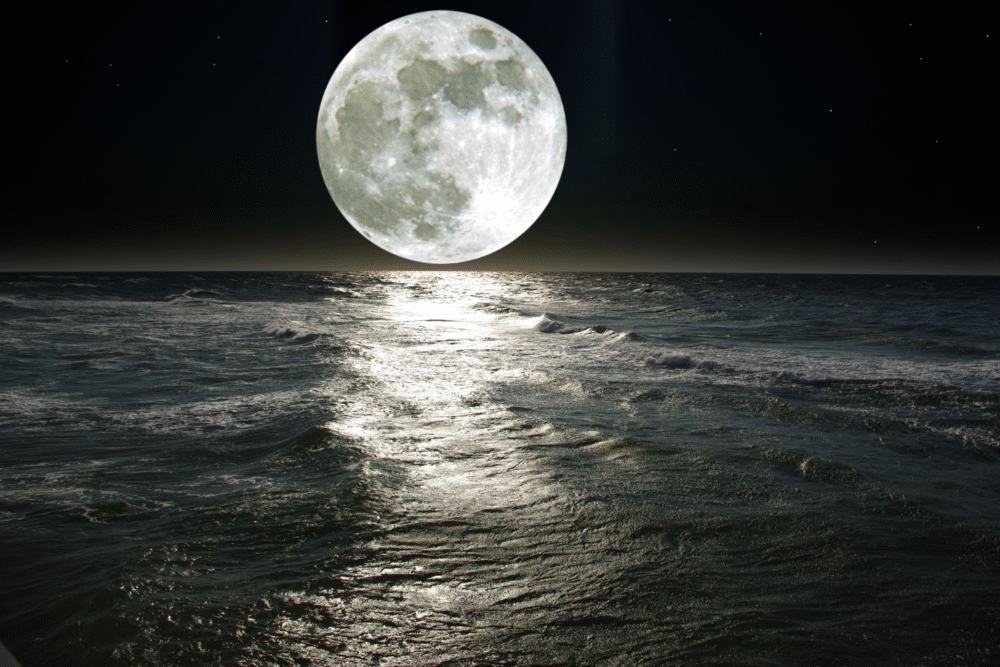
The Moon’s surface does not erode the way Earth’s does, meaning anything left on it could remain preserved for billions of years. A small alien probe could easily blend in with lunar rocks or dust.
Although humans have explored parts of the Moon, large regions have never been studied up close. Since the surface changes so slowly, scientists believe the Moon might be one of the best places to check for long-lasting technological artifacts.
7. Some Probes Could Have Been Self-Replicating
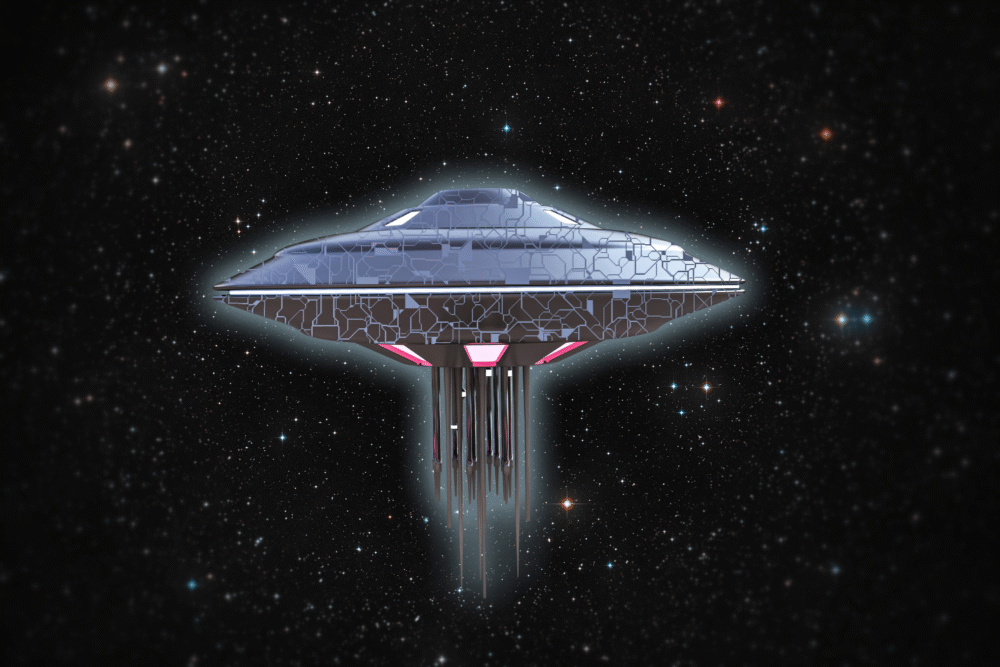
The study discusses the idea that advanced civilizations might send self-replicating probes capable of repairing themselves or building copies using local resources. This concept—often called a von Neumann probe—has even been considered by human engineers.
If such probes were sent here in the distant past, they might have left behind fragments, inactive units, or hidden structures. Even if they no longer function, their remains might still exist somewhere in the solar system.
8. There Is Still No Evidence of Alien Technology
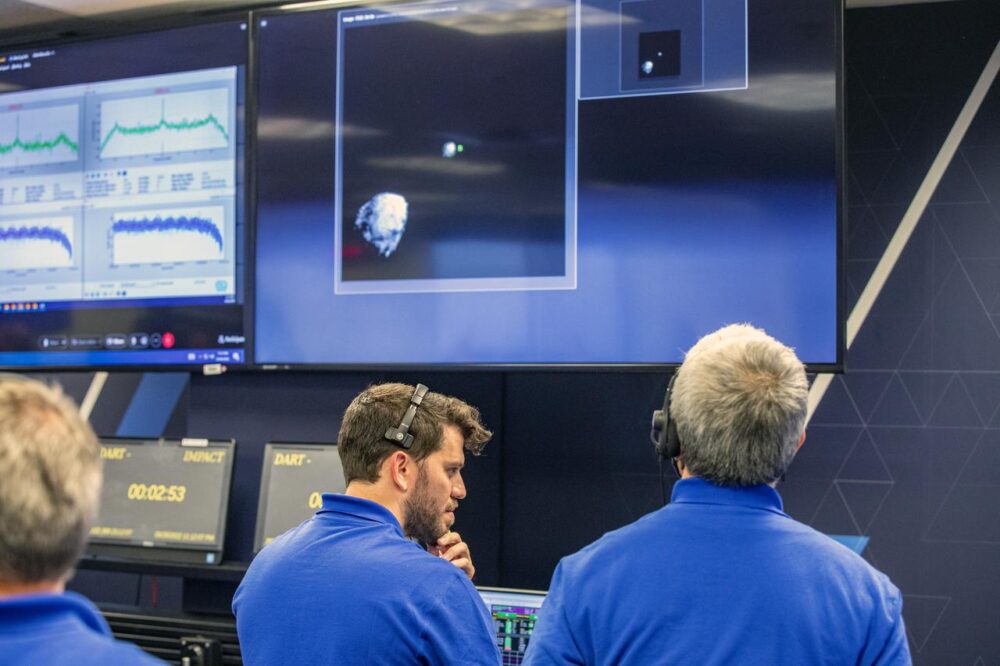
Despite the hypothesis, scientists emphasize that no alien artifacts or probes have been found. The idea is not based on sightings or physical evidence—it’s based on the possibility that we haven’t yet searched thoroughly.
The authors argue that given the size of the solar system and the limited areas we’ve explored, it is scientifically reasonable to consider the possibility of overlooked objects. This is not a claim that probes are here—only that they could be.
9. The Proposal Expands the Way We Search for Extraterrestrial Life
Traditional SETI (Search for Extraterrestrial Intelligence) focuses on detecting radio signals from distant civilizations. However, the new study encourages scientists to broaden their approach and also look for physical artifacts.
By combining radio searches with physical exploration of the solar system, scientists hope to increase the chances of discovering signs of advanced civilizations—if they exist. This shift represents a major expansion of SETI strategies.
10. If a Probe Exists, It Might Be Completely Inactive
Even if an alien probe were found tomorrow, it would likely be ancient and nonfunctional. It could be nothing more than a piece of old machinery, similar to how Earth’s own probes may look millions of years from now.
Researchers say the true scientific value would come from studying its materials or construction. Any artifact would reveal something extraordinary about how another civilization approached exploration and technology.
11. Scientists Say It’s Worth Looking, Even If the Chances Are Small

The authors of the paper argue that scanning overlooked regions—such as Lagrange points, the asteroid belt, and the Moon—is a low-risk, high-reward effort. Even if no probes are found, the search will help map and understand our solar system more fully.
And if something unusual ever does turn up, it could become one of the most important scientific discoveries in human history. Until then, researchers hope future missions will explore these hidden corners of space more closely.