
A newly identified reaction may reveal how Earth’s earliest molecules joined together long before cells existed.
A breakthrough experiment has given scientists their clearest glimpse yet into how life might have begun on Earth. Researchers have identified a simple chemical reaction—one that occurs naturally in water—that can link amino acids to RNA, two of life’s essential building blocks. The finding suggests early Earth may not have needed complex enzymes or cellular machinery for life to take its first steps. Instead, basic chemistry alone may have sparked the transition from nonliving molecules to the planet’s earliest biological systems.
1. Scientists May Have Found Life’s Earliest Chemical Spark

Researchers recently uncovered a simple chemical reaction that could explain how life first began on Earth. The reaction links amino acids to RNA, two of the most essential building blocks of biology, without needing enzymes or any form of cellular machinery.
This discovery helps fill a key gap in our understanding of the transition from nonliving chemistry to the first primitive biological systems. It suggests that life’s earliest steps may have been far simpler—and more spontaneous—than scientists once believed.
2. The Clue Was Hidden in a Molecule Older Than DNA
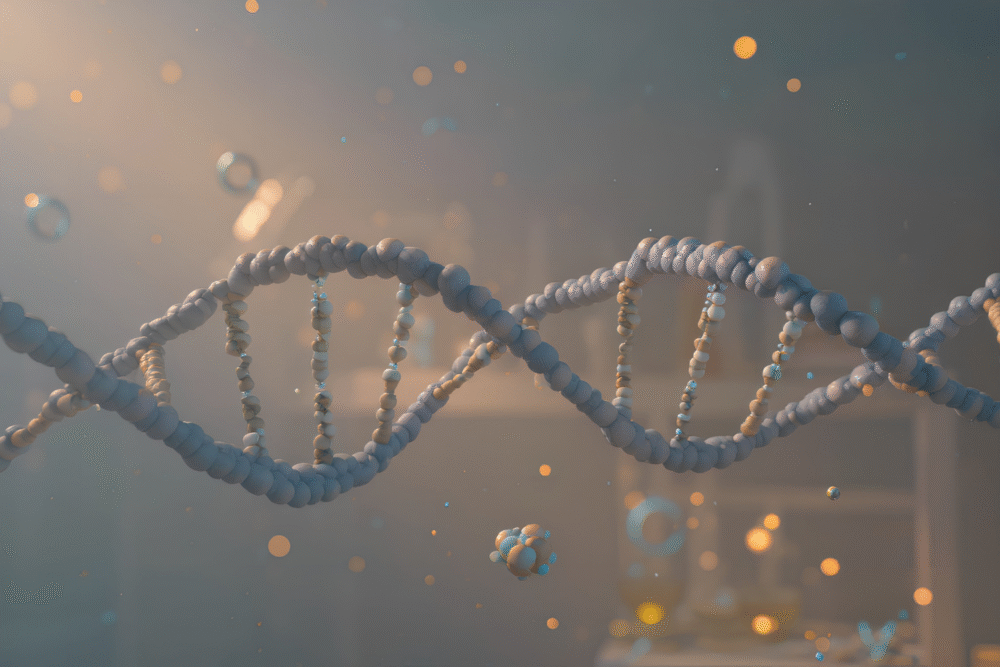
Many scientists think life began in an “RNA world,” a time when RNA molecules carried genetic information and performed basic chemical tasks before DNA and proteins evolved. The new study strengthens that theory by showing RNA can naturally bind amino acids under early Earth conditions.
This ability means RNA may have played an even bigger role in the dawn of life than previously thought. If RNA could both store information and interact with amino acids, it may have jump-started the evolution of more complex biological processes.
3. A Chemical Reaction That Works Without Cells
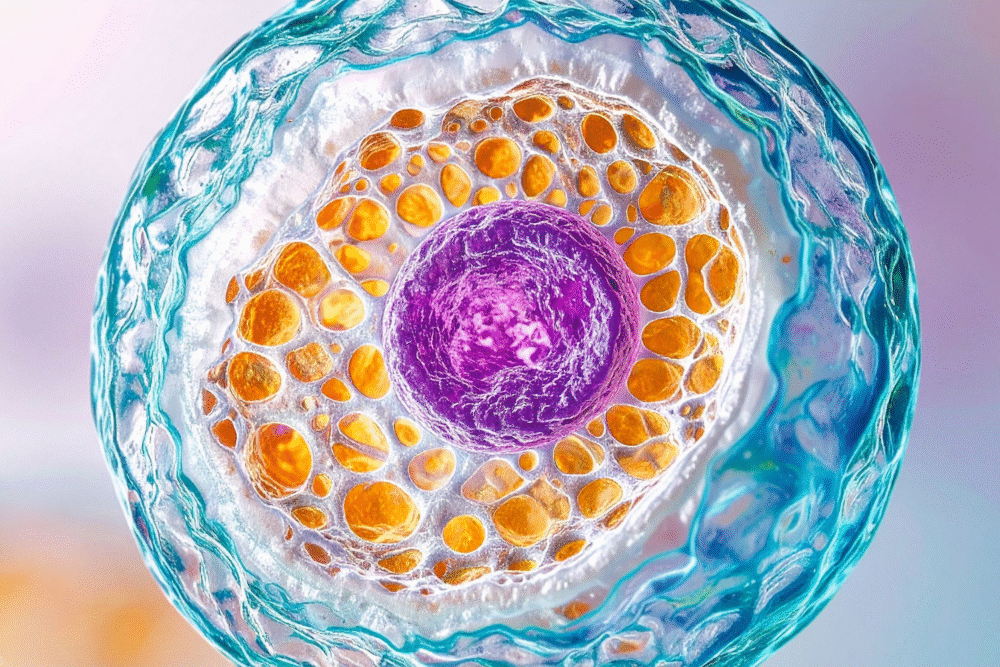
Modern cells rely on elaborate protein machinery to build and repair themselves, but early Earth lacked such sophisticated tools. The reaction uncovered in this study works entirely on its own, without enzymes, membranes, or living cells.
That makes it an ideal candidate for one of life’s earliest steps. If such reactions happened naturally in the oceans or warm volcanic pools, they could have gradually assembled more complex molecules—setting the stage for the first primitive organisms.
4. The Reaction Happens Naturally in Water

Unlike many proposed origin-of-life reactions that require unlikely conditions, this one can occur in ordinary water. Early Earth was full of oceans, lakes, and hot springs, making water-based reactions crucial to understanding life’s emergence.
Because the reaction also produces biologically relevant bonds, it fits neatly into what researchers call “prebiotic chemistry”—natural processes that could have taken place long before the first cells formed.
5. Why Amino Acids and RNA Matter So Much
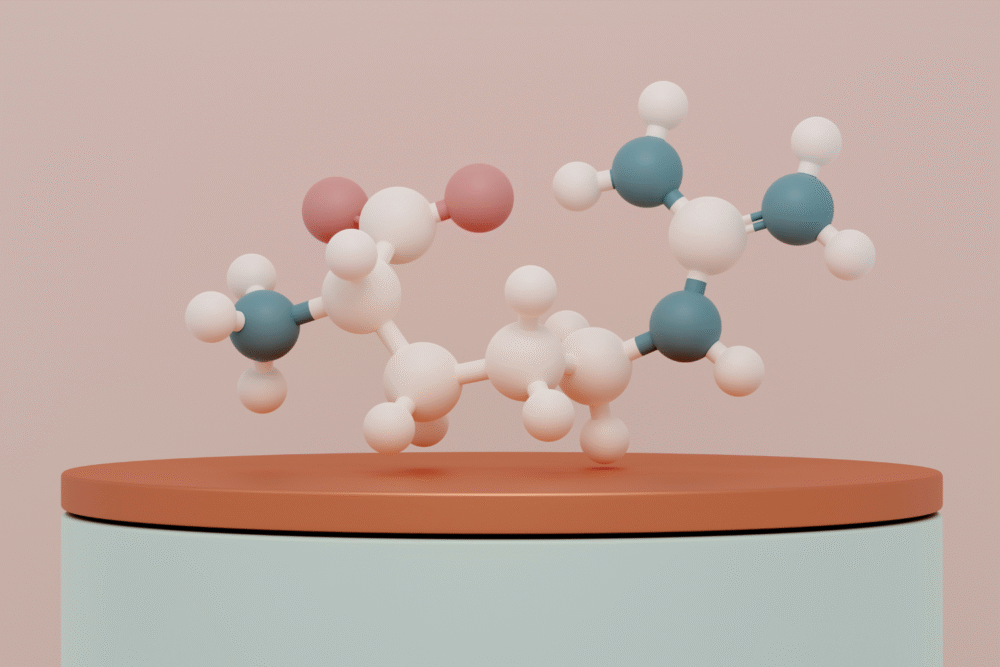
Amino acids are the building blocks of proteins, the molecules that power almost every process in living organisms. RNA acts as both a messenger of genetic information and a chemical catalyst. Seeing these two molecules work together without biological assistance is a major breakthrough.
This connection may explain how the earliest proteins formed, giving life the tools to grow more complex. It also helps clarify how chemistry gradually shifted toward biology on the early Earth.
6. The Discovery Solves a Longstanding Mystery
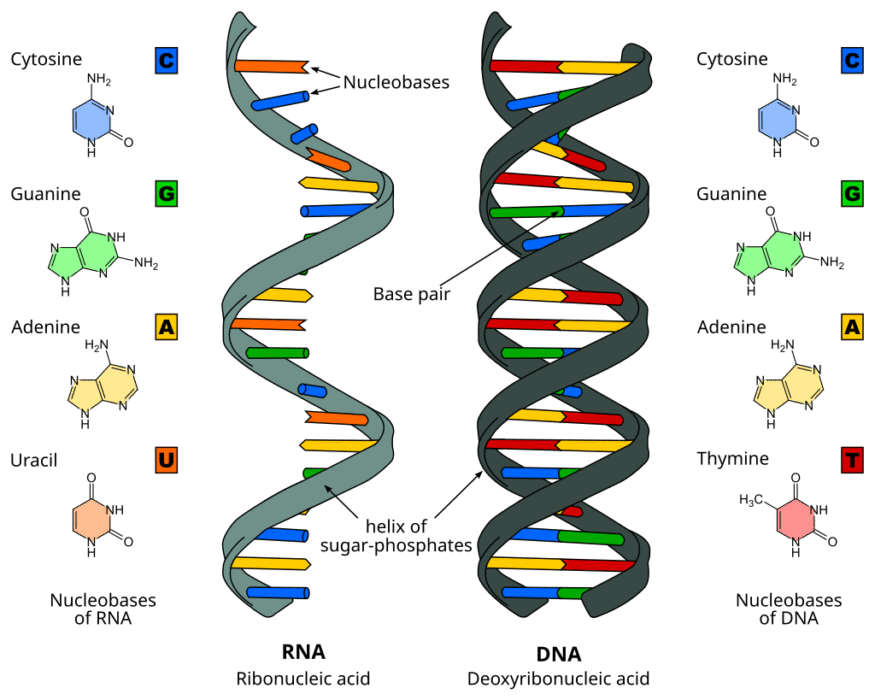
For decades, scientists have struggled to explain how proteins and RNA began interacting before enzymes existed. This new reaction provides a mechanism for that partnership, showing how amino acids could have become attached to RNA molecules naturally.
By solving this puzzle, the study helps bridge a major gap in origin-of-life research. It may represent one of the earliest steps in the chemical pathway that eventually produced living organisms.
7. The Findings Were Recreated in a Laboratory

To test their theory, researchers recreated early Earth conditions in controlled laboratory experiments. When they combined amino acids with RNA building blocks in water, the molecules linked themselves together without any biological assistance.
These controlled experiments give scientists confidence that similar reactions could have happened billions of years ago. The results match what early Earth environments—warm ponds, tidal flats, or volcanic landscapes—may have provided.
8. A Possible Explanation for Life’s First “Instructions”
RNA is capable of storing genetic-like information, and amino acids form the basis of protein structures. Seeing them connect without enzymes suggests a natural pathway for life’s earliest “instructions” to form.
If RNA could guide the formation of simple proteins, early organisms might have developed the ability to adapt and evolve. This interaction may have set the stage for the development of DNA and the complex biology present today.
9. The Discovery Connects Chemistry to Biology
Origin-of-life researchers often describe the challenge of explaining how the world moved “from chemistry to biology.” This newly documented reaction shows a direct link between ordinary molecules and biological function.
It supports the idea that life may not have started with fully formed cells. Instead, it could have emerged gradually as simple molecules interacted in increasingly complex ways, eventually crossing the threshold into living systems.
10. It Opens New Doors in the Search for Life Beyond Earth
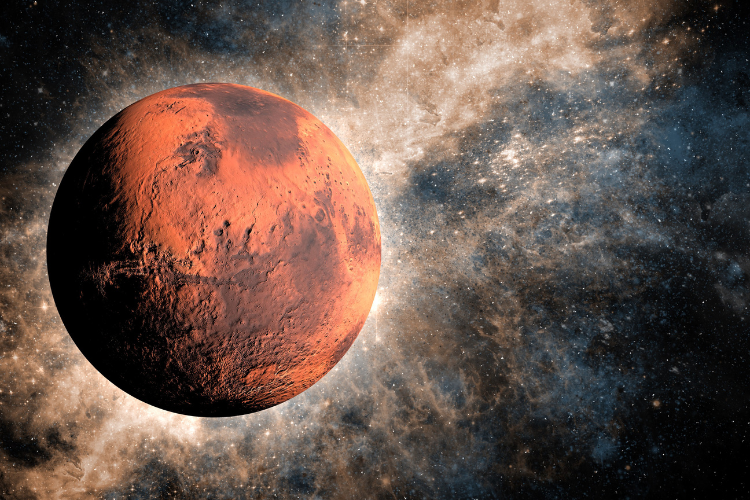
If life’s first chemical reactions were simple and water-based, they might also happen on other planets or moons with similar conditions. Worlds like Enceladus, Europa, or ancient Mars could host comparable chemistry.
The findings give astrobiologists a clearer blueprint for where—and how—to search for potential life beyond Earth. Simple molecular interactions may be more widespread in the universe than once thought.
11. Scientists Say This Is Only the Beginning

While the discovery is a major breakthrough, researchers emphasize that many steps remain between this reaction and the first true living cell. Still, finding a natural link between amino acids and RNA is a critical piece of the puzzle.
As scientists continue replicating early Earth chemistry, each new insight brings us closer to understanding how life emerged from the planet’s raw materials. This latest finding may be one of the most important clues yet.