
Archaeologists exploring Saqqara, one of Egypt’s most sacred burial grounds, have uncovered hundreds of ancient coffins sealed for more than 2,500 years.
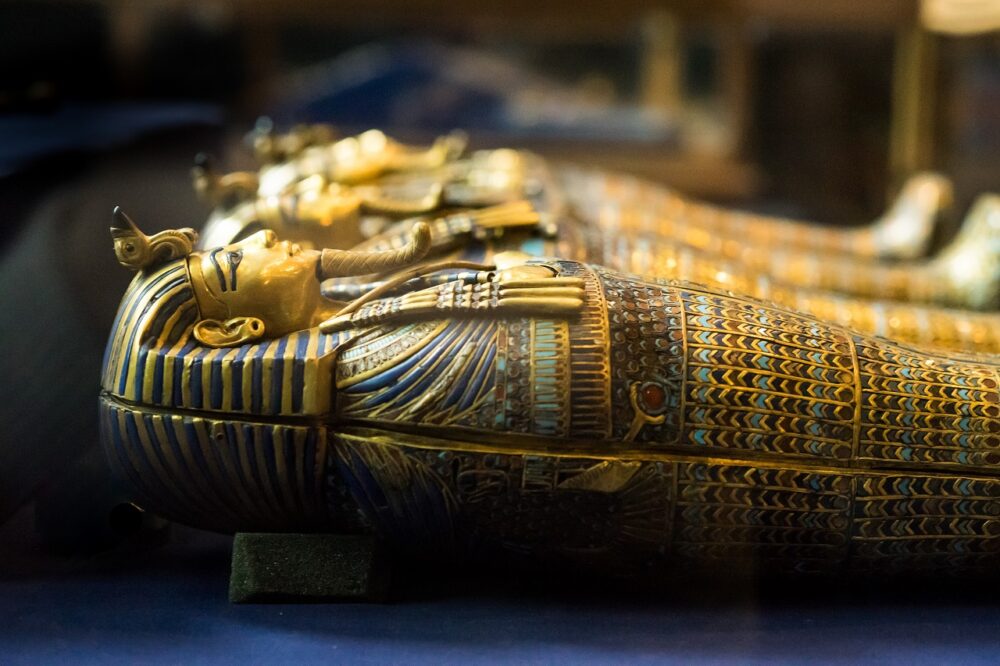
In a discovery that has astonished Egyptologists, archaeologists working at Saqqara—near the famed Step Pyramid of Djoser—have unearthed hundreds of sealed sarcophagi dating back to the Late Period of ancient Egypt. Many still contain intact mummies, brightly painted surfaces, and burial goods untouched since they were placed underground more than two millennia ago. Experts say the find sheds new light on ancient funerary practices and offers one of the most extraordinary glimpses into daily life and belief in ancient Egypt.
1. The Discovery Site Lies in the Ancient Necropolis of Saqqara
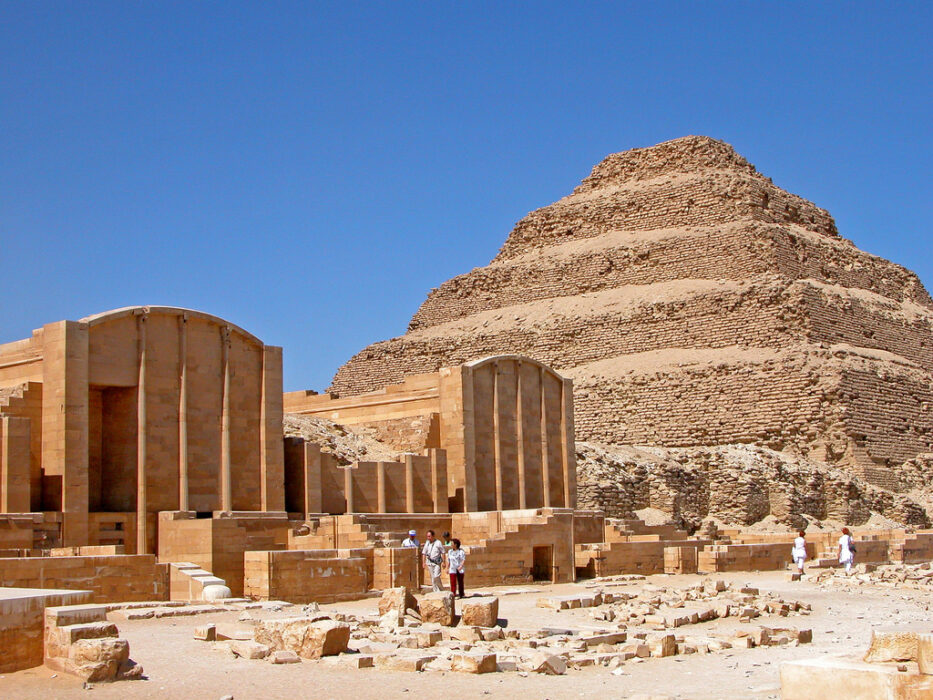
Archaeologists uncovered the sealed sarcophagi in Saqqara, Egypt’s sprawling burial ground just south of Cairo. Once the necropolis of the ancient capital Memphis, Saqqara is home to thousands of tombs and the world’s first stone pyramid—the Step Pyramid of Djoser.
The site has long yielded treasures from different dynasties, but this discovery stands out for its sheer scale and preservation. The burial shafts where the coffins were found descend nearly 40 feet underground, revealing layer upon layer of untouched ancient history.
2. More Than 250 Coffins Were Found—All Still Sealed
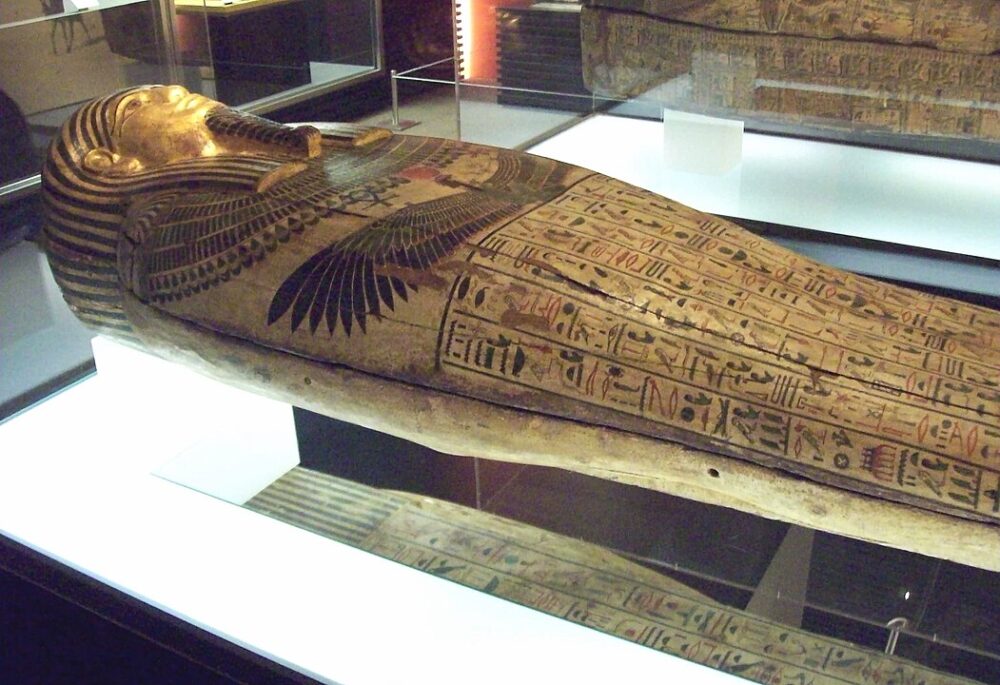
During excavations in recent years, Egyptian archaeologists unearthed over 250 wooden sarcophagi dating back about 2,500 years, to Egypt’s Late Period and Ptolemaic era. Remarkably, most of them were still sealed just as they were left by ancient priests.
The coffins were stacked in burial shafts and painted in vivid colors that survived centuries beneath the sand. Their lids still display hieroglyphs and protective deities, offering valuable clues about the individuals buried within and the religious beliefs of their time.
3. The Mummies Inside Are Exceptionally Well Preserved
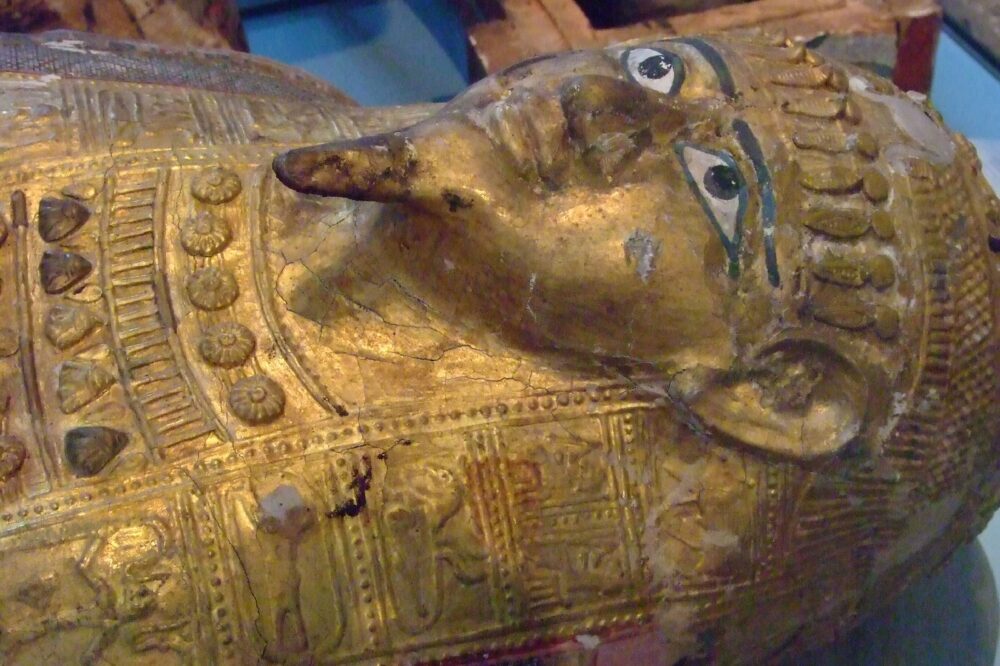
When experts opened several of the coffins, they were astonished to find mummies in remarkably good condition. Wrappings, funerary masks, and even facial details were still visible, protected by the dry, sealed environment underground.
According to Egypt’s Ministry of Tourism and Antiquities, many of the bodies belonged to priests, scribes, and elite members of society. Their preservation rivals that of the most famous tombs in Luxor, showing how advanced mummification techniques had become by the Late Period.
4. The Coffins Date Back to the Late Period of Ancient Egypt
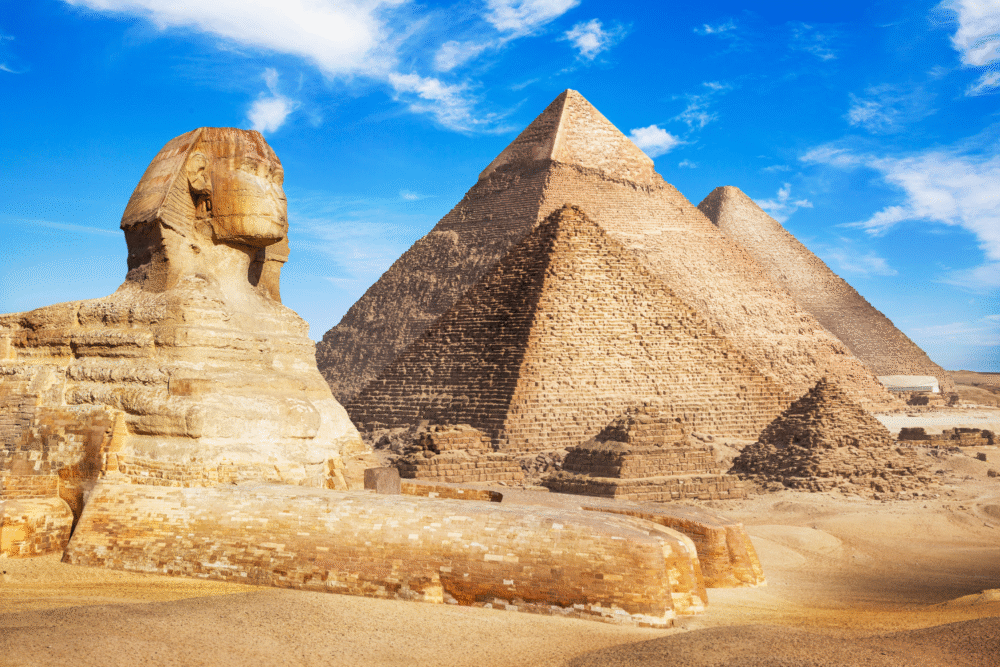
Carbon dating and inscriptions indicate the burials took place between 664 and 332 BCE, during the 26th to 30th dynasties—an era of political revival and artistic flourish in Egypt.
This period saw a resurgence in monumental building and renewed devotion to traditional gods like Osiris and Isis. The Saqqara coffins reflect that spiritual revival, adorned with protective texts meant to guide the deceased safely through the afterlife.
5. Stunning Colors and Carvings Survived the Millennia
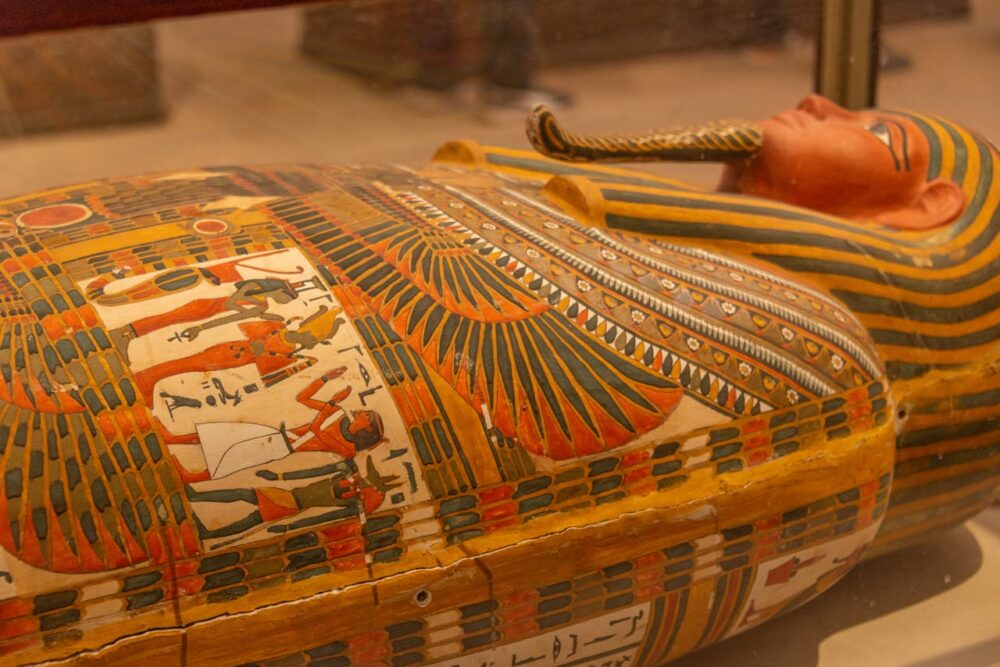
Despite being buried for over two millennia, many sarcophagi retained their original paint and carvings. Vibrant blues, reds, and golds still shine across the wood, thanks to Egypt’s arid climate and the protective sealing of the burial shafts.
Conservators say the pigments were made from natural minerals like malachite and ochre, bound with organic materials that have astonishingly resisted decay. These artworks preserve details of Egyptian iconography—eyes of Horus, winged goddesses, and hieroglyphic spells invoking eternal protection.
6. Archaeologists Also Found Dozens of Bronze Statues
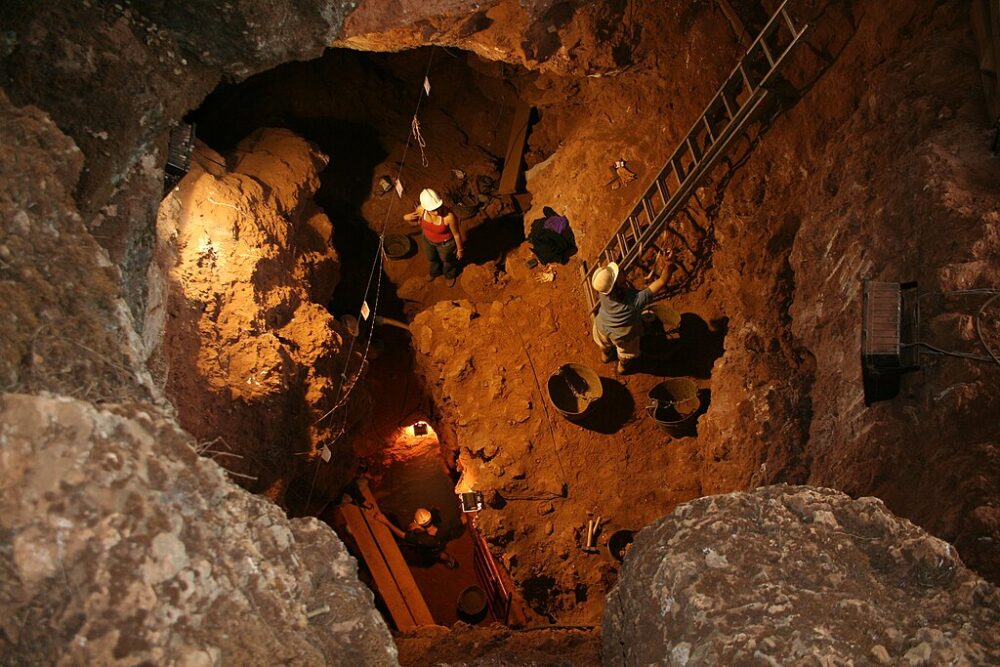
Alongside the coffins, researchers discovered more than 150 small bronze statues representing ancient Egyptian deities, including Anubis, Bastet, and Hathor. These offerings were placed beside the dead to provide protection and divine favor in the afterlife.
Many statues were crafted with extraordinary precision, suggesting skilled workshops produced them for temple use or elite burials. Their presence in such large numbers indicates Saqqara remained an active and prosperous religious center well into Egypt’s Late Period.
7. The Burial Shafts Were Likely Reserved for Priests and Elites

Hieroglyphic inscriptions and associated artifacts indicate that many of those interred held high-ranking religious or administrative positions. Several coffins mention titles like “Servant of the Temple of Ptah” or “Priest of Osiris.”
These individuals likely had both wealth and spiritual significance. Their elaborate burials, complete with amulets, papyrus scrolls, and golden masks, reflect the growing complexity of funerary practices during this stage of Egyptian history.
8. Some Sarcophagi Contained Papyrus Scrolls and Amulets
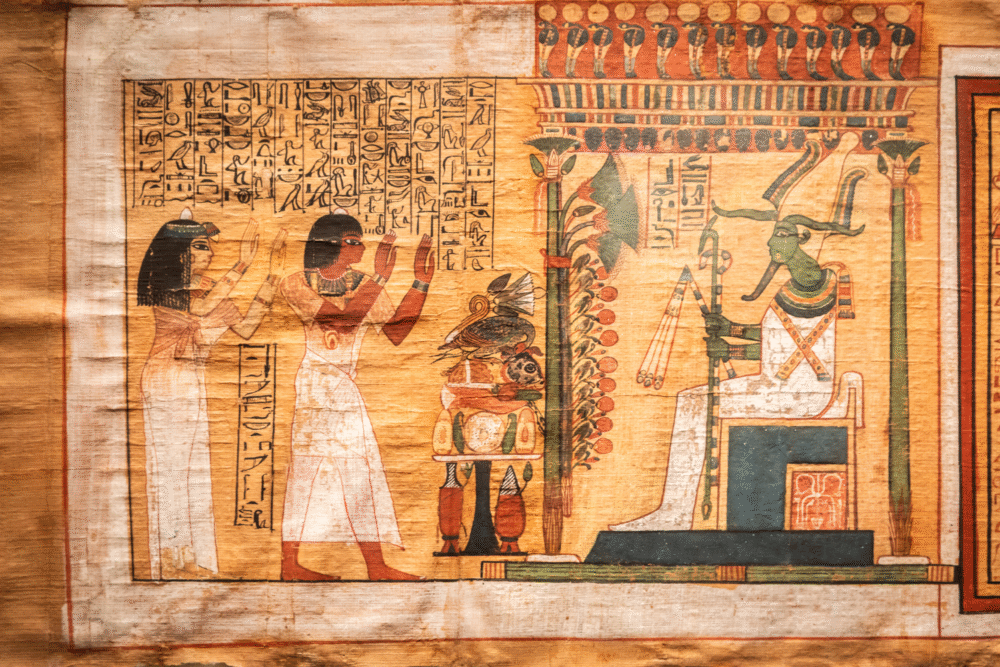
Among the discoveries were papyrus fragments inscribed with verses from the Book of the Dead—ancient Egypt’s guide to the afterlife. Amulets shaped like scarabs, ankhs, and eyes of Horus were also found placed within the wrappings.
These sacred objects were believed to protect the soul’s journey through the underworld. Their survival in such pristine condition offers an unprecedented opportunity for scholars to study Egyptian religious texts and burial customs directly from the source.
9. The Finds Were Announced by Egypt’s Ministry of Antiquities
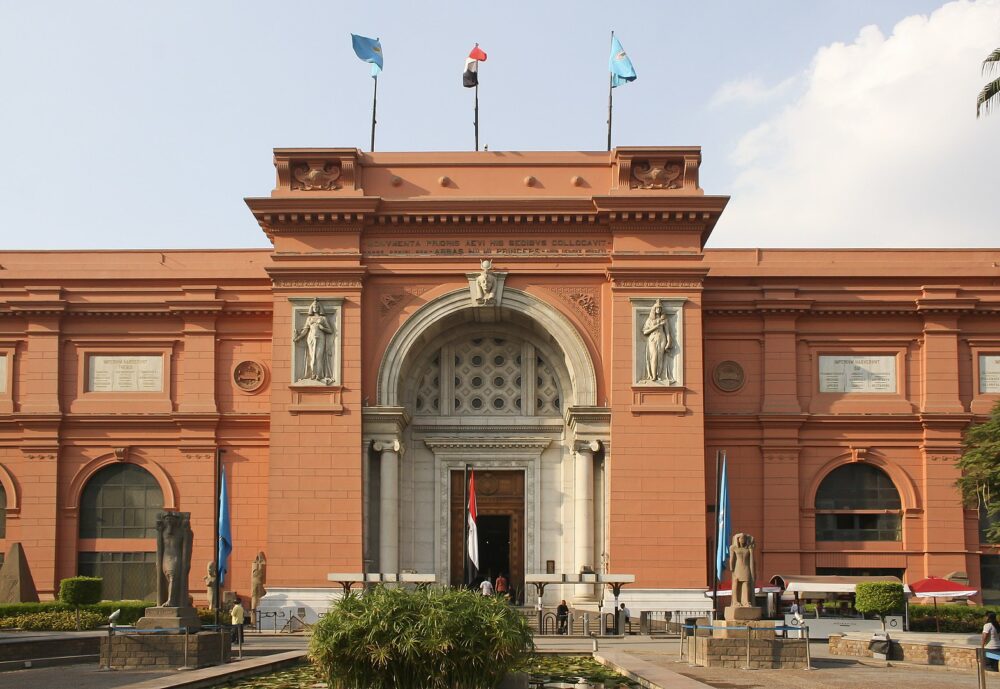
The Egyptian government unveiled the discovery to the world as part of an ongoing effort to highlight the country’s archaeological achievements. Officials described it as one of the most significant finds in decades, both for its quantity and state of preservation.
The announcement attracted global attention and renewed interest in Saqqara as a key archaeological site. It also underscored Egypt’s investment in restoring and protecting its heritage for future generations.
10. The Discovery Will Help Rewrite Burial History at Saqqara
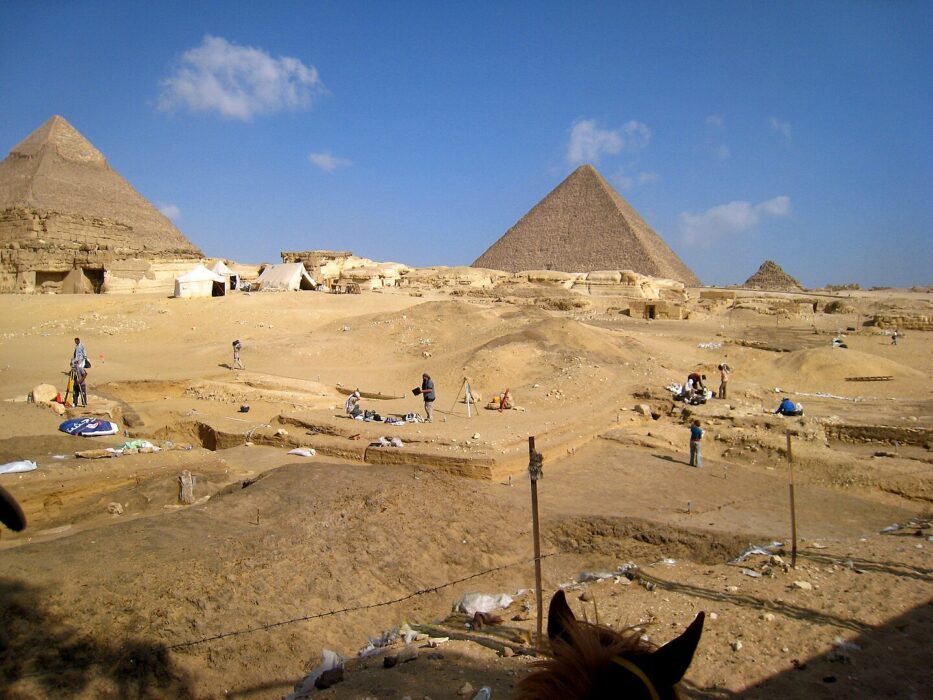
Prior to this find, archaeologists believed large-scale burials at Saqqara had declined after the New Kingdom period. These sealed coffins prove the necropolis remained active for centuries longer than previously thought.
The discovery suggests that ancient Egyptians continued to use Saqqara as a sacred burial ground well into the Late Period, adapting older religious practices while integrating new artistic and theological influences. This challenges long-held assumptions about how Egyptian burial traditions evolved.
11. The Artifacts Are Now Being Prepared for Museum Display
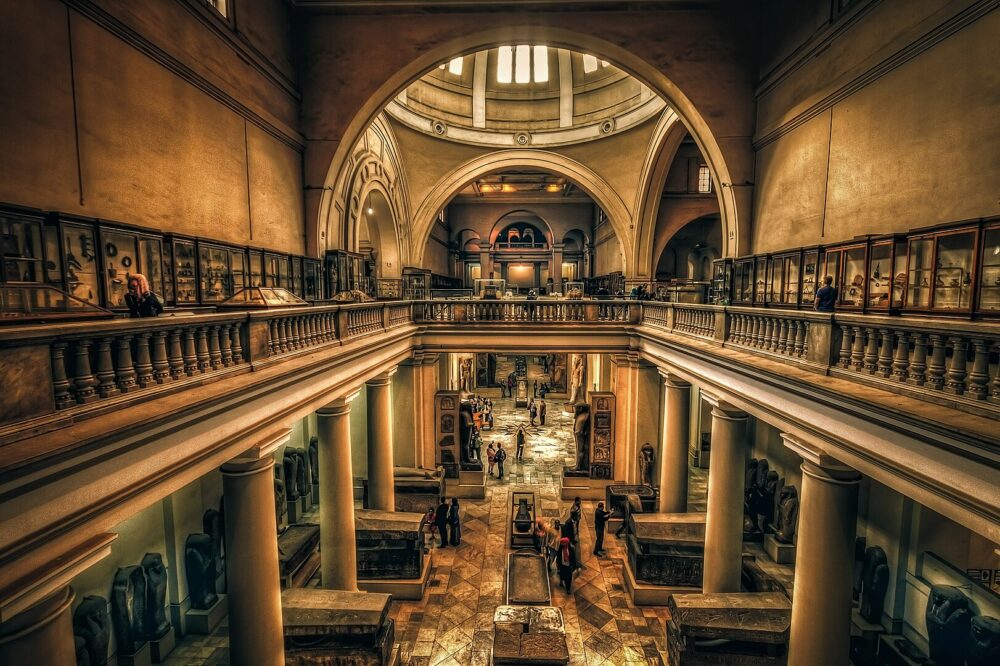
After conservation work, many of the sarcophagi and artifacts are being prepared for display in Egypt’s new Grand Egyptian Museum near Giza. Experts are carefully stabilizing paint layers, treating wooden surfaces, and documenting every detail before public exhibition.
Once unveiled, the collection will rank among the largest intact group of coffins ever discovered in Egypt. Archaeologists hope it will deepen public appreciation for the skill, artistry, and spiritual devotion that defined ancient Egyptian civilization more than two millennia ago.