
Scientists say a real Yellowstone eruption would unfold slowly, spread globally, and reshape life in America for generations.
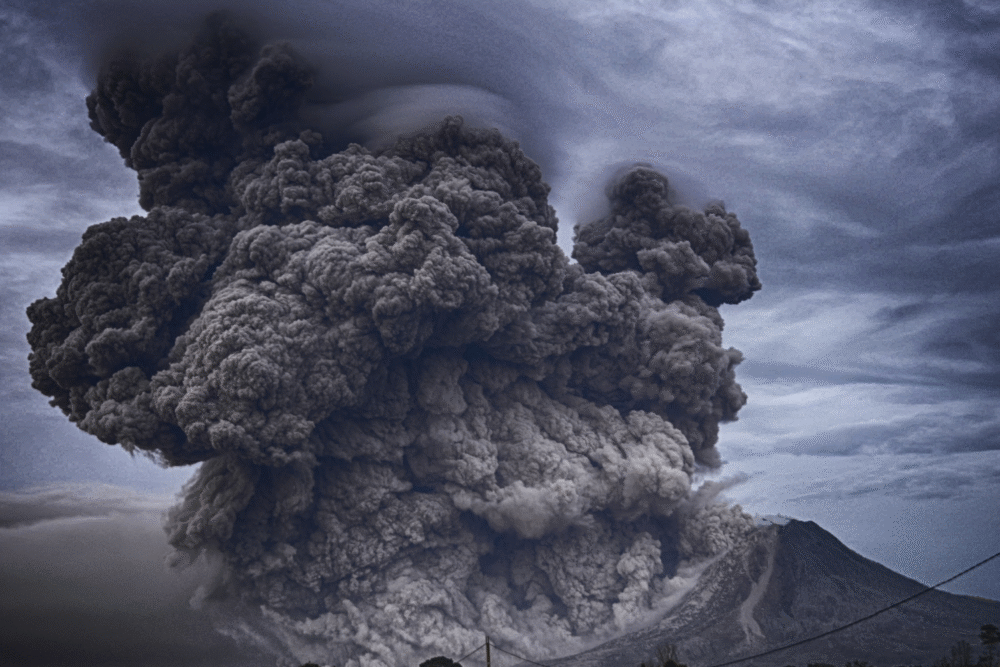
Deep beneath Yellowstone National Park lies one of the most powerful volcanic systems on Earth — a supervolcano capable of an eruption thousands of times stronger than Mount St. Helens. Movies often depict it as an instant apocalypse, but scientists say the real scenario would be far more complex — and far more devastating. From suffocating ash clouds to global cooling and food shortages, a Yellowstone eruption wouldn’t just destroy the American West — it could disrupt the entire planet’s climate and economy.
1. The Supervolcano Beneath America’s First National Park
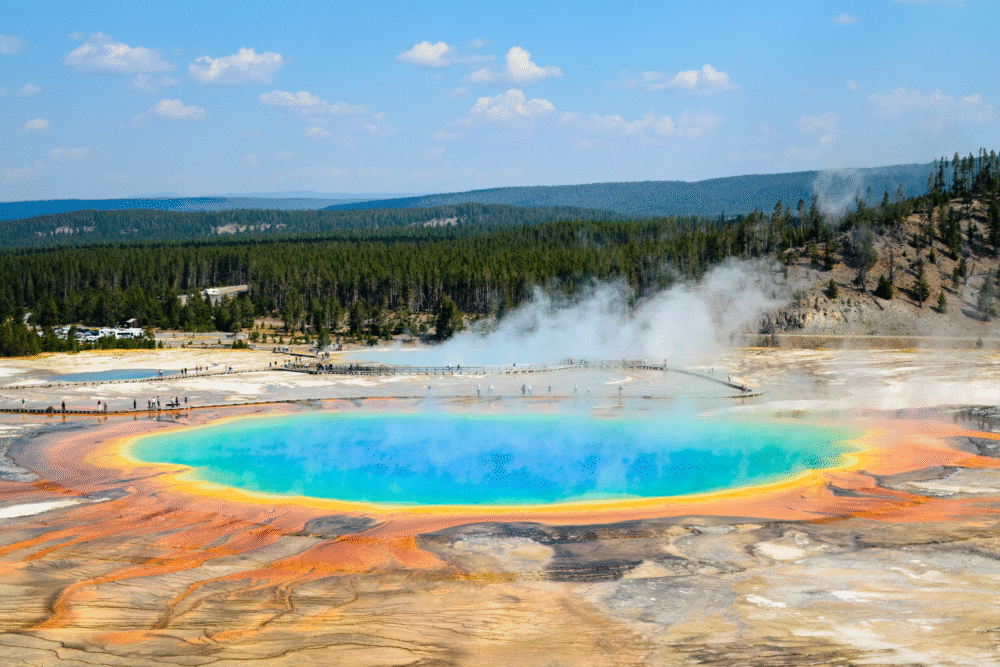
Beneath Yellowstone National Park sits a massive magma chamber stretching more than 40 miles wide and several miles deep. Scientists classify it as a supervolcano because it’s capable of eruptions exceeding 1,000 cubic kilometers of material—thousands of times more powerful than typical volcanic blasts.
This underground system isn’t dormant. It still fuels Yellowstone’s famous geysers and hot springs. While there’s no sign of an imminent eruption, geologists continually monitor the park’s seismic activity, gas emissions, and ground deformation for any early warning signs.
2. Three Catastrophic Eruptions Have Already Happened
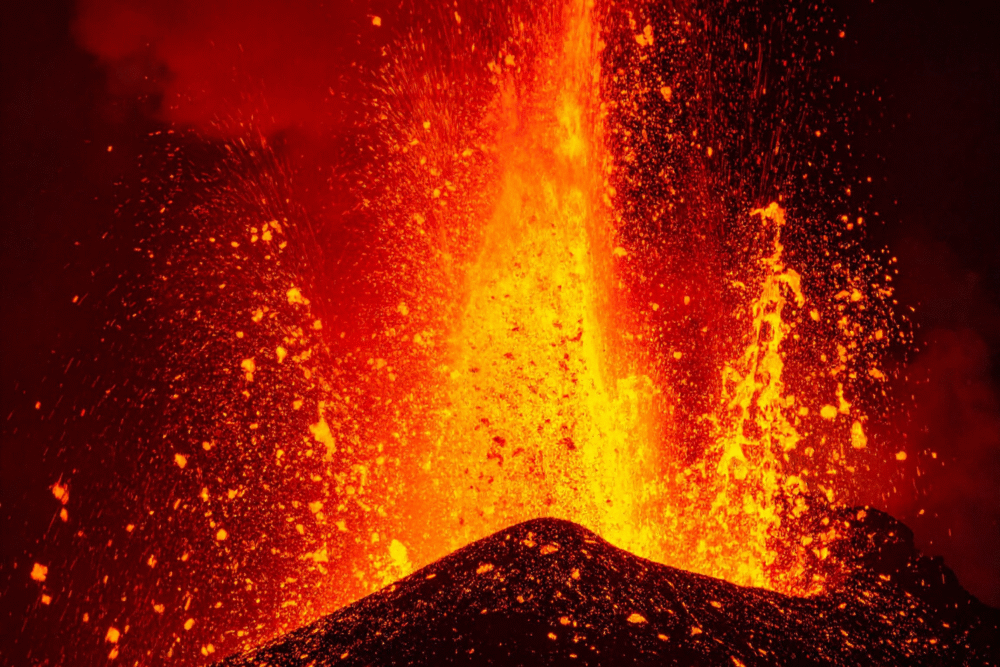
Yellowstone has erupted three times in the past 2.1 million years: 2.08 million, 1.3 million, and 640,000 years ago. Each eruption blanketed vast parts of North America in volcanic ash, altering global temperatures and ecosystems for decades.
The last major eruption created the park’s massive caldera—an enormous depression visible from space. While smaller lava flows have occurred since then, scientists emphasize that another super-eruption, though possible, is statistically rare on human timescales.
3. What Would Trigger the Next Eruption

An eruption would begin when rising magma increases underground pressure beyond the strength of the crust above it. This pressure could cause thousands of small earthquakes and visible ground swelling across the park.
The U.S. Geological Survey (USGS) says such signs would be obvious months, if not years, before an eruption. Continuous monitoring of more than 50 seismometers and GPS stations helps scientists detect even minor changes that could signal magma movement.
4. The First Signs Wouldn’t Be Explosions

If Yellowstone started to awaken, the first symptoms wouldn’t look apocalyptic. Instead, swarms of small earthquakes would ripple across the region, accompanied by changes in geyser activity and ground bulging of several inches per year.
Scientists would likely evacuate the region long before any explosion. Despite popular fears, experts stress that Yellowstone gives “loud warnings,” and an eruption with no notice is nearly impossible.
5. The Immediate Impact Would Devastate the American West

In the event of a full super-eruption, areas within roughly 50 miles—including parts of Wyoming, Montana, and Idaho—would be obliterated within minutes. Pyroclastic flows, superheated clouds of gas and rock, would travel at hundreds of miles per hour, incinerating everything in their path.
Beyond the blast zone, ash would rain down for hundreds of miles, collapsing roofs, contaminating water supplies, and halting air travel across much of the western United States.
6. Ash Fallout Could Reach the East Coast in Days
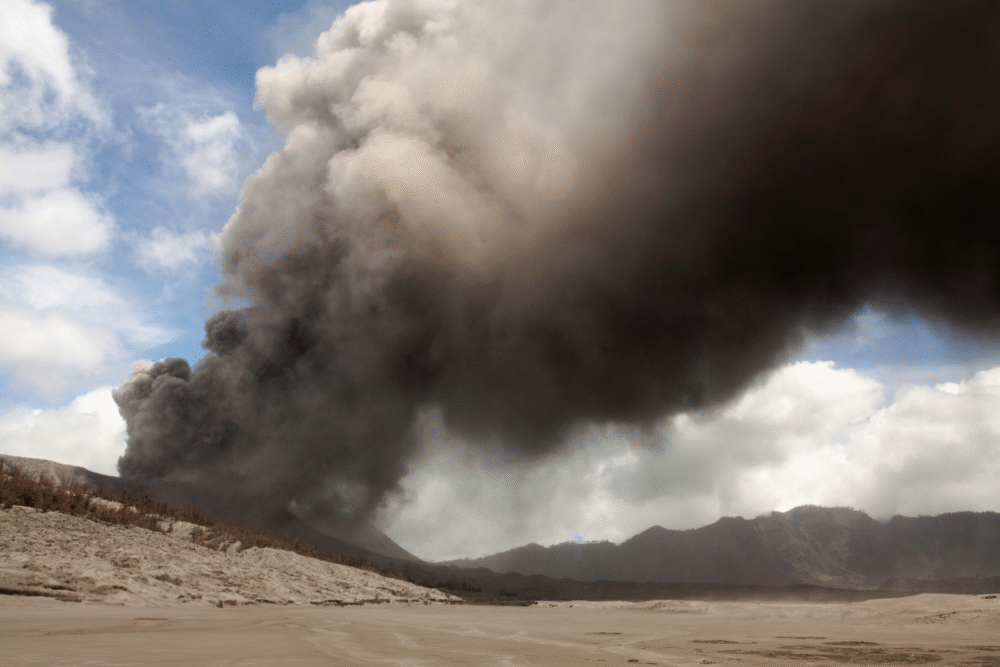
Computer models from the USGS show that fine volcanic ash could spread across the entire continental United States within days. Cities as far away as Chicago, New York, and Atlanta could see measurable ash accumulation.
Even a few millimeters of ash can disrupt transportation, clog machinery, and contaminate crops. The heaviest fallout—several feet thick—would blanket parts of the Midwest, turning skies gray and crippling infrastructure.
7. Global Temperatures Could Drop for Years
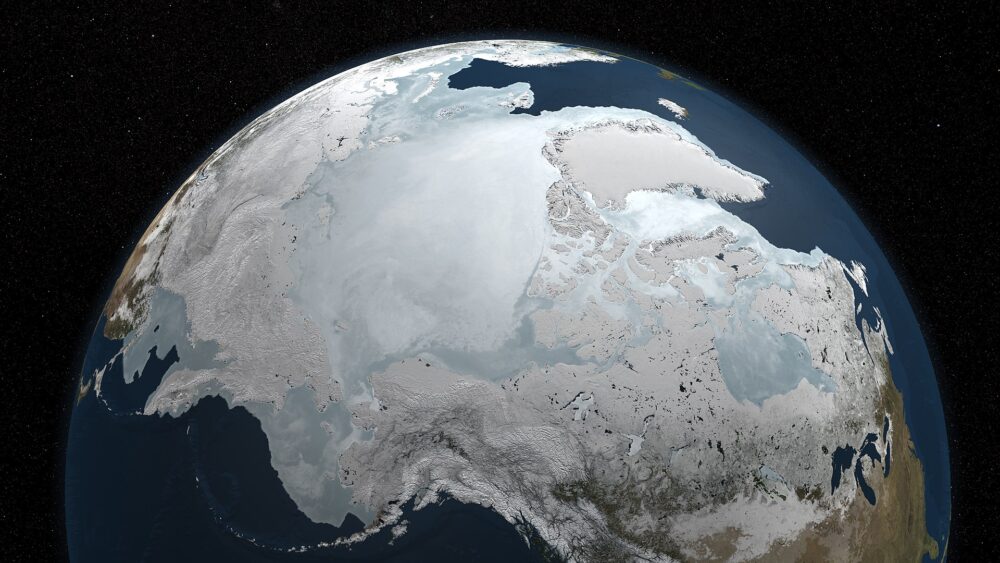
The eruption would release massive amounts of sulfur dioxide into the stratosphere, where it would reflect sunlight back into space. Scientists estimate global temperatures could fall by as much as 5 to 10 degrees Fahrenheit for several years.
This “volcanic winter” would shorten growing seasons, damage global food supplies, and temporarily disrupt weather patterns. Historical analogs like the 1815 eruption of Mount Tambora show how even smaller events can lead to widespread famine.
8. The U.S. Economy Would Take a Massive Hit

A Yellowstone eruption could cost tens of trillions of dollars in direct damages and economic collapse. Agricultural regions across the Midwest would be buried in ash, livestock would perish, and transportation systems would grind to a halt.
Energy grids, communication lines, and shipping routes would suffer massive disruptions. Economists suggest recovery could take decades, making it the most expensive natural disaster in recorded history.
9. The Effects Would Be Global, Not Just American

Volcanic ash and aerosols from a Yellowstone eruption wouldn’t stay confined to North America. They would circulate around the planet within weeks, darkening skies and lowering temperatures worldwide.
This could temporarily reduce photosynthesis, slow plant growth, and stress food production systems. Countries reliant on grain imports—particularly in Africa and Asia—would experience the sharpest impacts from reduced global harvests.
10. Scientists Are Constantly Monitoring Yellowstone
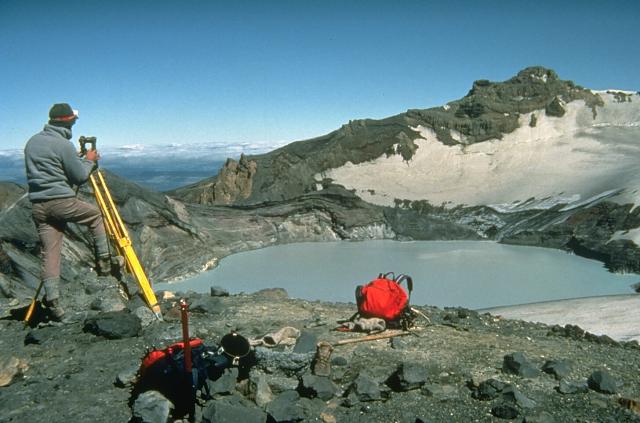
Despite its destructive potential, Yellowstone is among the most closely watched volcanic systems on Earth. The Yellowstone Volcano Observatory, run by the USGS, University of Utah, and National Park Service, tracks seismic activity, gas emissions, and land deformation around the clock.
So far, the data shows normal geothermal behavior. Most earthquakes in the park are small—magnitude 1 to 3—and are caused by water and heat movement, not rising magma.
11. Could Humans Survive a Super-Eruption?
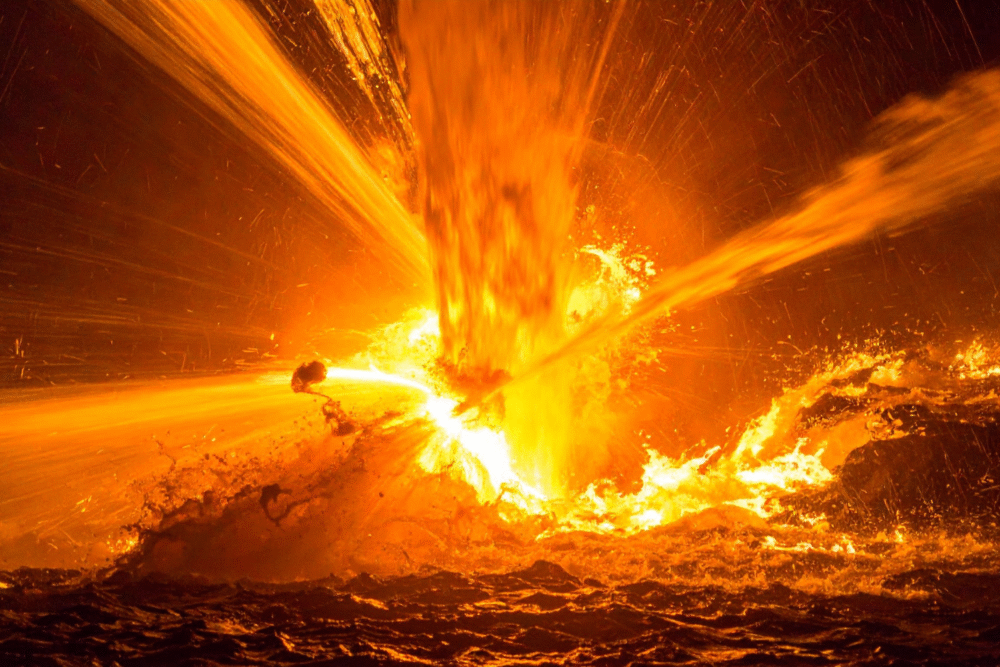
While the eruption would devastate much of North America, humanity itself would survive. Experts believe modern technology, emergency planning, and international cooperation could mitigate some of the worst effects.
However, long-term disruptions to food and climate could displace millions and strain global economies. Recovery would take decades, and regions near Yellowstone might remain uninhabitable for generations.
12. The Good News: It’s Not Likely to Happen Anytime Soon
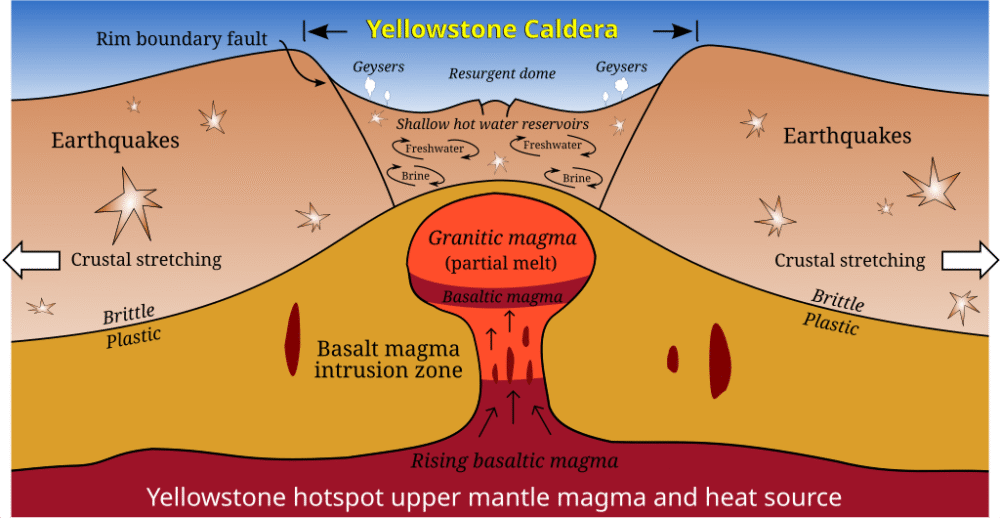
Scientists emphasize that there is no evidence of an impending eruption. Based on the past eruption intervals, Yellowstone is not “overdue.” The magma chamber is cooling, not pressurizing, and current gas and heat flow levels remain stable.
While the possibility of a future eruption can’t be ruled out entirely, experts agree that the odds of a catastrophic event in our lifetimes are extremely low. For now, Yellowstone remains a marvel of geology—more a laboratory of natural wonder than a ticking time bomb.