
The unexpected discovery is offering new clues about how a pivotal battle was really fought.
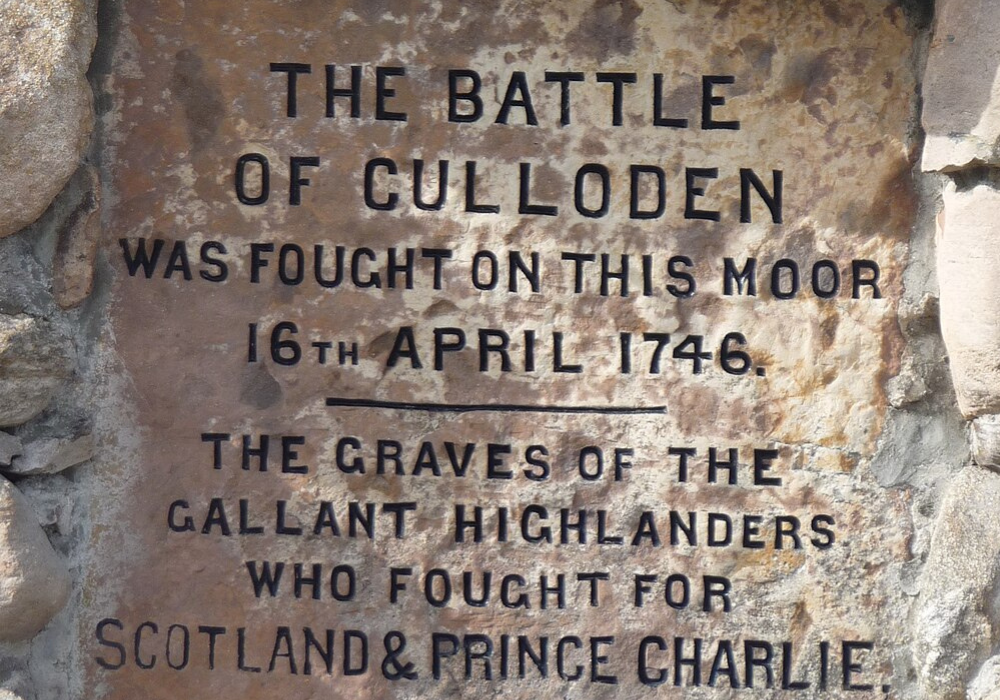
Archaeologists in the Scottish Highlands have uncovered more than 100 musket balls and pieces of cannon shot at the site of one of Britain’s most famous battles. The remarkable find, made at the 1746 Battle of Culloden site near Inverness, marks the largest collection of projectiles ever discovered there.
Researchers say the discovery offers new insight into troop movements and the intensity of the fighting that ended the Jacobite uprising—changing what historians thought they knew about the battlefield’s final moments.
1. A Chance Discovery in the Scottish Highlands

Archaeologists working near Inverness recently uncovered more than 100 musket balls and cannon shot buried in the soil of the Culloden battlefield—site of the brutal 1746 clash that ended the Jacobite uprising. The find was made during a routine metal-detection survey, not a planned excavation.
Experts say it’s one of the most significant discoveries at the site in decades, providing physical proof of the scale and chaos of Britain’s last major land battle fought on home soil.
2. The Largest Ammunition Find Ever at Culloden
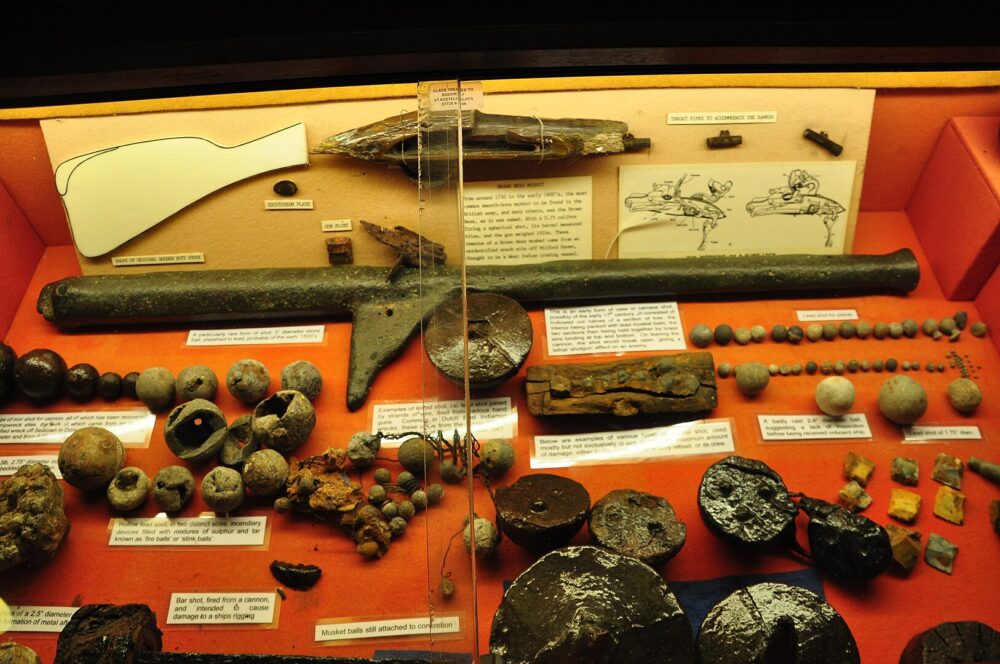
While artifacts have been found at Culloden before, nothing compares to this new discovery. The 100-plus projectiles make up the largest cache of musket balls and artillery fragments ever recovered from the site.
Researchers say the volume and concentration of the ammunition suggest intense, close-range fighting in areas that were previously thought to have seen limited combat. It’s a find that’s rewriting the accepted geography of the battle.
3. A 278-Year-Old Battlefield Frozen in Time
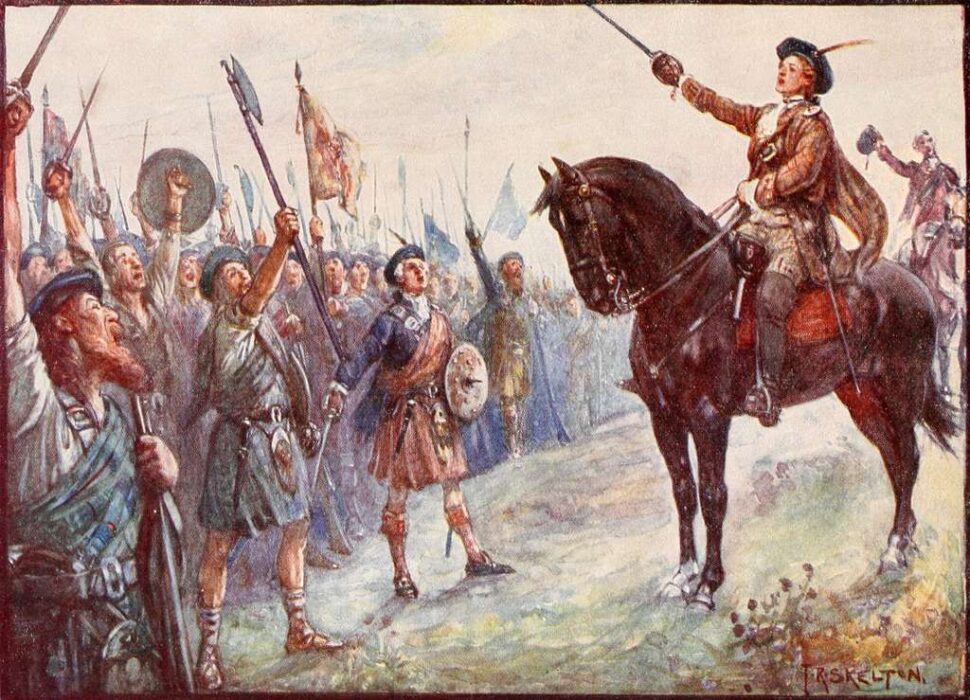
The Battle of Culloden took place on April 16, 1746, when British government forces defeated the Jacobite army of Charles Edward Stuart—better known as “Bonnie Prince Charlie.” The brutal, one-hour battle crushed hopes of restoring the Stuarts to the British throne.
Now, nearly three centuries later, these newly unearthed musket balls provide a tangible link to the soldiers who fought and fell that day. Each piece of lead is like a frozen moment from one of the most pivotal hours in Scottish history.
4. The Surprising Location of the Discovery
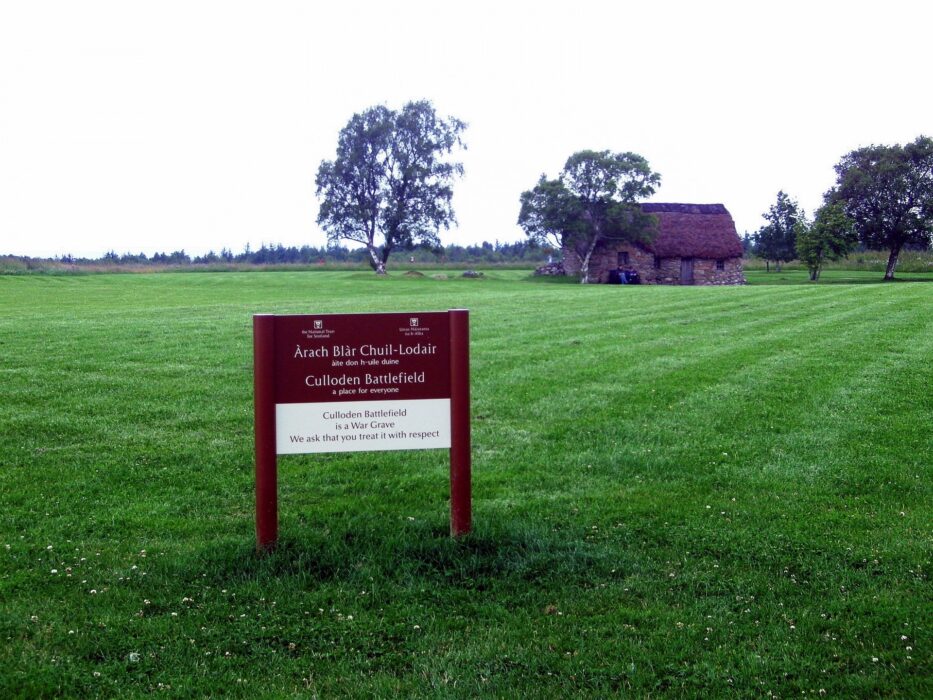
What shocked archaeologists most was where the projectiles were found. They came from an area previously assumed to be beyond the main combat zone. This suggests the battle may have extended farther east than historians believed.
The discovery hints that Jacobite troops were forced into a chaotic retreat earlier than recorded, possibly chased by British soldiers in a final, devastating surge across the moor.
5. Evidence of Fierce Close-Range Combat
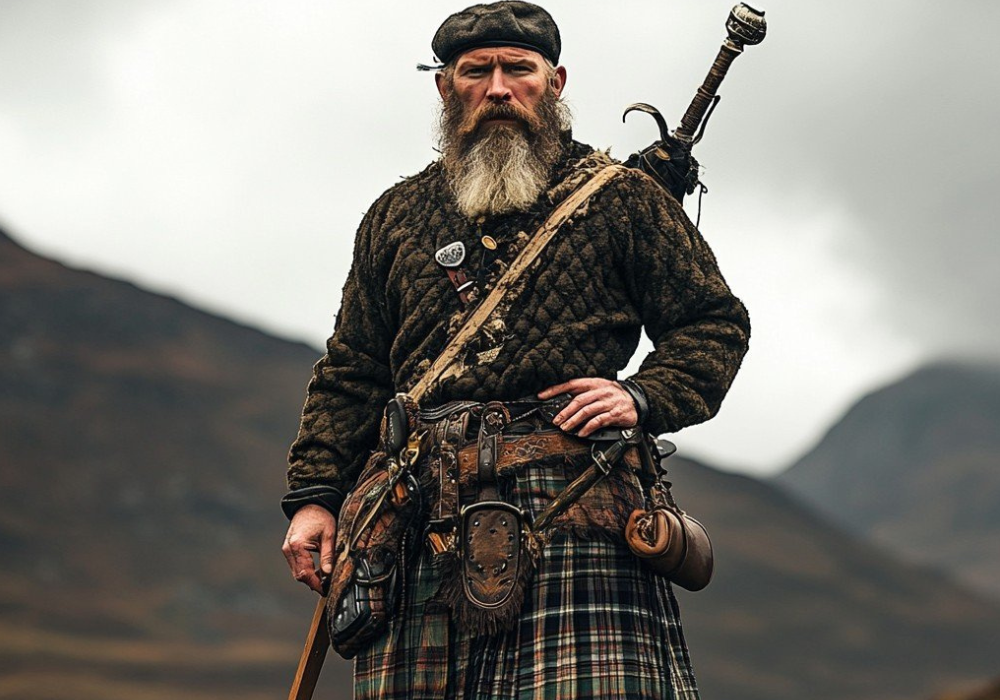
Many of the musket balls show signs of flattening or deformation—evidence that they struck hard surfaces or armor at close range. Some were even found fused together, likely from hitting each other mid-flight or being caught in the same blast.
This physical evidence supports eyewitness accounts describing Culloden as a bloody, close-quarters confrontation rather than a distant exchange of fire. The details make the horror of that day newly vivid to researchers.
6. A Window Into 18th-Century Warfare
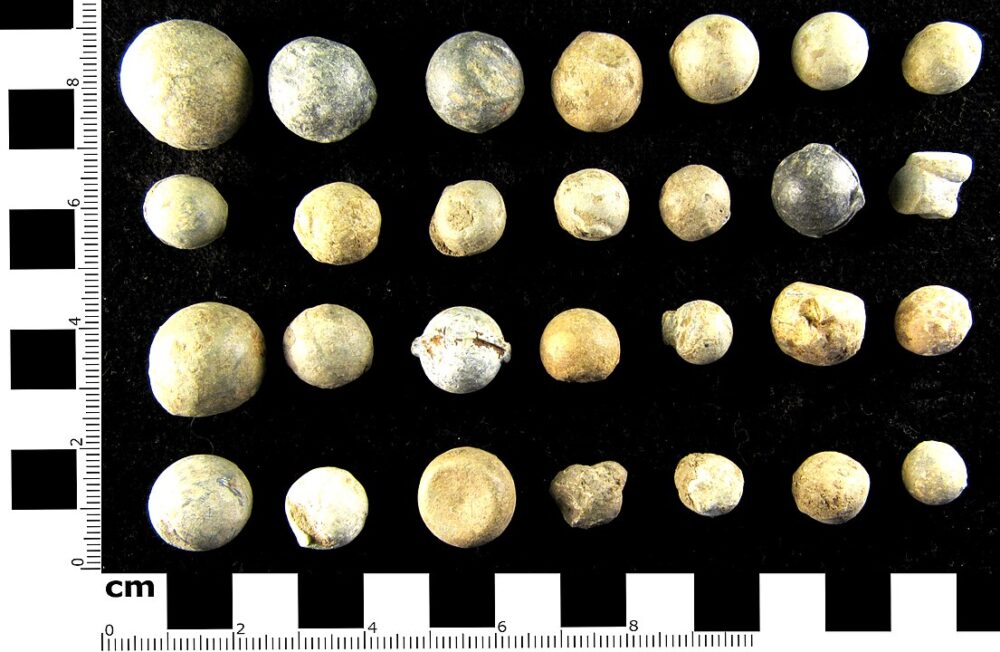
The musket balls were fired from flintlock muskets—the standard weapon of the 1700s. Each lead sphere weighed about one ounce and could travel over 100 yards, though accuracy dropped sharply beyond 50.
Cannon shot fragments were also found, confirming the government army’s use of field artillery that shattered the Jacobite ranks before hand-to-hand combat began. These findings paint a clearer picture of how the battle unfolded minute by minute.
7. Technology That Made the Discovery Possible
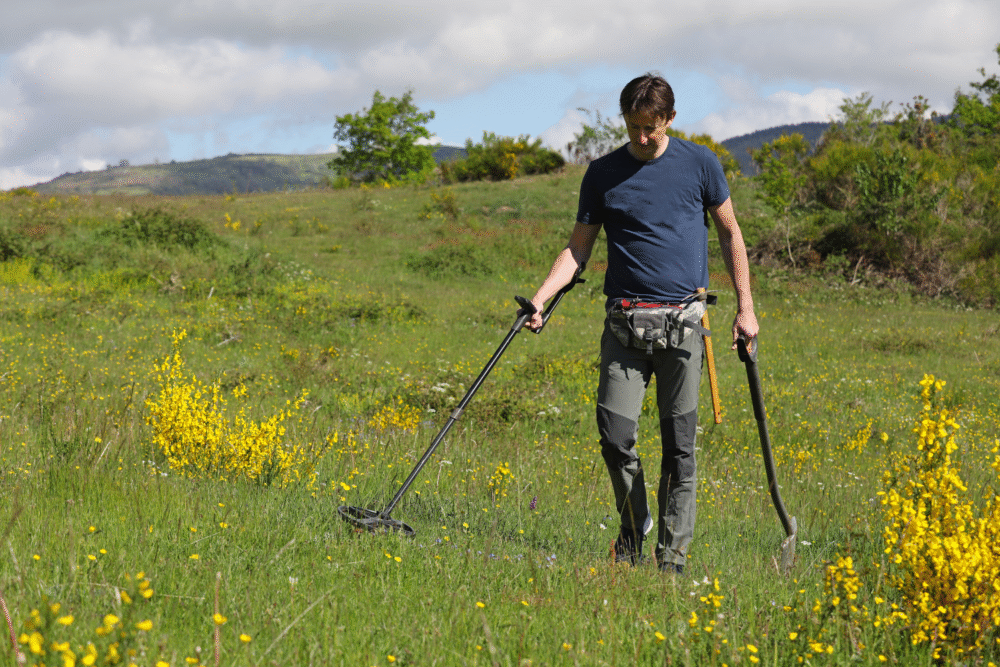
Modern technology played a key role in locating the artifacts. Archaeologists used high-precision metal detectors and GPS mapping to record each find within inches of accuracy. This allowed them to reconstruct firing lines and troop movements digitally.
By overlaying this data onto 18th-century maps, researchers can now visualize exactly where volleys were exchanged—something historians have only been able to guess at until now.
8. How the Battle Changed Scotland Forever
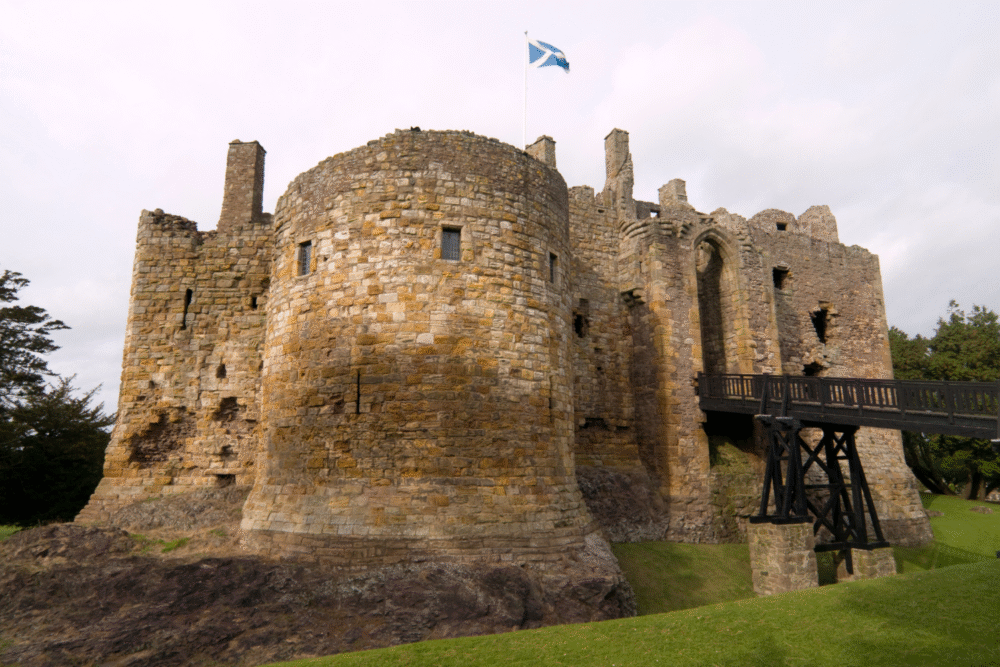
Culloden wasn’t just a military defeat—it marked a cultural turning point. After the battle, the British government imposed harsh penalties on Highland clans, banning tartans, Gaelic language, and traditional clan structures.
The discovery of these musket balls is a stark reminder of how one hour of combat reshaped centuries of Scottish identity. For many Scots, Culloden remains a symbol of both tragedy and resilience.
9. Archaeology Meets Emotion on the Battlefield
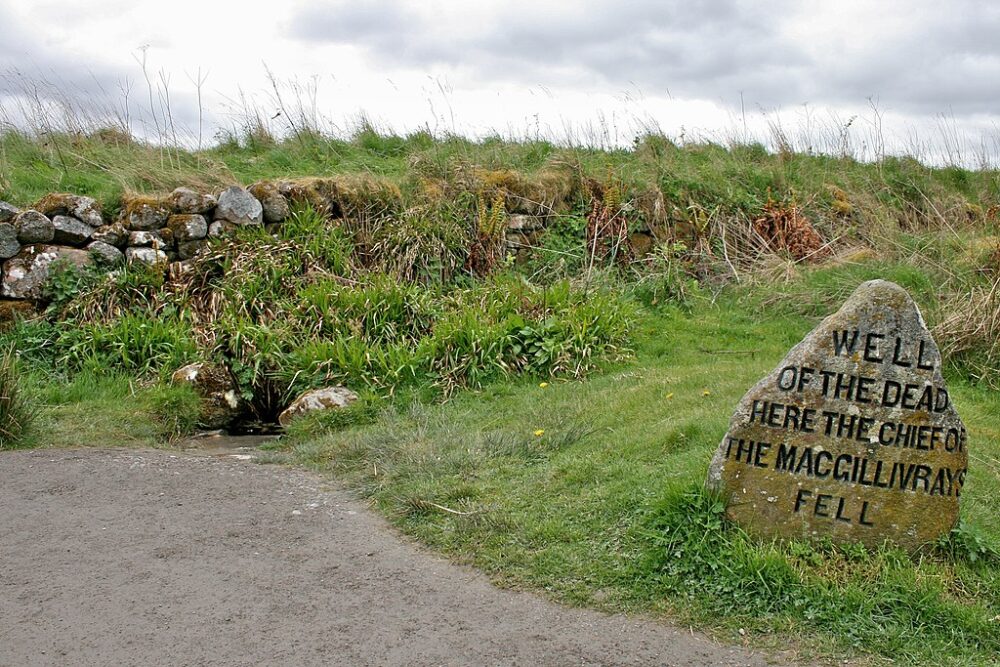
For archaeologists, working at Culloden is unlike any ordinary excavation. Many visitors to the site still treat it as sacred ground—part battlefield, part burial site. Hundreds of Jacobite soldiers are believed to lie beneath the moor where the projectiles were found.
Each artifact recovered is treated with reverence. “You’re holding history in your hands,” one field researcher said, describing the emotional weight of unearthing evidence of such human suffering.
10. New Clues About the Battle’s Final Minutes
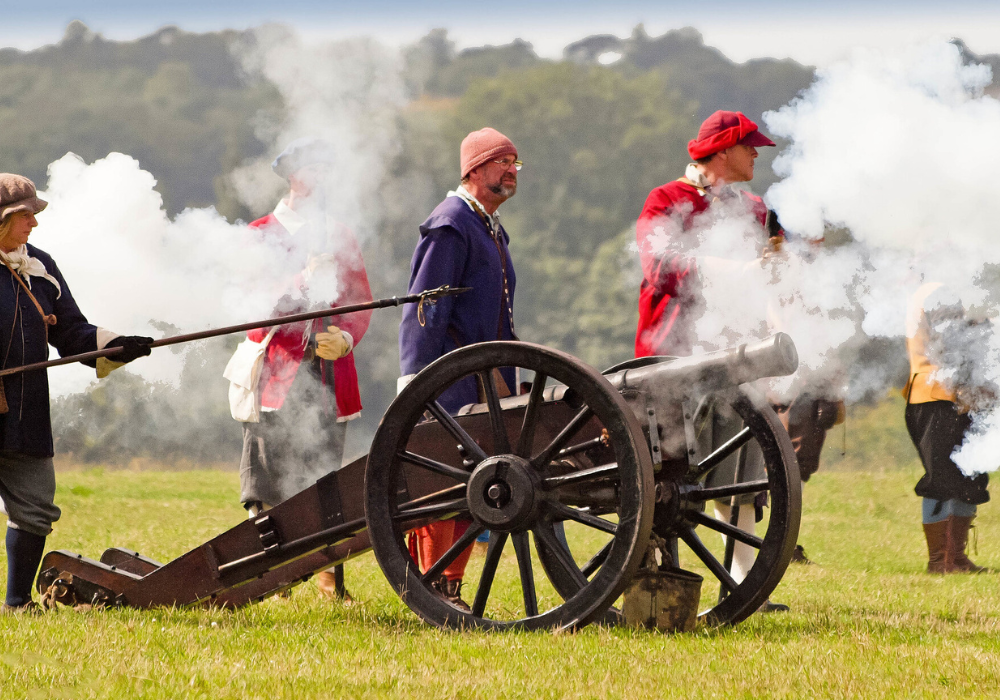
The distribution of the musket balls suggests the battle’s end was even more chaotic than historians thought. Projectiles were found in patterns consistent with soldiers breaking formation under heavy fire.
These findings align with accounts of the Jacobite line collapsing under cannon fire before retreating into hand-to-hand combat. The scatter of ammunition now helps explain how the government troops overwhelmed their opponents so quickly.
11. Rewriting What We Thought We Knew

Until now, historians believed they had a clear understanding of Culloden’s geography. This discovery is forcing a reevaluation. The new data shows that fighting likely extended into previously unexplored terrain, altering maps that have gone unchanged for decades.
It’s a vivid reminder that even well-documented history can evolve. Every dig at Culloden brings surprises, and archaeologists believe there may still be undiscovered caches buried deeper in the peat.
12. Why This Discovery Matters Today
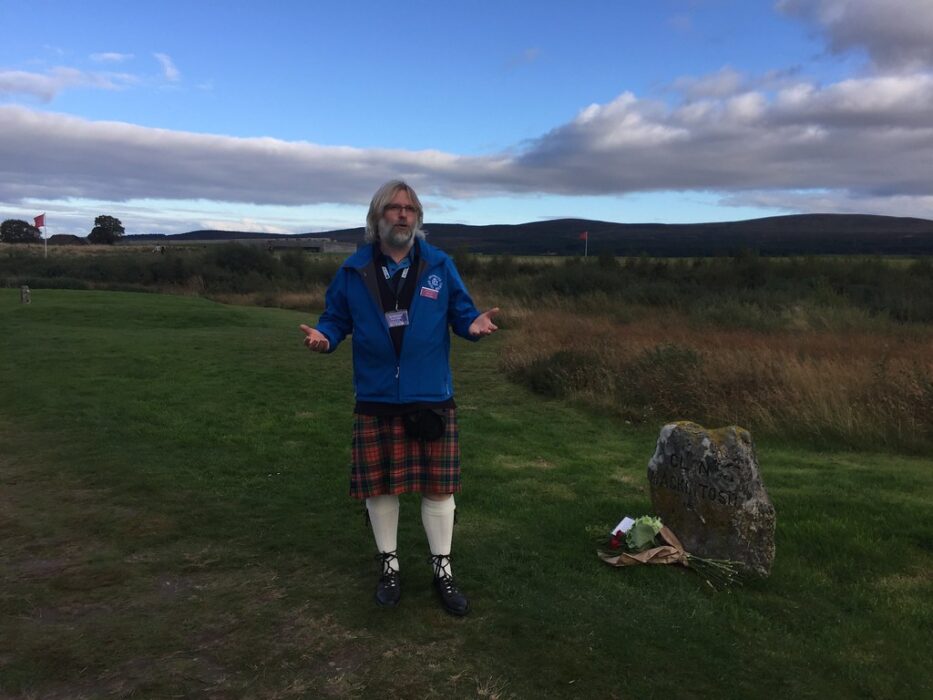
For Scotland, Culloden remains more than a battlefield—it’s a national story of loss, identity, and endurance. These 100 projectiles aren’t just relics; they’re a window into the human cost of civil war.
Archaeologists say the discovery underscores why protecting historic sites is vital, especially as climate change and erosion threaten to expose or destroy buried evidence. In the quiet Highlands, a new chapter of history is being written—one musket ball at a time.