
Farmers across the Midwest are battling chaotic swings between drought and deluge that threaten crops, soil, and livelihoods.
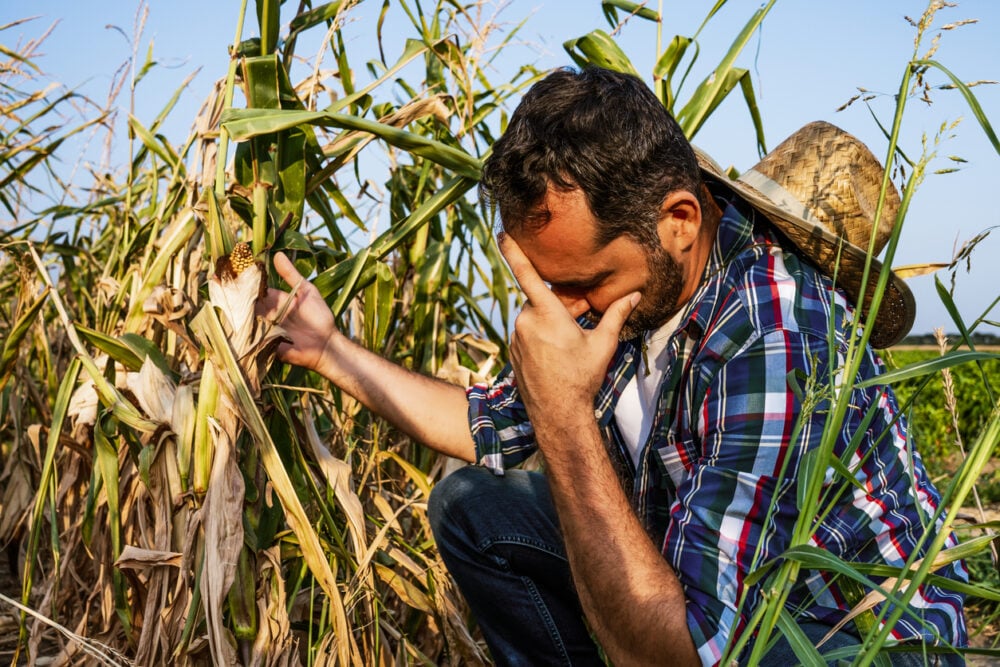
Midwestern farmers are facing a new kind of climate crisis—one defined by wild, unpredictable shifts between extreme dryness and sudden downpours. What used to be a stable growing season is now marked by flash droughts followed by torrential rains that erode topsoil and drown newly planted crops. Scientists say these weather “whiplash” patterns are becoming more frequent as climate change disrupts rainfall cycles. For farmers, the challenge isn’t just surviving one bad season—it’s adapting to a future where nothing is predictable.
1. Climate Whiplash Is Redefining Midwest Farming
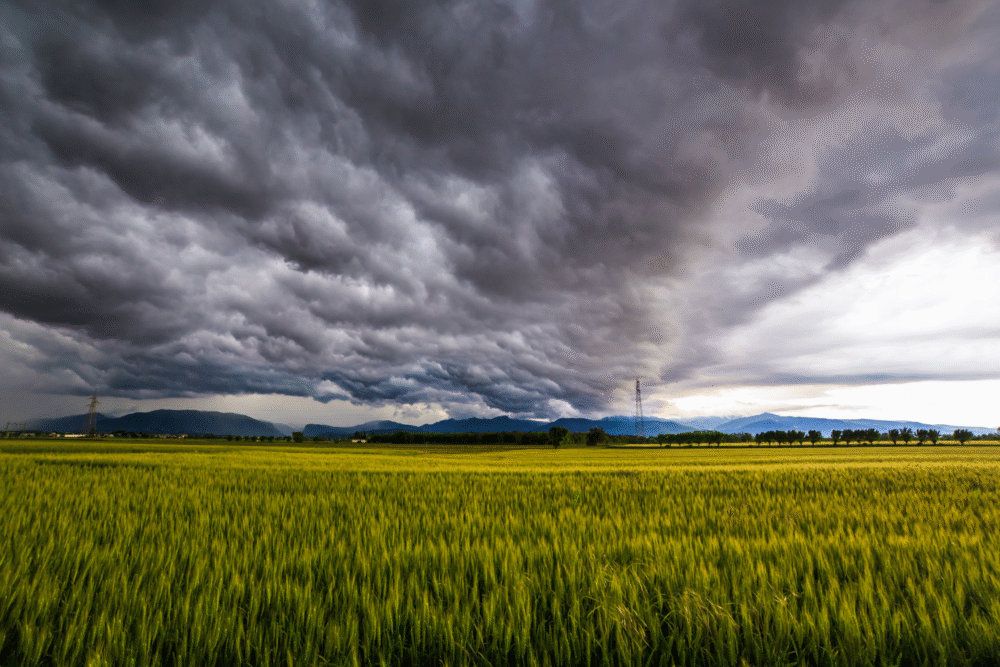
Across America’s heartland, farmers are experiencing what scientists call “climate whiplash”—rapid, alternating swings between drought and heavy rain. Instead of steady precipitation, weather now comes in unpredictable bursts that make planting, irrigation, and harvest timing far more difficult.
The Midwest, long known for dependable growing seasons, is now seeing conditions change dramatically from month to month. This new instability threatens to undo decades of progress in crop planning and soil management that relied on predictable seasonal patterns.
2. Droughts Are Arriving Faster and Hitting Harder
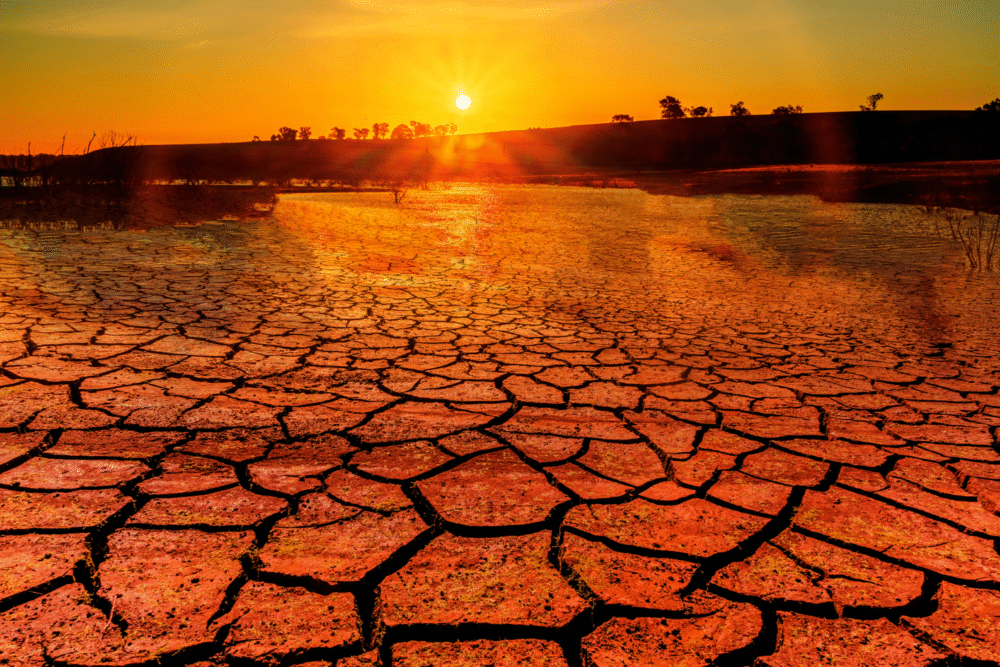
Flash droughts—sudden, intense dry spells—are becoming more common across states like Iowa, Nebraska, and Kansas. These short-term droughts develop within weeks, parching soil and wilting crops before farmers can respond.
The U.S. Drought Monitor reported that nearly half of the Midwest faced drought conditions at some point in 2024. Even brief dry periods during critical growth stages can slash yields for corn and soybeans, two crops that dominate the region’s agricultural economy.
3. When the Rains Come, They Come All at Once
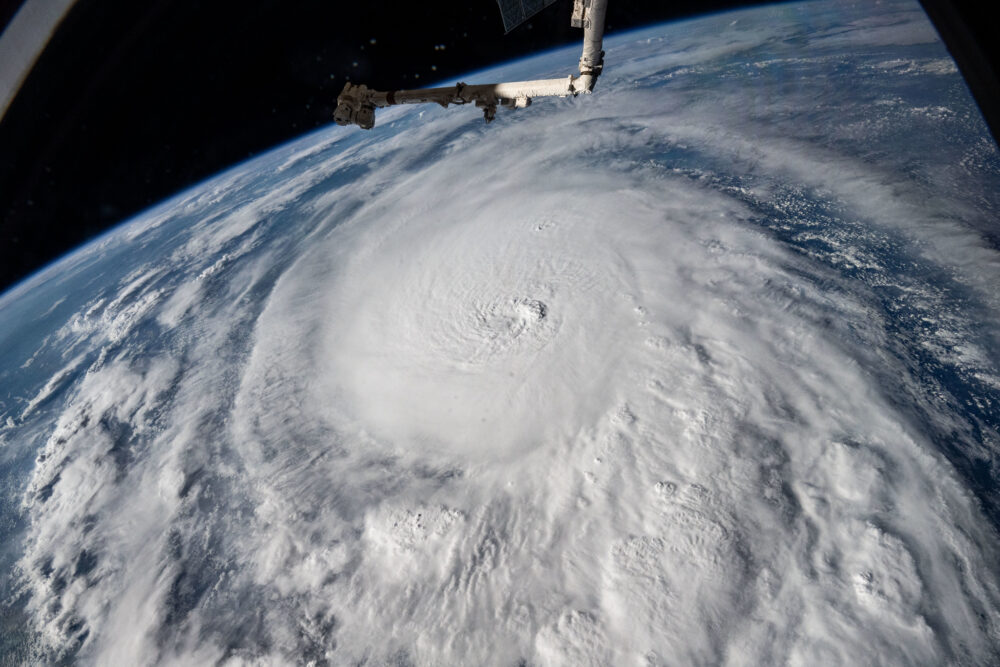
Periods of drought are increasingly followed by intense rainfall events that cause flooding and soil erosion. The National Oceanic and Atmospheric Administration (NOAA) has documented a sharp rise in heavy precipitation days across the Midwest since the 1980s.
These storms overwhelm drainage systems and wash away nutrient-rich topsoil, damaging both crops and the long-term health of farmland. Floodwaters can also contaminate water supplies with fertilizer runoff, creating additional environmental hazards downstream.
4. The Soil Is Paying a Steep Price
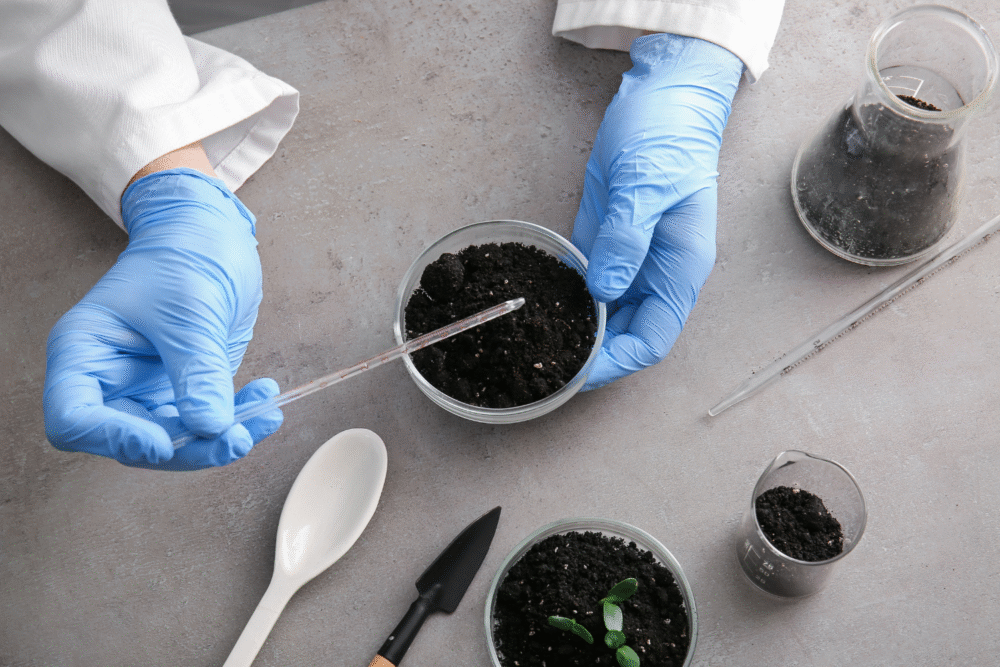
Healthy soil depends on a balance of moisture, nutrients, and microbial activity. But extreme weather is throwing that balance off. Repeated cycles of drying and flooding break down soil structure, deplete organic matter, and reduce the ground’s ability to absorb water.
Researchers at the University of Illinois found that heavy rain following drought can cause as much as 30% more erosion than steady rainfall. Over time, this degrades productivity and increases dependence on fertilizers to maintain yields.
5. Corn and Soybeans Are Especially Vulnerable
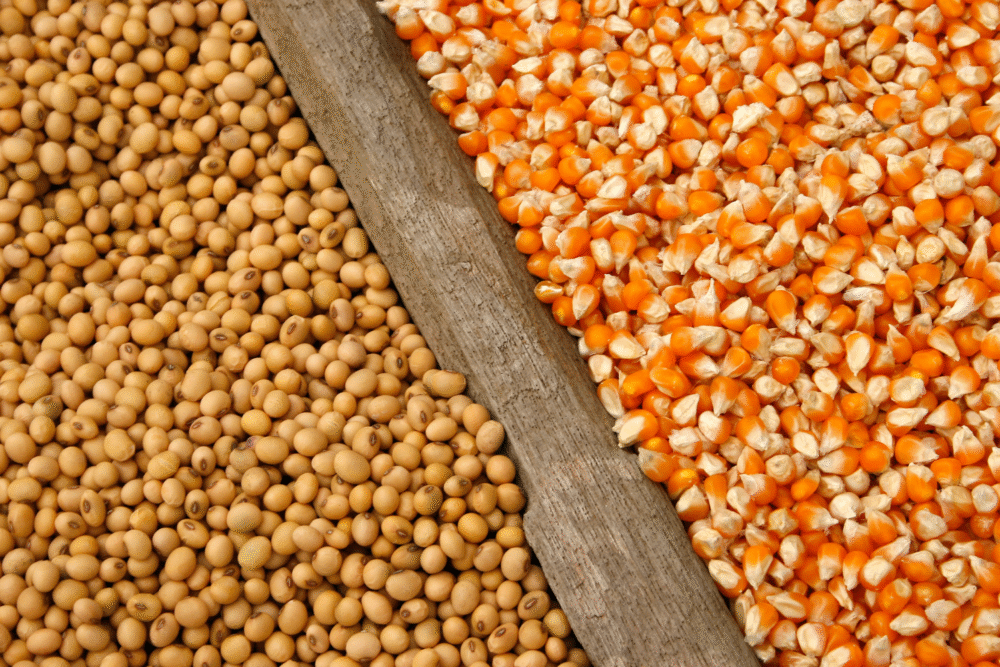
Corn and soybeans make up nearly two-thirds of all U.S. cropland, and both are highly sensitive to water stress. Too little moisture during pollination can reduce kernel formation, while too much rain after planting can suffocate young roots.
In recent years, farmers have reported lower yields and more variability from field to field, even when using advanced seed varieties. The uncertainty is forcing many to buy additional crop insurance or diversify into less water-dependent crops.
6. Weather Models Struggle to Keep Up
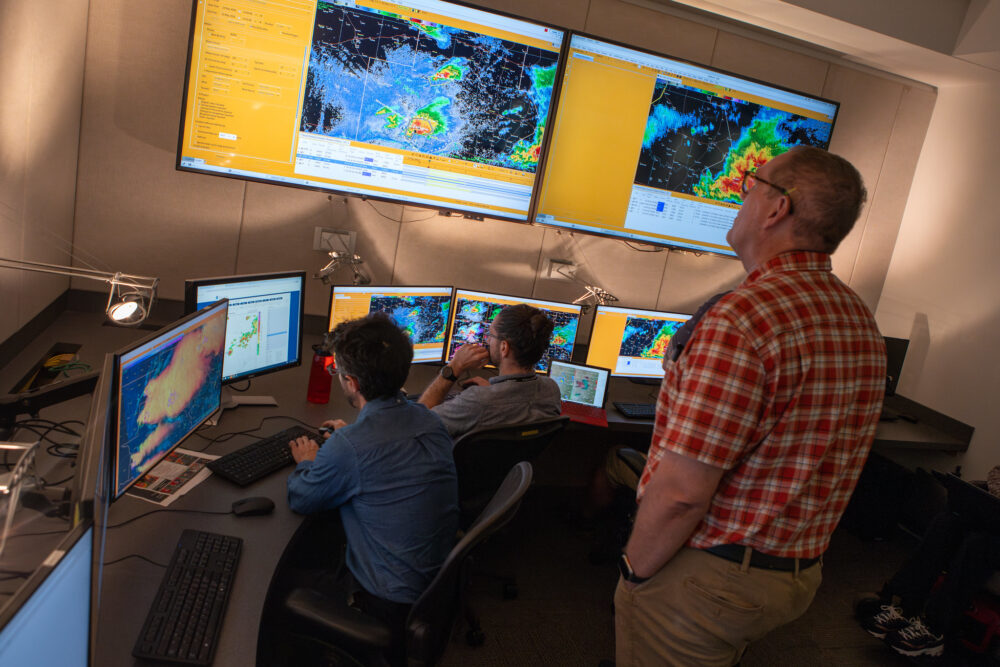
Farmers have always relied on forecasts to plan planting and harvest schedules, but the old models no longer reflect today’s climate realities. Short-term forecasts can’t always predict when rainfall will shift from deficit to deluge.
Climate scientists say that traditional models were built for gradual seasonal changes, not the erratic extremes seen now. This forecasting gap leaves farmers guessing—and often making costly decisions about irrigation, fertilizer timing, and planting dates with incomplete information.
7. Economic Losses Are Growing Each Season
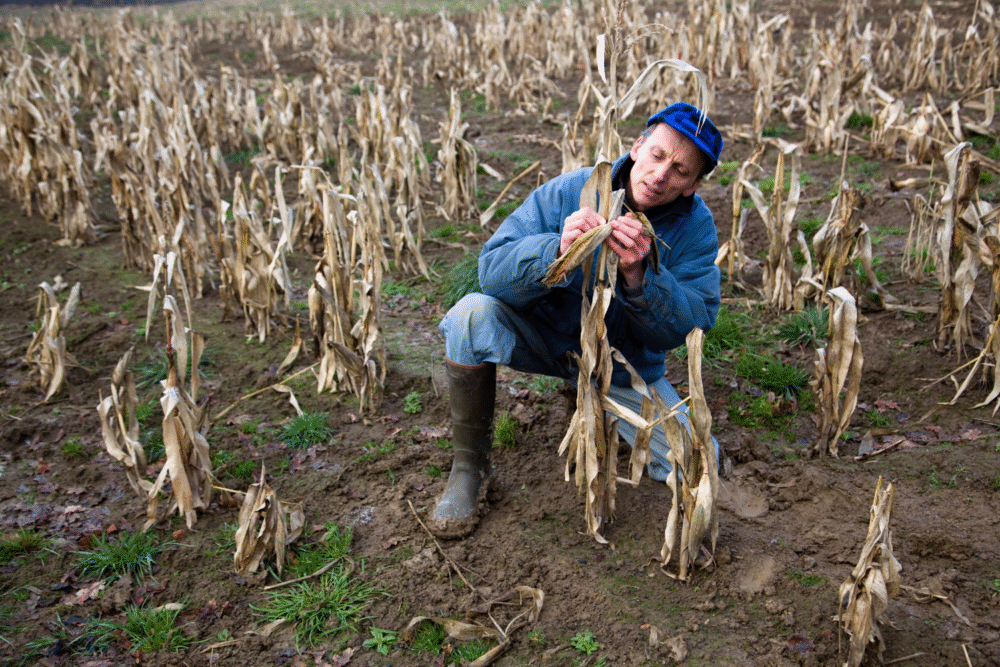
The U.S. Department of Agriculture estimates that climate-related losses from drought and flooding cost farmers billions each year. In 2023 alone, crop insurance payouts for weather-related damage in the Midwest exceeded $12 billion.
These unpredictable losses make it harder for farmers to plan financially. Input costs—such as fertilizer, seed, and machinery—are rising, while volatile weather adds new uncertainty to already thin profit margins. For small family farms, a single extreme weather event can be financially devastating.
8. Adaptation Is Now a Survival Strategy
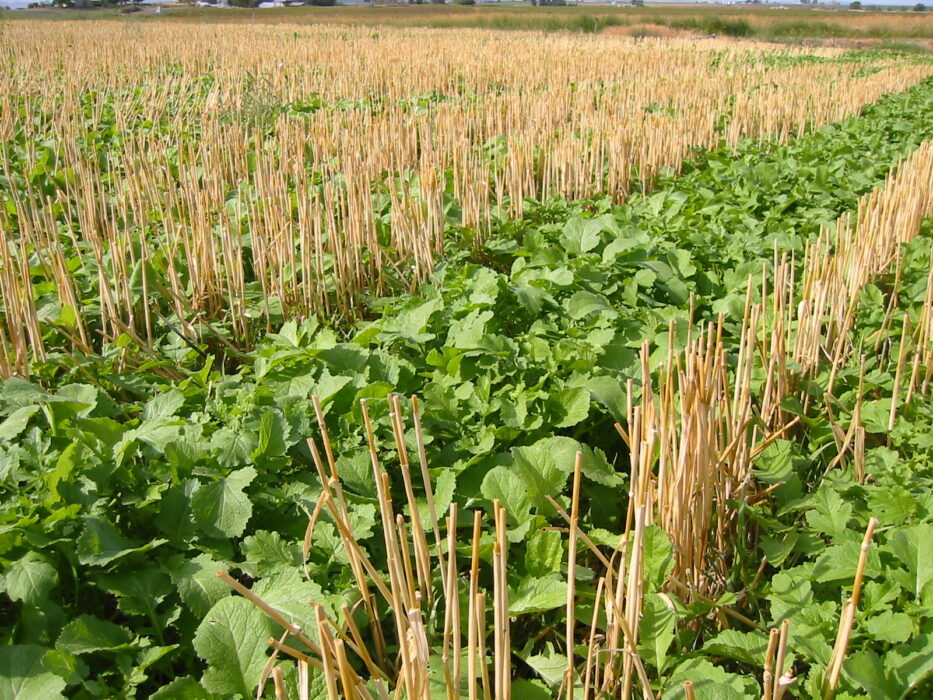
To cope, some farmers are changing how they manage their land. Practices like cover cropping, no-till farming, and rotational planting help preserve soil moisture and reduce erosion. Others are investing in irrigation systems or drainage tiles to handle both drought and flood conditions.
Agricultural scientists emphasize that adaptation must happen quickly. The Midwest’s climate is shifting faster than in past decades, and long-term sustainability will depend on resilience strategies that balance water use with soil conservation.
9. Livestock Operations Are Feeling the Strain
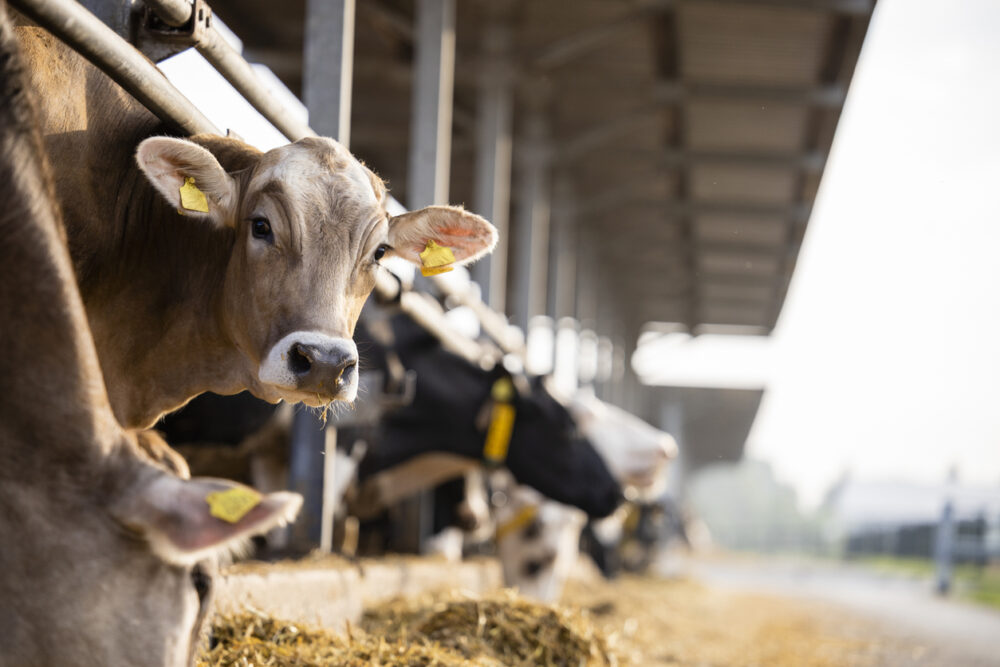
The same climate instability affecting crops is also challenging livestock producers. Drought reduces pasture availability and raises feed costs, while floods can damage barns, fencing, and grazing lands.
In 2024, Midwestern cattle operations reported sharp increases in feed prices and herd reductions due to water shortages. Livestock health is also affected by heat stress and inconsistent forage quality—both of which are exacerbated by erratic weather conditions.
10. Rural Communities Are Under Growing Pressure
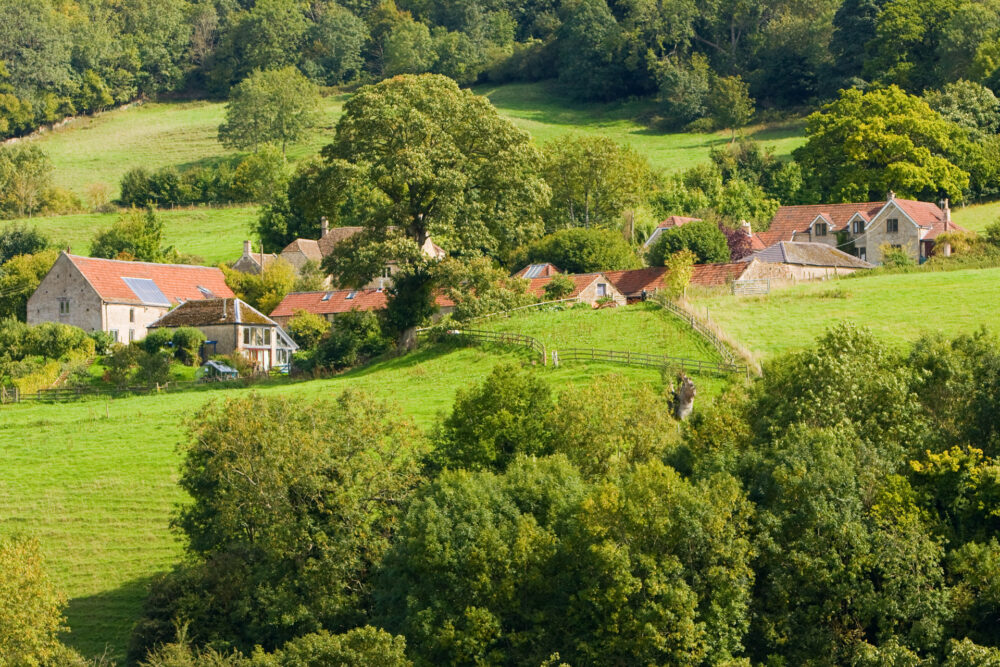
Unpredictable weather doesn’t just impact farmers—it threatens the economies of entire rural regions that depend on agriculture. When crops fail or herds shrink, local businesses, grain elevators, and equipment dealers all feel the ripple effects.
Many small towns across the Midwest are already grappling with declining populations and aging infrastructure. Add to that the financial toll of repeated droughts and floods, and the result is a growing sense of instability in communities once built on predictable harvests.
11. Scientists Warn the Pattern Is Here to Stay
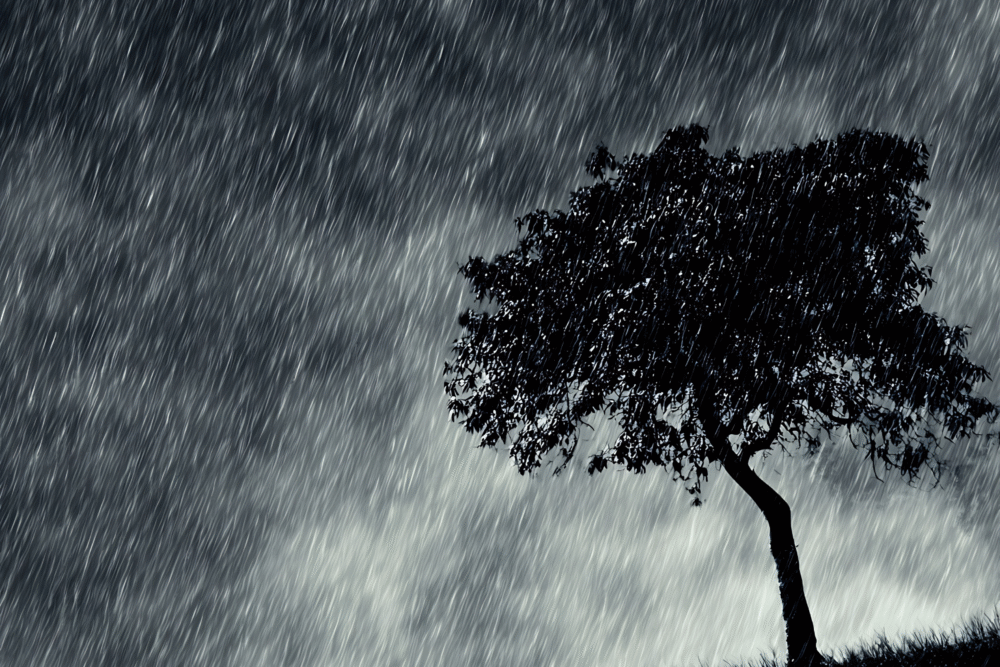
Climate researchers say the alternating extremes of dryness and deluge are not a temporary anomaly—they’re a glimpse of what’s to come. Warmer air holds more moisture, increasing both evaporation during dry periods and rainfall intensity when storms occur.
For Midwestern farmers, this means volatility is becoming the new normal. Without major investments in climate resilience—from improved forecasting to soil restoration—the region’s agricultural heartland could face a permanent state of uncertainty in the decades ahead.