
Plastic production is now one of the fastest-growing sources of greenhouse gas emissions, linking pollution directly to Big Oil.

Most people think of plastic as a waste problem, but its roots go much deeper—to the oil and gas industry itself. Nearly all plastic is made from fossil fuels, and as demand for gasoline declines, energy companies are doubling down on plastic production to stay profitable. The result is a surge in toxic emissions, from petrochemical plants in communities like Louisiana’s “Cancer Alley” to global ocean pollution. Experts warn that recycling alone can’t fix it—real change requires rethinking how plastic is made.
1. Most Plastic Starts as Fossil Fuels
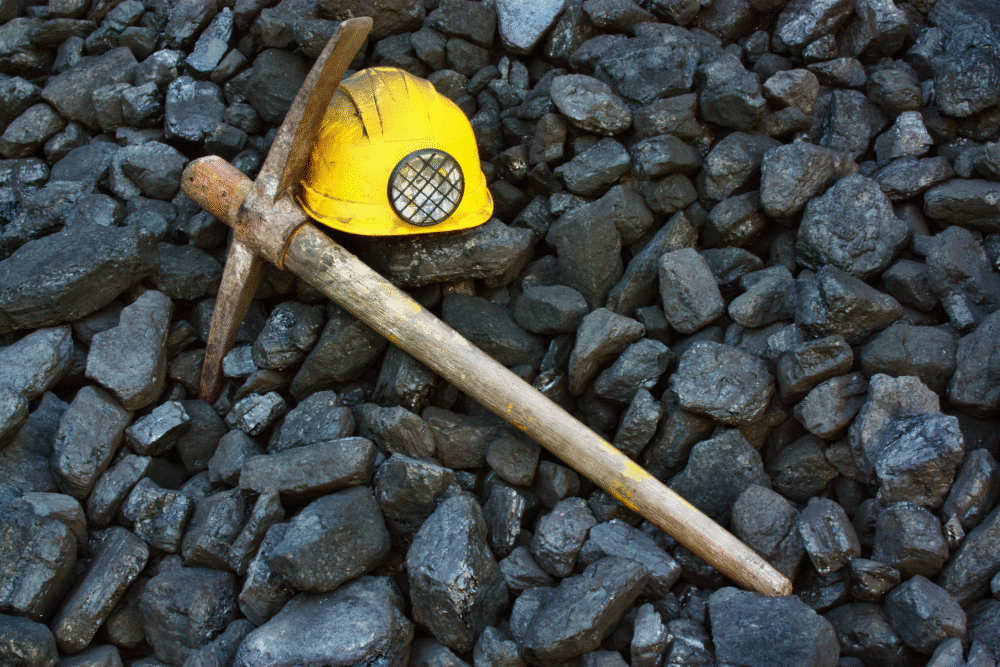
Nearly all plastic—about 99 percent—is derived from fossil fuels such as crude oil, natural gas, and coal. The production process begins with refining hydrocarbons into compounds like ethylene and propylene, which are then polymerized to make the building blocks of plastic.
This means that every stage of plastic production—from drilling to refining to manufacturing—releases greenhouse gases. As fossil fuel companies face declining demand for fuels, they’re increasingly turning to plastics as a new source of revenue.
2. Plastic Production Is Driving Up Emissions
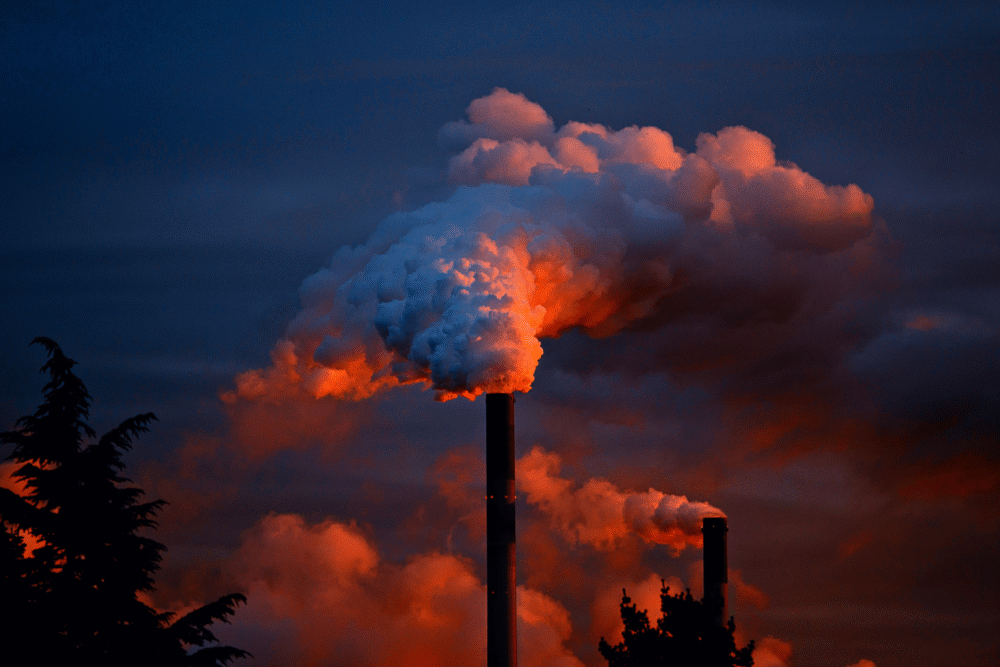
Producing plastic is energy-intensive and emits vast amounts of carbon dioxide and methane. The International Energy Agency estimates that petrochemical production, largely used for plastics, will account for more than one-third of the growth in oil demand by 2030.
By 2050, plastic-related emissions could consume up to 15 percent of the global carbon budget needed to limit warming to 1.5°C. That makes the plastic industry one of the fastest-growing contributors to climate change.
3. Big Oil Is Banking on Plastic for Its Future

As renewable energy expands and electric vehicles reduce oil demand, major fossil fuel companies are investing heavily in petrochemicals. Corporations like ExxonMobil, Shell, and Saudi Aramco have built or expanded massive facilities dedicated to producing plastic precursors.
Industry analysts describe this as Big Oil’s “plan B”—a strategy to offset lost fuel revenue. By 2040, more than half of all new oil demand growth is expected to come from the plastics and chemical sector, not from transportation.
4. Plastic Pollution Isn’t Just a Waste Issue

Plastic waste is only the most visible part of a much larger environmental problem. Long before a single bottle or bag reaches the ocean, pollution begins during extraction, refining, and manufacturing.
Communities living near petrochemical plants face daily exposure to toxic air pollutants. Many of these facilities emit hazardous substances like benzene and formaldehyde, which are linked to respiratory disease and cancer. Plastic pollution, therefore, is both a climate issue and a public health crisis.
5. “Cancer Alley” Shows the Human Cost of Plastic
In Louisiana’s industrial corridor—known as “Cancer Alley”—residents live among dozens of refineries and petrochemical plants that produce the raw materials for plastic. The area has some of the highest rates of cancer and respiratory illness in the United States.
Environmental justice advocates have long argued that the burden of pollution falls disproportionately on low-income and Black communities. The boom in plastic production is intensifying those inequities, as new petrochemical plants continue to be built along the Gulf Coast.
6. Recycling Was Never Designed to Solve the Problem
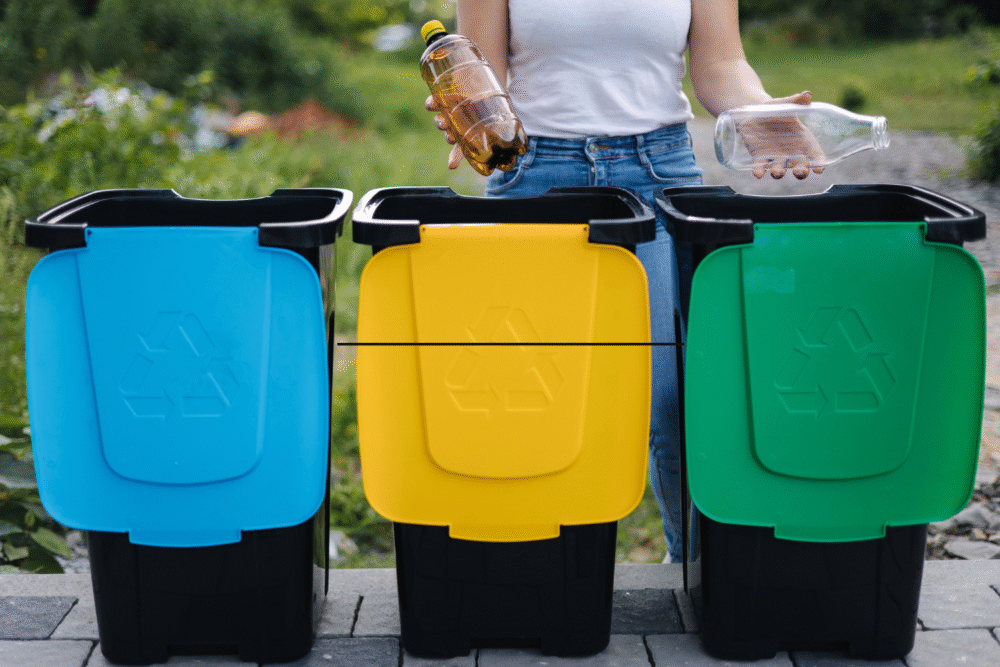
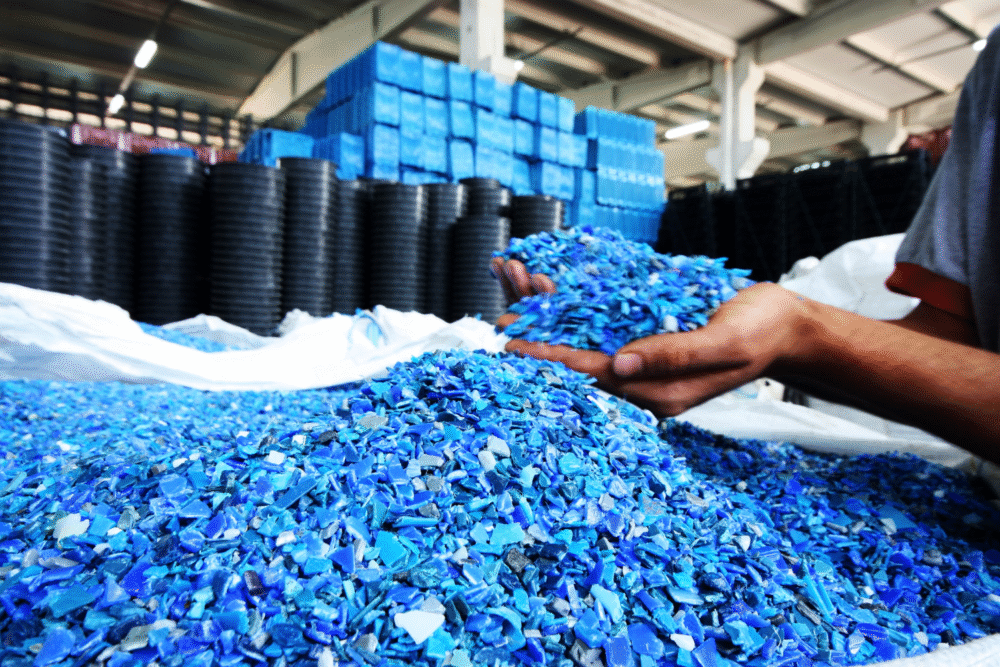
Despite decades of public campaigns, less than 10 percent of all plastic ever produced has been recycled. Most plastic is either burned, buried, or ends up in the environment.
That’s because many plastics are chemically complex and expensive to reprocess. The oil and chemical industries promoted recycling as a public relations strategy in the 1980s, knowing that widespread reuse would never be economically viable. The result: a global recycling system that manages symptoms but not the source.
7. Plastic’s Chemical Legacy Is Spreading Everywhere
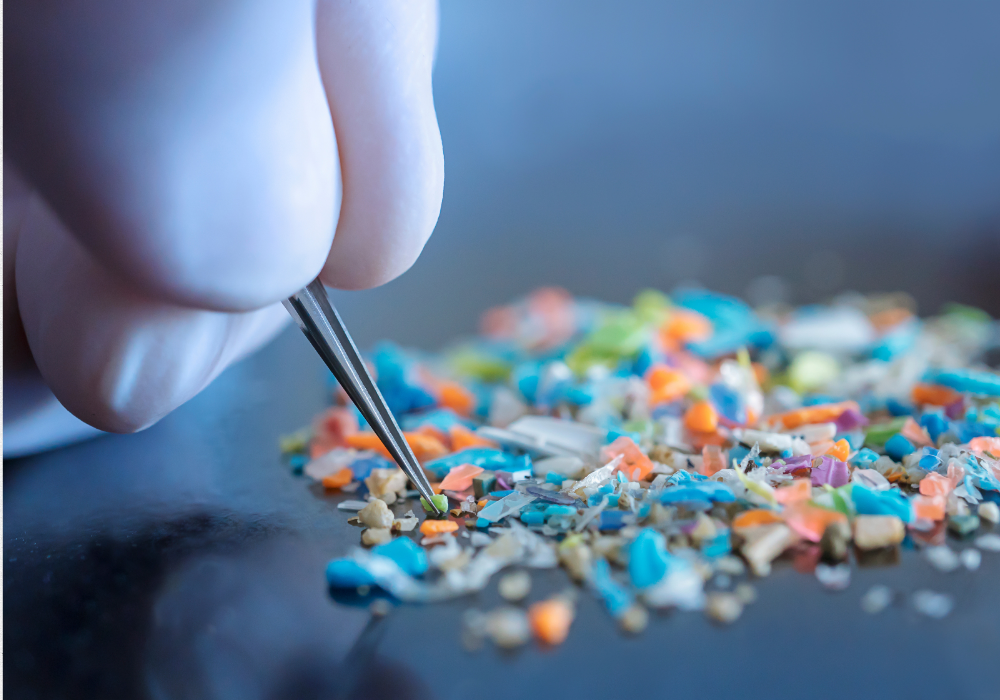
Microplastics—tiny fragments less than five millimeters wide—are now found in the air, water, soil, and even inside the human body. Recent studies have detected microplastics in human blood, lungs, and placentas, raising concerns about long-term health impacts.
These particles form when larger plastics break down but never fully disappear. Their persistence in the environment means that every plastic item ever made still exists in some form, continuing to circulate through ecosystems and food chains.
8. The Plastic Boom Threatens Climate Goals

Even as countries pledge to cut emissions, the expansion of petrochemical and plastic manufacturing is undermining progress. By 2030, new plastic production could release an additional 1.3 billion tons of greenhouse gases annually.
These emissions make it harder for nations to meet their Paris Agreement targets. Experts warn that without limits on new plastic infrastructure, gains from renewable energy and electric vehicles could be canceled out by the growing carbon footprint of plastics.
9. Industry Promises of “Green Plastic” Fall Short
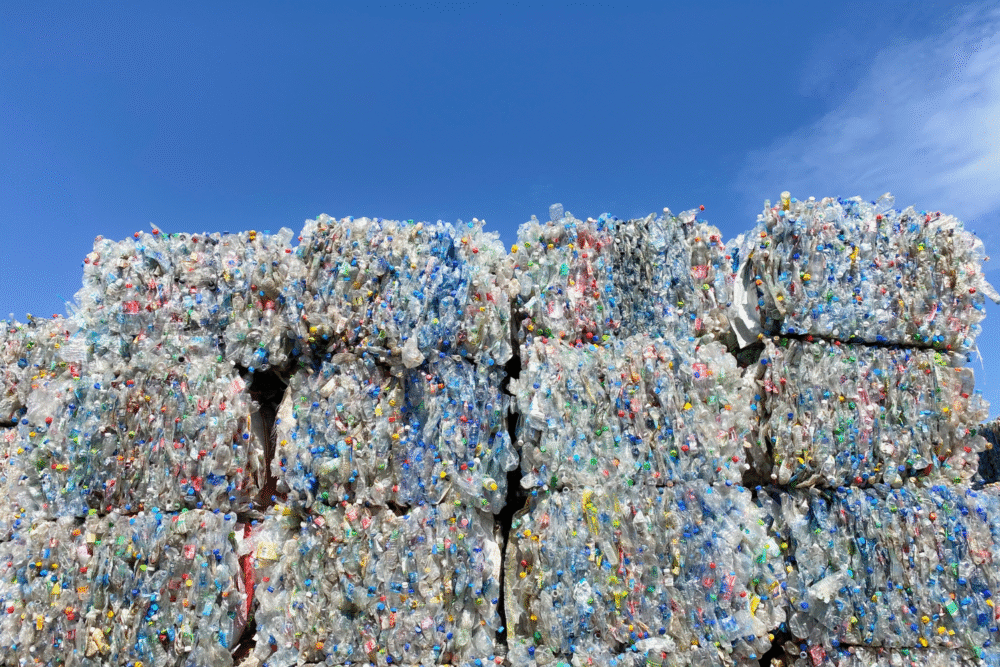
Companies have promoted bioplastics and chemical recycling as solutions, but most remain far from scalable or sustainable. Bioplastics still rely on industrial agriculture, which has its own environmental costs, and chemical recycling often requires enormous energy inputs.
Analysts say these approaches may reduce visible waste but don’t address the core issue—the sheer volume of plastic being produced. Without cutting production at the source, new technologies risk serving as distractions rather than true solutions.
10. Real Change Means Rethinking the Entire System

Experts agree that reducing plastic pollution requires a systemic shift—one that includes capping plastic production, investing in reusable materials, and holding fossil fuel companies accountable for their emissions.
International efforts like the United Nations’ global plastics treaty aim to set legally binding limits on plastic manufacturing. Advocates argue that this kind of reform is essential to protect the planet, reduce carbon emissions, and break the fossil fuel industry’s dependence on plastic as its last lifeline.