
Innovative “sub-sea” desalination tech could pull freshwater from the ocean’s depths with far less energy.
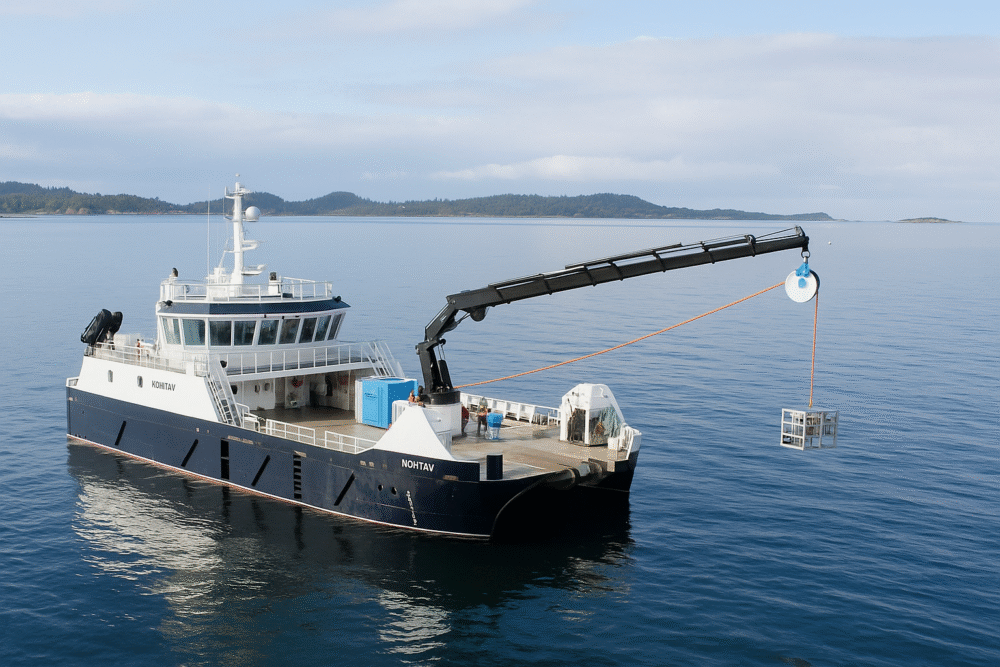
Engineers are now tapping the deep ocean as a surprisingly efficient source of drinkable water. Using modular desalination pods placed hundreds of meters underwater, companies such as Flocean exploit natural hydrostatic pressure to help push salt out of seawater—lowering energy use by 40–50 % compared with conventional methods. While large-scale commercial deployment remains a few years off, early results suggest the deep sea may offer a scalable answer to global freshwater shortages in drought-prone regions.
1. The Deep Ocean’s Hidden Potential

Scientists have long known that deep sea water—drawn from hundreds of meters below the surface—is among the purest sources of seawater on Earth. Its low temperature and high pressure make it naturally stable and rich in minerals. Engineers are now exploring how these conditions can be harnessed to produce fresh drinking water efficiently.
Unlike traditional desalination plants near coastlines, deep ocean extraction takes advantage of nature’s built-in pressure and cooler temperatures, which reduce energy consumption during the desalination process.
2. A New Approach to Desalination Technology
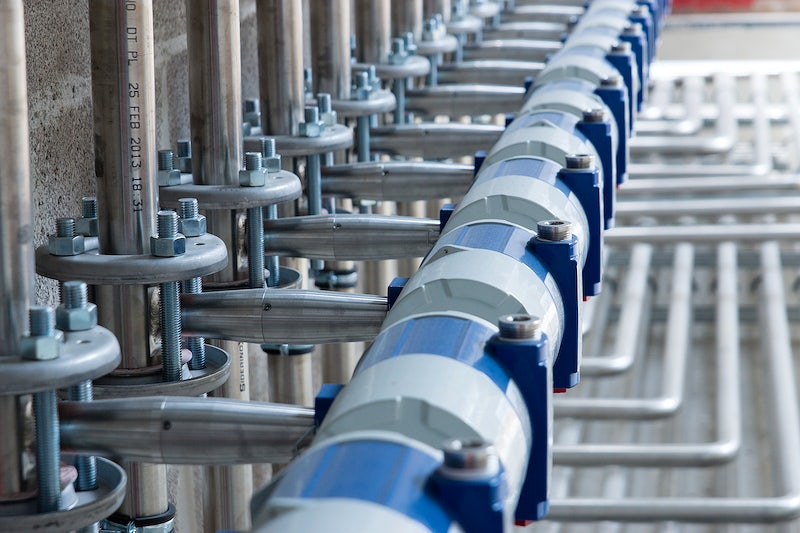
Traditional desalination relies on high-pressure pumps to push seawater through membranes that remove salt and impurities. This process consumes enormous amounts of energy—typically 3 to 5 kilowatt-hours per cubic meter of water.
By contrast, the deep sea desalination method uses natural hydrostatic pressure found at depth. This means much less mechanical energy is needed to drive filtration, lowering costs and environmental impact. It’s a breakthrough that could make large-scale desalination more sustainable than ever before.
3. Harnessing Hydrostatic Pressure for Efficiency

At depths of around 500 to 800 meters, the ocean exerts roughly 50 to 80 times the atmospheric pressure at sea level. Researchers realized they could use this existing pressure to push seawater through membranes instead of relying entirely on surface-based pumps.
This innovation reduces both energy requirements and carbon emissions associated with desalination. In pilot projects, early data show energy savings of up to 50 percent compared to conventional reverse-osmosis systems.
4. The Role of Underwater Desalination Pods

Companies like Flocean and SubSea RO have designed modular “pods” that can operate on the seafloor. Each pod contains reverse-osmosis membranes and filters that use surrounding pressure to separate salt from water. Clean freshwater is then piped to the surface through flexible hoses.
Because these pods work autonomously and can be placed where conditions are ideal, they avoid many of the limitations faced by land-based desalination plants, such as space, noise, and brine disposal near shorelines.
5. Reducing the Environmental Footprint
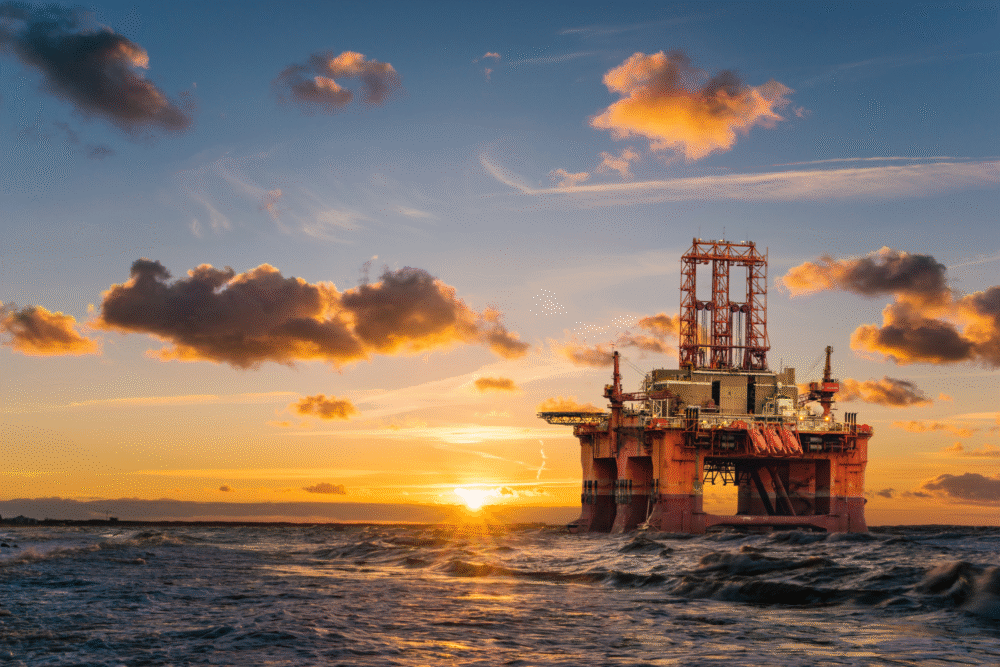
Desalination has historically faced criticism for its environmental impact, especially the discharge of concentrated brine into coastal ecosystems. Deep sea systems may offer a cleaner alternative. The brine produced at depth can be diluted naturally by surrounding ocean currents before it returns to equilibrium.
By relocating operations offshore and using less power, the process minimizes strain on coastal habitats and reduces reliance on fossil fuels. Environmental scientists view this as a promising step toward sustainable water management.
6. A Solution for Drought-Stricken Regions

Around two billion people currently live in areas experiencing severe water stress, according to the United Nations. Deep sea desalination offers a potential lifeline for coastal cities facing chronic drought, such as those in the Middle East, California, and southern Europe.
Because it can be deployed offshore and scaled in modules, the technology could supplement municipal water systems during times of scarcity, reducing dependence on overdrawn rivers, reservoirs, and aquifers.
7. Energy Use and Cost Comparisons

Energy remains the biggest factor in desalination costs. Conventional plants can consume more than 10 percent of a city’s total electricity output. By using the ocean’s own pressure, deep sea desalination could reduce that energy demand by nearly half.
Lower energy use translates directly to lower operational costs and smaller carbon footprints. While the technology is still being tested, engineers predict that deep sea systems could soon compete economically with traditional sources of freshwater.
8. Pilot Projects Are Already Underway

Several pilot projects are currently testing this technology off the coasts of Japan, South Korea, and the United Arab Emirates. Early results show the system can produce thousands of liters of potable water per day using far less power than traditional plants.
Researchers are now monitoring long-term durability, maintenance costs, and environmental effects. If results remain positive, large-scale facilities could be built within the next decade to supply major cities.
9. The Science Behind Mineral-Rich Water

Deep ocean water is not only cleaner but also rich in beneficial minerals like magnesium, calcium, and potassium. Once desalinated, this water retains trace minerals that make it taste fresher and may even have minor health benefits, according to laboratory analyses.
This unique composition has already sparked a niche market in bottled “deep ocean” water, especially in Japan and Hawaii, where small-scale commercial operations have existed for over a decade.
10. Challenges That Still Need Solving

Despite the promise, deep sea desalination faces logistical and technical hurdles. Deploying and maintaining equipment hundreds of meters underwater requires advanced robotics and materials resistant to corrosion and high pressure.
Additionally, ensuring safe long-term brine dispersion and balancing energy trade-offs between pumping water and maintaining offshore platforms remain active areas of research. Engineers are confident, however, that advances in undersea robotics and membrane efficiency will continue to improve feasibility.
11. A Glimpse Into the Future of Freshwater

If scaled successfully, deep sea desalination could transform how humanity meets its growing water needs. Rather than relying solely on rivers or rainfall, nations could tap the vast, stable reserves of the ocean in an environmentally responsible way.
Experts view this as part of a larger “blue economy” movement—using marine resources sustainably to address global challenges. It may not replace all traditional freshwater sources, but it could play a vital role in ensuring water security for future generations.