
Scientists say growing up close to farm animals may help protect Amish children from allergies.

A study led by researchers at the University of Chicago and published in The New England Journal of Medicine helped explain why Amish children rarely develop allergies or asthma. The team compared Amish kids with those from a similar farming community, the Hutterites, and found key immune differences. Early exposure to barn dust and animal microbes appeared to strengthen the Amish children’s immune systems, teaching their bodies to tolerate allergens that trigger reactions in most people today.
1. Scientists Noticed an Astonishing Health Pattern

Researchers studying childhood asthma rates were struck by how rarely Amish children suffered from allergies or breathing problems. In rural communities across Pennsylvania and Indiana, doctors found that asthma and hay fever were almost nonexistent compared to nearby towns with similar genetics and lifestyles. This unusual pattern held steady over decades of observation.
The finding intrigued scientists because it challenged modern assumptions about allergy causes. Something about the Amish environment—or the way their children were raised—seemed to protect them from the allergic diseases that now affect millions of children in industrialized countries.
2. The Clue Came From a Neighboring Farming Community
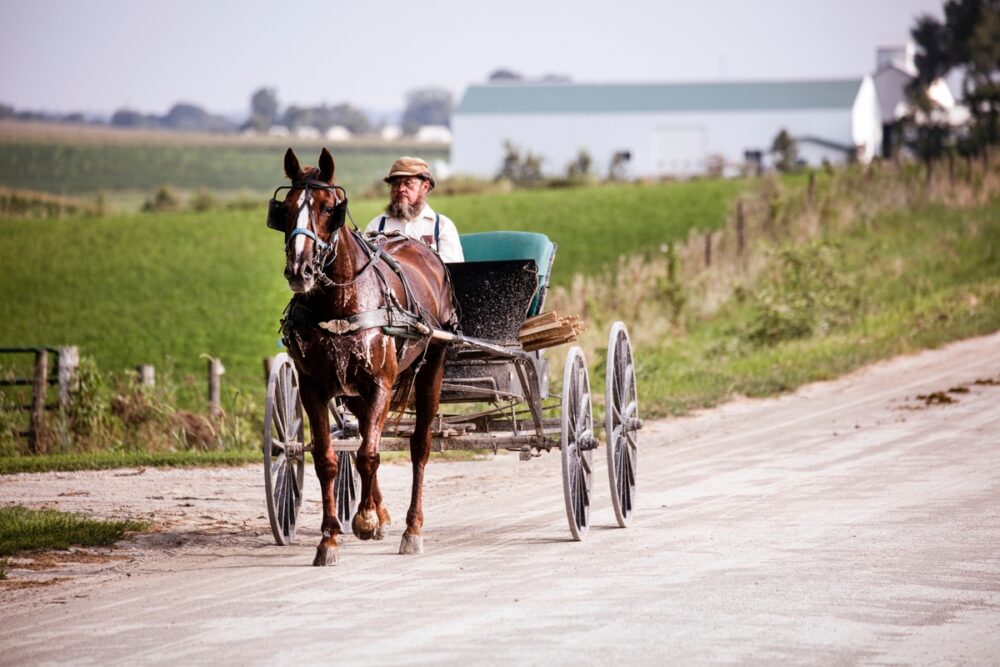
To uncover the mystery, scientists compared the Amish to another traditional group, the Hutterites, who share similar ancestry, family structure, and religious values. Despite these similarities, Hutterite children showed far higher rates of asthma and allergies. Researchers realized the key difference lay in how each group farmed and interacted with their environment.
The Amish rely on horses, hand tools, and small-scale family farms, creating constant exposure to soil, animals, and dust. Hutterites, by contrast, use industrial machinery and large barns with ventilation systems, reducing microbial exposure and changing how their immune systems develop.
3. The Groundbreaking Study Was Led by the University of Chicago

In a major 2016 study, researchers from the University of Chicago and the University of Munich analyzed environmental samples and blood tests from Amish and Hutterite children. The study, published in The New England Journal of Medicine, revealed striking immune differences between the two groups.
Amish children had higher levels of innate immune activity, particularly in white blood cells that fight infection and control inflammation. Their immune systems appeared more balanced and resilient—ready to respond to real threats without overreacting to harmless allergens like pollen or pet dander.
4. Amish Homes Are Filled With Protective Microbes
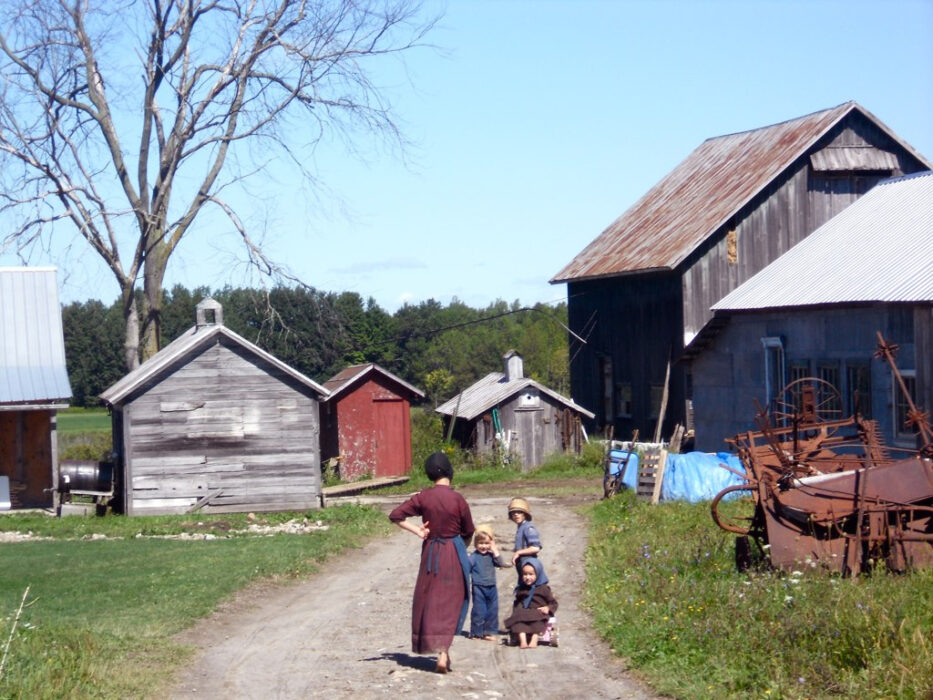
Scientists collected dust from Amish homes and barns and discovered that it contained a rich mix of harmless bacteria and organic compounds. When laboratory mice were exposed to this dust, they showed strong protection against allergic inflammation in their lungs. The Hutterite dust, by contrast, lacked this effect.
This finding suggested that Amish children’s daily exposure to microbes trains their immune systems in a healthy way. The constant low-level challenge helps their bodies build tolerance, preventing the kind of exaggerated responses that lead to asthma and other allergic diseases.
5. Early Exposure Appears to Be the Key

The research showed that the earliest years of life are crucial for developing immune resilience. Amish babies often accompany parents into barns, crawl near animals, and play outdoors from infancy, encountering a wide range of natural microbes that shape their immune responses.
This exposure helps the body distinguish between real dangers and harmless irritants. By “educating” the immune system early, children are less likely to misfire later in life. The findings reinforce the idea that overly sterile environments may inadvertently increase the risk of allergies and autoimmune conditions.
6. The Hutterites Offer a Crucial Contrast
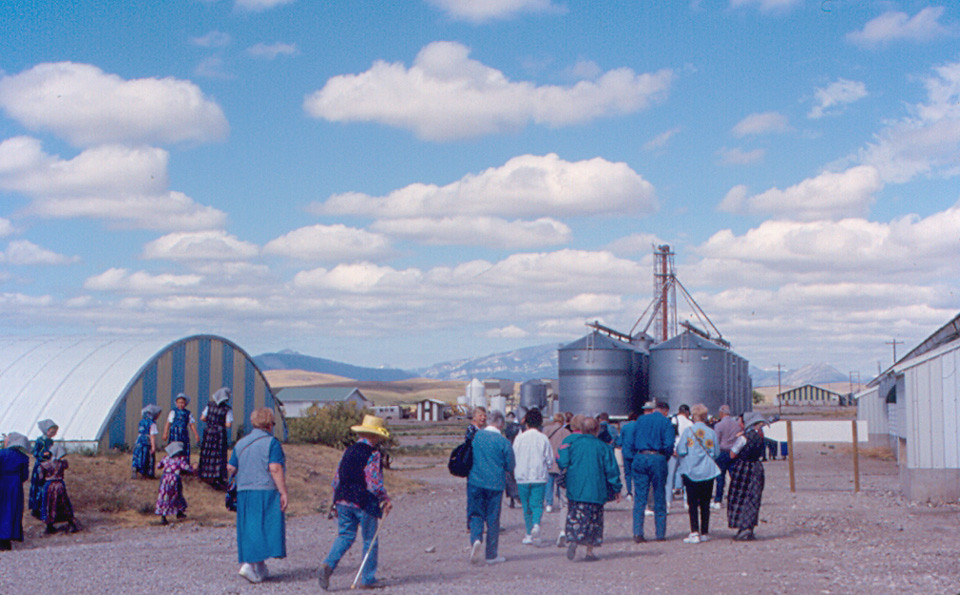
Hutterite farms are larger, more industrial, and more isolated from direct animal contact. Their children live in cleaner environments with fewer natural microbes in the air and dust. Blood samples revealed their immune systems were more prone to allergic reactions and inflammation.
This contrast helped scientists separate genetic influences from environmental ones. The groups share ancestry, diet, and rural life, yet the difference in microbial exposure proved decisive. It showed that modernization, while convenient, might come with hidden costs to immune health that future generations could face.
7. The Immune Systems of Amish Children Look Different

Lab analyses revealed that Amish children’s immune systems are unusually active in ways that prevent allergies. Their blood contained higher levels of neutrophils and other innate immune cells—defenses that regulate inflammation and stop allergic responses before they start.
This doesn’t mean their bodies are overactive; rather, they’re finely tuned to detect true threats like viruses or bacteria. Scientists describe this as “immune training,” a kind of early conditioning that helps the body strike the right balance between defense and tolerance throughout life.
8. It’s Not Just About Genetics or Diet

Although both the Amish and Hutterites share similar ancestry and eat largely unprocessed foods, genetics alone can’t explain their different allergy rates. Even within families, children raised in modernized settings show more allergies than siblings raised in traditional farm environments.
This evidence points squarely to environment as the deciding factor. The research challenges long-held beliefs that allergies are purely inherited, suggesting instead that immune health depends heavily on early microbial encounters that have become rarer in urbanized life.
9. The “Farm Effect” Could Help Modern Medicine
Scientists now refer to this phenomenon as the “farm effect”—the protective influence of growing up around natural microbes and animals. Researchers are trying to identify the specific bacterial compounds responsible for immune protection to replicate them safely outside farm settings.
Some early experiments involve developing nasal sprays or probiotics that mimic the Amish microbial environment. If successful, such treatments could reduce allergy risks for millions of children living in cities, potentially transforming how we prevent asthma and related diseases.
10. The Amish Lifestyle Offers a Glimpse Into a Healthier Balance
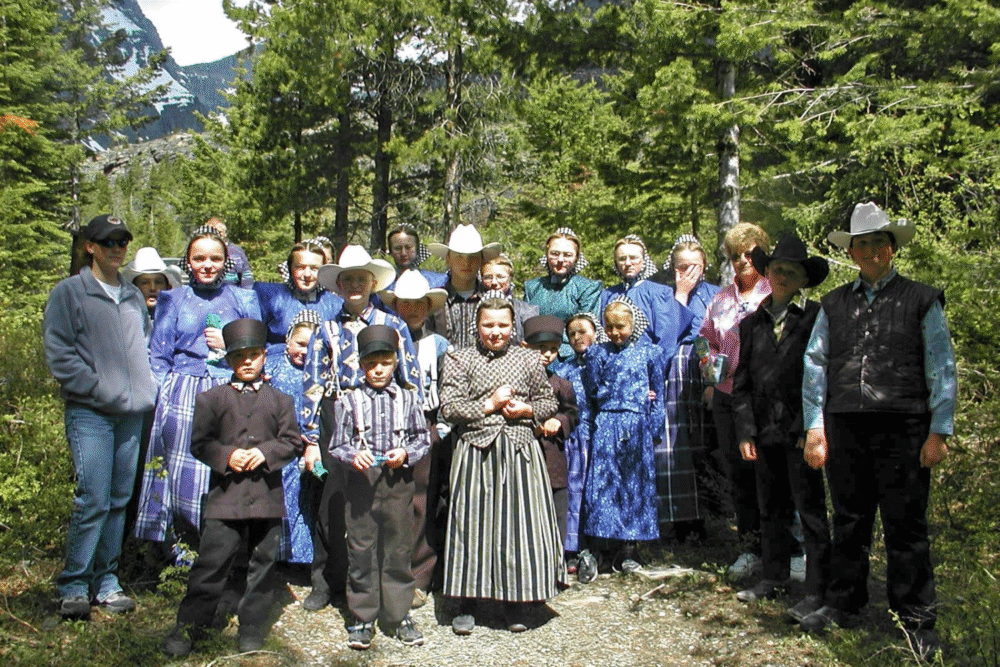
For researchers, the Amish represent more than a cultural curiosity—they’re a living model of how environmental balance can shape human health. Their close connection to nature, minimal use of chemicals, and hands-on lifestyle may offer protective benefits that modern society has largely lost.
While no one expects the world to return to pre-industrial farming, the lesson is clear: limited microbial exposure can come at a cost. A bit of natural dirt and diversity may be exactly what developing immune systems need to stay strong in an increasingly sterile world.