
Nearly 50 years later, experts still can’t agree on what doomed the mighty freighter and its 29 crewmen.
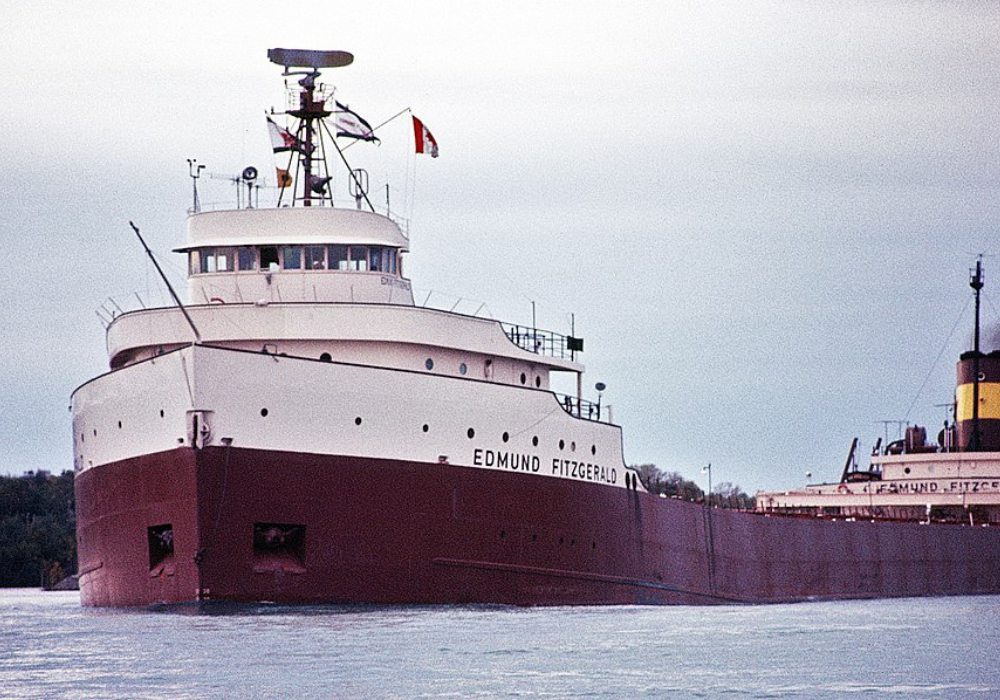
On November 10, 1975, the massive ore carrier Edmund Fitzgerald vanished beneath the icy waters of Lake Superior, taking all 29 men aboard with her. No distress call was ever heard, and no one has ever confirmed exactly what caused her to sink. Some experts blame hurricane-force winds and 25-foot waves; others suspect structural failure or faulty hatch covers. Decades later, the wreck remains one of America’s most haunting maritime mysteries — immortalized in Gordon Lightfoot’s iconic ballad and still drawing divers, historians, and grieving families to the site every November.
1. A Giant Lost to a Sudden Storm
When the Edmund Fitzgerald left port on November 9, 1975, she was one of the largest and most admired ships on the Great Lakes—729 feet long and loaded with over 26,000 tons of iron ore. The weather forecast called for rough conditions, but nothing that an experienced crew couldn’t handle.
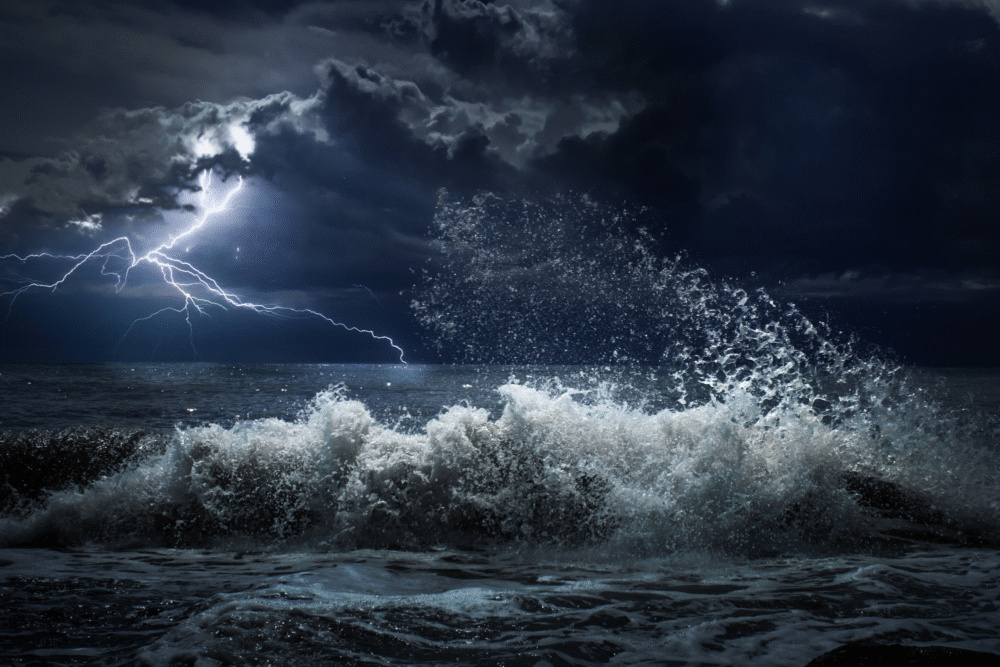
By the next day, the ship faced one of the most violent storms ever recorded on Lake Superior. Winds roared above 80 miles per hour, waves rose over 25 feet high, and within hours the Fitzgerald disappeared without a trace, leaving only confusion and heartbreak behind.
2. No Distress Call, No Survivors
Perhaps the most haunting detail of the Edmund Fitzgerald’s sinking is the silence that surrounded it. Captain Ernest McSorley, a veteran of the Great Lakes, never sent a distress call before his vessel vanished. Minutes before she went down, McSorley radioed another freighter to say his ship was “holding her own.”
Moments later, the Fitzgerald vanished from radar. None of the 29 crewmen survived, and not a single body was ever recovered. The lack of warning left investigators and families struggling to understand how such a massive, modern ship could disappear so suddenly.
3. A Ship Built for Power and Profit

When launched in 1958, the Edmund Fitzgerald was hailed as the pride of the Great Lakes—a symbol of American industry and engineering. She was built to carry vast loads of iron ore from Minnesota to steel mills across the Midwest, fueling the nation’s postwar manufacturing boom.
But her long, flat design made her difficult to control in turbulent conditions. Some veteran sailors warned that ore carriers of her size could flex and twist dangerously in heavy waves. The Fitzgerald’s eventual breakup in the storm would raise questions about whether her immense size made her more vulnerable.
4. The Perfect Storm on Lake Superior

The storm that struck on November 10, 1975, was unlike any the Great Lakes had seen in years. Meteorologists later described it as a “November gale” of record intensity, with sustained winds near hurricane strength and waves that towered like moving walls of water.
Visibility dropped to almost nothing as snow and wind battered ships across the lake. For the crew of the Fitzgerald, conditions worsened by the hour. Radio transmissions described damage to the ship’s radar and cargo hatches just before contact was lost forever.
5. Theories That Still Divide Investigators

Nearly five decades later, experts still disagree on what caused the Edmund Fitzgerald to sink so suddenly. Some believe massive rogue waves rolled across her deck, overwhelming her hatch covers and flooding the cargo hold. Others suspect structural failure after years of metal fatigue.
The U.S. Coast Guard concluded that water entered through unsecured hatch clamps, while Canadian investigators proposed that the ship may have broken apart at the surface. No single theory has ever been confirmed, leaving room for speculation and debate among scientists and sailors alike.
6. The Wreckage Lies in Two Massive Pieces

When the wreck was finally discovered in May 1976, it lay in two enormous sections on the lakebed, more than 500 feet below the surface. The bow stood upright, eerily intact, while the stern was overturned and mangled roughly 170 feet away.
Investigators noted that the hull appeared torn apart, suggesting that the Fitzgerald may have struck the bottom of the lake at full speed. Cold, oxygen-poor water has kept the wreck remarkably preserved, but the depth and danger of the site have made exploration limited and recovery impossible.
7. Families Still Seek Closure

For the families of the 29 crew members, the lack of survivors or definitive answers has been an enduring source of pain. The Fitzgerald’s loss was a national tragedy, but for those left behind, it was deeply personal—a mystery that denied them closure.
In 1995, divers recovered the ship’s bronze bell, one of the only artifacts brought to the surface. It was polished, engraved with the names of the crew, and returned to the depths as a tribute. Each year on November 10, memorials honor the men who never came home.
8. A Song That Immortalized the Tragedy

The story of the Edmund Fitzgerald might have faded over time if not for Gordon Lightfoot’s haunting 1976 ballad, “The Wreck of the Edmund Fitzgerald.” The song captured the grief and mystery of the event, turning it into one of the most memorable maritime tributes ever written.
With its solemn lyrics and unforgettable melody, Lightfoot’s song climbed the charts and entered American folklore. It keeps the memory of the crew alive, reminding listeners of the dangers faced by those who navigate the Great Lakes during the brutal November storms.
9. The Great Lakes’ Most Famous Mystery
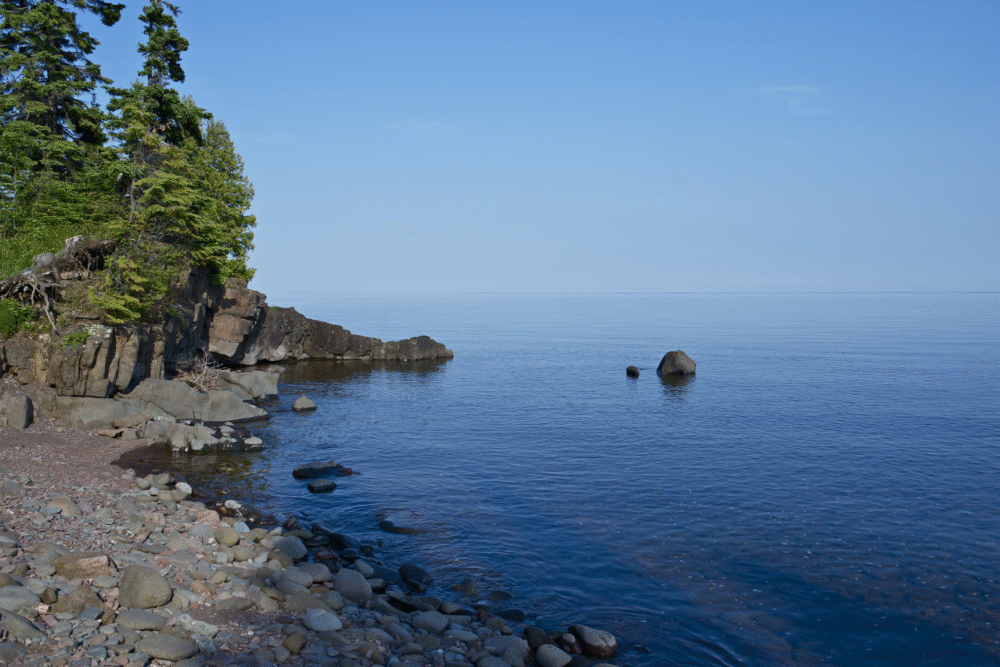
Unlike ocean shipwrecks, the Edmund Fitzgerald’s sinking happened close to shore, making it even harder for people to comprehend. She was only 17 miles from safety when she vanished, and yet no distress signal, debris, or survivors were ever found.
That eerie silence has kept the mystery alive for nearly 50 years. To this day, Lake Superior guards its secrets, and the Fitzgerald’s sudden disappearance remains a chilling reminder of how unpredictable and unforgiving nature can be—even on inland waters.
10. A Legacy That Still Shapes Maritime Safety
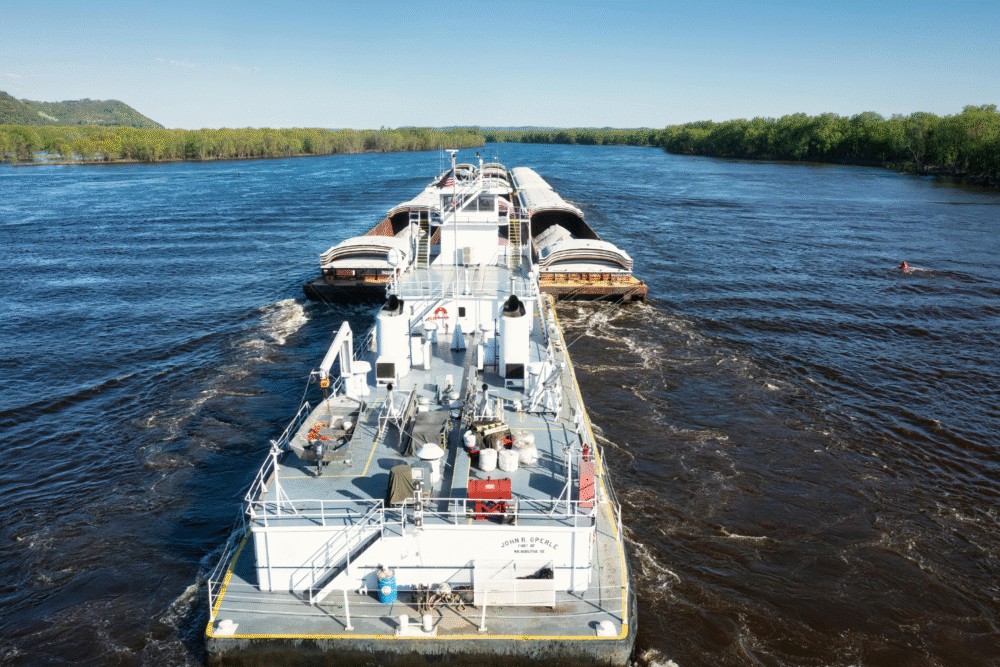
The tragedy of the Edmund Fitzgerald changed Great Lakes shipping forever. In its aftermath, authorities strengthened storm warning systems, improved ship design standards, and required more rigorous inspections of cargo hatches and emergency gear.
Even with these advances, sailors who cross Lake Superior in November still speak of the Fitzgerald with reverence. Her story endures as both a cautionary tale and a symbol of respect for those who risk their lives in service to America’s maritime industries.