
A surprising new study challenges what scientists thought they knew about the fate of the cosmos.

A new study published in The Astrophysical Journal is shaking up what scientists thought they knew about the universe. Researchers from Yonsei University in South Korea analyzed light from distant galaxies using data from NASA’s James Webb Space Telescope and other observatories. Their results suggest that the universe’s expansion may be slowing down, not speeding up — a stunning contradiction to the 2011 Nobel Prize-winning discovery that found the opposite. If confirmed, this finding could rewrite our understanding of dark energy and the ultimate fate of the cosmos itself.
1. A Discovery That Could Rewrite the Story of the Universe
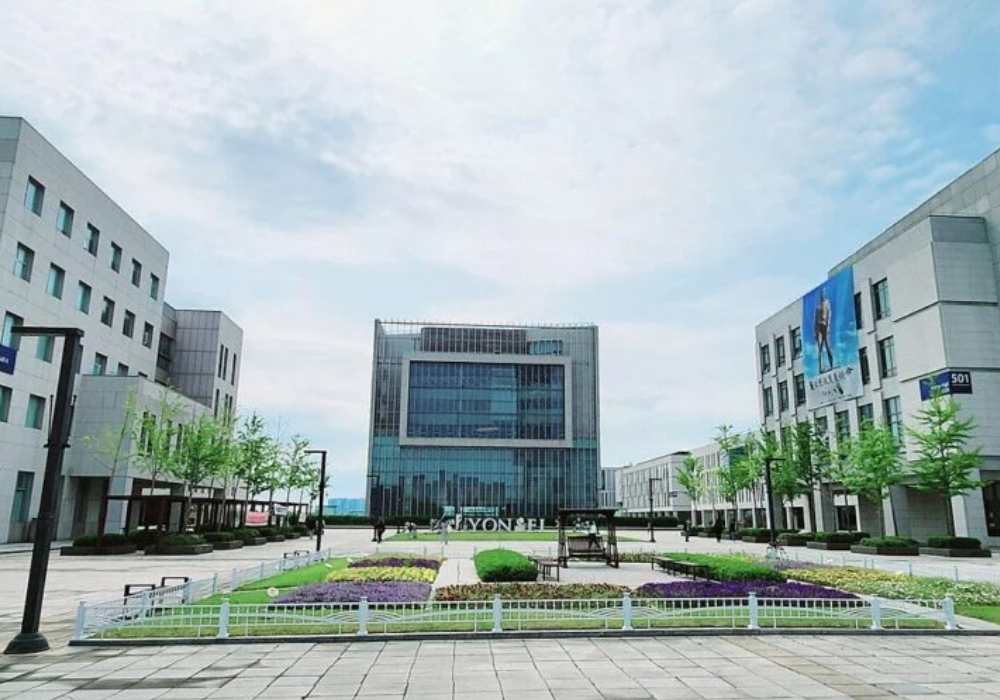
For decades, scientists have believed that the universe’s expansion is speeding up—a discovery that earned a Nobel Prize in 2011. But new research from Yonsei University in South Korea is turning that idea on its head, suggesting that the expansion may actually be slowing down instead.
Researchers analyzed light from distant galaxies and found evidence that challenges long-held assumptions about how the cosmos evolves. If confirmed, their results could force a dramatic rethink of modern astrophysics and reshape how scientists understand the universe’s future.
2. The Study Behind the Stunning Claim

The study, led by astrophysicist Young-Wook Lee, was published in the Monthly Notices of the Royal Astronomical Society. His team reexamined data used in earlier studies that supported the idea of accelerating expansion.
By correcting small errors in the way certain supernovae were measured, the researchers found that previous analyses may have slightly exaggerated the speed of the universe’s growth. When they accounted for those corrections, the data suggested a possible slowdown in the rate of expansion.
3. How Scientists Measure the Universe’s Expansion
Astronomers track the universe’s growth using the Hubble constant, which measures how quickly galaxies move away from each other. One of the main tools for this is the Type Ia supernova—a kind of exploding star whose brightness serves as a “standard candle” for distance.
By comparing how bright or dim these supernovae appear, scientists can estimate how fast space itself is stretching. The Yonsei study suggests that earlier measurements of these cosmic beacons may have slightly overstated the universe’s acceleration, potentially altering a key part of our cosmological model.
4. The Role of Dark Energy in the Cosmic Mystery
When scientists first realized the universe’s expansion appeared to be speeding up, they proposed the existence of dark energy—a mysterious, invisible force believed to make up about 70 percent of the cosmos. It was thought to act as a kind of anti-gravity, pushing galaxies apart faster over time.
If the new study is correct, that understanding could be wrong. Dark energy may not be constant, or it might even be weakening. That would be one of the biggest scientific shakeups in decades, challenging everything from our cosmological models to the physics that describe how the universe behaves.
5. What It Means If the Expansion Is Slowing
If the universe’s expansion is truly slowing, the long-term future of everything could look very different. Current models predict galaxies will drift endlessly apart, leading to a dark, frozen cosmos known as the “heat death” scenario.
But if expansion is losing speed, new possibilities open up. Gravity could eventually overpower dark energy, causing galaxies to move back toward one another. Some scientists call this hypothetical reversal the “Big Crunch,” though it remains a speculative idea that requires much more evidence.
6. Why This Discovery Shocked Astronomers
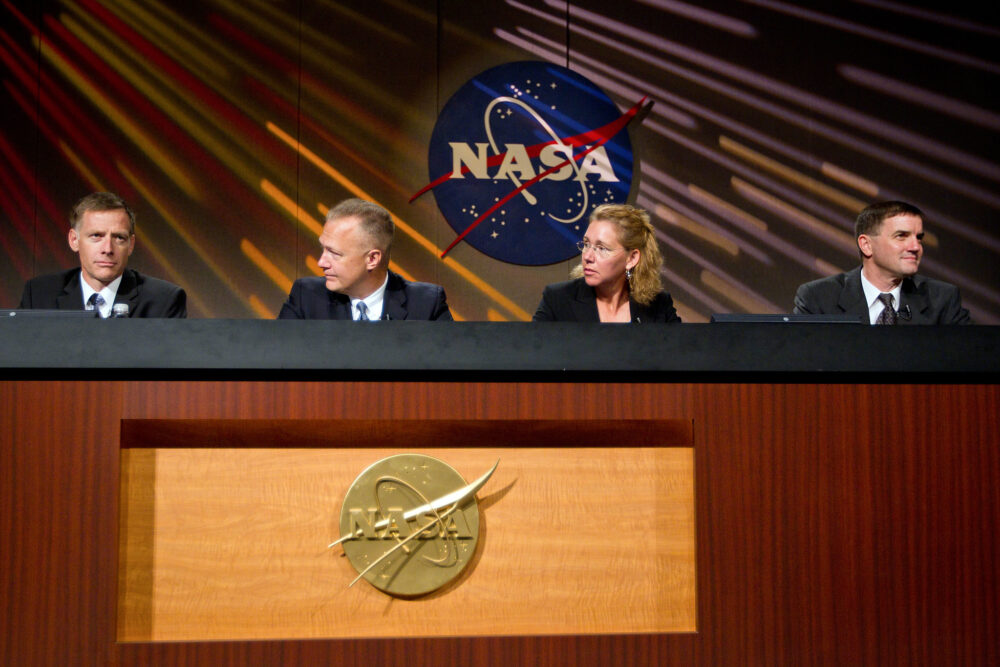
The idea that the universe’s growth might be slowing came as a shock to many in the scientific community. For more than 20 years, the accelerating expansion has been treated as established fact, shaping how physicists understand dark energy and the fate of the cosmos.
Experts around the world are both intrigued and skeptical. Some call the findings “provocative” but caution that the results need to be tested against other data. Whether the claim holds up or not, it has already sparked one of the most important debates in modern cosmology.
7. The Evidence That Supports the Slowdown
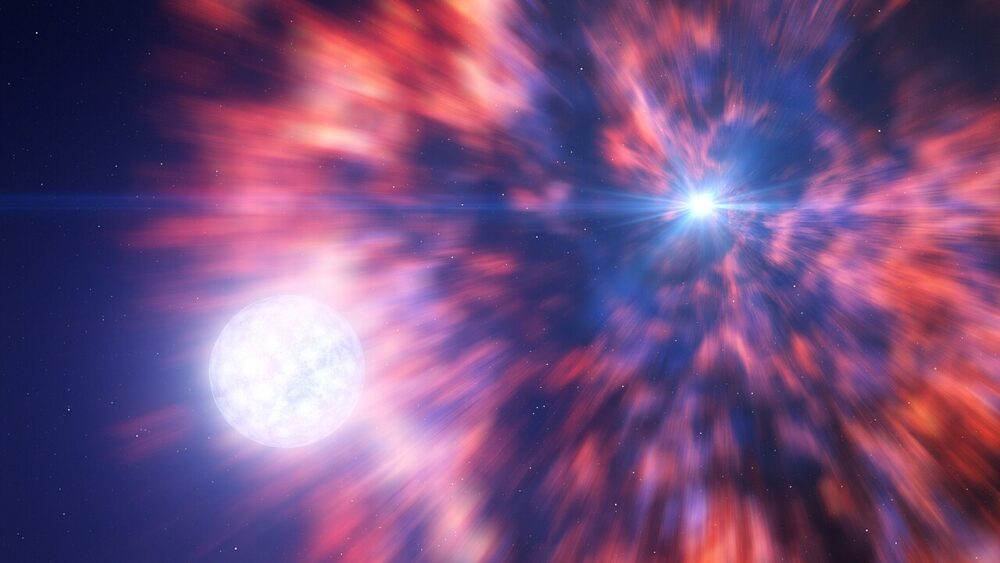
The Yonsei researchers compared new models of supernova data with the older ones that originally supported acceleration. They noticed a subtle trend suggesting the universe’s rate of expansion peaked billions of years ago and has been declining slowly since then.
Their findings also align with some independent clues from galaxy surveys that measure how matter clusters across space. While these results aren’t yet definitive, they raise an important question: has the universe already begun to slow its growth, even before scientists realized it?
8. Why Some Scientists Aren’t Convinced Yet

Many astrophysicists remain cautious about the study’s conclusions. Measuring cosmic expansion is notoriously difficult, and even small errors in distance or brightness can dramatically affect results. Some experts argue that the new data could simply reflect observational noise or calibration issues.
Others point out that large-scale surveys, like the Dark Energy Spectroscopic Instrument (DESI) project, still find strong evidence for acceleration. Most scientists agree that more data from upcoming missions will be needed before the slowdown theory can be accepted or rejected.
9. The Tools Behind the Research
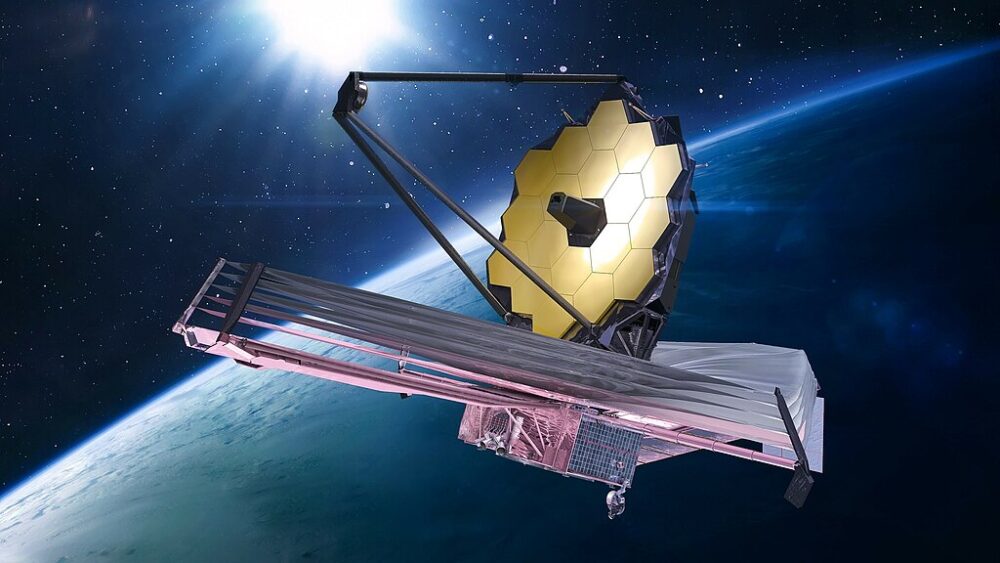
To test their theory, the Yonsei team combined information from several powerful observatories, including NASA’s James Webb Space Telescope and various ground-based telescopes. These instruments allowed them to track light from galaxies billions of years old with unprecedented precision.
By merging multiple datasets, the researchers achieved a clearer view of how light shifts as the universe expands. That detailed picture helped reveal small patterns that previous surveys may have missed—tiny differences that could change how we understand the universe’s motion on the largest scales.
10. What Happens Next for Cosmology
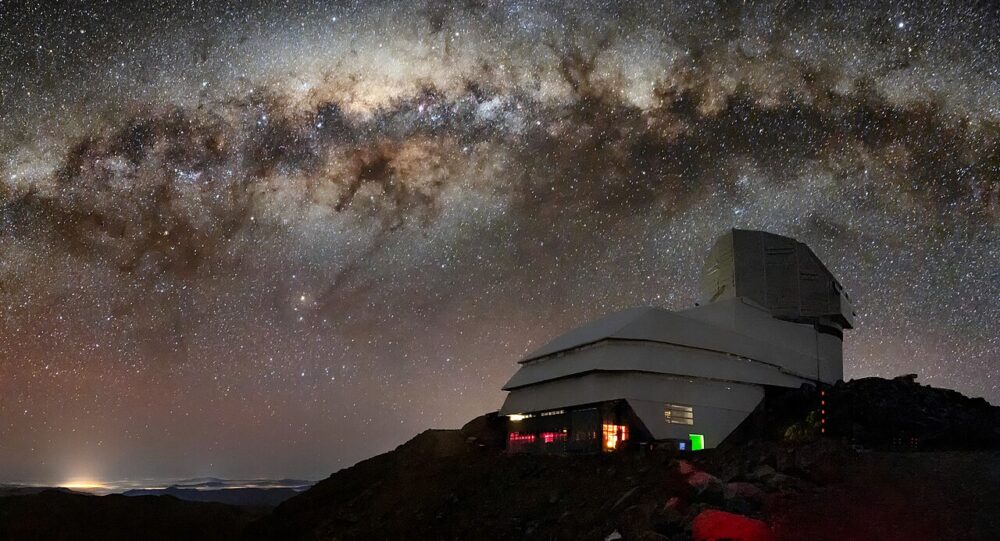
The Yonsei study has already inspired new research from teams around the world. Astronomers are now preparing to test the findings using future data from the Vera Rubin Observatory and other deep-sky projects.
If the slowdown is confirmed, scientists will need to revise their understanding of dark energy or perhaps discover a new force entirely. Even if the results turn out to be temporary, the discussion is pushing cosmology into a new era of precision and discovery.
11. Why This Matters to All of Us
The question of whether the universe is slowing down might sound abstract, but it connects directly to the biggest questions humans have ever asked: where did we come from, and what will happen in the end? Understanding how the cosmos evolves helps define our place within it.
Even small changes in the rate of expansion can reshape scientific theories about time, matter, and energy. For the average person, discoveries like this remind us that the universe is far more dynamic—and mysterious—than we ever imagined.
12. A Reminder of How Science Evolves

Scientific knowledge is never fixed; it evolves with new evidence. The idea that the universe’s expansion might be slowing doesn’t erase previous discoveries—it builds on them, showing how science continually refines its understanding of reality.
Whether the new theory holds up or not, it highlights the importance of questioning assumptions and rechecking the data. The cosmos still holds countless secrets, and each discovery—no matter how disruptive—brings us one step closer to understanding the ultimate story of existence.