
Two soldiers’ century-old notes—tossed into the sea as their ship left for World War I—have resurfaced on an Australian beach.
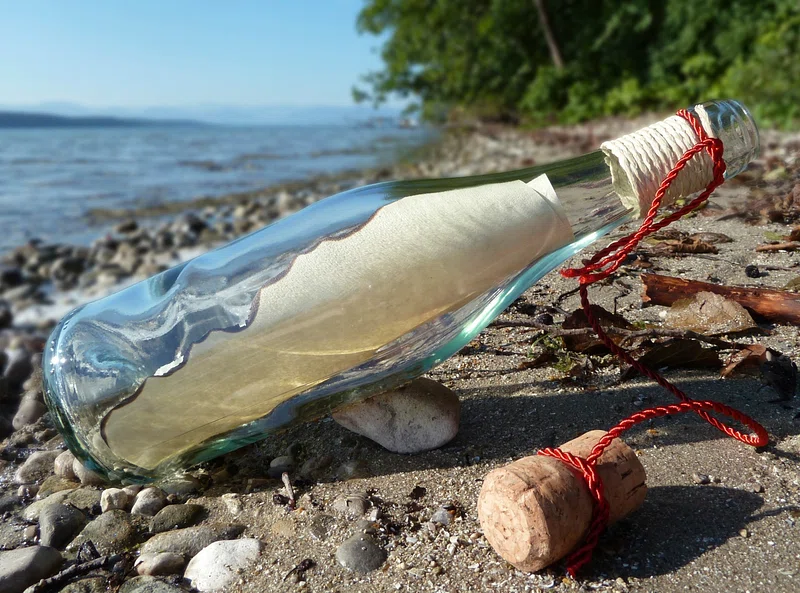
On the shores of Wharton Beach in Western Australia, two bottles containing handwritten notes from World War I soldiers have been uncovered after lying hidden for 109 years. The messages, written by Australian servicemen aboard the troop transport ship HMAT A70 Ballarat in August 1916, were sealed and thrown overboard as the vessel began its journey to the battlefields of Europe. Carried by currents and protected by sand, the bottles preserved a poignant trace of two men leaving home for war.
1. Found on a Remote Western Australian Beach

The discovery occurred when beachgoers exploring Wharton Beach spotted one of the bottles glinting in the sand. Inside, a rolled piece of paper caught their attention. Soon after, a second bottle surfaced nearby, both remarkably intact. Archaeologists confirmed their origins after analyzing the glass and the writing inside, identifying them as authentic relics from World War I.
Each bottle had been sealed with cork and carried through the sea before being buried by coastal dunes. Experts say the find is one of the most remarkable maritime recoveries ever made in Australia—an emotional time capsule delivered by the ocean itself.
2. Written by Soldiers on Their Way to War

The notes were penned by two young Australian soldiers, Malcolm Alexander Neville and William Kirk Harley, on August 15, 1916, as their ship, the HMAT A70 Ballarat, set sail for Europe. Both men included their names, units, and the date before tossing the bottles into the ocean—small, spontaneous messages cast into uncertainty.
At the time, the ship carried hundreds of troops bound for the Western Front. For these two soldiers, the bottles may have served as symbolic farewells to home, written in the fleeting calm before war would reshape their lives forever.
3. Preserved by Nature’s Perfect Conditions
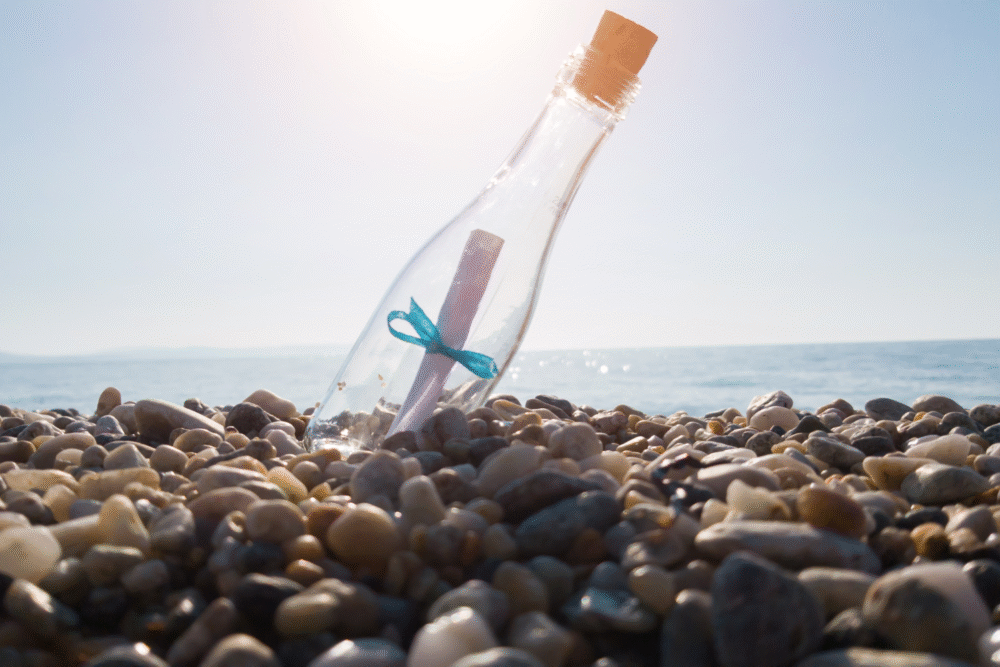
Experts believe the bottles survived thanks to a mix of luck and natural protection. Each was sealed tightly and later buried by sand, which created a cool, low-oxygen environment that prevented the paper inside from deteriorating. The corks held firm for more than a century, keeping seawater and bacteria out.
When the notes were unrolled, researchers found the pencil handwriting still legible—an extraordinary feat for documents exposed to the elements for over 100 years. The find demonstrates how delicate artifacts can endure when nature itself becomes their guardian.
4. A Glimpse Into Ordinary Lives in Extraordinary Times
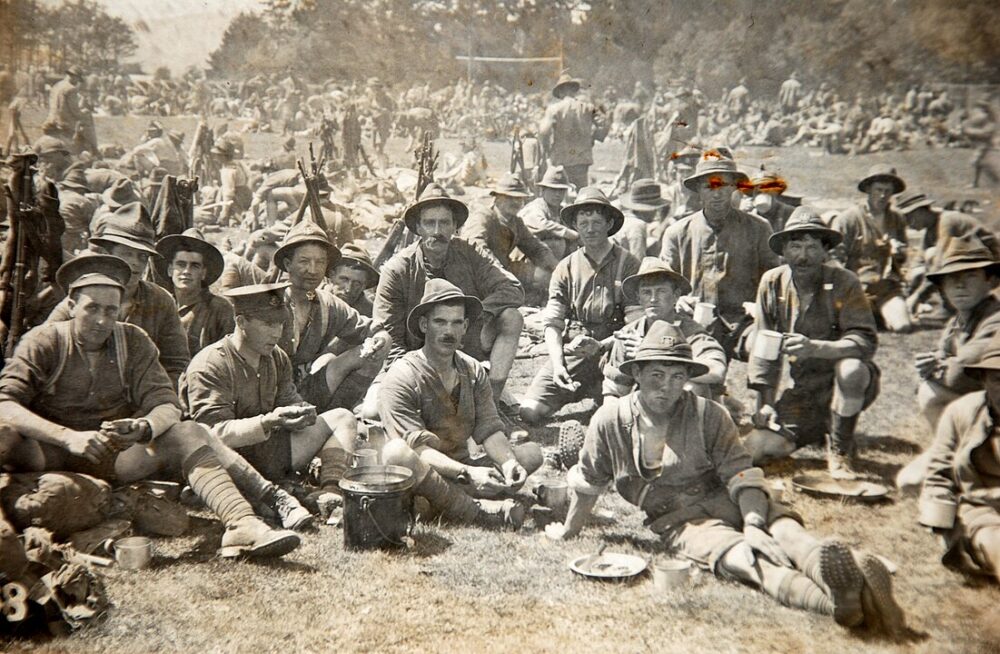
The notes are simple—just names, dates, and ship details—but they speak volumes. They reveal not propaganda or grand speeches, but everyday human voices caught between anticipation and fear. Both men were part of a massive mobilization effort that sent more than 330,000 Australians overseas to fight in World War I.
These messages remind modern readers that history is often preserved in the smallest of gestures. A few lines written aboard a troop ship became lasting echoes of youth, courage, and uncertainty that outlived the war itself.
5. One Soldier’s Fate Was Tragic, the Other’s Triumphant
Historical records reveal that Malcolm Alexander Neville died in 1917 when the Ballarat was torpedoed by a German submarine off the coast of England. His name is among the thousands listed on memorials honoring Australians who never returned. William Kirk Harley, however, survived the war and eventually made it home.
Their intertwined fates add depth to the discovery—one bottle symbolizing a life cut short, the other a story of survival. Both serve as reminders of how thin the line between loss and endurance could be during wartime.
6. Rediscovered by Chance and Curiosity

The discovery happened by pure chance. Locals walking along Wharton Beach noticed the unusual glass bottles partially buried in the sand and contacted historians after spotting the century-old dates inside. Experts quickly realized the significance of the find and transported the bottles to conservation specialists for careful study.
Their recovery highlights the value of community awareness and preservation. Without that small moment of curiosity, the soldiers’ words might still be hidden beneath the sand, their voices lost to time and tide.
7. Researchers Work to Conserve the Fragile Notes
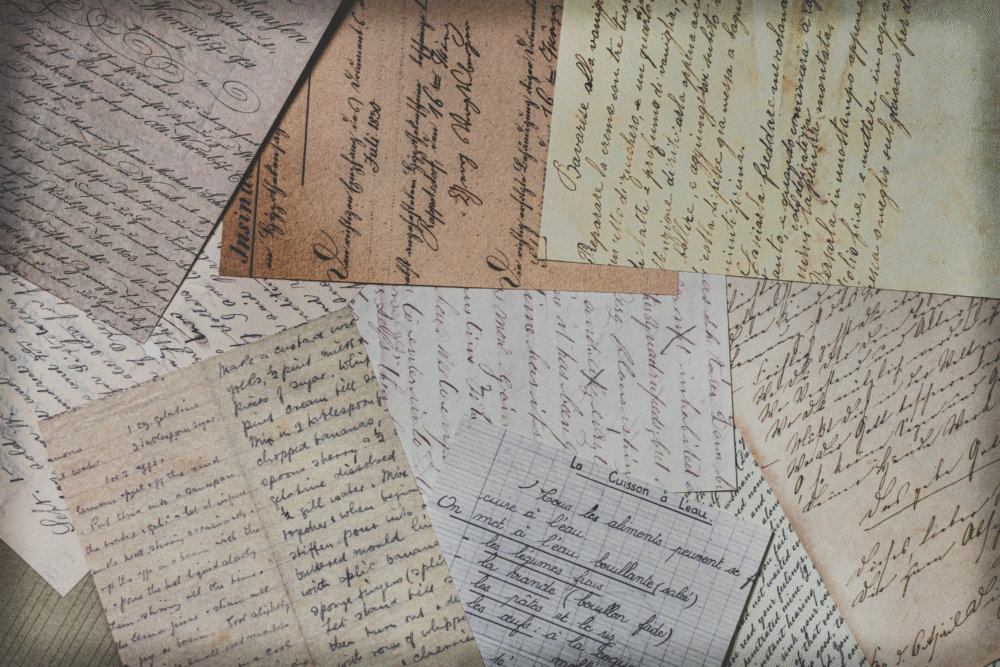
The bottles and their contents are now in the hands of conservation experts at Western Australian heritage institutions. Specialists are using non-invasive imaging to document every detail of the fragile pages while preventing further damage. Stabilization efforts focus on humidity control and digital preservation.
Plans are underway to display the bottles publicly once conservation is complete. The goal is to give Australians a chance to see, up close, the delicate handwriting of soldiers who lived and fought more than a century ago.
8. A Rare Archaeological Find With Deep Emotional Impact

Archaeologists describe the discovery as both scientifically valuable and emotionally powerful. While ship logs and military records tell the official history, finds like this reveal personal truths—the voices of individuals caught within massive historical events.
The messages capture a moment that feels immediate despite the passing of time. For the researchers handling the bottles, the experience was a reminder that archaeology is not only about artifacts, but about reconnecting with the people who made them.
9. Lessons From the Messages in a Bottle
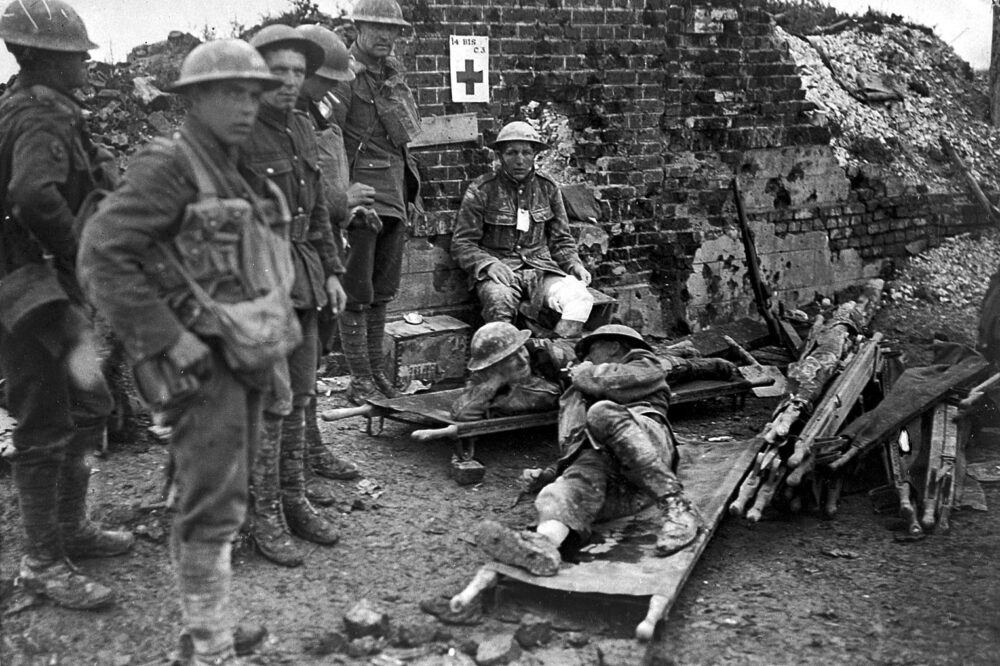
The bottles demonstrate how ordinary acts can echo across centuries. The soldiers likely tossed them into the sea without expectation, yet those same notes became windows into history. Their survival is a testament to human expression—our desire to be remembered, even in fleeting gestures.
Such discoveries also show the value of preservation, encouraging Australians to protect coastal and heritage sites that may still hide traces of untold stories beneath the sand.
10. A Message Across Time That Still Speaks Today
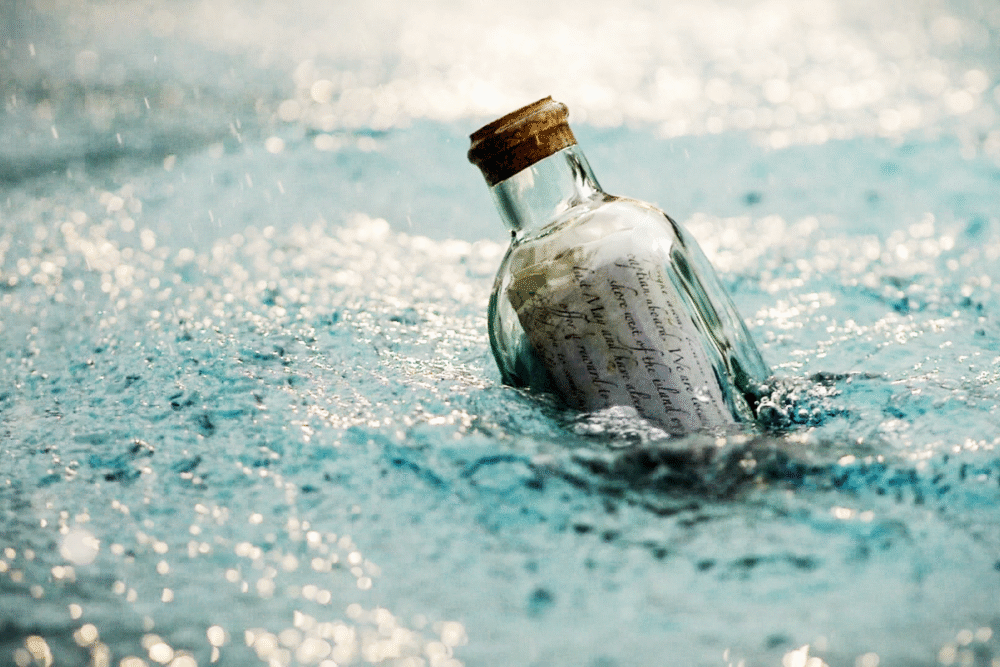
More than 100 years after they were written, the soldiers’ notes continue to resonate. They are humble, personal, and profoundly human—a reminder that behind every war statistic lies an individual life. The ocean carried their words for more than a century before returning them to the shore that once sent them away.
For modern Australians, the discovery is both a historical treasure and a message of continuity. Across generations and oceans, the bottles whisper a timeless truth: even in war, the human need to reach out and be remembered endures.