
Trapped beneath the Earth for millions of years, Romania’s Movile Cave is home to bizarre creatures that evolved in total darkness.

Discovered by accident in 1986, Romania’s Movile Cave has been sealed off from the surface for more than 5 million years—and what scientists found inside is unlike anything else on Earth. The cave’s air is thick with carbon dioxide and hydrogen sulfide, making it toxic to humans, yet life thrives within. Researchers have identified dozens of species—blind spiders, translucent worms, and sulfur-eating bacteria—that evolved entirely in isolation, creating one of the most alien ecosystems ever discovered on our planet.
1. A Hidden World Sealed for Five Million Years
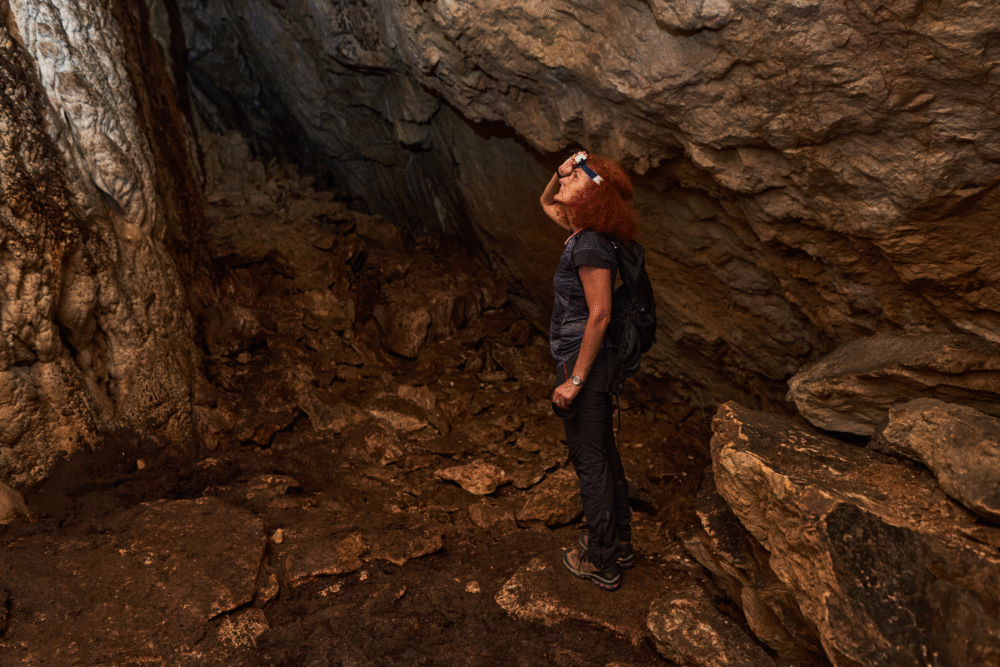
Movile Cave, located near Mangalia in southeastern Romania, has been sealed off from the surface world for more than five million years. When workers accidentally discovered it in 1986 while drilling for a power plant, they stumbled upon an underground environment unlike anything on Earth.
The cave’s entrance is blocked by layers of limestone and clay, creating an oxygen-starved, self-contained ecosystem. Scientists soon realized that the creatures living inside had evolved entirely in isolation, adapting to a world of darkness, sulfuric air, and acidic pools that no other known life could endure.
2. An Atmosphere Toxic to Almost All Life
Movile Cave’s atmosphere is deadly to humans and most animals. Oxygen levels hover around 7–10 percent—less than half of what’s needed for survival—and carbon dioxide and hydrogen sulfide fill the air. The result is a dense, toxic environment that smells like sulfur and can cause suffocation within minutes.
Despite these conditions, scientists found dozens of thriving species. Each has adapted through evolution to extract oxygen efficiently and feed on bacterial mats that grow on the cave’s walls and pools, proving that life can persist even in the most hostile environments on Earth.
3. A World Without Sunlight
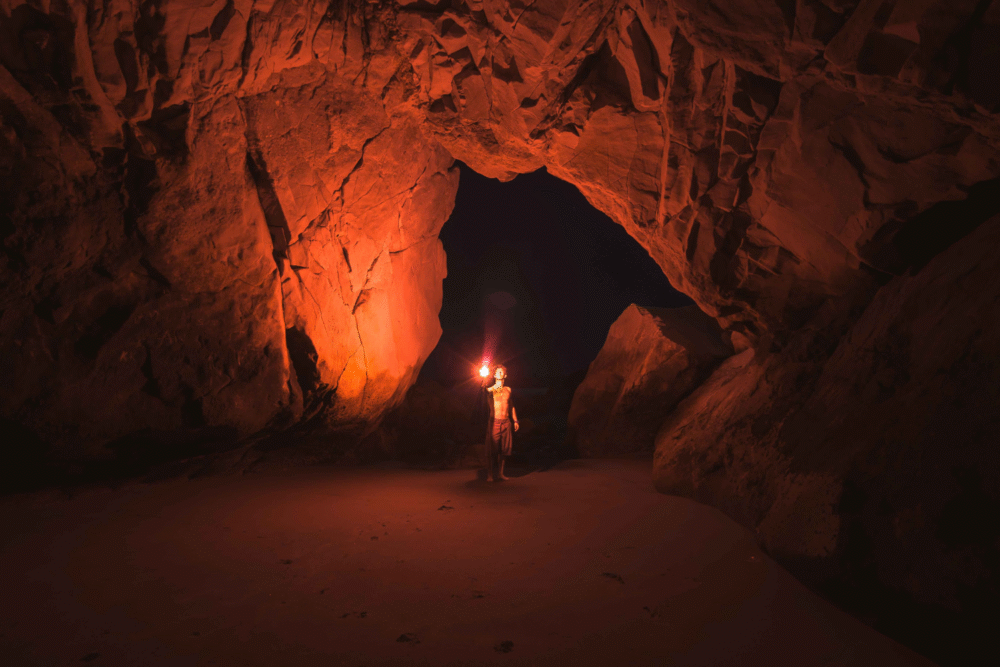
No sunlight has entered Movile Cave in millions of years, yet the ecosystem flourishes. Instead of relying on photosynthesis, life here depends on chemosynthesis—a process where bacteria convert sulfur and methane gases into usable energy. These microorganisms form the foundation of the entire food chain.
From there, a hierarchy of small creatures feeds on the bacteria or on each other. Blind worms, translucent isopods, and tiny crustaceans thrive in the darkness, surviving entirely on chemical energy rather than light. The discovery rewrote how scientists understand life’s adaptability and its potential beyond Earth.
4. Creatures Evolved in Complete Isolation
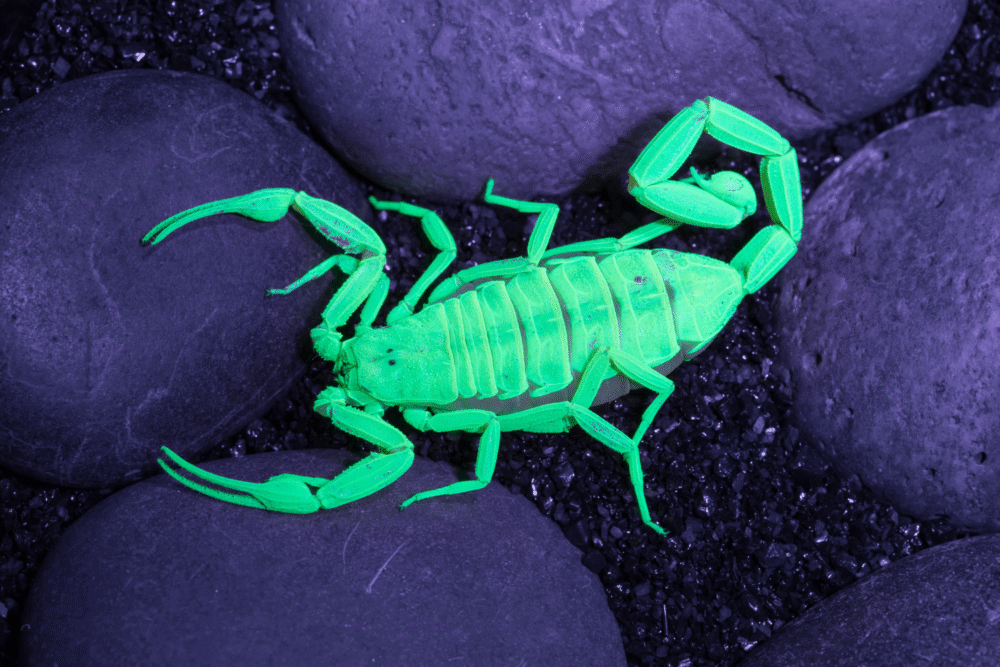
Over 50 species discovered inside Movile Cave are found nowhere else on the planet. These include eyeless spiders, pale millipedes, white leeches, and blind scorpions—all perfectly adapted to the cave’s pitch-black world. Their bodies lack pigment, their eyesight has vanished, and many have developed elongated limbs or antennae to navigate through tight, wet spaces.
Because the cave has been sealed for so long, these organisms evolved independently from surface-dwelling relatives. Genetic studies suggest some of these species split from their ancestors millions of years ago, representing an evolutionary time capsule preserved underground.
5. Microbes That Eat Chemicals, Not Plants
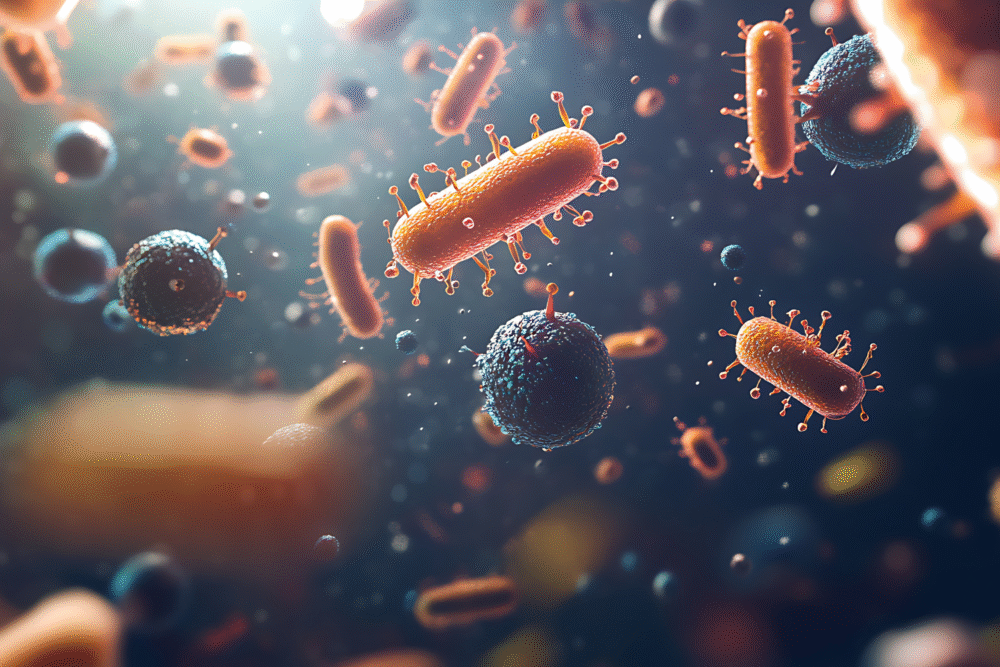
At the base of the cave’s ecosystem are bacteria that feed on sulfur, methane, and ammonia rather than sunlight or organic waste. These microbes form sticky mats across the cave’s walls and water surfaces. Other organisms, such as worms and crustaceans, graze directly on them, creating a unique food chain sustained entirely by chemistry.
This process—known as chemosynthesis—was once thought to exist only in deep-sea hydrothermal vents. The discovery of the same principle in Movile Cave proved that chemical life systems can emerge in multiple extreme environments, broadening scientists’ understanding of where life might exist in the universe.
6. Scientists Who Enter Must Wear Respirators
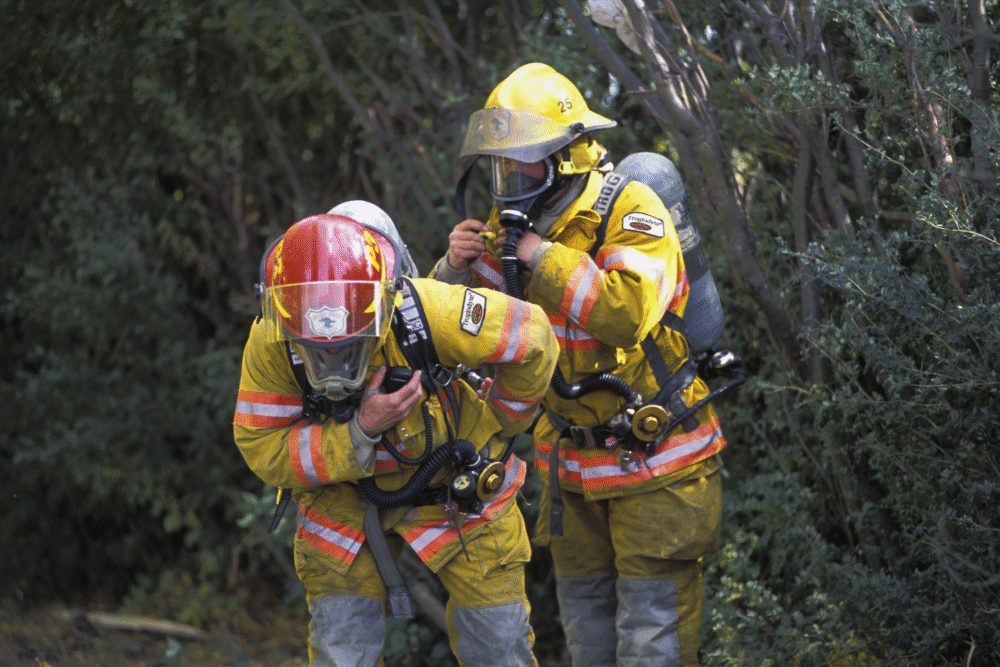
Exploring Movile Cave isn’t for the faint of heart. Because the air is low in oxygen and high in toxic gases, researchers must wear respirators and protective gear. The cave is humid, slippery, and covered in sulfur crystals that corrode equipment and clothing.
To minimize contamination, scientists can only enter for short periods, and access is tightly restricted. Samples of air, water, and sediment are collected for laboratory analysis. Every visit to the cave is both dangerous and precious, providing rare insights into a world that’s remained hidden for millions of years.
7. A Window Into Earth’s Distant Past
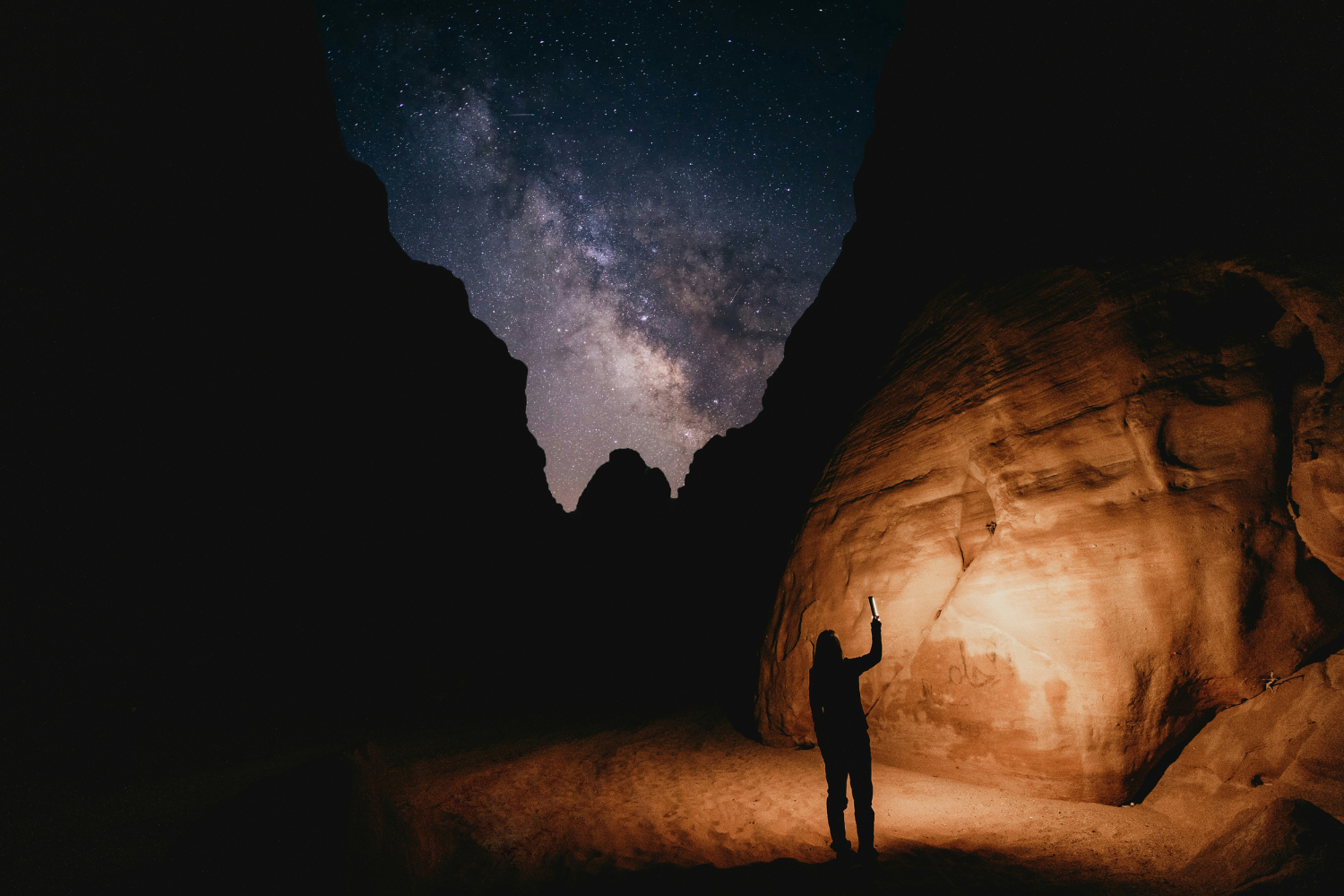
Movile Cave may offer a glimpse of what early Earth looked like before plants and photosynthesis dominated the surface. Its ecosystem thrives on chemical reactions similar to those that may have powered life billions of years ago.
By studying its microbes and animals, scientists are uncovering how ancient organisms might have survived before sunlight was available. The cave functions like a living fossil—a preserved snapshot of evolutionary processes that predate modern ecosystems and could help explain how the first forms of life emerged on a young, volatile planet.
8. Discoveries That Redefine “Alien” Life
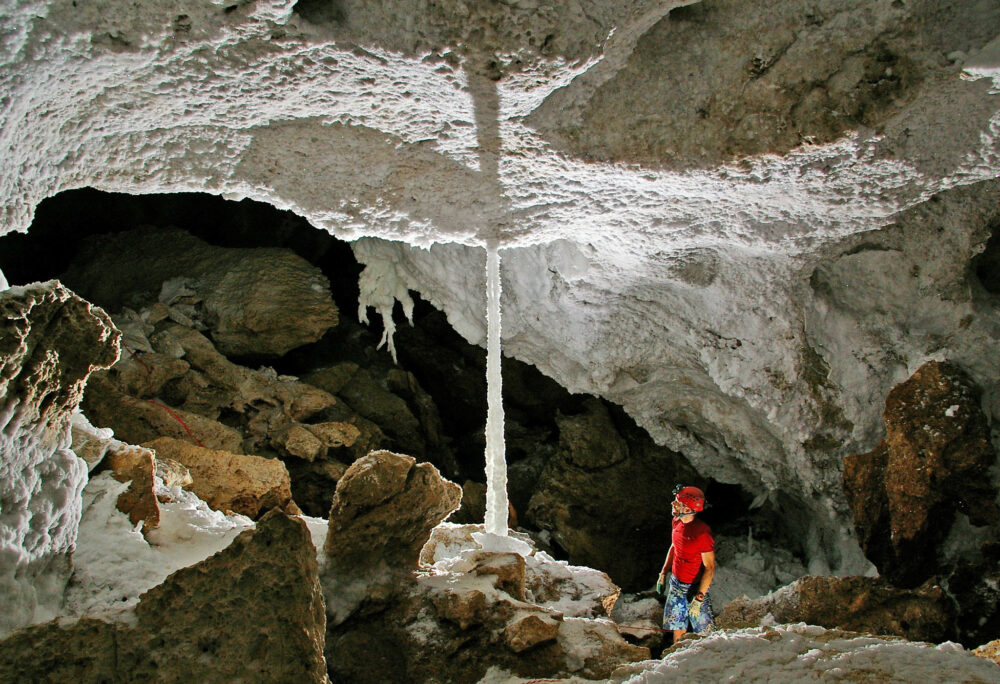
When scientists call Movile Cave’s ecosystem “alien,” they don’t mean extraterrestrial—they mean unfamiliar and otherworldly. The creatures here rely on energy sources and survival mechanisms unknown in typical environments.
Because the cave’s food web is entirely self-contained, it mirrors what scientists imagine could exist beneath the icy crusts of moons like Europa or Enceladus. Movile Cave has become a model for astrobiology, offering real-world proof that complex ecosystems can thrive without sunlight—possibly even on other planets.
9. Blind Hunters and Translucent Survivors
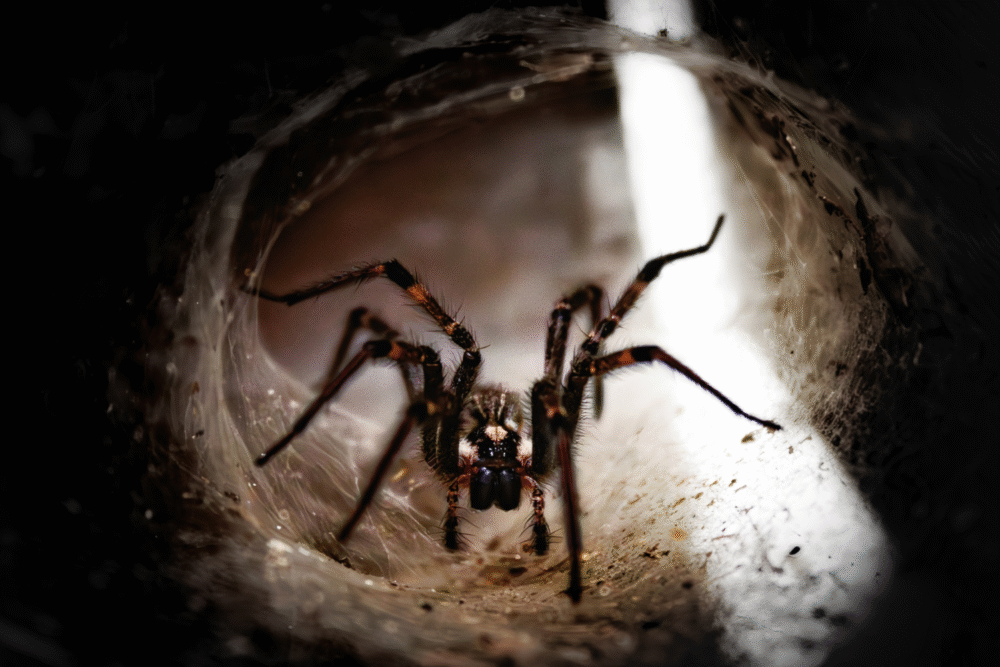
The animals of Movile Cave have evolved extraordinary physical traits. Without light, eyes became useless, so many species lost them altogether. In their place, they developed heightened sensory hairs and elongated limbs that detect air currents and vibrations in the dark.
Their skin is translucent, revealing organs beneath the surface—a byproduct of living without sunlight or the need for pigmentation. These physical changes make the cave’s inhabitants look ghostly, but they represent perfect adaptations to their claustrophobic, chemical-charged home.
10. A Fragile Ecosystem That Must Be Protected

Because Movile Cave is so isolated and sensitive, even small human disturbances could disrupt its balance. Introducing surface microbes or changing the cave’s airflow could devastate species that have existed unchanged for millions of years.
For that reason, access to the cave is restricted to a few specialized researchers. Environmental agencies in Romania and the European Union have designated it a protected site. Preserving Movile Cave ensures that this natural laboratory—one of Earth’s rarest ecosystems—remains intact for future generations of scientists.
11. Lessons for the Search for Life Beyond Earth
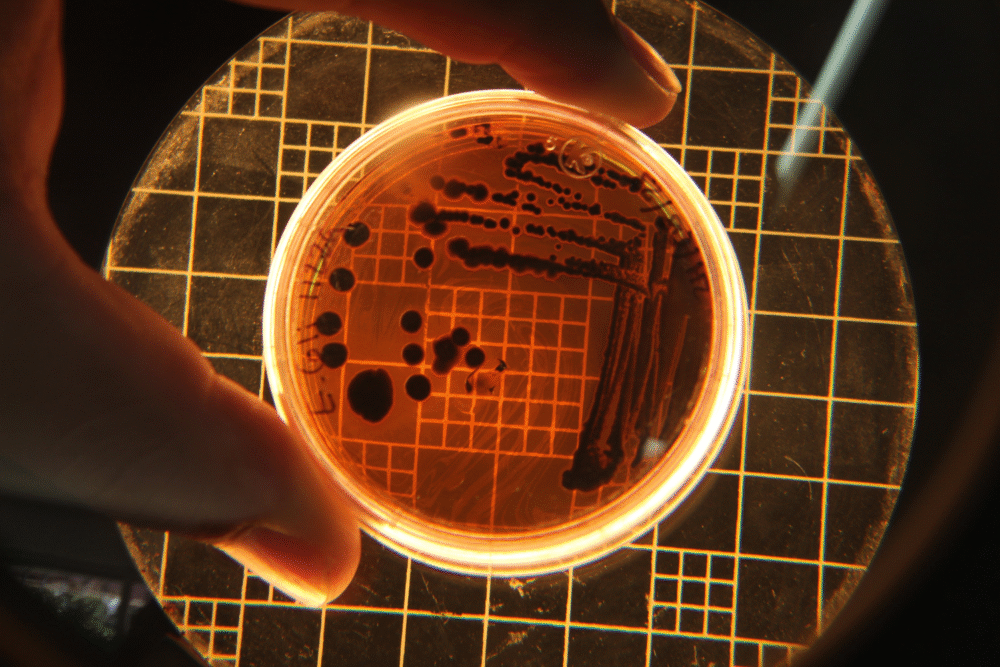
Movile Cave has become a blueprint for understanding how life might exist on planets without sunlight or oxygen-rich atmospheres. Its microbes prove that chemical energy alone can sustain ecosystems in the dark.
Astrobiologists study the cave to model environments that could exist beneath the surfaces of Mars or icy moons like Europa. What began as an accidental discovery beneath Romanian soil is now reshaping how scientists define habitability—and showing that the universe may be far more alive than we ever imagined.