
Wind-blown dust from the sinking Salton Sea is laden with pesticides and metals — and scientists say it’s damaging the lungs of children and families nearby.
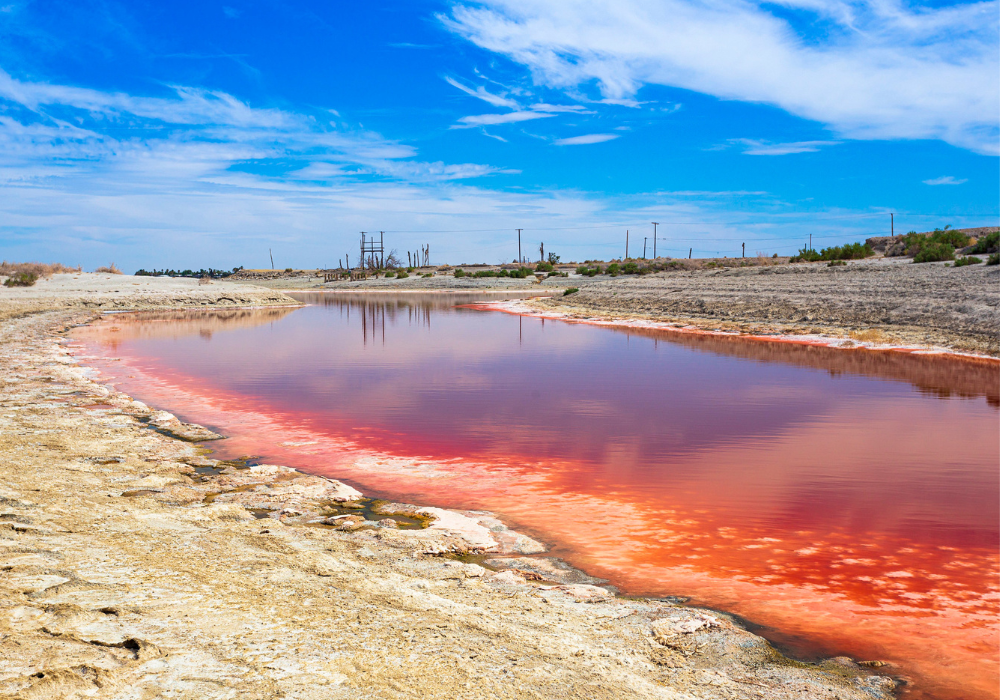
Researchers at University of California, Irvine and University of California, Riverside report that the rapidly shrinking Salton Sea in Southern California is more than an ecological concern — it’s a public‐health crisis. As the lakebed becomes exposed, wind-blown dust contaminated with arsenic, pesticides and bacteria is linked to measurable lung-function decline in children and changes in the lung microbiome in animal tests. The effects hit hardest in nearby low-income communities, underscoring the urgency of targeted air-quality and dust-mitigation action.
1. A Lake That Was Never Meant to Exist
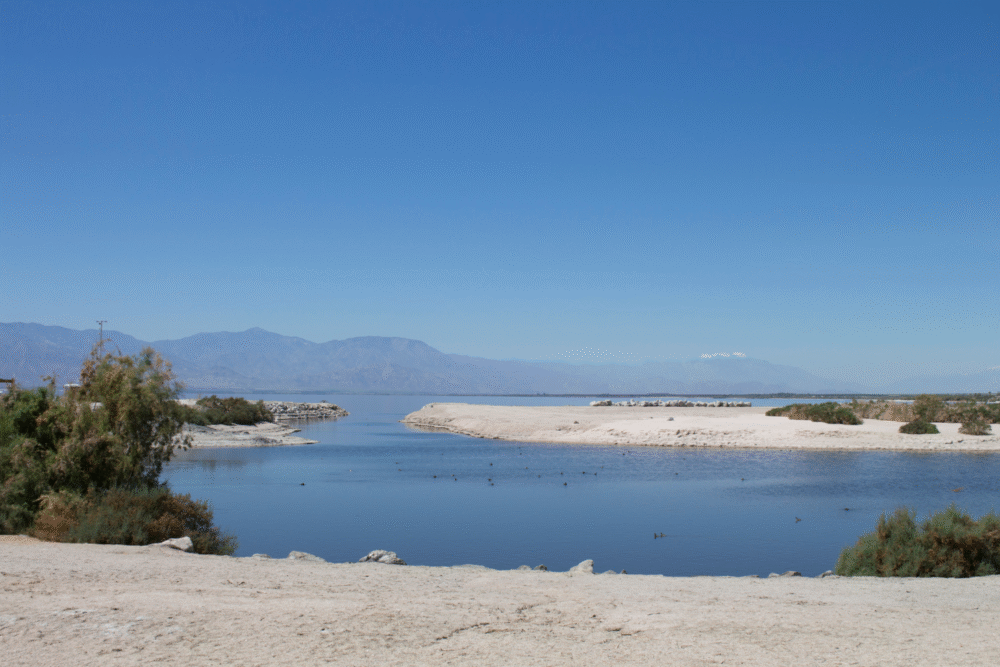
The Salton Sea was created by accident in 1905 when the Colorado River broke through irrigation canals and flooded a desert basin. For decades, it became California’s largest lake, attracting fish, birds, and tourists.
But because it has no natural outlet, the sea has been shrinking for years. Agricultural runoff once kept it full, but declining water use and hotter temperatures have turned it into a salty, polluted bowl that’s evaporating faster than nature can replace it.
2. A Toxic Dust Bowl Is Emerging
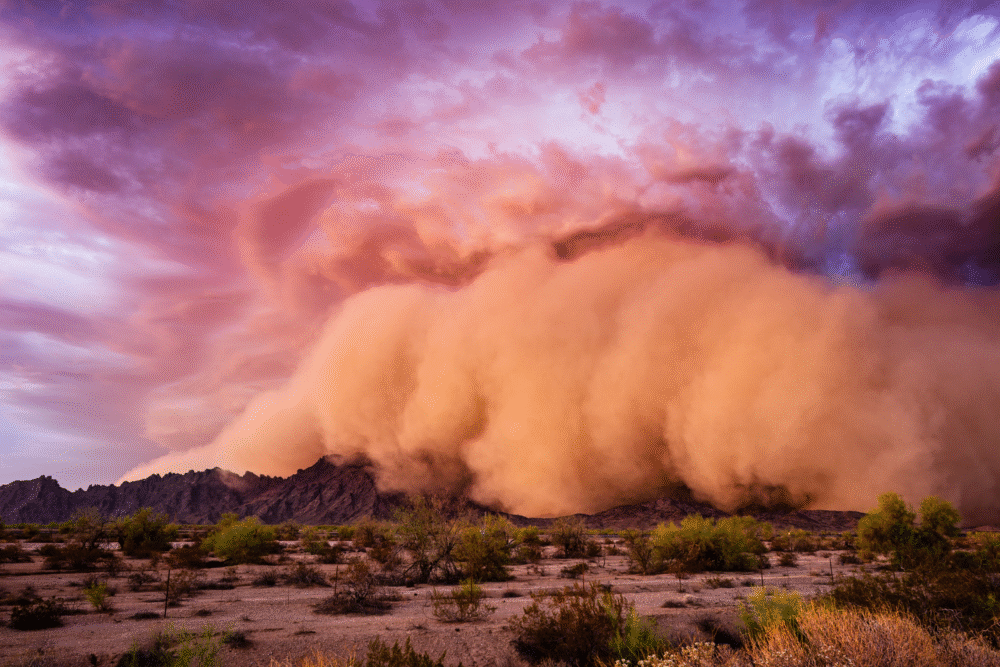
As the shoreline recedes, the exposed lakebed—known as playa—dries out and crumbles into dust. Winds carry that fine, powdery material across the Coachella and Imperial valleys, creating a toxic haze.
Researchers have found that this dust contains heavy metals, pesticides, and microbial matter, all of which can damage the lungs when inhaled. What was once a shimmering inland sea is now a growing environmental hazard spreading through the air.
3. The Health Toll on Local Communities
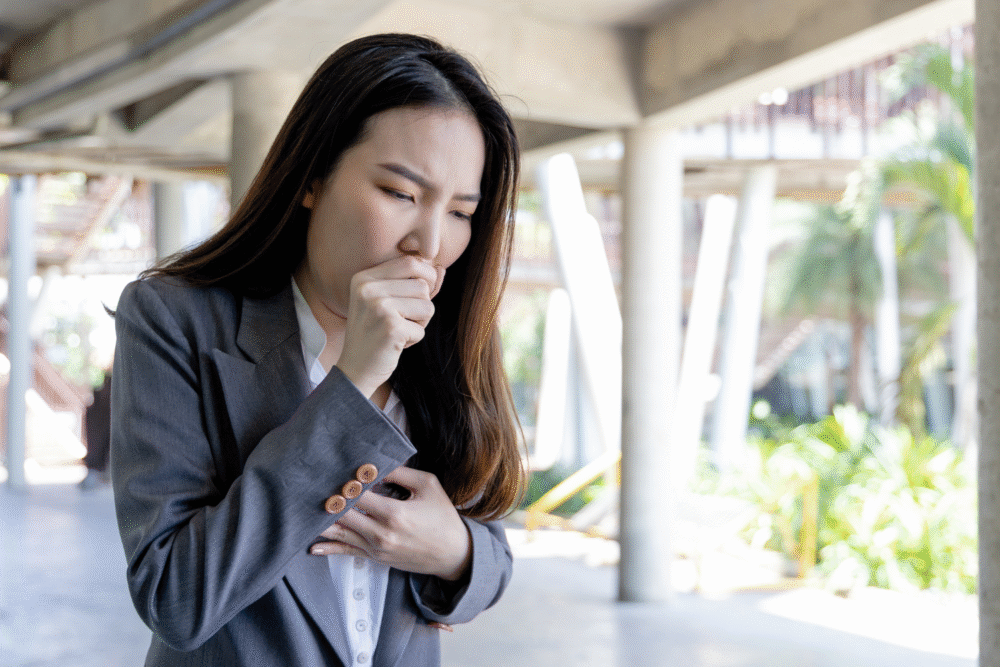
People living near the Salton Sea are reporting rising rates of asthma and chronic respiratory illness, particularly among children. Studies show the dust particles are small enough to penetrate deep into lung tissue, triggering inflammation and long-term breathing problems.
The problem is especially severe in low-income Latino communities around places like Calipatria and Mecca, where residents already face limited access to healthcare. For many, the air itself has become a daily struggle.
4. Scientists Trace the Damage to the Lungs

Researchers at the University of California, Irvine and Riverside found that dust from the exposed lakebed alters lung microbiomes and reduces overall lung function. Animal studies revealed inflammation and DNA damage in cells after exposure to Salton Sea dust.
These findings confirm what residents have suspected for years—that the strange smell and hazy air aren’t just unpleasant, but genuinely dangerous to human health. The Salton Sea has effectively become an airborne pollutant source.
5. A Crisis Decades in the Making
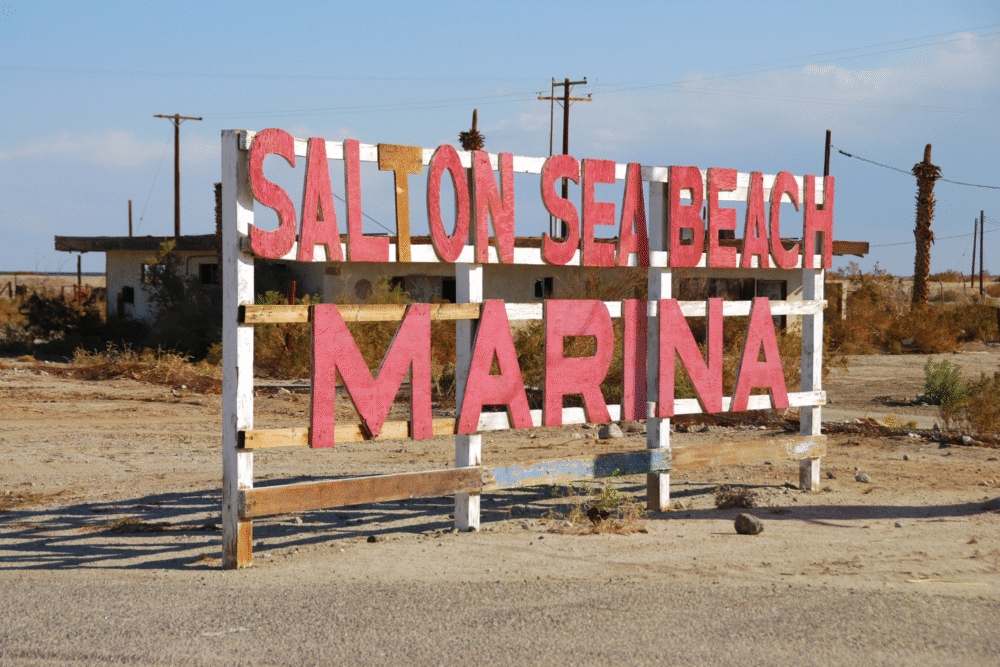
The sea’s decline didn’t happen overnight. For years, it relied on runoff from nearby farms to maintain its water level. When agricultural efficiency improved, less water flowed in, and the lake began to recede.
At the same time, rising temperatures from climate change have accelerated evaporation. What’s left is a hypersaline, chemical-laden lake where fish and birds are dying, and its shrinking shoreline is releasing new layers of toxic dust each year.
6. State Efforts to Fix the Problem Fall Short

California officials have pledged billions of dollars to restore parts of the Salton Sea and control the dust, but progress has been painfully slow. Many mitigation projects, like shallow ponds and vegetation barriers, remain in planning stages.
Meanwhile, the exposed lakebed continues to expand—covering more than 20,000 acres today. Scientists say without immediate large-scale action, the health and environmental impacts could spread far beyond the desert communities already affected.
7. The Hidden Chemical Cocktail Beneath the Surface
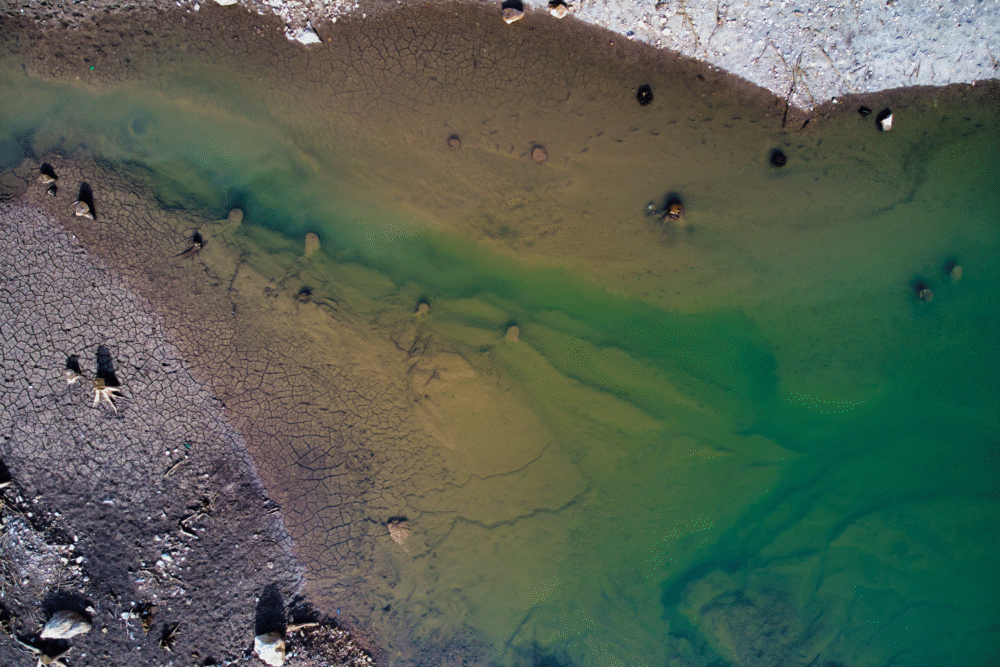
Years of agricultural runoff have turned the Salton Sea into a toxic brew. Pesticides, fertilizers, and heavy metals have built up in its sediments, and as the water level drops, those toxins are lifted into the air.
Testing has revealed traces of arsenic, selenium, and DDT residues—chemicals banned decades ago but still lingering in the environment. When the wind blows across the dry lakebed, that contamination doesn’t just vanish—it travels directly into nearby neighborhoods.
8. Wildlife Is Disappearing as the Sea Dies
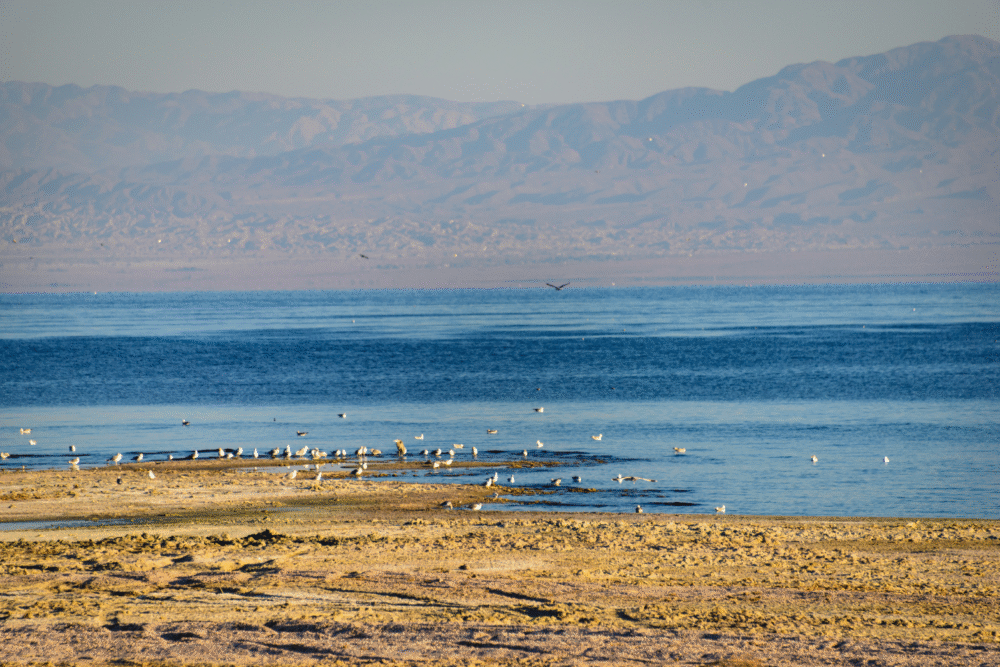
Once a vital stopover for millions of migratory birds, the Salton Sea’s ecosystem is collapsing. The rising salinity has wiped out most fish species, leaving birds without food and forcing them to abandon the area.
What was once a haven for pelicans, cormorants, and gulls has become a graveyard of cracked earth and salt crusts. The environmental collapse mirrors the human one: both are symptoms of a disappearing body of water that sustained life for generations.
9. Residents Demand Accountability and Action

Frustrated communities around the Salton Sea are calling on state and federal leaders to treat the crisis like the public health emergency it is. Residents have organized protests, petitions, and town halls demanding immediate dust-control measures and medical support.
Many feel ignored by policymakers who rarely visit the region. For families who have watched their children develop asthma or chronic coughs, inaction isn’t just neglect—it’s a matter of survival.
10. A Warning for the Future of the American West
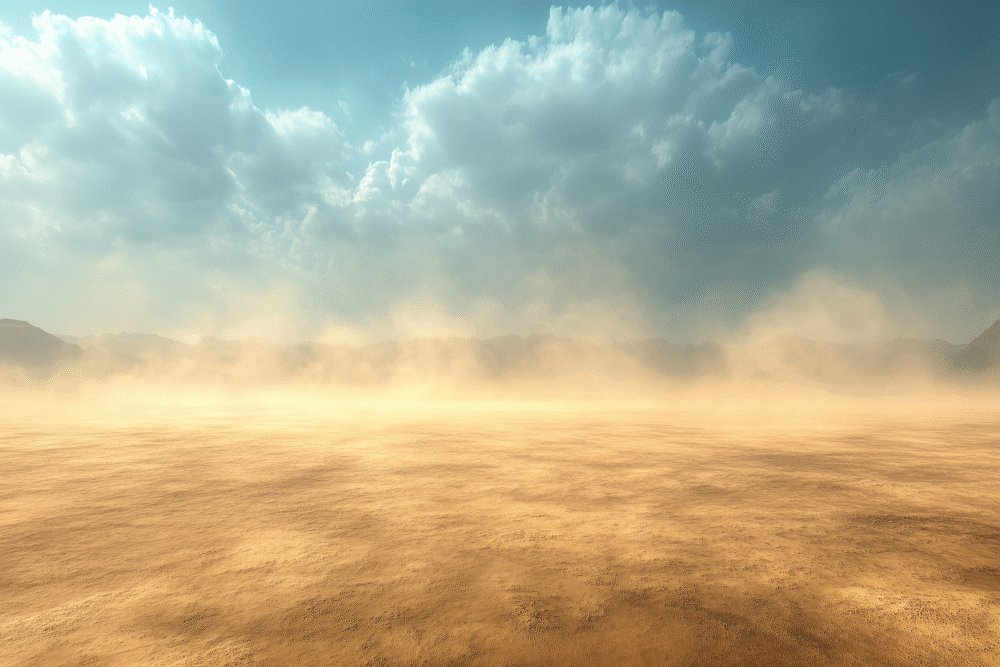
The Salton Sea’s decline is a preview of what could happen across the West as climate change dries out lakes and reservoirs. Similar dust storms are already emerging around Utah’s Great Salt Lake and Nevada’s Walker Lake.
Scientists warn that the pattern is clear: as water disappears, toxic dust rises. Unless aggressive water management and restoration efforts are prioritized, the Salton Sea won’t be the last environmental disaster written in the desert’s dust.