
Scientists say every living person carries genetic traces from two mysterious ancient groups that shaped humanity itself.
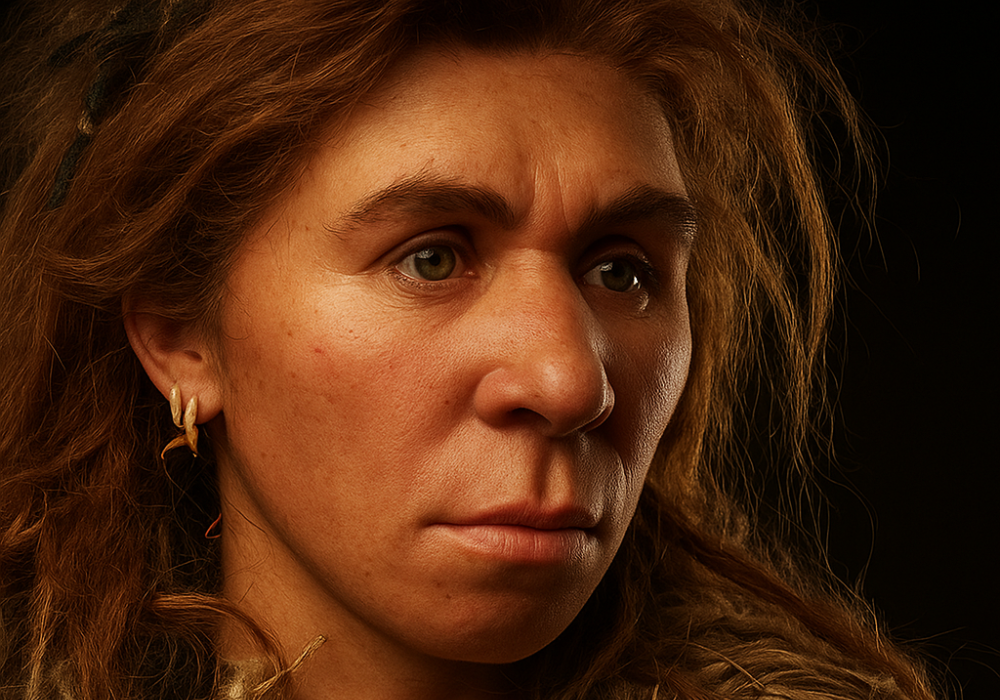
A groundbreaking DNA study from the University of Cambridge has rewritten what we know about human origins. By analyzing genetic material from hundreds of ancient and modern genomes, researchers discovered that everyone alive today descends from just two ancestral populations that once coexisted more than a million years ago. The findings reveal a long-hidden fusion of early human lineages—one in Africa, one beyond—and how their reunion ultimately created us all.
1. A Discovery That Changes What It Means to Be Human
For generations, scientists thought modern humans descended from one small group in Africa. But new research from the University of Cambridge reveals a more complex origin. DNA evidence now shows that every person alive today carries genes from two ancient populations that lived in isolation for nearly a million years before reuniting.
When these two lineages merged, their genetic diversity likely gave rise to the physical and cognitive traits that define us. It’s a story not of one birthplace, but of two ancient families whose reunion reshaped human evolution forever.
2. Scientists Used a Massive DNA Database to Unlock the Truth
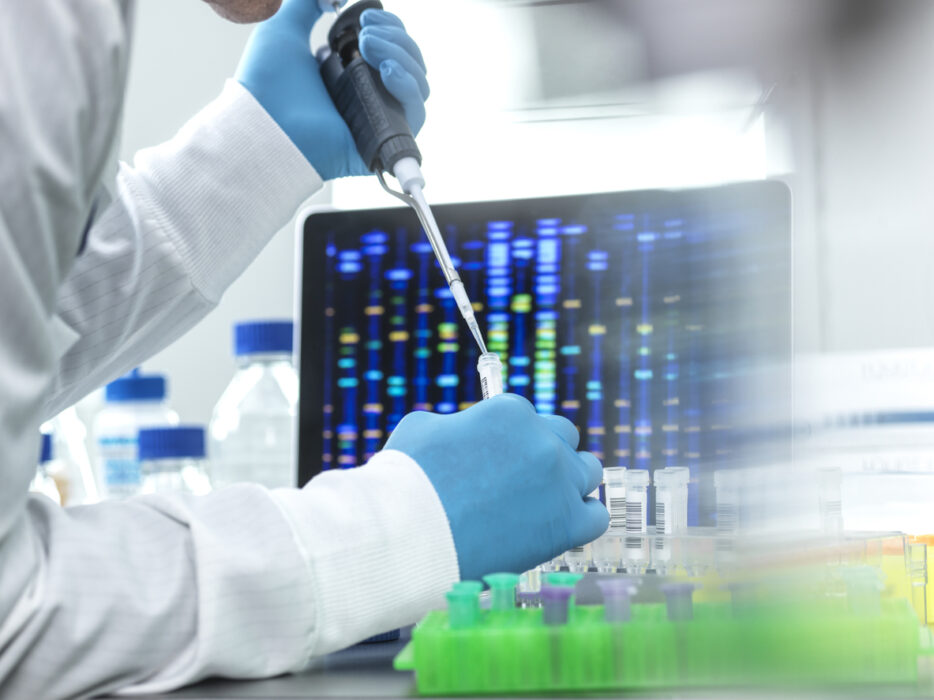
Researchers analyzed genetic material from over 300 ancient and modern human genomes, using advanced sequencing technology and artificial intelligence to model evolutionary timelines. The results were unmistakable—modern humans inherited DNA from two distinct populations that split long before Homo sapiens appeared.
The study’s precision marks a new era in genetic anthropology. By mapping subtle patterns in our DNA, scientists can now trace the invisible paths that brought humanity together after hundreds of thousands of years apart.
3. Two Populations, Worlds Apart
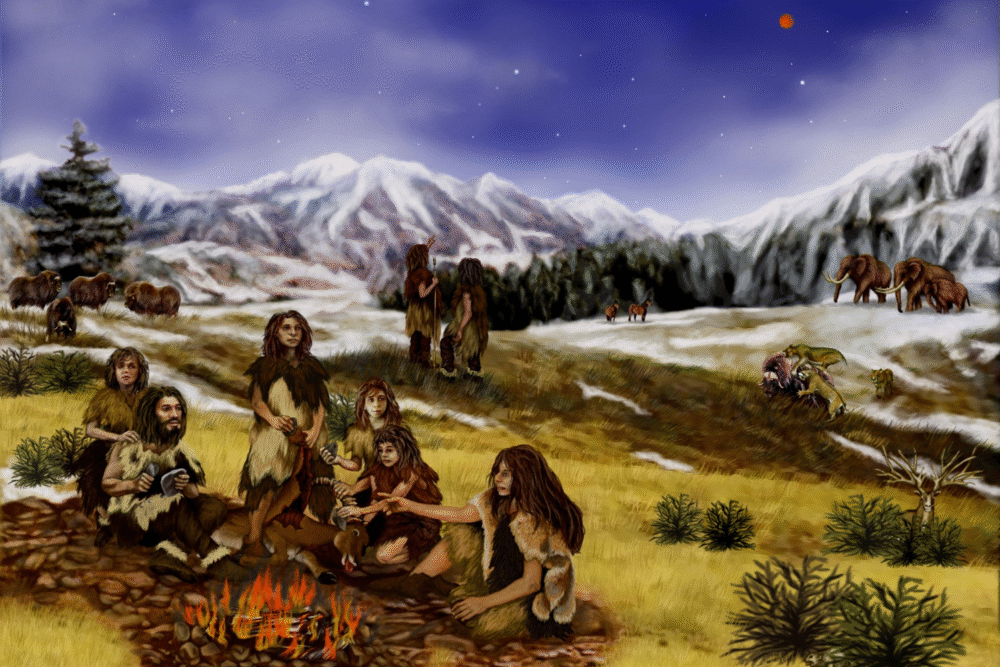
The first ancestral group likely evolved in Africa, adapting to the continent’s varied landscapes and heat. The second population may have lived further north, perhaps in Eurasia, where colder climates shaped different survival strategies.
For nearly a million years, these two groups lived separate lives. But when climate change or migration finally brought them together again, their interbreeding produced a genetic blend powerful enough to populate the planet — giving rise to every person alive today.
4. The Meeting That Changed Everything
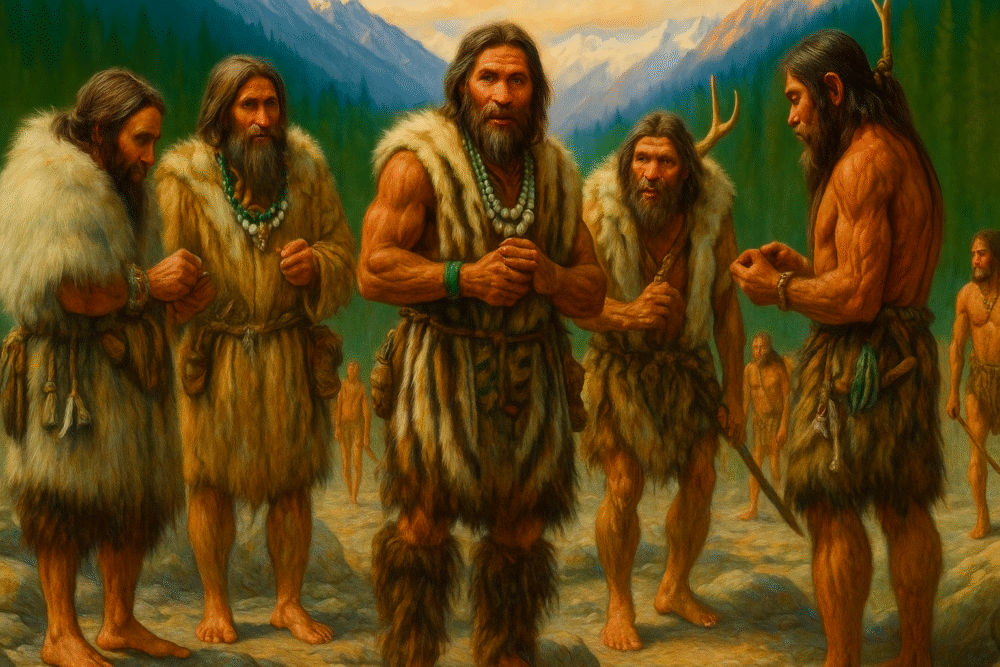
The merger of these ancient lineages may have been one of the most important moments in evolutionary history. Genetic mixing introduced new combinations of traits — from immune system defenses to brain development — that helped early humans adapt to any environment.
Scientists believe this fusion may have sparked the rise of modern behavior, language, and social cooperation. It was less a single event than a gradual, transformative process that unfolded over thousands of years, redefining what it meant to be human.
5. DNA Evidence Hidden in Plain Sight
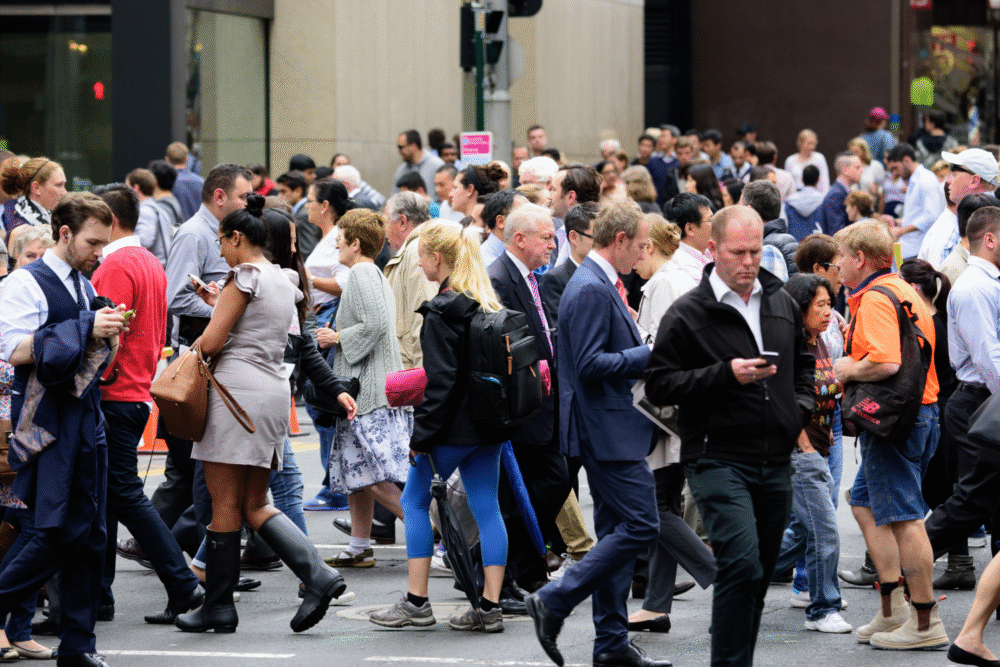
For decades, the clues were buried within our genomes. When researchers compared DNA from diverse populations worldwide, they found certain patterns that couldn’t be explained by random mutation or simple migration.
Instead, these patterns matched what would happen if two deeply separated populations had reunited. Every modern human—no matter their ancestry—still carries roughly 80% of genes from one group and 20% from the other, a living record of our species’ most important reunion.
6. The African Connection Runs Deep

The larger of the two populations almost certainly lived in Africa, where early humans had already evolved powerful survival skills. Fossil and genetic evidence show that Africa’s diversity was unmatched, providing a vast reservoir of genetic possibilities.
When this population encountered their long-lost relatives, the exchange of genes may have created hybrids with advantages in intelligence, endurance, and adaptability—traits that fueled humanity’s rapid expansion across the globe. Africa’s role as the heart of this fusion remains the cornerstone of our shared story.
7. The Mystery of the Second Population
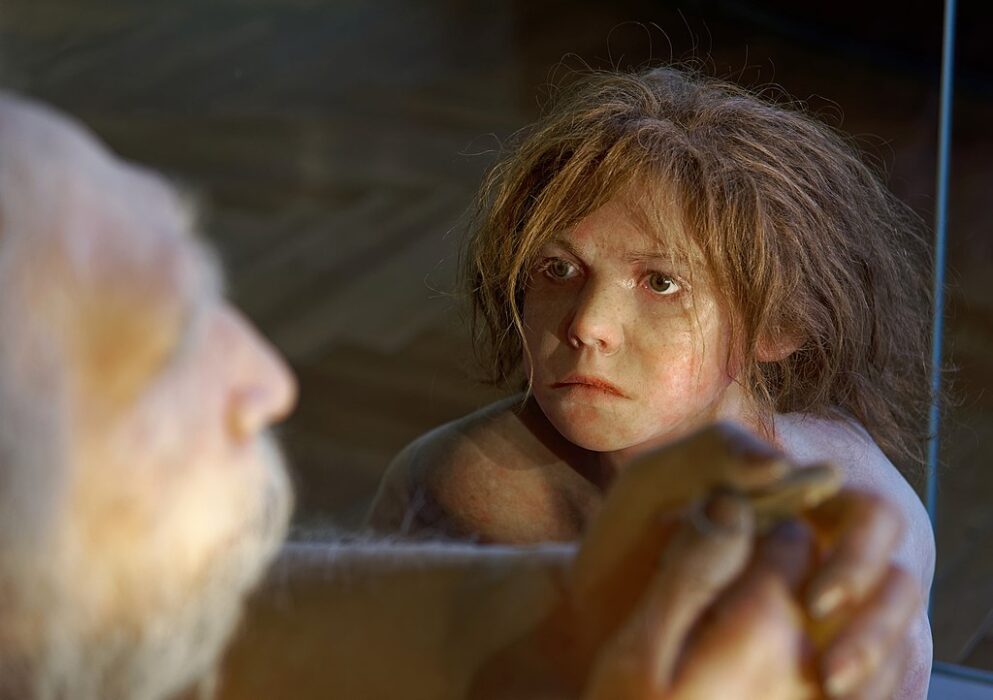
The smaller, long-separated group remains harder to locate. Some researchers think it may have lived in Eurasia, the Arabian Peninsula, or even North Africa’s outer regions. What’s clear is that their DNA contained traits different enough to stand out even after hundreds of millennia.
That distinct genetic heritage may explain subtle variations in immunity, metabolism, and physiology seen in people today. The mystery population may have disappeared physically, but genetically, its fingerprints are still written into every cell of the human body.
8. How AI Helped Crack the Code

Artificial intelligence was key to detecting the faint genetic echoes of this ancient merger. By simulating millions of possible evolutionary scenarios, the algorithms found the one pattern that consistently matched the data: two long-isolated populations merging about 300,000 years ago.
This approach allowed researchers to peer deeper into time than ever before—far beyond what fossils alone can reveal. It’s a glimpse into humanity’s earliest chapters, reconstructed not from bones or artifacts, but from the digital language of DNA.
9. What It Means for the Human Family Tree
The traditional “tree” of human evolution may now look more like a web. Instead of one continuous branch, scientists see a network of populations that split, evolved separately, and reconnected multiple times.
This discovery doesn’t replace the “Out of Africa” model—it enriches it. It shows that our origins were dynamic, shaped by movement, diversity, and interconnection. Humanity’s strength, it seems, was born not from isolation but from reunion.
10. Every Human Carries a Genetic Echo of the Past

The genetic blend created by those two populations still defines us today. From skin pigmentation and disease resistance to metabolism and cognition, many human traits reflect that ancient genetic partnership.
Even the smallest differences between populations are dwarfed by the vast similarities we all share. Beneath our diversity lies a unifying truth: every person walking the planet is a descendant of the same two ancestral groups that once found their way back to each other.
11. Why Scientists Call It a “Fusion Moment”

Researchers describe this ancient reunion as a “fusion moment” — a turning point when diversity became destiny. It marks the point when scattered branches of early humanity wove together into one interconnected species.
That fusion didn’t just combine DNA; it combined ideas, behaviors, and survival strategies. It was a genetic and cultural spark that set humans apart, enabling us to adapt faster and think more deeply than any species before us.
12. A Shared Past That Still Shapes Our Future

This discovery offers a powerful reminder: no matter where we live or what we look like, humanity is one extended family. Our ancestors didn’t just survive—they reunited, sharing their strengths to create something new.
In an era where division often dominates headlines, the science of our shared DNA tells a more hopeful story. The same cooperation that shaped our evolution may also be the key to our survival in the centuries ahead.