
Your microbiome is starving, and fermented foods are the answer.

Your gut isn’t just handling digestion—it’s basically the control center for your entire body. It influences your energy levels, immune function, and even your mood. But thanks to processed foods, stress, and antibiotic overuse, most people’s gut bacteria are completely out of balance. Bloating, sluggish digestion, and unexplained fatigue are all signs that your microbiome might be struggling.
Fermented foods are the easiest way to bring balance back. Unlike expensive supplements, they’re packed with naturally occurring probiotics that help improve digestion, support immunity, and enhance nutrient absorption. Plus, they actually taste good. Crunchy, tangy krauts, fizzy probiotic drinks, and savory umami-packed condiments don’t just support gut health—they make every meal more exciting. These microbiome-boosting superstars belong in your daily routine.
1. Give your gut a serious upgrade with sauerkraut.
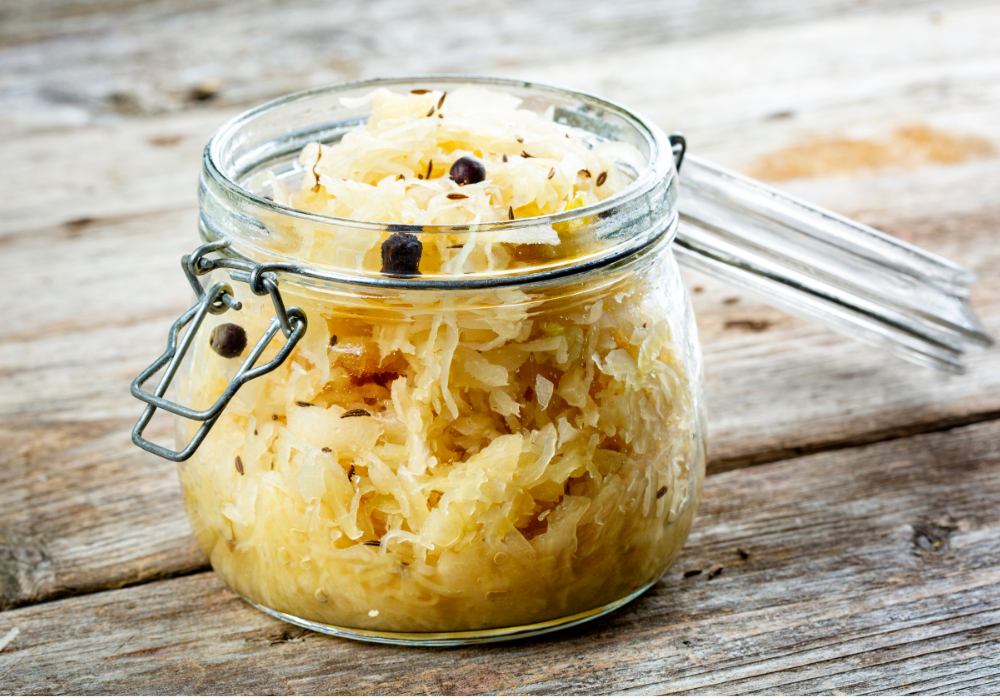
A tangy crunch and a gut-healing punch—sauerkraut delivers both. This fermented cabbage is brimming with lactobacillus bacteria, the kind that helps your digestive system break down food efficiently while keeping harmful bacteria in check. According to Alina Petre at Healthline, sauerkraut is also rich in fiber, vitamin C, and antioxidants, which support immune function and contribute to overall gut health.
But not all sauerkraut is created equal. The stuff sitting on regular grocery store shelves is usually pasteurized, meaning the beneficial bacteria are long gone. If you want the probiotic perks, go for raw, unpasteurized sauerkraut in the refrigerated section. Add it to grain bowls, tuck it into wraps, or eat it straight from the jar—your microbiome will thank you.
2. A little heat, a lot of probiotics—kimchi does it all.

Few foods bring the flavor and health benefits quite like kimchi. This spicy, fermented Korean staple is made from cabbage, radish, and a mix of garlic, ginger, and chili peppers. Beyond its bold taste, it’s teeming with beneficial bacteria that strengthen your microbiome, support digestion, and even help reduce inflammation.
It’s also rich in vitamins A, C, and K, along with fiber and antioxidants. As Maria Berentzen for Vogue writes, fermented foods like kimchi are rich in probiotics that can improve gut health and decrease inflammation. Because of its complex flavor, kimchi can elevate just about any dish. Toss it into stir-fries, pair it with rice and eggs, or even use it as a topping for tacos. If you’re looking for a way to add more fermented foods to your diet, kimchi is an easy—and addictive—place to start.
3. This probiotic drink puts yogurt to shame with its gut-boosting power.

Looking for an easy way to flood your gut with beneficial bacteria? Kefir is the answer. This fermented dairy drink contains a wider variety of probiotics than most yogurts, giving your digestion an even bigger boost. Per registered dietitian Amber Sommer, kefir contains probiotics and postbiotics that boost gut health and provide a number of other health benefits.
Another perk? It’s easier to digest than regular milk because the fermentation process breaks down lactose. That means even people with mild dairy sensitivities may tolerate kefir without issue. Enjoy it on its own, blend it into smoothies, or pour it over granola. With its rich texture and probiotic power, kefir makes gut health surprisingly delicious.
4. Miso is your secret weapon for gut-friendly flavor.

Fermented for months—or even years—miso is packed with live cultures that make your digestive system run smoother. This Japanese staple, made from fermented soybeans, rice, or barley, is loaded with probiotics that support gut health, amino acids that aid metabolism, and essential nutrients that keep your immune system strong.
The key to keeping its probiotics intact? Never boil miso. High heat destroys the live bacteria, so it’s best stirred into soups at the end of cooking or used raw in dressings, marinades, and sauces. Try spreading a bit onto roasted veggies, whisking it into a glaze for tofu, or mixing it into a salad dressing for a rich, umami-packed twist. However you use it, miso is a flavorful and functional addition to your gut-friendly diet.
5. Plant-based protein just got way better for your gut.
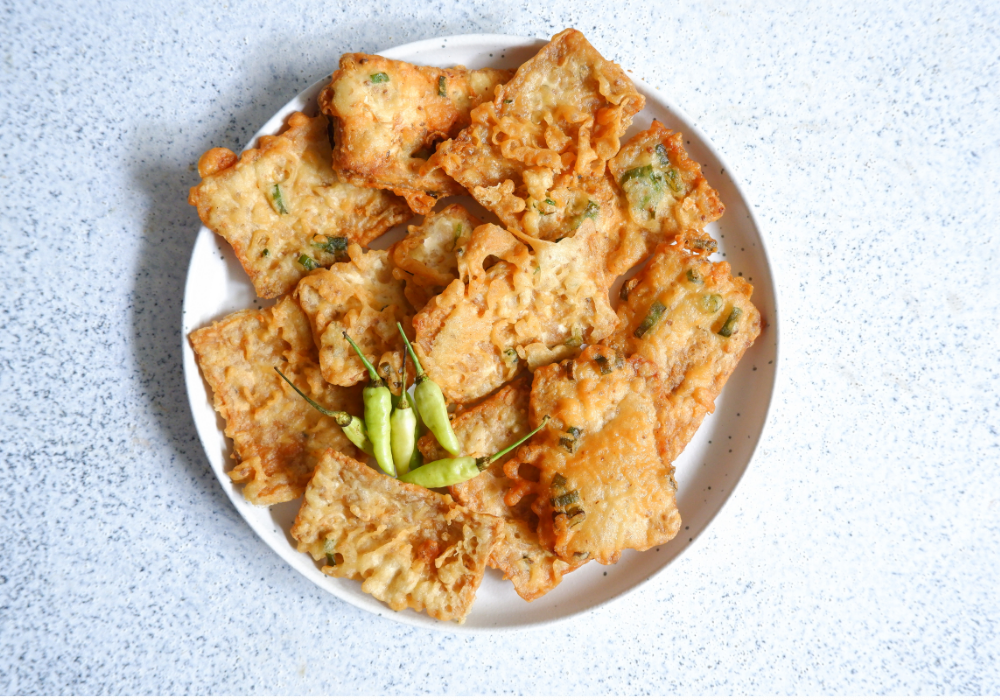
Not all meat alternatives are hard on digestion. Tempeh is made from whole, fermented soybeans, giving it an edge over ultra-processed plant-based proteins. Because it’s naturally fermented, it contains probiotics that help with digestion while delivering a hefty dose of protein, fiber, and essential minerals like iron and magnesium.
Thanks to its firm texture and slightly nutty flavor, tempeh is incredibly versatile. Slice it up for stir-fries, marinate it for sandwiches, or crumble it into grain bowls for a hearty, protein-packed meal. Whether you’re plant-based or just looking for a more gut-friendly protein source, tempeh is a solid choice.
6. Kombucha is the fizzy, gut-healing drink your stomach craves.

A refreshing, tangy sip of kombucha does more than just quench your thirst—it delivers a powerful dose of probiotics straight to your gut. This fermented tea is made by adding a symbiotic culture of bacteria and yeast (SCOBY) to sweetened tea, which kicks off a natural fermentation process that creates beneficial bacteria and organic acids that support digestion.
Drinking kombucha regularly can help reduce bloating, improve gut flora balance, and even provide antioxidants that fight inflammation. Unlike soda, which can disrupt gut health with excess sugar and artificial ingredients, kombucha gives your microbiome something to celebrate. But not all bottles are created equal—many store-bought versions sneak in too much sugar. For the best results, go for brands with low sugar content or brew your own at home for full control over the fermentation process.
7. Not all yogurt is probiotic—choose the kind that actually helps.

Yogurt is often marketed as a probiotic food, but not every cup on the shelf actually delivers gut benefits. Many commercial brands are packed with sugar, preservatives, and artificial flavors that cancel out the good bacteria. The real key to reaping the probiotic benefits of yogurt is choosing plain, unsweetened varieties with “live and active cultures” listed on the label.
Greek yogurt, skyr, and non-dairy options like coconut or almond yogurt can all be gut-friendly choices if they contain the right strains of beneficial bacteria. Probiotics in yogurt help restore balance in the microbiome, aid digestion, and even support the immune system. To keep things interesting, mix it with fruit, nuts, or a drizzle of raw honey. With the right kind of yogurt, you’re getting a creamy, satisfying snack that supports gut health instead of disrupting it.
8. Natto might be weird, but your gut bacteria will love it.
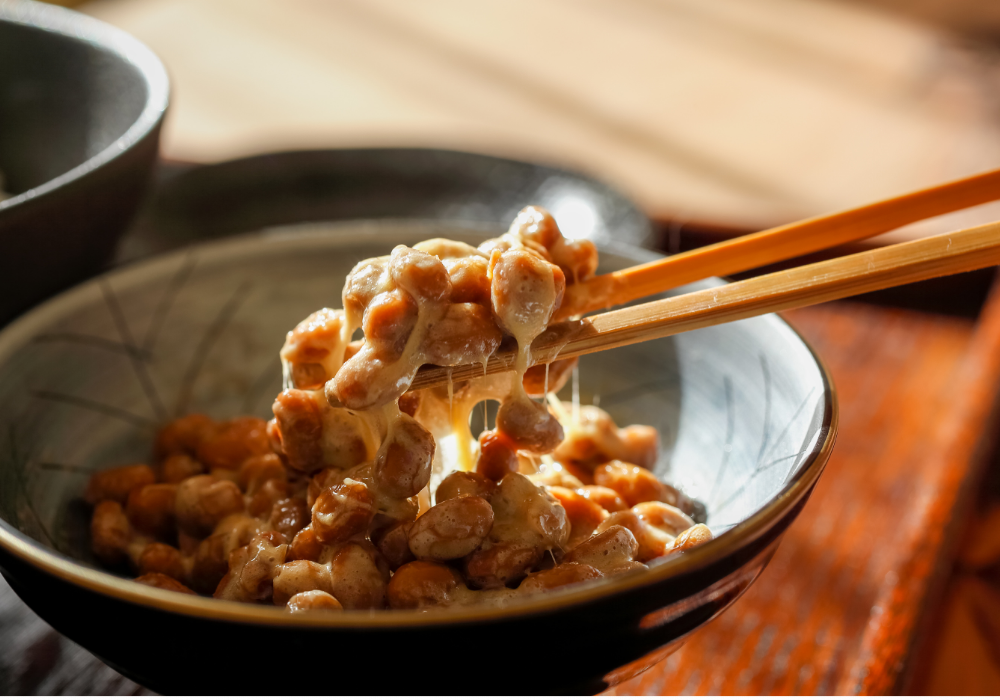
This sticky, stringy Japanese dish isn’t exactly love at first bite, but it’s one of the most powerful probiotic foods out there. Natto is made from fermented soybeans and is packed with Bacillus subtilis, a probiotic strain that helps with digestion and nutrient absorption. It’s also one of the richest sources of vitamin K2, which plays a critical role in bone and heart health.
Its unique, pungent flavor and gooey texture make it a bit of an acquired taste, but its benefits are undeniable. Traditionally eaten over rice with soy sauce and mustard, natto is a staple in Japan for good reason. If you’re feeling adventurous, adding natto to your diet could do wonders for your gut microbiome. And if the strong taste is too much? Try mixing it into dishes with bold flavors to ease into it.
9. If your pickles aren’t fermented, they’re just salty cucumbers.

A crunchy pickle might seem like a gut-friendly snack, but if it’s made with vinegar instead of fermentation, it won’t deliver any probiotics. Lacto-fermented pickles, on the other hand, are brimming with beneficial bacteria. These pickles are made by soaking cucumbers in a saltwater brine, allowing natural bacteria to ferment them over time.
This fermentation process creates gut-friendly probiotics that help digestion and promote healthy gut flora. Unlike vinegar-based pickles, which only provide acidity, lacto-fermented varieties help support a thriving microbiome. Look for jars labeled “raw” or “fermented” in the refrigerated section—shelf-stable pickles don’t contain live probiotics. Adding them to meals or eating them as a snack can give your gut a boost while delivering that classic crunchy, salty satisfaction.
10. Lassi is the cooling, probiotic-packed drink your digestion needs.

Lassi has been used for centuries in India as a natural digestive aid, and for good reason. This yogurt-based drink blends probiotic-rich dairy with water and spices, creating a smooth, cooling beverage that helps keep gut bacteria in balance. Traditional versions include spices like cumin, cardamom, or mint, which add anti-inflammatory and digestive benefits.
Drinking lassi alongside meals can improve digestion, especially if you’re eating spicy or heavy foods. Mango lassi, a popular sweet version, is a tasty way to enjoy probiotics while getting a dose of vitamins and fiber. Unlike sugary commercial probiotic drinks, homemade or traditionally prepared lassi provides live cultures without the excess additives. Whether you prefer it salty or sweet, this drink is an easy and delicious way to work more probiotics into your day.