
Inflation’s cooling, but the grocery aisle tells a different story — and it’s hitting your wallet hardest.

Inflation may be easing overall, but grocery prices are still inching up — and shoppers can feel it. According to new data from the Bureau of Labor Statistics, food-at-home costs rose about 2.7% over the past year, even as overall inflation cooled to near 2%. Some staples, like beef, coffee, and cereal, have jumped even higher due to persistent supply costs and labor shortages. Analysts say these “sticky” price increases are a reminder that while the broader economy is stabilizing, the grocery aisle is still catching up — and for many families, it remains one of the toughest places to save.
1. Inflation Has Eased — But Not for Groceries
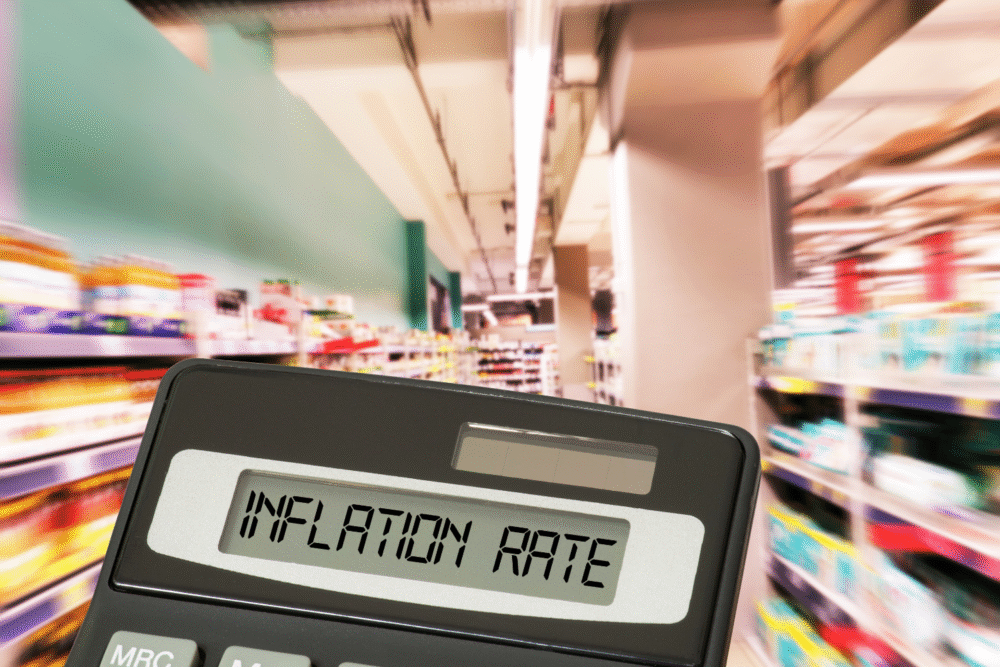
While overall inflation has slowed to around 2%, the cost of food at home continues to rise. According to the Bureau of Labor Statistics, grocery prices climbed roughly 2.7% over the past year. That may sound small, but after three straight years of sharp increases, even modest growth keeps budgets stretched.
Experts say food inflation is often the last to cool because production and shipping costs take longer to stabilize. The result: shoppers feel little relief when they reach the checkout, even as the economy shows broader signs of recovery.
2. Meat and Dairy Prices Lead the Way Up
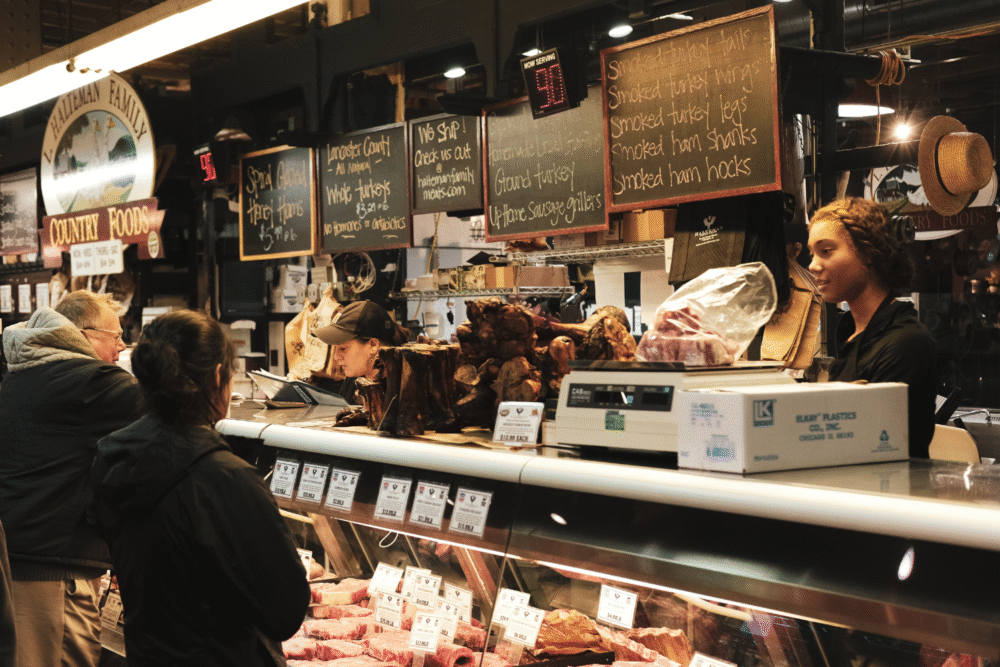
Items like beef, pork, and chicken are among the biggest contributors to higher grocery bills in 2025. Rising feed costs, drought conditions in key farming regions, and reduced cattle herds have pushed prices higher nationwide.
Dairy products — especially cheese and butter — have also seen notable increases. Farmers face elevated fuel and labor costs, and many are still recovering from pandemic-era supply disruptions. For consumers, that means staples like burgers, milk, and yogurt remain stubbornly expensive despite easing inflation elsewhere.
3. Produce Prices Are Still Unpredictable

Fresh fruit and vegetable prices continue to swing dramatically depending on region and season. Weather events — from droughts in California to hurricanes along the Gulf Coast — have disrupted growing cycles and transportation routes.
Experts say these fluctuations are likely to persist as climate variability affects yields. While some produce, like apples and potatoes, has dropped in price this year, others such as lettuce and citrus are significantly higher. For shoppers, it means produce aisles feel less predictable and more expensive than ever.
4. Coffee, Sugar, and Chocolate: Global Shortages Hit Home
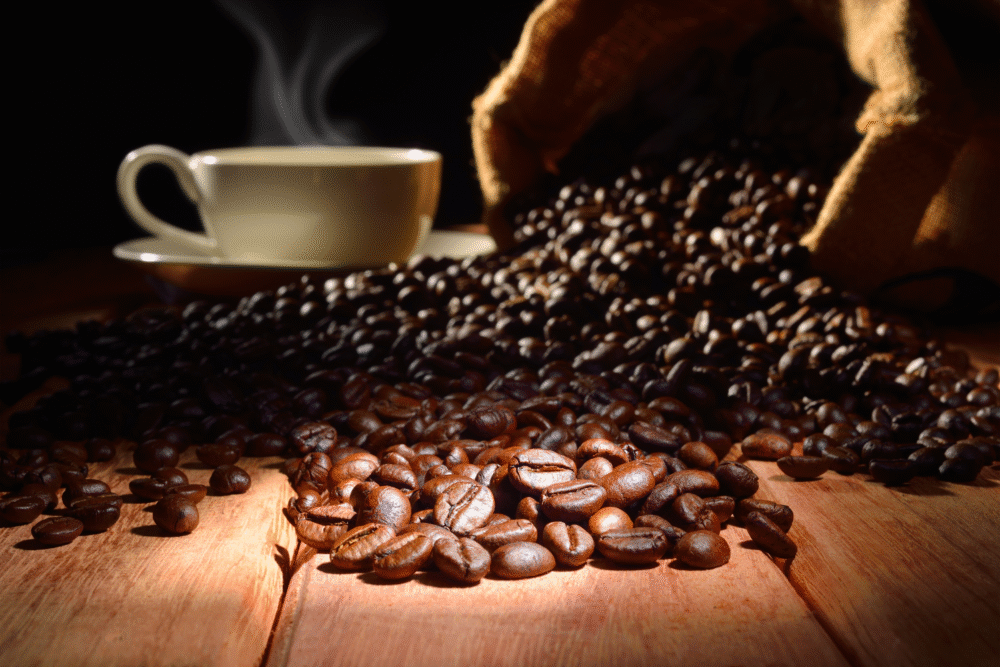
The rising cost of imported goods is another driver of grocery inflation. Coffee, sugar, and cocoa — all sensitive to global weather patterns — have surged due to droughts and crop failures in Brazil and West Africa.
These commodities trade globally, so shortages in one region quickly ripple through supply chains. Food companies pass higher import costs on to consumers. For millions of households, that translates into pricier morning coffee and sweets — small luxuries that now come with a bigger price tag.
5. Supply Chains Still Aren’t Fully Recovered
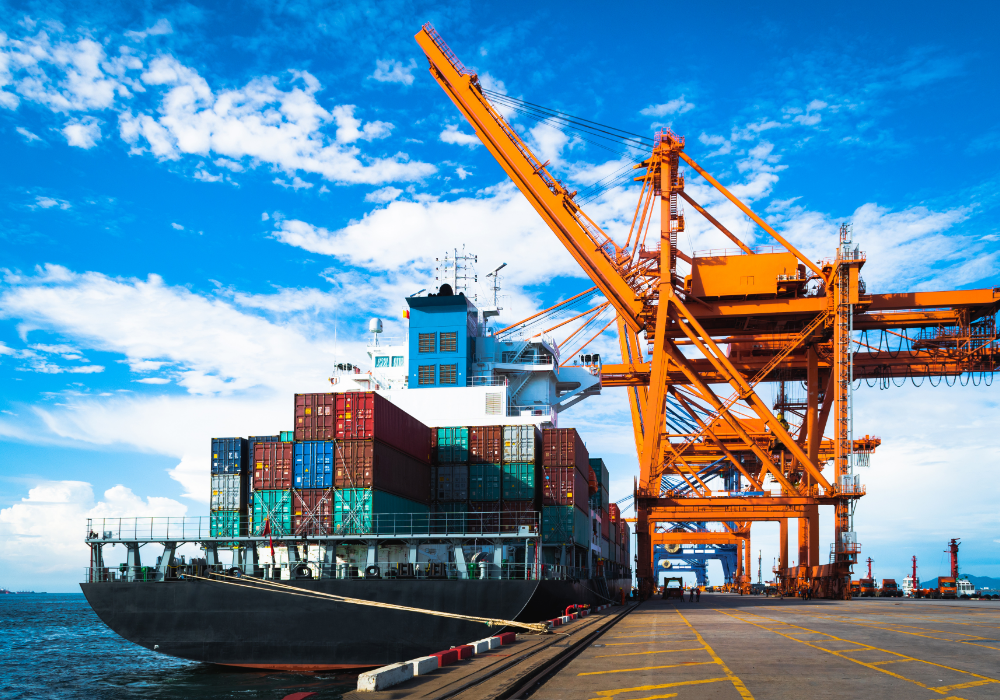
Although the pandemic-era bottlenecks have eased, supply chains remain fragile. Delays in shipping, labor shortages in trucking, and higher warehouse costs continue to add pressure on food distributors.
Even small disruptions can cause price spikes that last weeks or months. Economists call these lingering effects “post-pandemic inertia.” The system is moving again — but not smoothly. Until logistics networks fully stabilize, Americans can expect volatility on store shelves and in grocery budgets alike.
6. Packaging and Transport Costs Are Rising Again
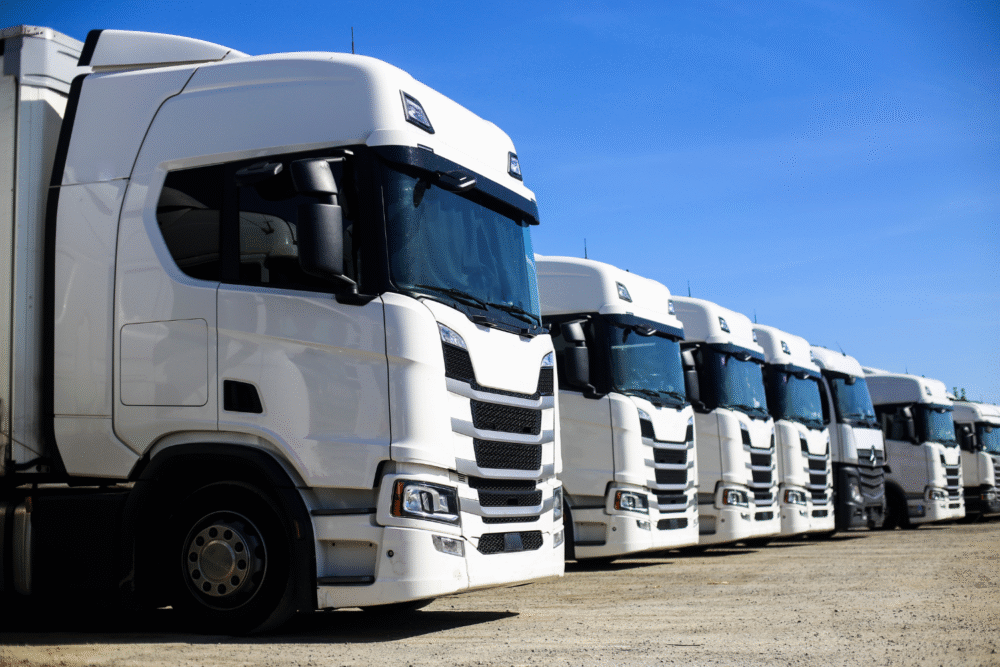
Higher oil prices this year have pushed up the cost of transportation and plastic packaging, which make up a surprisingly large share of grocery expenses. Every stage — from processing to delivery — depends on fuel.
Because retailers and manufacturers typically pass those expenses directly to consumers, a rise in diesel or shipping costs can quickly inflate prices across dozens of everyday items. Economists warn that even modest increases in energy prices can ripple across the entire food system within weeks.
7. Labor Shortages Keep Costs Elevated
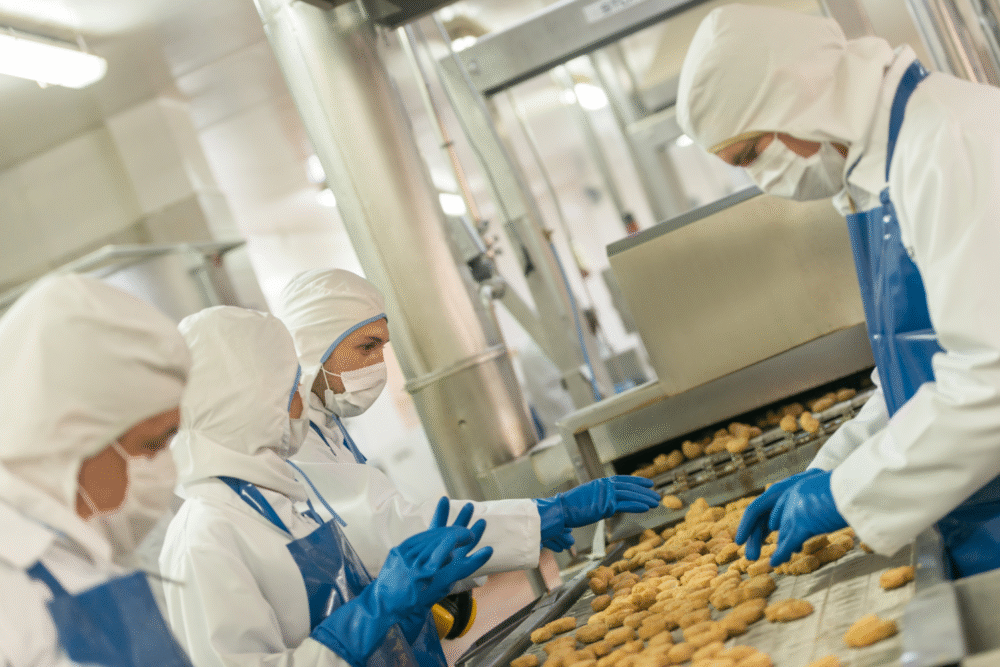
Many food producers and grocers still struggle to fill essential jobs. From farm labor to warehouse staff to truck drivers, shortages drive up wages — and ultimately, retail prices. The food industry’s wage costs are up about 5% compared with last year, according to the USDA.
Those higher labor costs are built into the price of nearly every item in your cart. Analysts say until hiring stabilizes, Americans will continue paying more for food — not because of greed or gouging, but because every link in the chain has gotten more expensive.
8. Discount Chains Are Thriving as Shoppers Adjust
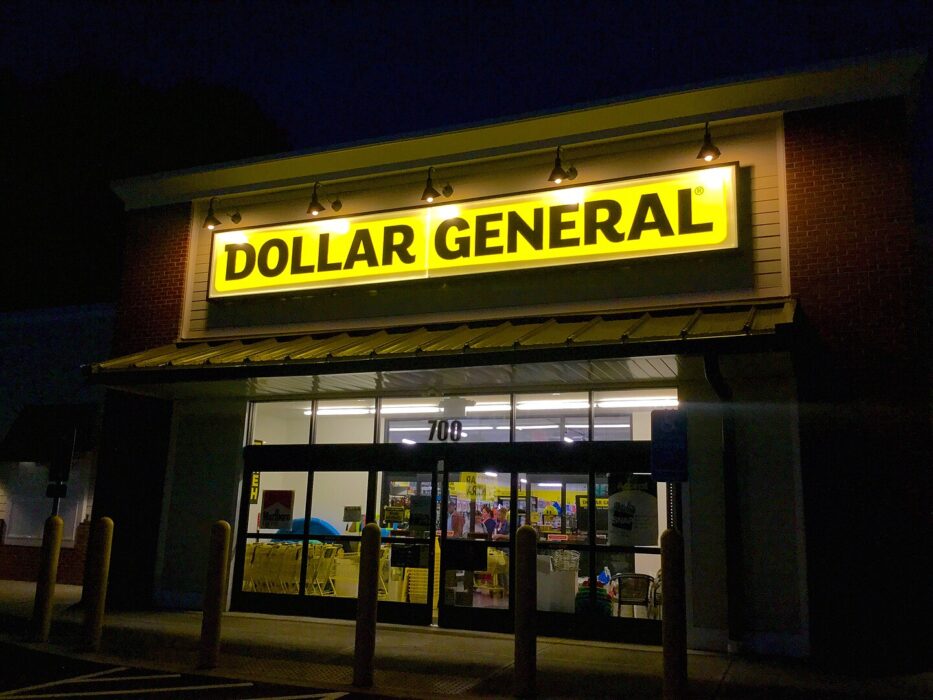
With prices still high, many households are turning to discount grocers like Aldi, Lidl, and Dollar General. These chains have seen steady growth as shoppers look for ways to stretch budgets without sacrificing essentials.
Private-label products — store-brand goods that cost 20–30% less than name brands — are also booming. Consumer surveys show that nearly 60% of shoppers now prefer them to reduce costs. The grocery market is shifting as people prioritize value and adjust habits to survive persistent price pressure.
9. Regional Differences Are Growing Wider
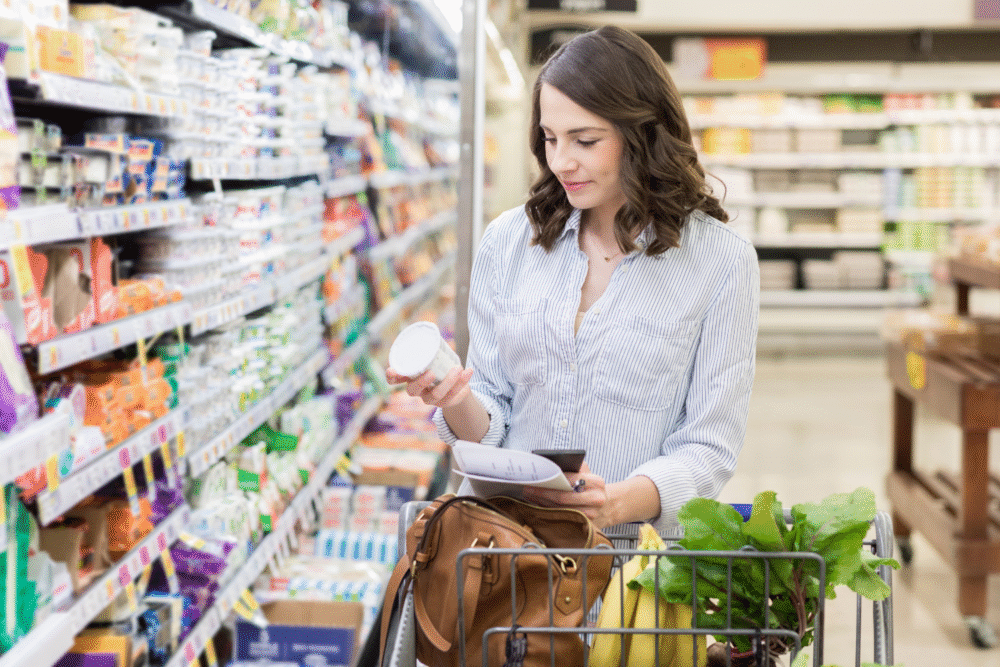
Food costs vary sharply depending on where you live. Government data shows grocery bills rising fastest in the South and West, while prices in parts of the Midwest have stabilized. Transportation distances, local wages, and weather patterns all play a role.
In cities like Phoenix, Miami, and Dallas, the combination of population growth and supply strain has driven prices far above the national average. Meanwhile, some Midwest states have benefited from local production and shorter supply chains. Geography now plays a bigger role than ever in how far a paycheck goes.
10. Families Are Buying Less — and Wasting Less

Faced with stubbornly high prices, families are adapting. Surveys show Americans are cutting back on snacks, processed foods, and premium brands, opting for essentials and bulk purchases instead.
At the same time, food waste is declining. With every dollar stretched tighter, shoppers are planning meals more carefully and using leftovers creatively. Economists say this shift in behavior — while driven by necessity — could have lasting benefits for household budgets and the environment alike.
11. Relief May Be Coming, But Not Soon

Economists predict grocery prices will begin to level off later in 2025, assuming stable fuel costs and good harvests. However, few expect a return to pre-pandemic prices. Structural costs — from labor to packaging — have permanently reset higher.
In short, groceries may stop getting more expensive, but they’re unlikely to get much cheaper. Experts say that means Americans will need to adjust to a “new normal” at the checkout line — one where food remains a larger share of the household budget than it was just a few years ago.