
They harvest the nation’s food and build its cities, yet millions of migrant workers live in near invisibility.
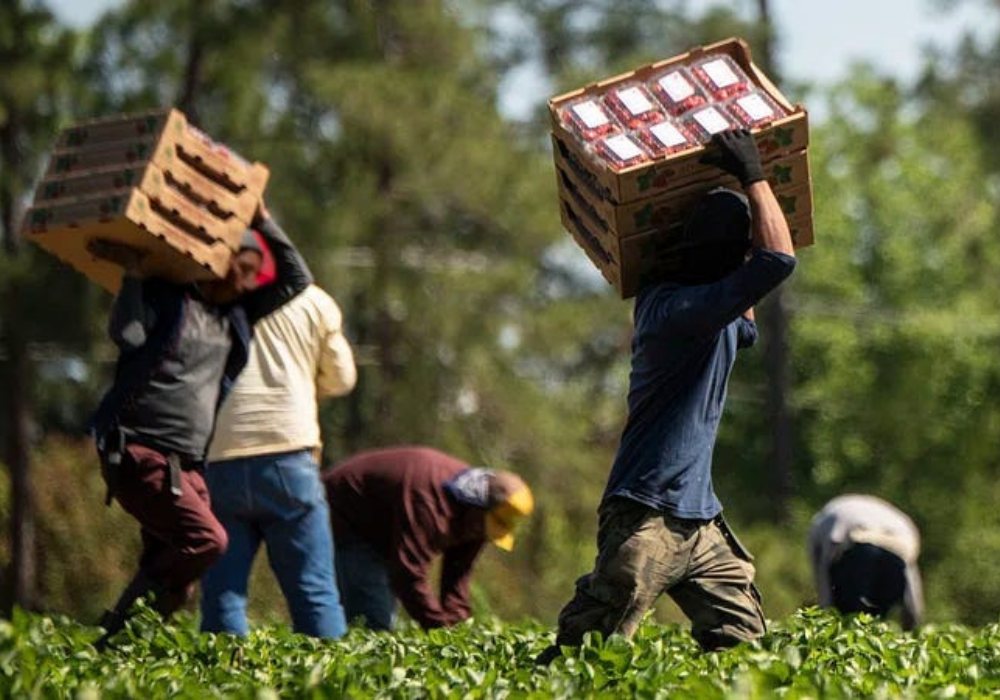
Across the United States, millions of migrant workers wake before dawn to pick fruit, pack produce, or work construction — jobs that keep the country running but rarely make headlines. Many travel thousands of miles each year, following seasonal harvests from state to state. Despite their essential role, most earn low wages, lack health care, and face grueling conditions under the sun. Advocates say these workers are the backbone of America’s food supply and economy, yet remain largely unseen. Their stories reveal the human cost — and quiet dignity — behind the nation’s everyday abundance.
1. The Backbone of America’s Food System
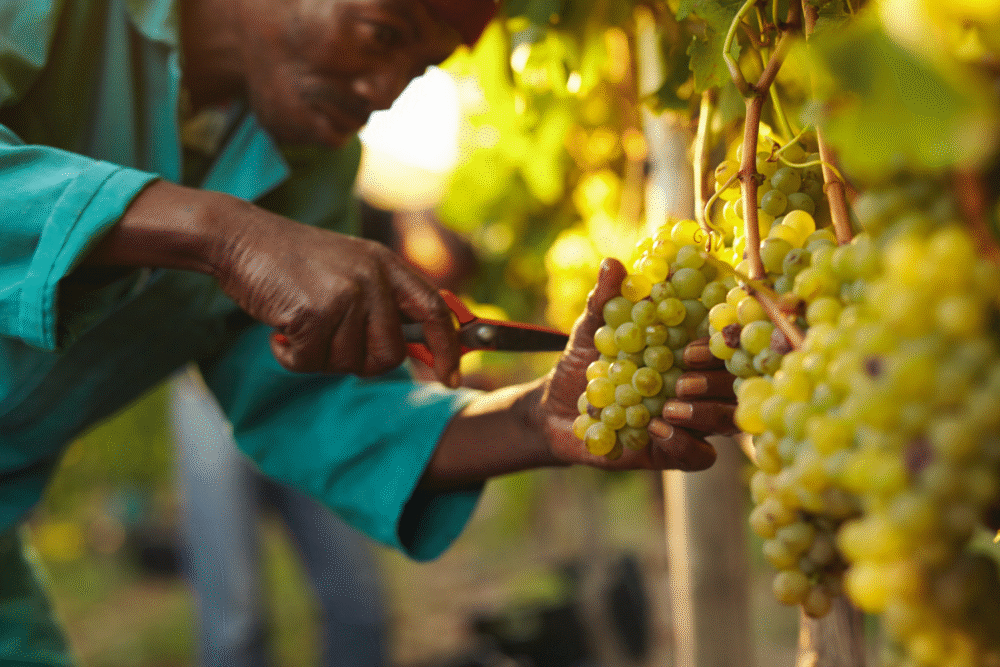
An estimated 2.4 million farmworkers power the U.S. agricultural industry, and the vast majority are migrants, according to the U.S. Department of Agriculture. Many are from Mexico and Central America, though workers also come from Asia, Africa, and the Caribbean.
They pick the fruit, harvest the vegetables, and process much of the meat and dairy that stock grocery shelves nationwide. Without them, large-scale farming would collapse. Yet despite being essential to the economy and food security, most migrant workers remain invisible — earning poverty-level wages for backbreaking labor that sustains the nation.
2. Long Hours Under a Relentless Sun
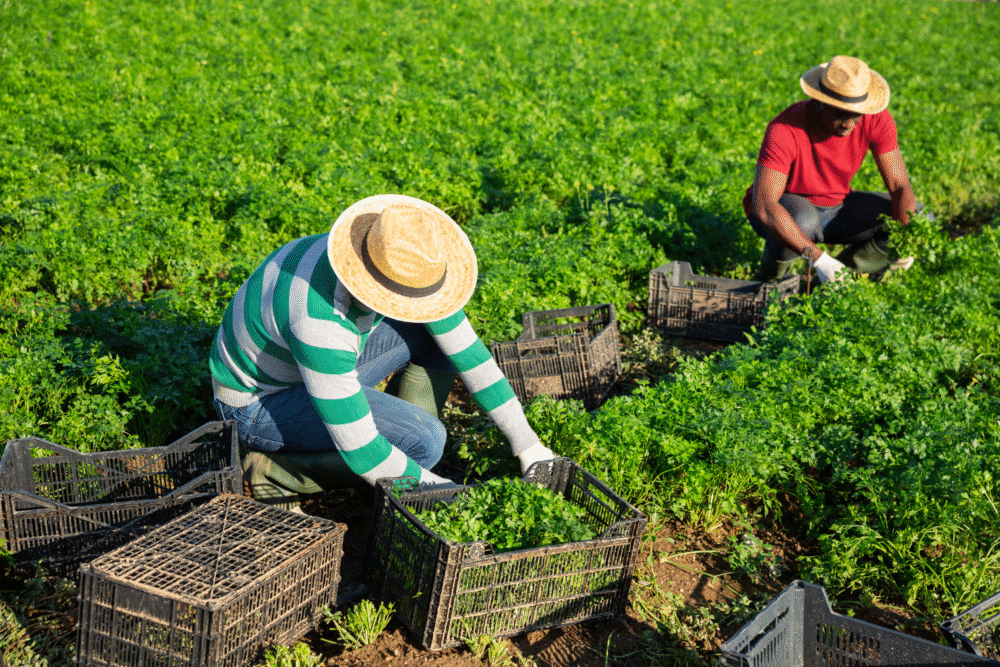
Migrant labor often means 10- to 12-hour shifts in fields where temperatures can top 100 degrees. The Centers for Disease Control and Prevention has documented hundreds of heat-related illnesses among agricultural workers each year, and advocates say many cases go unreported.
Workers frequently lack shade, rest breaks, or access to clean drinking water. Because they’re paid by the amount harvested, taking a break can mean losing income. These conditions, experts note, are some of the most physically demanding in any U.S. industry — and among the least protected by labor laws.
3. Wages That Barely Cover Survival
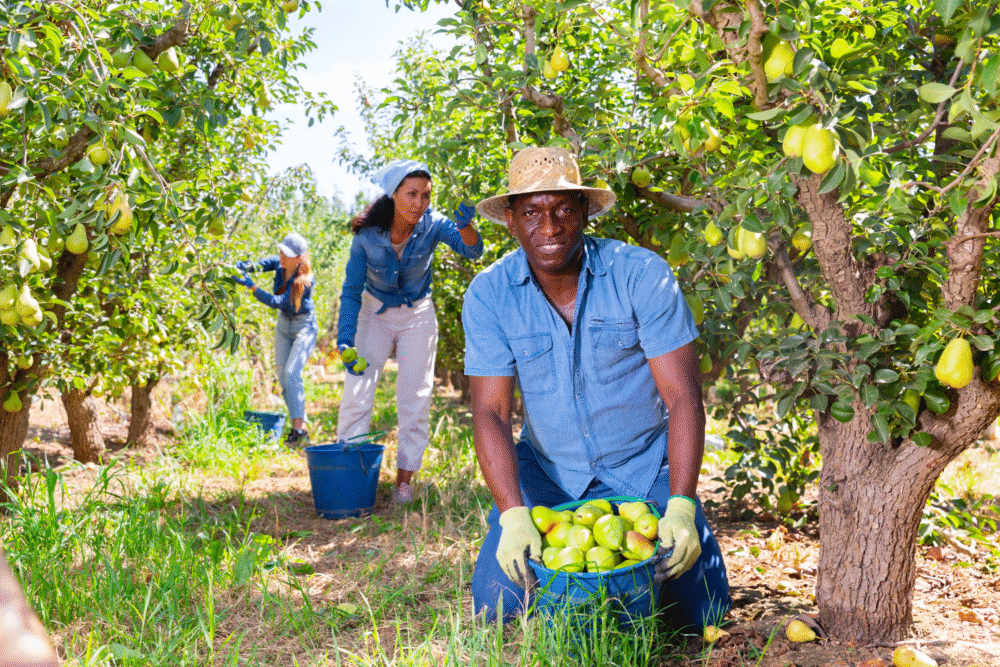
The U.S. Department of Labor reports that the average farmworker earns between $15,000 and $18,000 per year — well below the federal poverty line for a family of three. Many are paid piece-rate, meaning their earnings depend entirely on how much they can pick or pack in a day.
Employers may also deduct fees for housing, transportation, and work equipment, further reducing take-home pay. Some workers live on-site in crowded housing provided by labor contractors, while others sleep in cars or temporary camps. Economic insecurity defines their lives, even as they perform work that feeds millions.
4. Housing That Few Americans Ever See
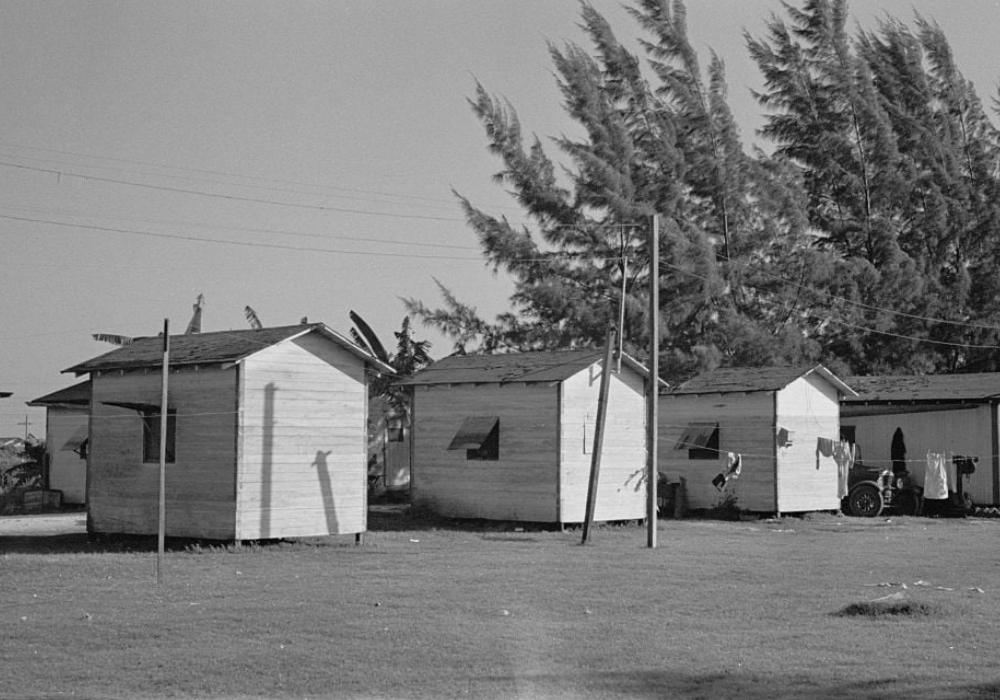
Many migrant workers live in cramped and unsanitary housing, sometimes shared among multiple families. Reports from advocacy groups and state labor agencies describe conditions ranging from broken plumbing to lack of air conditioning during heat waves.
The Department of Labor requires that employer-provided housing meet safety standards, but enforcement is inconsistent. In rural areas, isolation makes oversight difficult, leaving workers vulnerable to neglect. For seasonal migrants, “home” can be a series of temporary bunkhouses, motels, or trailers — none of which provide stability or privacy.
5. Fear of Deportation and ICE Raids
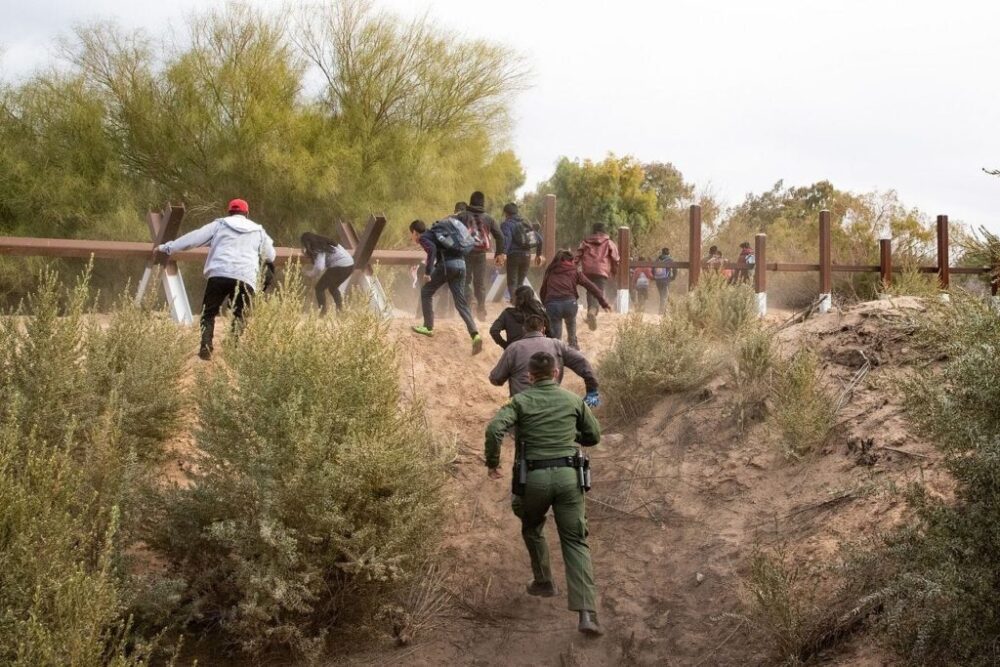
A large portion of America’s migrant labor force is undocumented — estimated at nearly half by the Pew Research Center. That reality fuels constant fear of deportation. Many workers avoid reporting abuses, wage theft, or unsafe conditions because they worry about being detained by Immigration and Customs Enforcement (ICE).
This fear allows some employers to exploit workers with impunity. Even legal visa holders, such as those on H-2A agricultural visas, often stay silent about mistreatment to avoid jeopardizing future work opportunities. Advocates argue that the system creates a climate of fear that discourages justice and accountability.
6. Families Separated by Borders
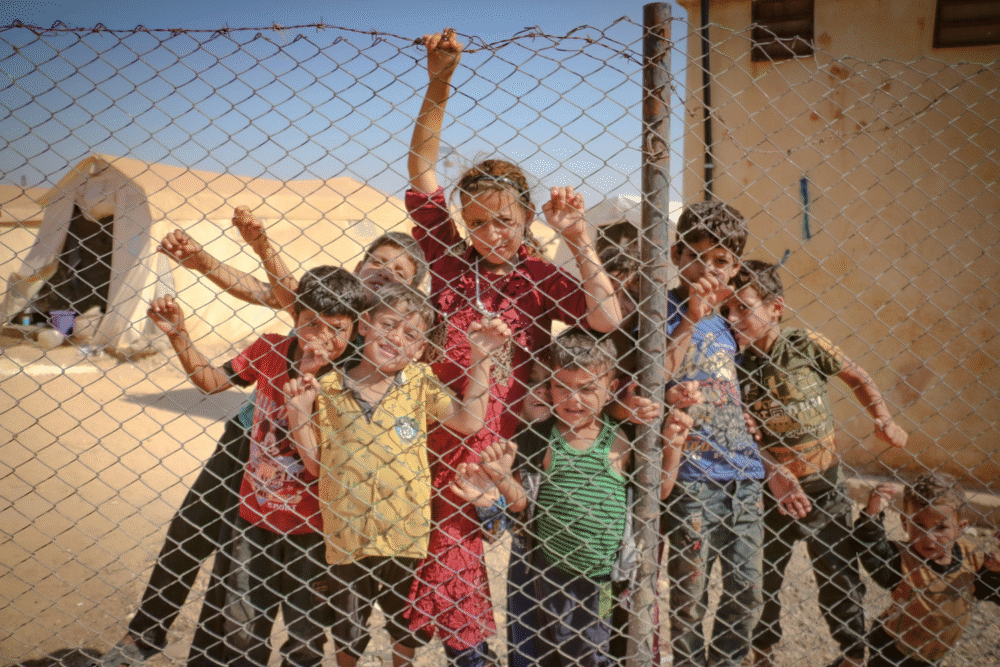
Many migrant workers leave children and spouses behind in their home countries, sending money through remittances that sustain entire communities abroad. According to the World Bank, Mexican workers in the U.S. sent more than $60 billion home in 2023 — a record high.
But these remittances come at a steep emotional cost. Some workers spend years away from family, missing milestones and relying on phone calls to stay connected. The migration cycle creates deep social strain, with many families trapped between the need for income and the pain of prolonged separation.
7. Health Risks Without Healthcare
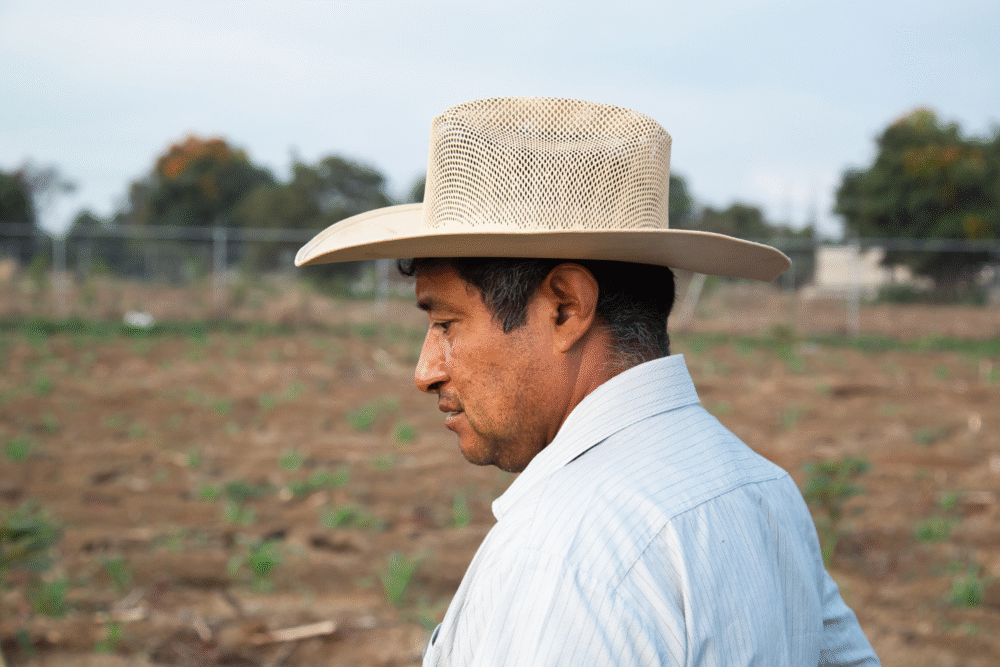
Farmworkers experience higher rates of injury and illness than nearly any other U.S. occupation. Pesticide exposure, repetitive stress injuries, and chronic pain are common. Yet many lack health insurance and access to medical care due to cost, immigration status, or isolation in rural areas.
Mobile health clinics and nonprofit organizations provide some outreach, but coverage gaps remain enormous. For many, the only option is self-treatment or waiting until an injury becomes severe. Public health researchers warn that this neglect not only harms workers but also undermines the resilience of the entire food system.
8. Children Who Work Beside Their Parents
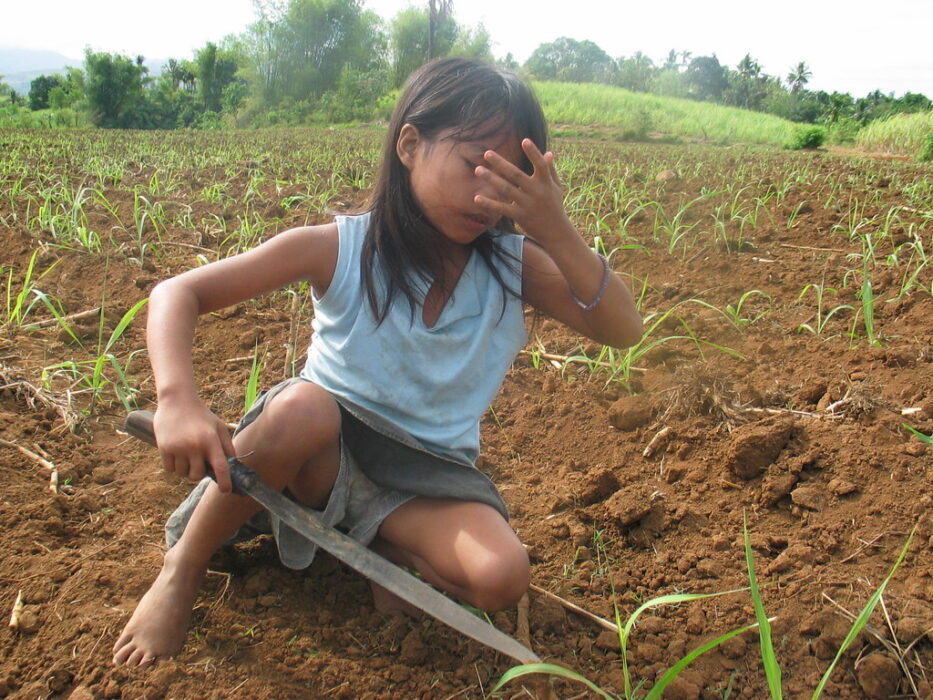
Although federal law limits child labor, exceptions for agriculture allow children as young as 12 to work in the fields under certain conditions. The U.S. Department of Labor estimates that hundreds of thousands of children are employed in agriculture each year.
These young workers often miss school, suffer injuries, or develop health problems from exposure to heat and pesticides. Advocates have called for closing the “agricultural loophole,” arguing that no child should face such conditions — especially in an industry essential to national food production.
9. The H-2A Visa: Opportunity and Exploitation
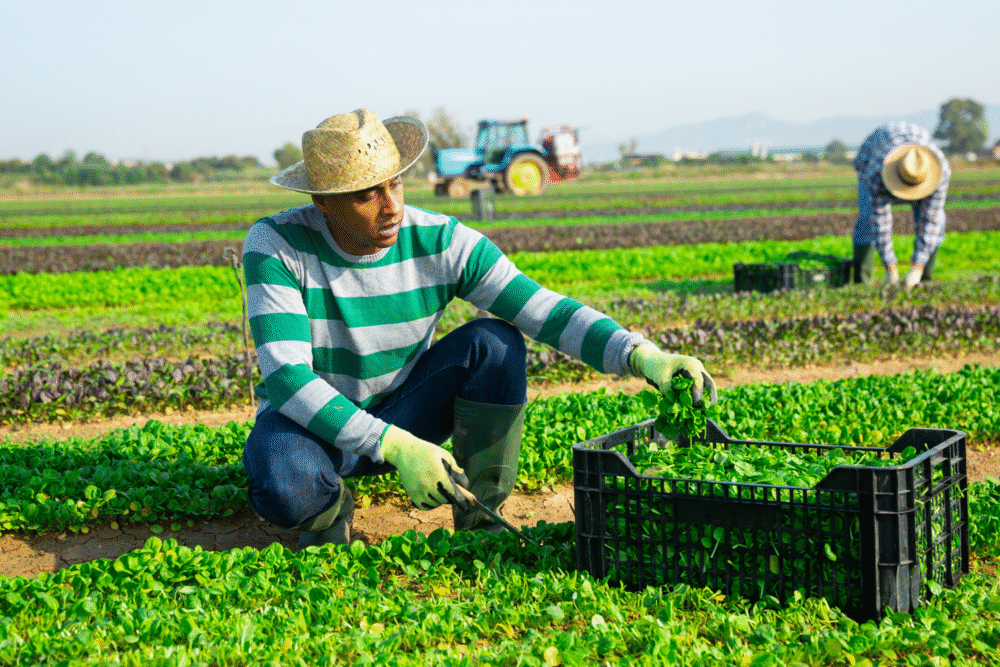
The H-2A guest worker program legally brings more than 370,000 foreign workers to the U.S. each year to fill temporary agricultural jobs. While it provides a legal avenue for work, critics say it often enables exploitation.
Workers depend entirely on their employers for visas, housing, and transport, creating a power imbalance ripe for abuse. If they speak out or quit, they can lose both their job and legal status. Government audits have documented cases of wage theft, unsafe housing, and even forced labor — problems advocates say demand urgent reform.
10. The Invisible Backbone of the Pandemic

During the COVID-19 pandemic, migrant farmworkers were deemed “essential” but often lacked protective equipment, paid sick leave, or access to testing. Thousands fell ill while ensuring grocery stores remained stocked. Studies later found farmworkers were several times more likely to contract COVID-19 than the general population.
Despite their essential designation, many received no hazard pay or job protection. Their sacrifices kept the nation fed, but their risks went largely unacknowledged. Public health experts say the pandemic exposed deep inequities that persist across America’s agricultural workforce today.
11. The Fight for Fair Treatment
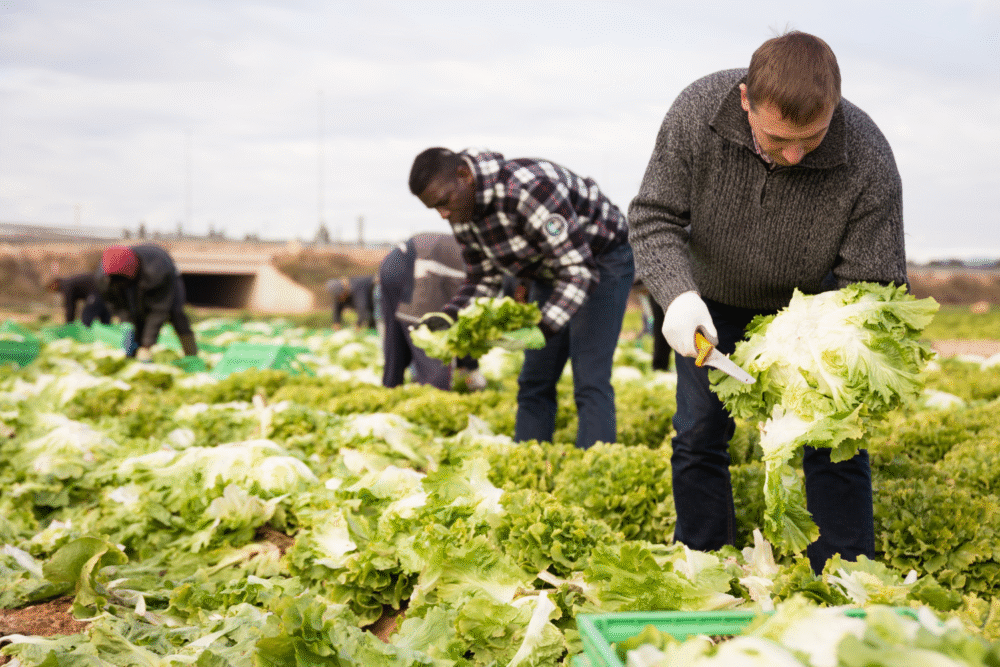
Grassroots organizations like the United Farm Workers, Coalition of Immokalee Workers, and Farm Labor Organizing Committee continue to push for stronger protections, higher wages, and humane working conditions. Their advocacy has led to victories, such as agreements with major food retailers to uphold fair labor standards.
Yet progress is slow and enforcement uneven. Many migrant workers still lack union representation or legal safeguards. Activists argue that true reform requires federal action — from stronger labor inspections to pathways to citizenship for the workers who sustain the nation’s most vital industries.
12. Hope, Dignity, and the American Dream
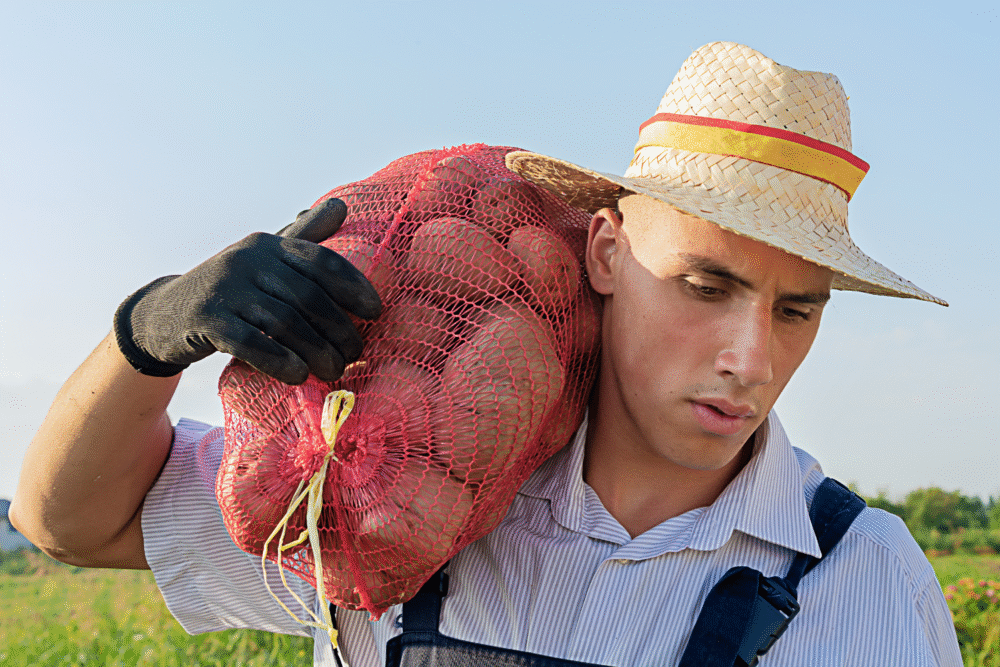
Despite hardship, migrant workers continue to embody resilience and hope. Many see their sacrifices as part of a larger story — a pursuit of opportunity, stability, and a better life for their families. Communities, churches, and local nonprofits often provide crucial support, offering education, medical aid, and a sense of belonging.
Their experiences highlight both the promise and paradox of America: a nation built on hard work that often overlooks its hardest workers. Their perseverance, courage, and humanity remind us that behind every meal, there is a story — and a person — worth seeing.