
Colleges are rewriting majors so every student — from business to art — learns about the climate crisis.
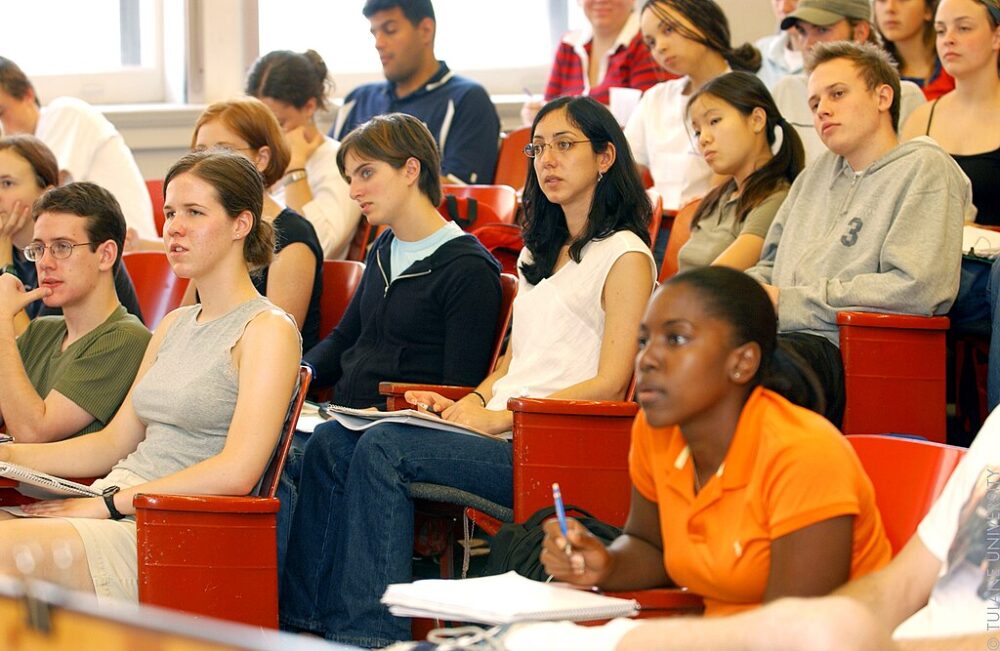
At campuses across the country, climate literacy is no longer optional — it’s becoming part of every college degree. From economics to architecture and even philosophy, universities are redesigning their courses to weave environmental themes into nearly every subject. The movement reflects a growing belief that understanding climate change isn’t just for scientists — it’s a basic skill for living and working in the 21st century. Professors call it “the new liberal arts,” an educational shift meant to prepare graduates not just for jobs, but for a world already shaped by climate disruption.
1. The Rise of Climate Literacy in Higher Education
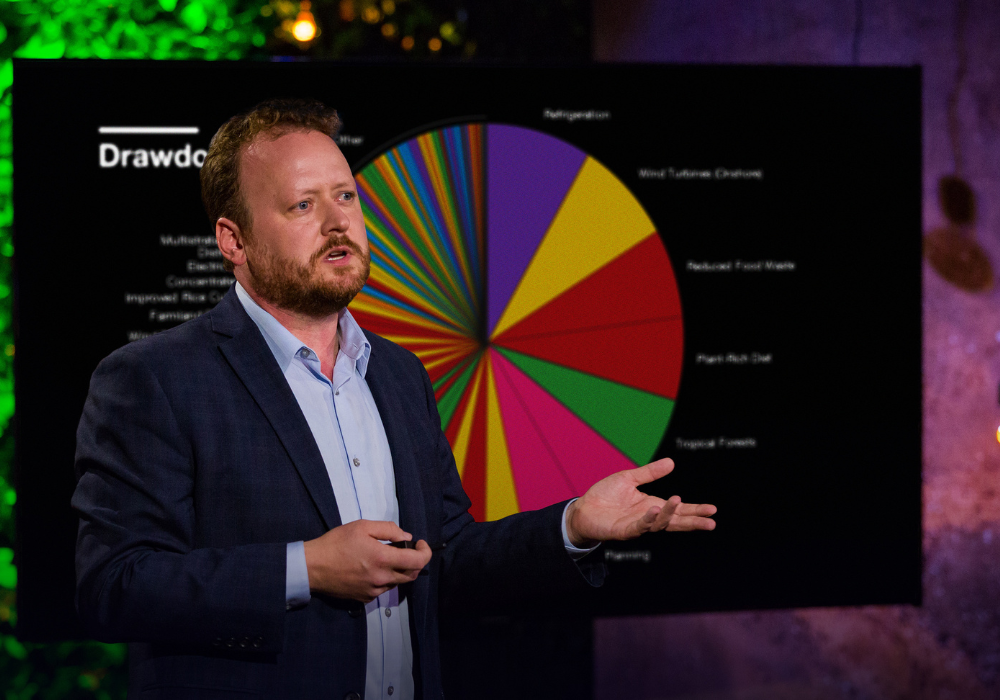
Across the U.S., colleges are rethinking what it means to be educated in an era of environmental crisis. Climate literacy — once reserved for science majors — is now being woven into courses from journalism to psychology.
Universities say understanding the climate system is as essential as math or writing. As students enter a world shaped by fires, floods, and global warming, educators argue they must graduate with the tools to navigate it. What began as a niche initiative is quickly transforming into a national academic movement.
2. From Optional Elective to Core Requirement

A decade ago, students interested in climate change could choose to take specialized electives. Today, many schools are making such coursework mandatory. Institutions like the University of California system, Arizona State University, and Tufts are leading the charge.
These schools now require all undergraduates to complete sustainability or climate-focused classes before earning a degree. The change reflects a growing consensus: the climate crisis touches every discipline, and no field can afford to ignore it.
3. Why Climate Change Is Called “the New Liberal Arts”

Educators increasingly describe climate change as “the new liberal arts” because it connects science, ethics, history, politics, and culture. Like philosophy or literature, it teaches students to think critically about human behavior — but through the lens of the planet’s survival.
Professors say climate literacy encourages systems thinking: understanding how economics, technology, and nature intersect. That interdisciplinary approach mirrors the challenges graduates will face — from corporate sustainability jobs to policymaking roles that demand cross-sector problem-solving.
4. The Push From Students Themselves

Much of this transformation began with students demanding change. Campus climate strikes, sustainability clubs, and divestment campaigns have put pressure on administrations to act.
Surveys show that Gen Z students overwhelmingly want their degrees to align with environmental values. They’re choosing programs that prepare them for climate-related careers or activism. In response, universities are adapting to meet both moral and market expectations — reshaping entire departments in the process.
5. How Non-Science Majors Are Getting Involved
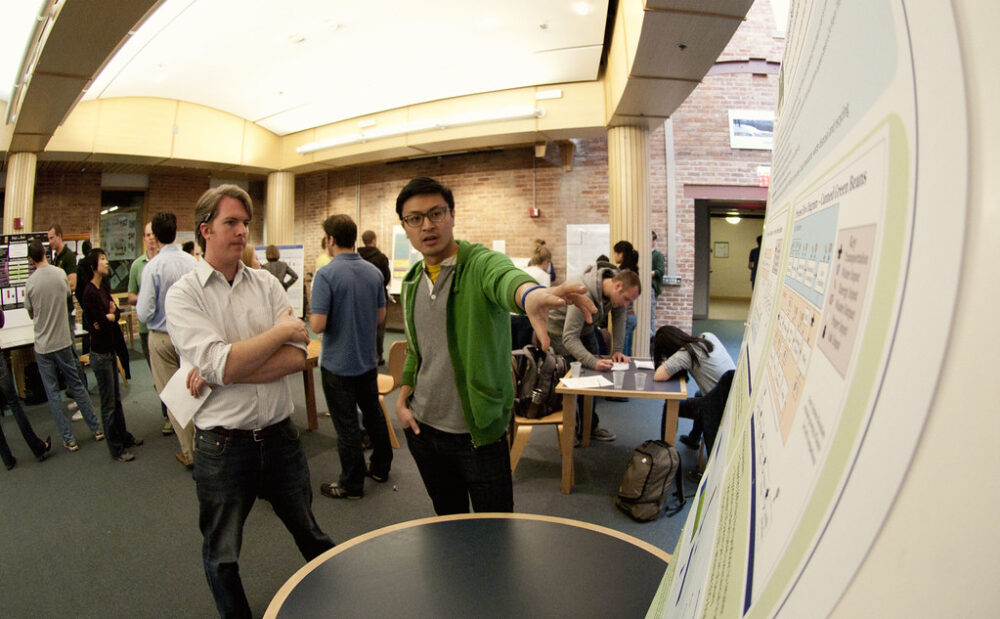
Art students are studying the visual language of environmental storytelling. Business majors are learning about carbon accounting. Even nursing students are being trained to recognize the health impacts of extreme heat and pollution.
Colleges say the goal isn’t to turn everyone into a climate scientist — it’s to ensure every graduate understands the stakes of global warming. The result is an academic culture where sustainability is no longer a separate topic but a shared foundation across disciplines.
6. Professors Rethink How They Teach Every Subject

To make climate education universal, professors are rewriting syllabi across the board. Economists are adding sections on green finance. Historians are reexamining the Industrial Revolution through the lens of emissions. Literature departments are exploring eco-criticism and environmental themes in classic texts.
The shift has required new training and collaboration among faculty. But many say it has revitalized their teaching — helping students see how their chosen field connects to real-world challenges unfolding beyond the classroom.
7. Employers Are Asking for Climate-Savvy Graduates

Corporate recruiters increasingly want graduates who understand sustainability metrics, environmental regulations, and carbon disclosure rules. That demand is fueling universities’ push to produce climate-literate workers.
From Fortune 500 companies to startups, employers say environmental awareness is now part of professional competency. Business schools are expanding “green MBA” programs, while engineering departments emphasize renewable energy design. The message is clear: climate understanding isn’t a niche skill anymore — it’s a competitive advantage.
8. Funding and Partnerships Drive the Shift
Private donors and federal agencies are helping accelerate this educational revolution. The National Science Foundation, the Department of Energy, and major philanthropies have funded climate curriculum development and sustainability centers.
These partnerships not only provide resources but also connect students with real-world projects — from campus solar installations to coastal resilience research. The collaboration ensures that classroom learning translates into hands-on experience, preparing graduates to tackle environmental problems beyond academia.
9. Challenges in Implementation

Not all universities have embraced the idea equally. Some professors worry about overhauling established curricula, while others lack institutional funding or administrative support.
There’s also debate about how prescriptive climate education should be. Should every student be required to take the same course, or should each major integrate its own version? Despite these challenges, momentum is building — and more institutions are finding creative ways to embed climate awareness into their degree programs.
10. Climate Education as a Tool for Hope
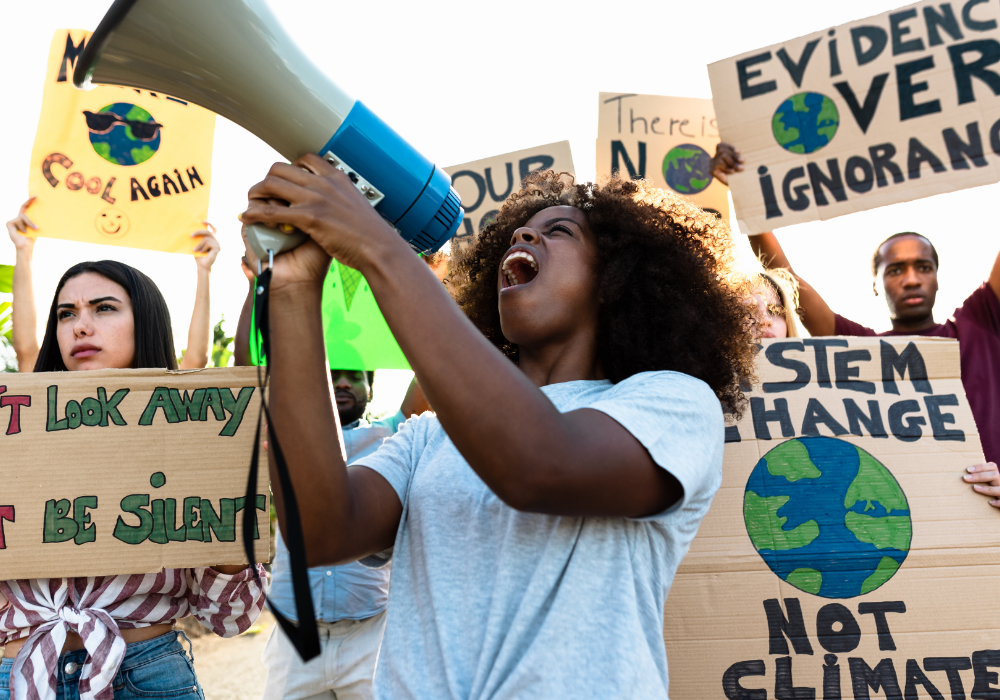
In a time when climate headlines often spark anxiety, educators see broad climate literacy as a way to replace fear with empowerment. Students who understand the systems behind the crisis are more likely to engage in solutions — from renewable energy innovation to public policy reform.
Universities hope that embedding climate knowledge in education can build a generation of problem-solvers instead of pessimists. The goal isn’t just awareness — it’s agency.
11. The Future of College May Be Climate-Focused

Experts predict that within a decade, nearly every university in the U.S. will integrate sustainability across its degree programs. The shift could redefine what a college education means — not just learning for a career, but learning for planetary stewardship.
If this trend continues, tomorrow’s graduates will leave campus fluent in both their chosen field and the language of climate resilience. For a generation inheriting an unstable planet, that knowledge may prove as essential as any traditional liberal arts skill.