
Cardiologists say panic and hesitation kill more people than the heart attack itself — timing is everything.

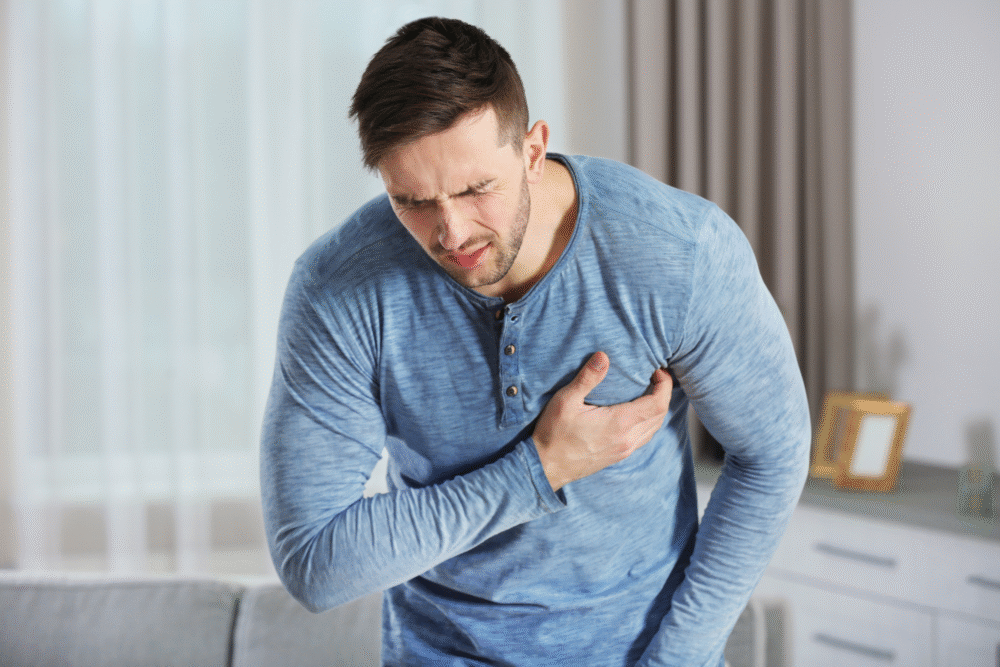
Chest pressure, dizziness, or a tightening sensation that won’t go away — you know something’s wrong, and no one’s around to help. Experts say this is the most dangerous scenario a person can face, because hesitation costs lives. A heart attack cuts off oxygen to the heart muscle, and within minutes, that damage can become irreversible. Cardiologists stress that survival depends on three things: recognizing the symptoms, calling for help immediately, and taking the right actions while you wait. Those crucial first moments can make the difference between recovery and cardiac arrest.
1. Recognize the First Signs of a Heart Attack

Heart attacks don’t always start with dramatic chest pain. Many begin with mild discomfort — pressure, squeezing, or a heavy sensation in the chest that may spread to the arm, neck, or jaw. You might also feel dizzy, short of breath, or suddenly exhausted.
Doctors say people often dismiss these early symptoms, assuming it’s indigestion or stress. That delay can be deadly. The faster you recognize the signs, the more time you give doctors to restore blood flow before irreversible heart damage occurs. Awareness is your first and best defense.
2. Call for Help Before Doing Anything Else

The single most important action is calling 911 immediately. Don’t drive yourself to the hospital — you could lose consciousness behind the wheel. Paramedics can begin life-saving treatment on the way, including oxygen, aspirin, and defibrillation if needed.
If you can, unlock your door and keep your phone close in case your condition worsens. The average response time for emergency services is only minutes, but those minutes matter. Survival rates more than double for people who call right away rather than waiting to see if symptoms pass.
3. Chew an Aspirin While You Wait

If you have regular or baby aspirin nearby, chew one tablet — don’t swallow it whole. Chewing helps it absorb faster into your bloodstream, thinning your blood and reducing clot formation that blocks arteries during a heart attack.
Doctors recommend doing this only if you’re not allergic and haven’t been told by a physician to avoid aspirin. It’s one of the simplest, most effective emergency measures available to non-professionals. In many documented cases, this single action has prevented cardiac arrest before emergency help arrived.
4. Stay Calm — Panic Makes It Worse

Panic accelerates your heart rate and blood pressure, increasing oxygen demand at the very moment your heart is being deprived of it. That combination can trigger arrhythmias or even full cardiac arrest. Remaining calm helps your heart work less strenuously while you wait for help.
Experts recommend focusing on slow, steady breathing: inhale through your nose for four seconds, exhale through your mouth for four more. Repeat until help arrives. Staying composed not only preserves your strength but also helps you think clearly enough to follow life-saving steps.
5. Loosen Clothing and Sit Upright

If you feel faint or short of breath, sit upright rather than lying flat. This position helps reduce strain on your heart and lungs by improving airflow. Loosen tight collars, belts, or waistbands to make breathing easier and prevent restriction of circulation.
Avoid lying on your back unless you lose consciousness, as this can worsen chest pressure. Keep still, move slowly, and resist the urge to walk around. Small adjustments in posture can stabilize your condition and buy crucial minutes until medical professionals take over.
6. Unlock Doors and Prepare for Paramedics

If you can still move safely, unlock your front door and make yourself easy to find. Many victims collapse before help arrives, and locked doors can cost rescuers valuable time. Turning on a light, staying near a window, or placing your phone within reach helps paramedics locate you quickly.
If you live in an apartment, call a neighbor or building manager to stay alert for emergency responders. Seconds matter in cardiac events — removing barriers between you and the people who can restart your heart could literally save your life.
7. Avoid Common but Dangerous Myths

There’s a viral myth that you should “cough hard” to restart your heart during a heart attack. Doctors warn this so-called “cough CPR” doesn’t work outside of hospital settings and can make things worse. Others mistakenly drink water or lie flat, both of which increase cardiac stress.
The only proven steps are calling 911, taking aspirin, staying calm, and preparing for paramedics. Anything else wastes precious time and oxygen. Medical teams have defibrillators, medications, and training that no at-home trick can replace — your goal is to survive until they arrive.
8. Keep Talking — It Helps You Stay Conscious
Many people lose consciousness before help arrives, especially if blood flow to the brain drops. Talking out loud, even to yourself or to emergency dispatchers, can help you stay awake and focused.
Paramedics say they often use conversation to keep patients responsive during cardiac events. Saying your name, describing your symptoms, or repeating simple instructions engages your brain and slows disorientation. If you start feeling lightheaded, concentrate on steady breathing and speech — keeping your mind active can delay fainting and make you easier to treat when help reaches you.
9. What to Do If You Collapse Before Help Arrives

If you feel yourself slipping into unconsciousness, try to fall to the floor on your side rather than forward or backward. This reduces the risk of head injury and keeps your airway open. If you regain awareness, don’t try to stand — conserve energy and continue shallow, steady breathing.
If someone else discovers you, they should begin CPR immediately, alternating 30 chest compressions with two rescue breaths. For untrained rescuers, continuous compressions at about 100 per minute can maintain blood flow until professionals arrive. Even minimal circulation can prevent irreversible damage.
10. How to Prevent It From Happening Again
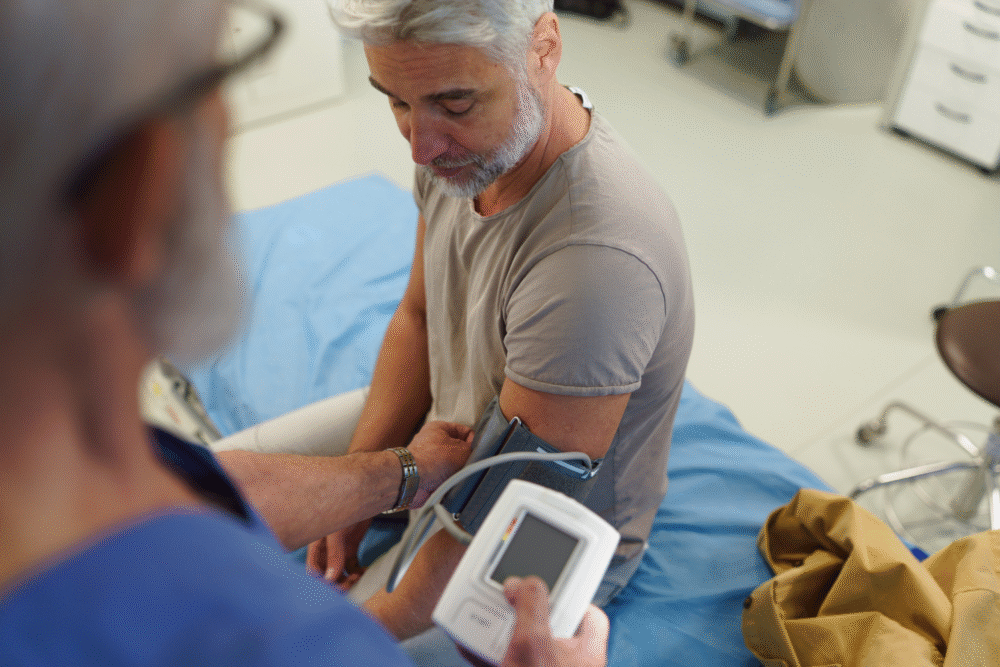
Surviving a heart attack is only the beginning. Cardiologists say the next steps — lifestyle changes, medications, and follow-up care — are critical for preventing a second one. Regular exercise, blood pressure control, and a heart-healthy diet all help reduce the risk of recurrence.
It’s also essential to know your numbers: cholesterol, blood pressure, and blood sugar levels are key predictors. Schedule a follow-up appointment as soon as possible and discuss preventive medications with your doctor. Acting early can turn a near tragedy into a second chance at life.