
Experts say panic kills faster than water — knowing these steps could mean the difference between life and death.
It’s one of the most terrifying scenarios a driver can face — your car plunges into water, the doors won’t open, and the cabin starts to fill. Experts say most people freeze or make fatal mistakes in those first few seconds. But survival depends entirely on speed and clarity. Water pressure builds fast, and once the car is submerged, escape becomes nearly impossible. Rescue professionals warn that you have less than a minute to act. The key is knowing exactly what to do — and doing it before panic takes control.
1. The Terrifying Reality of a Car Sinking in Water
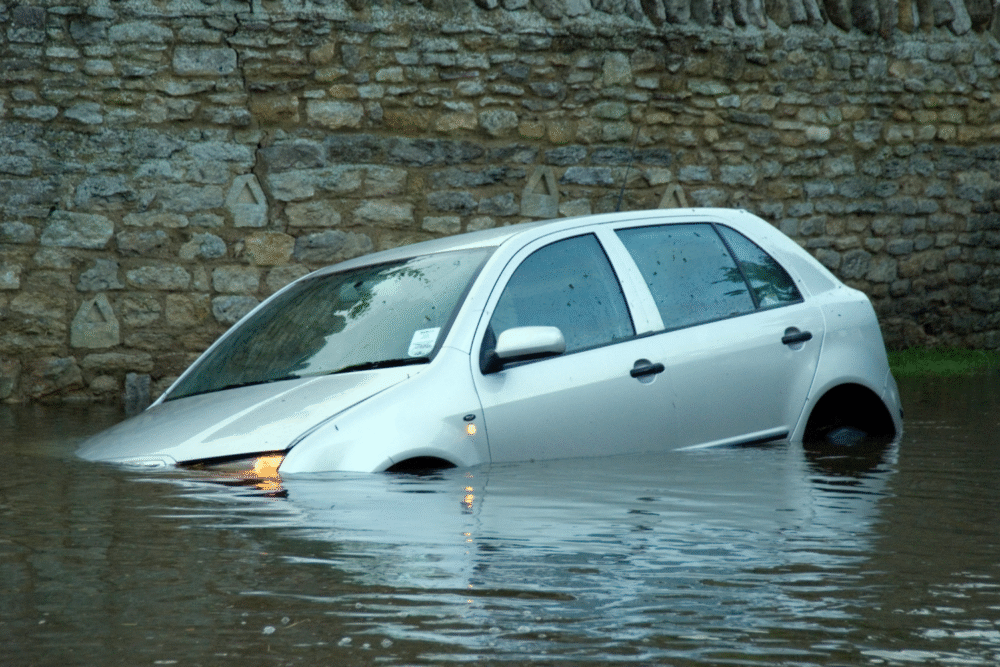
Every year, hundreds of drivers die in vehicles that plunge into rivers, lakes, and canals. What most people don’t realize is how fast it happens. Within seconds, a car begins filling with water, trapping passengers who freeze or make the wrong move.
Experts say the window for survival is incredibly short — often less than one minute. Once the car fully submerges, water pressure makes escape nearly impossible. Knowing what to do before panic sets in can turn those few seconds from a death sentence into a plan for survival.
2. You Have Less Than a Minute to Act

When a car hits the water, the clock starts ticking immediately. Within 10 seconds, the vehicle begins to sink nose-first, and by 30 seconds, the electrical system may fail, disabling power windows and locks.
By 60 seconds, the car will likely be submerged. At that point, the force of the surrounding water can exceed hundreds of pounds of pressure per square inch — enough to pin any door shut. Safety experts say survival depends entirely on acting in those first moments, before the vehicle fills and pressure seals you inside.
3. Don’t Waste Time Trying to Open the Door

Instinct tells most people to force the door open, but doing so wastes precious seconds. As water rises outside, pressure builds too quickly for a person to overcome. In tests, even professional divers couldn’t push a door open until the car was almost completely flooded.
The only reliable exit is through the window. Rolling it down or breaking it is your best chance at survival. Acting immediately is critical — every second of hesitation gives the water more time to trap you in place.
4. Your Window Is the Way Out
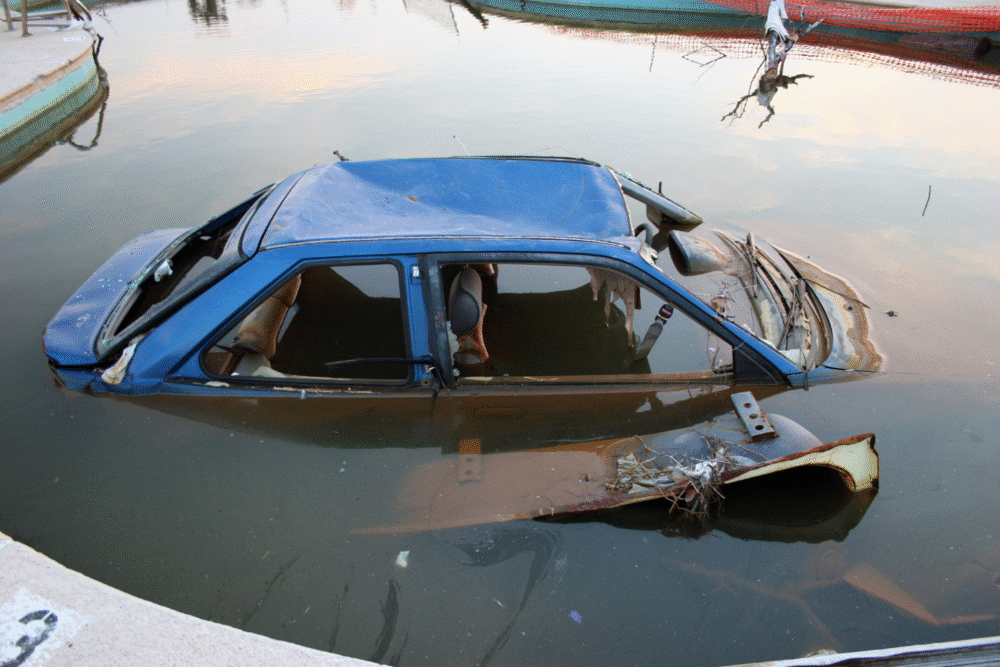
The safest escape route in a sinking car is almost always through a side window. If the electronics are still working, roll it down right away — don’t wait to see what happens. If it’s jammed or shorted out, you’ll need to break the glass manually.
Experts recommend aiming for the corner of the window, not the center, which is reinforced. Once it shatters, push out the remaining fragments and swim out through the opening. Do not waste time trying to rescue belongings or open the door from inside.
5. Keep a Window-Breaking Tool Within Reach
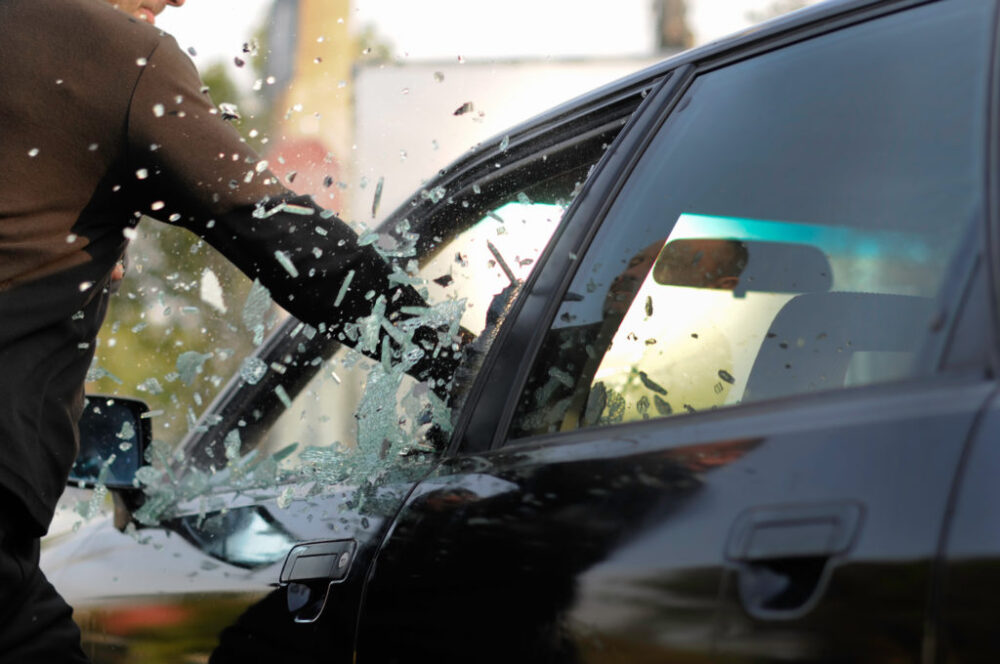
A small, spring-loaded hammer or window punch can make all the difference. These tools can break safety glass instantly, even underwater, giving you a few extra seconds to escape before the car fills.
The key is placement. Keep one attached to your keys, visor, or seat pocket — anywhere you can reach it without moving. Storing it in the glove box or trunk makes it useless in an emergency. When a car hits the water, you’ll have only moments to grab it and break your way out.
6. Unbuckle Immediately — Starting With Yourself
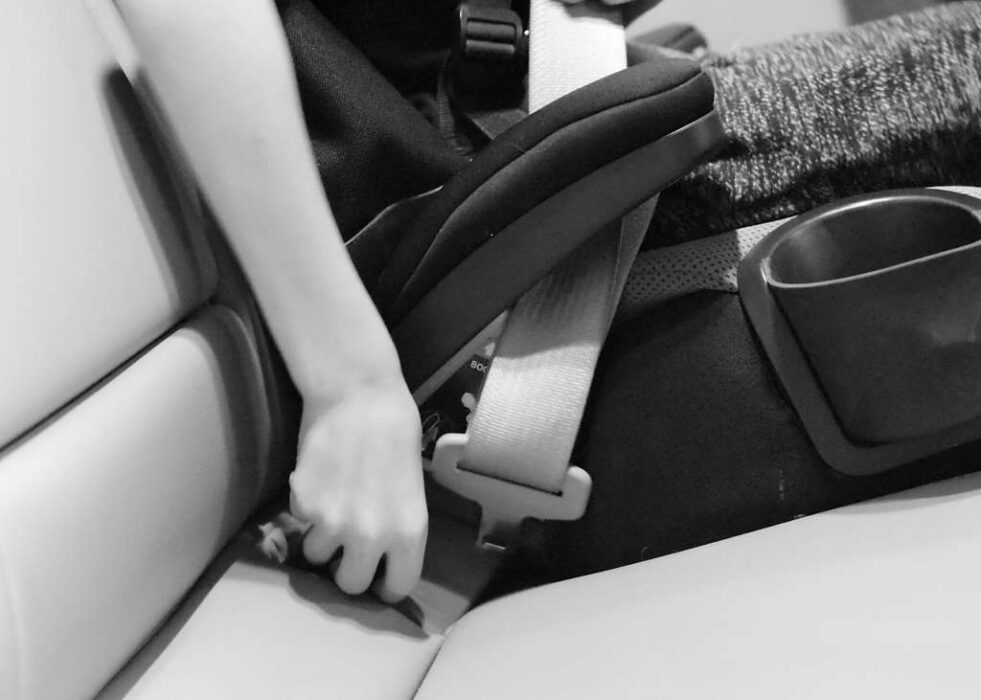
As soon as the car enters the water, release your seat belt. Panic can make even simple movements difficult, so focus on freeing yourself first before helping others. If children or passengers are with you, unbuckle them in order from oldest to youngest so each can assist the next.
Never waste time calling for help while still inside. The priority is escape, not communication. Once you’re safely out of the car and above water, then you can shout for assistance or use your phone to call emergency services.
7. How to Escape With Children in the Car

If you have kids with you, every second matters even more. Experts advise following the sequence “seat belts, windows, children, out.” Free yourself first so you can move quickly. Then release the oldest child, who can help the younger ones.
Push children out the window first, keeping their heads above water, then follow immediately behind. Don’t stop to retrieve items or check doors. The longer you wait, the harder it will be to move against the rising water and growing pressure. Staying focused and calm increases everyone’s chances.
8. Don’t Wait for Rescue
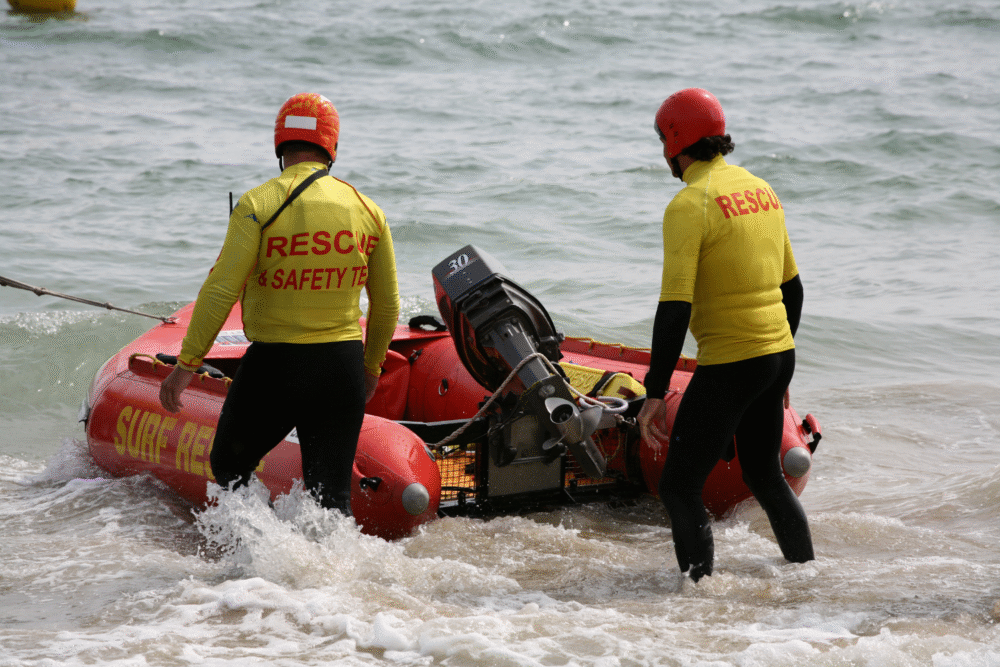
One of the most common fatal mistakes is assuming help will arrive in time. Emergency responders rarely reach a sinking car fast enough to make a difference. Even if someone sees the accident, the car may disappear underwater before they can act.
That’s why experts stress self-rescue as the only realistic option. Knowing what to do and acting instantly gives you the best chance to survive. Once you’re out of the car, swim to the surface at an upward angle, using bubbles or light to guide you toward air.
9. What to Do If the Car Is Fully Submerged
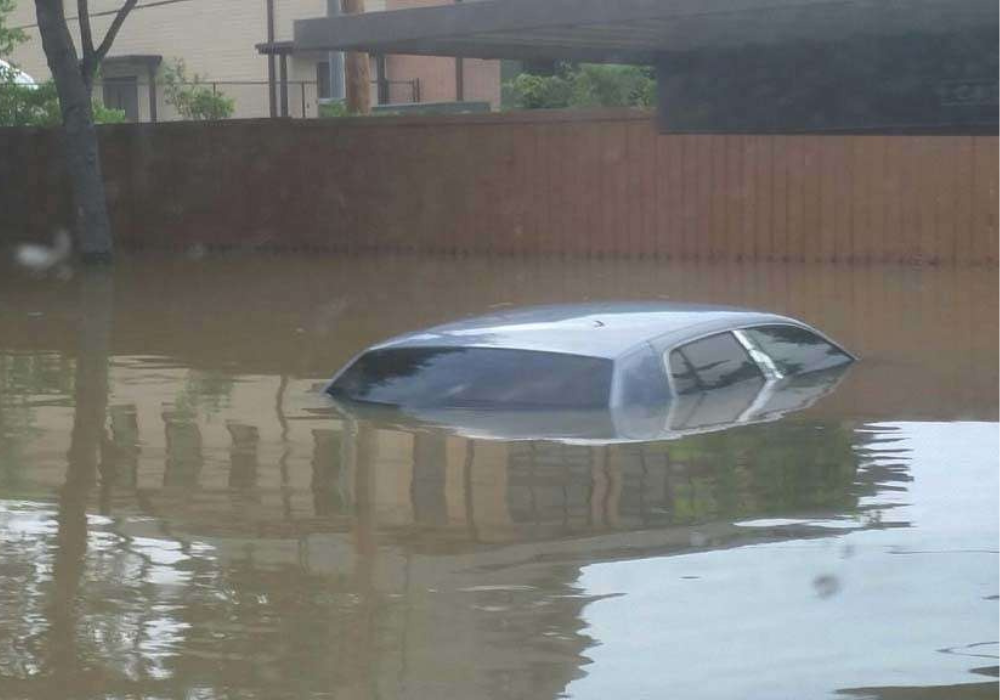
If you miss the short escape window and the car fills completely, your options shrink dramatically. The pressure difference makes it nearly impossible to open anything until the interior fills with water. Though terrifying, waiting for that pressure to equalize may allow a final chance to push a door open.
Once the car fills and the pressure balances, take one deep breath and push hard on the door handle. Swim toward the light, following the direction of rising bubbles. It’s the last resort — but it can still save your life.
10. Stay Calm and Focused

Panic is the biggest killer in submerged-car accidents. When fear takes over, people waste time on hopeless actions or freeze entirely. Remaining calm enough to follow simple steps — seat belt, window, out — is what separates survivors from victims.
Rescue experts say visualization helps. Rehearse the sequence mentally every time you drive near water or in heavy rain. Familiarity reduces hesitation, even under stress. The brain needs only seconds to recall a plan it’s already practiced — and in a sinking car, those seconds can mean survival.
11. How Fast Cars Actually Sink
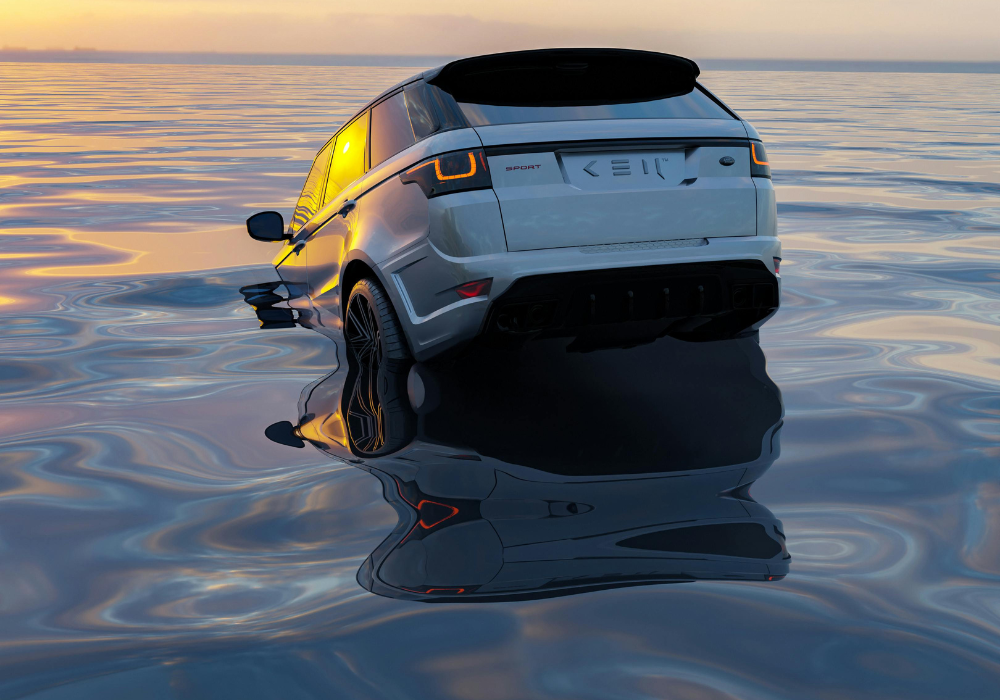
Most vehicles begin to submerge within 30 seconds after impact. Water rushes in through air vents and door seams, pushing air toward the ceiling. Heavier engines pull the front end down first, tilting the car at an angle that traps passengers in the rear.
By one minute, the car is usually fully underwater, leaving no visible trace from the surface. Understanding this timeline is crucial because it emphasizes how little time you have. Reacting instantly — without confusion or debate — is the only way to get out before the water wins.
12. The Rule That Saves Lives
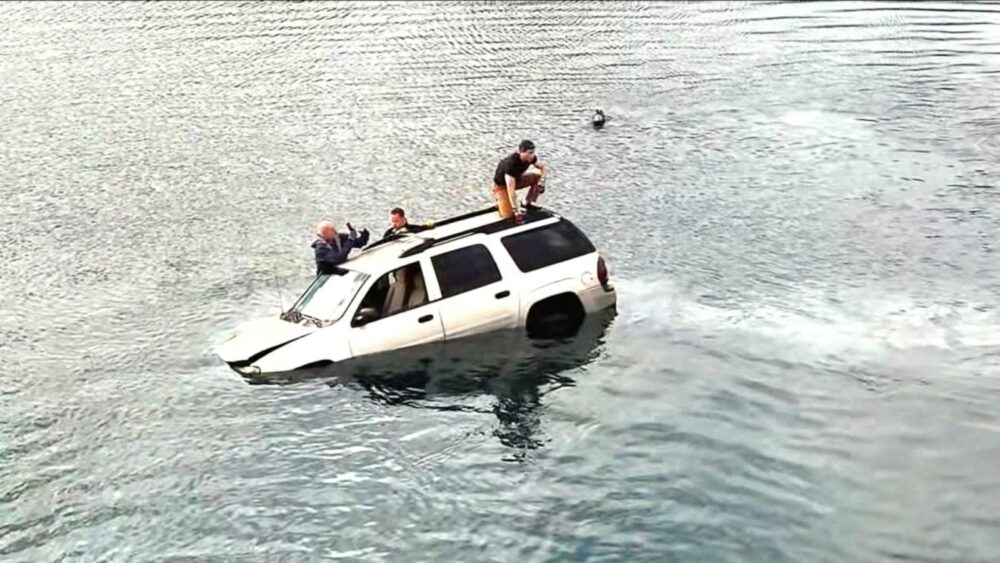
Survival in a sinking car comes down to a single, simple rule: seat belt, window, out. Free yourself, open or break the window, and escape before the cabin fills. Trying anything else wastes time you don’t have.
Every year, experts repeat this same advice because it works. People who remember and act on it survive, even in freezing or fast-moving water. Keeping calm, having the right tool, and following those three steps gives you the best chance to live through one of the most terrifying emergencies imaginable.