
New research shows wildfire survival depends less on luck — and more on how communities work together.
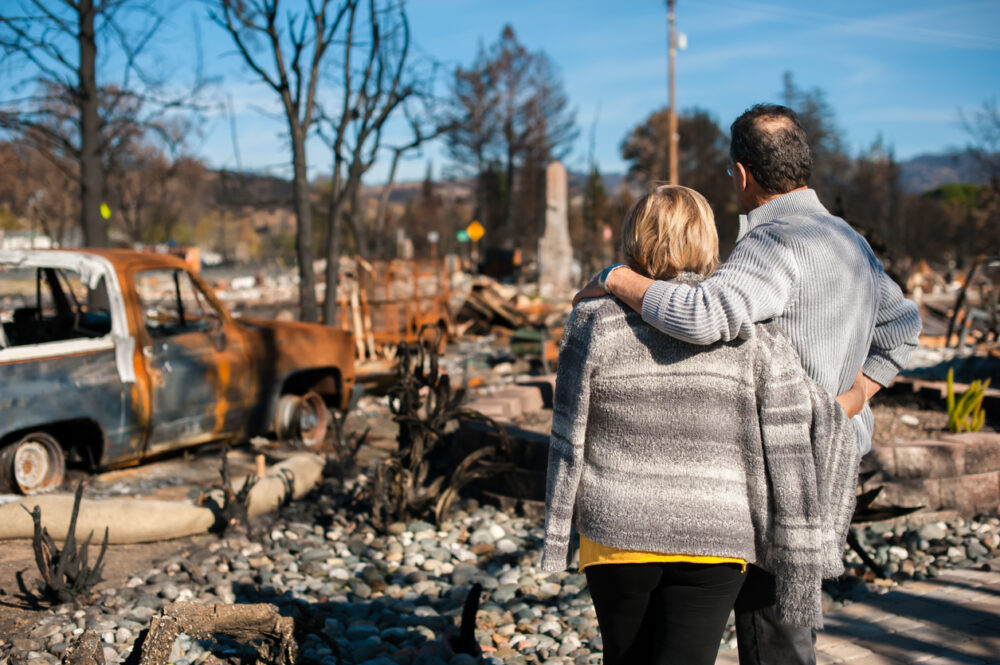
When wildfires tear through neighborhoods, it can seem random which homes survive and which are reduced to ash. But scientists now say there’s a clear pattern — and it’s one that communities can control. Using advanced fire simulations and post-disaster studies, researchers have found that the fate of a single house often depends on its neighbors. Gaps in defensible space, flammable roofs, and close proximity between homes can trigger block-wide ignition chains. The findings reveal that protecting one home isn’t enough — only coordinated, community-wide defenses can truly stop destruction before it starts.
1. The Growing Threat of Mega-Fires

Wildfires are no longer just seasonal events — they’re becoming larger, hotter, and far more destructive. Fueled by extreme heat, drought, and high winds, today’s fires can engulf entire neighborhoods in minutes. The U.S. now faces double the number of large fires it did just 20 years ago.
As these blazes grow more unpredictable, scientists are uncovering new insights into how and why certain areas are spared while others burn. Their findings show that survival often depends not on luck, but on preparation — and how homes and communities are designed to face the flames.
2. The Myth of Random Destruction
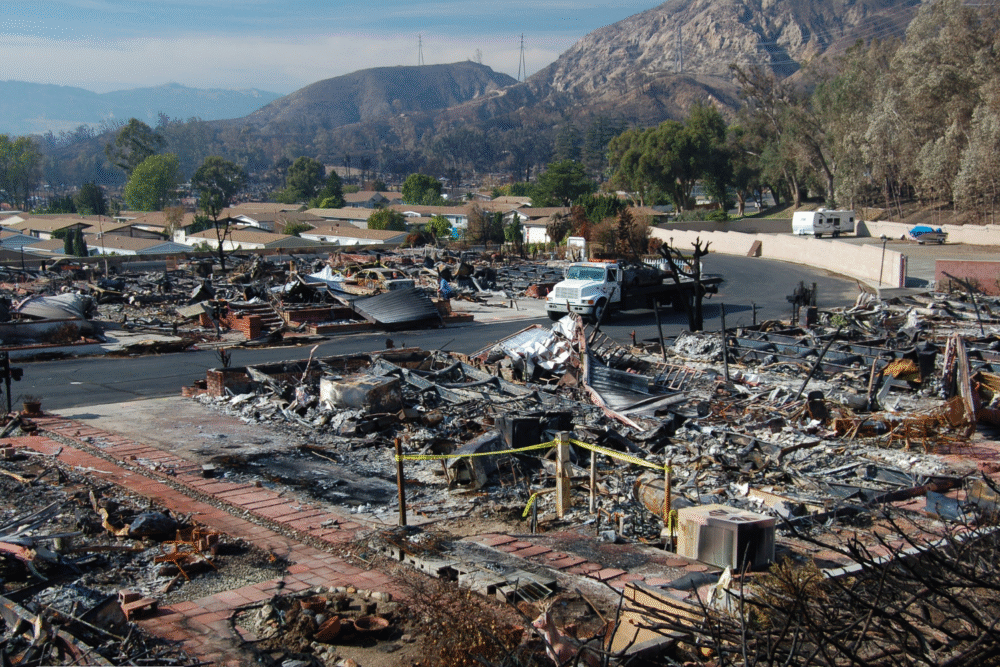
When entire neighborhoods are reduced to rubble, it often seems arbitrary which homes remain standing. But recent studies reveal that wildfire destruction isn’t random at all. Researchers found consistent, predictable patterns in how flames move from one structure to another.
Once a single home ignites, radiant heat, embers, and wind-driven sparks can trigger a domino effect, burning everything nearby. This chain reaction explains why whole blocks vanish while a single, well-prepared house just yards away may remain intact. Science is now decoding those survival patterns in detail.
3. How Wildfires Spread From Home to Home
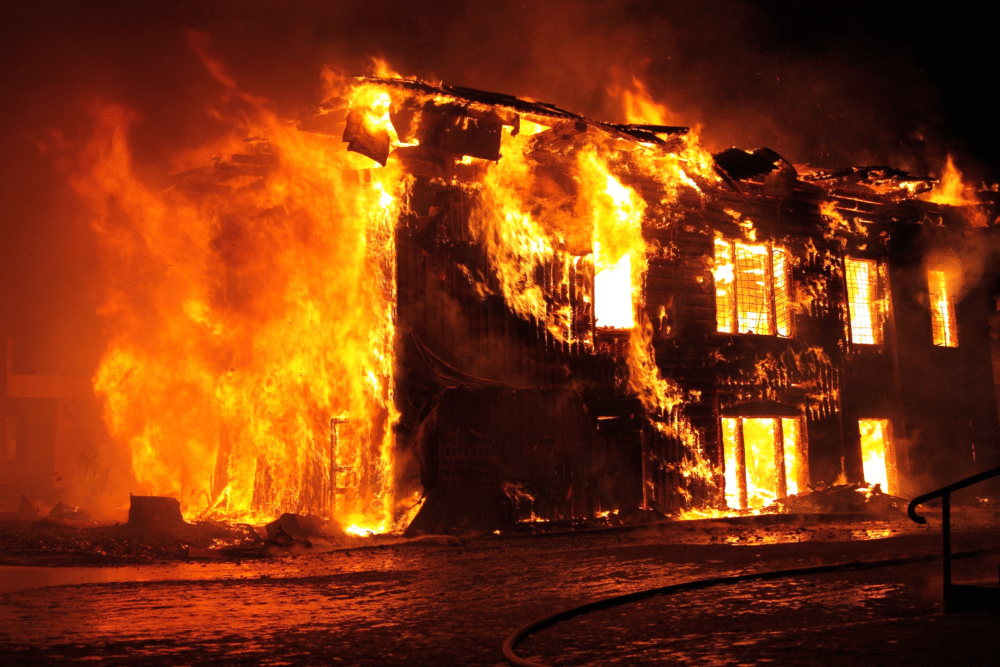
Unlike forest fires that race through trees, most neighborhood fires spread through structure-to-structure ignition. Once flames reach residential zones, burning homes themselves become fuel. Roofs, decks, and fences catch fire, generating embers that leap to neighboring houses.
These airborne embers — sometimes called “firebrands” — can travel miles ahead of the main blaze. When they land in dry gutters, mulch, or vents, they start new fires almost instantly. Scientists say understanding this ember-driven spread is key to stopping entire communities from being wiped out.
4. Why One Home Can Endanger a Whole Block
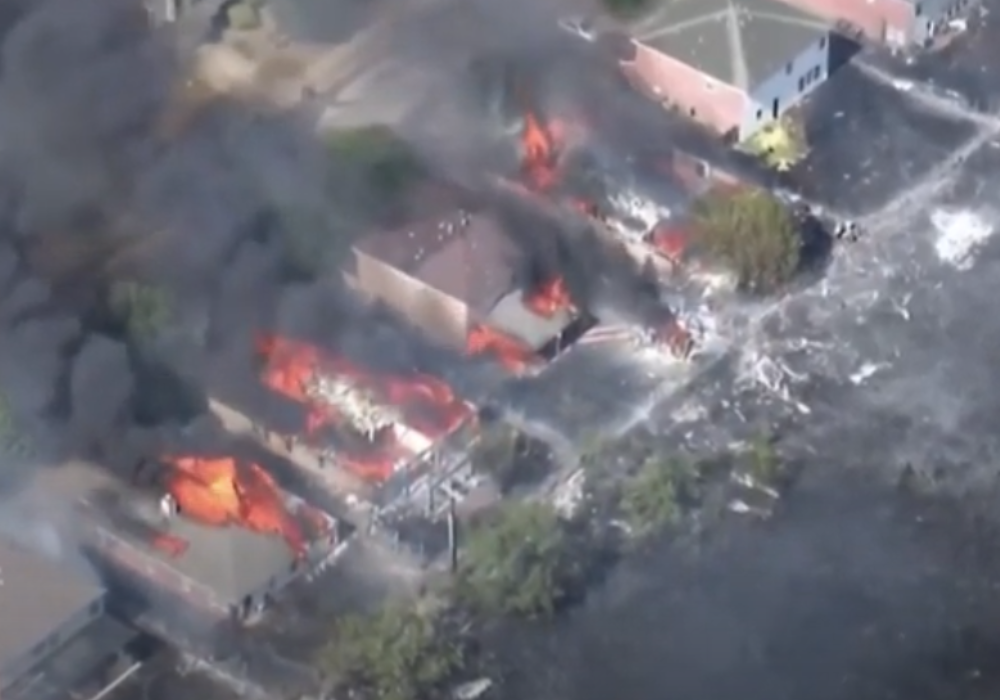
A single unprepared house can determine whether dozens of others survive. If one structure ignites, it emits enough radiant heat to ignite nearby homes, especially if they’re within 30 feet. Researchers call this the “community ignition zone.”
In several post-fire investigations, scientists found that neighborhoods with just a few “weak links” — homes lacking defensible space or with flammable roofs — suffered complete loss. Protecting every home individually isn’t enough; it takes collective resilience across entire neighborhoods to stop the spread once a fire starts.
5. The Science Behind Fire-Resistant Design

New building research shows that materials and layout matter just as much as location. Class A roofing materials, non-combustible siding, and ember-resistant vents dramatically increase survival odds. Even small choices — like swapping wood fencing for metal — can make a life-or-death difference.
Computer simulations show that when 70% of homes in a neighborhood use fire-resistant materials, total destruction rates drop by more than half. Scientists are urging communities to think beyond individual upgrades and embrace coordinated design strategies that protect the entire area.
6. The Critical 5-Foot Zone Around Your Home

According to wildfire experts, the most dangerous area around any home is the first five feet from its walls. Called the “home ignition zone,” it’s where embers land most frequently and where flammable mulch, debris, or wood can spark disaster.
Replacing wood chips with gravel, keeping gutters clear, and removing plants that burn easily can greatly reduce risk. This narrow buffer zone might seem small, but scientists say it can make the difference between losing a house and saving an entire street.
7. What Makes Some Communities Fire-Resilient
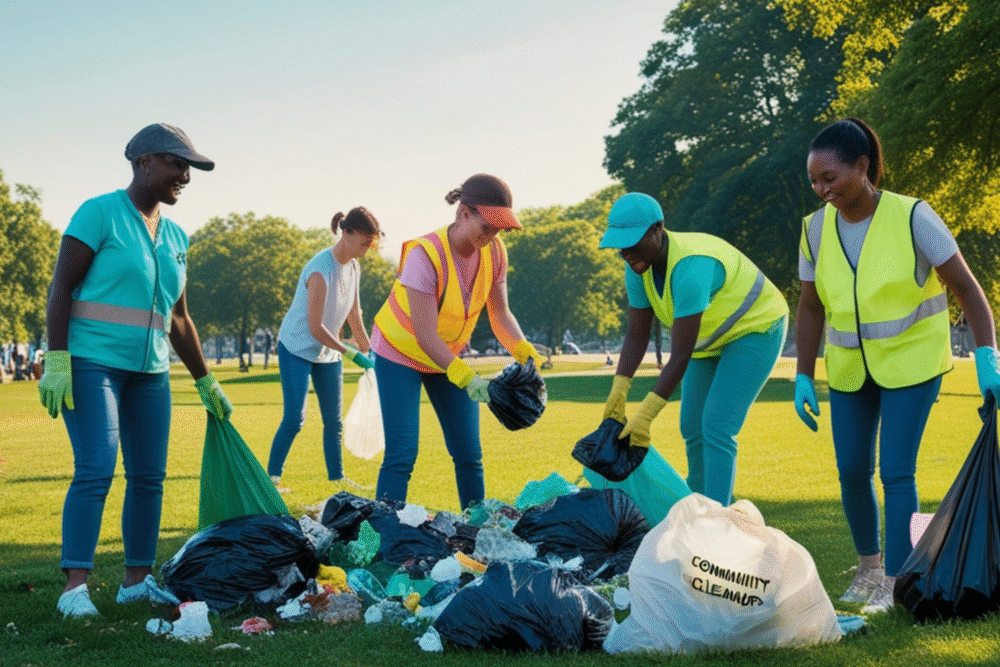
Communities that survive wildfires tend to share the same traits: defensible space, coordinated planning, and strong local communication. These towns often adopt shared safety codes and conduct yearly cleanups to remove fuel from roofs, yards, and nearby forests.
Studies by the National Institute of Standards and Technology (NIST) show that collective action is more effective than isolated efforts. When neighbors collaborate on mitigation strategies — trimming vegetation, clearing eaves, upgrading vents — they create a buffer that protects everyone, not just individual properties.
8. Lessons From California’s Firestorms

California’s Paradise Fire in 2018 and Lahaina’s 2023 disaster offered painful lessons in how wildfire spreads through communities. In both cases, neighborhoods with similar layouts faced vastly different outcomes based on preparation.
Homes that followed basic mitigation steps — metal roofs, cleared perimeters, and closed eaves — often survived while others burned to the ground. Post-fire surveys showed that houses with at least 30 feet of defensible space had survival rates up to 70% higher than those without it.
9. The Role of Technology and Simulation

Modern fire science relies on sophisticated computer models that replicate wildfire behavior down to individual embers. These simulations allow researchers to predict how heat, wind, and topography interact with building materials in real time.
By comparing these models with data from real disasters, scientists can pinpoint weak spots in urban design and improve building codes. These tools are helping communities anticipate the next big blaze — and develop smarter, evidence-based strategies to reduce losses before fire season even begins.
10. Why Local Policy Matters More Than Ever

Even the best research is useless without local action. Experts say communities must adopt stronger building codes, fire-safe zoning, and stricter defensible-space laws to keep up with worsening fire conditions. Yet many areas still treat wildfires as unpredictable “acts of nature.”
Cities that have implemented fire-adapted planning — like Flagstaff, Arizona, and Boulder, Colorado — show how coordinated science-based policies can save entire neighborhoods. Scientists emphasize that the next frontier in wildfire defense isn’t technology alone — it’s leadership and local accountability.
11. How Science Offers Hope Amid the Flames
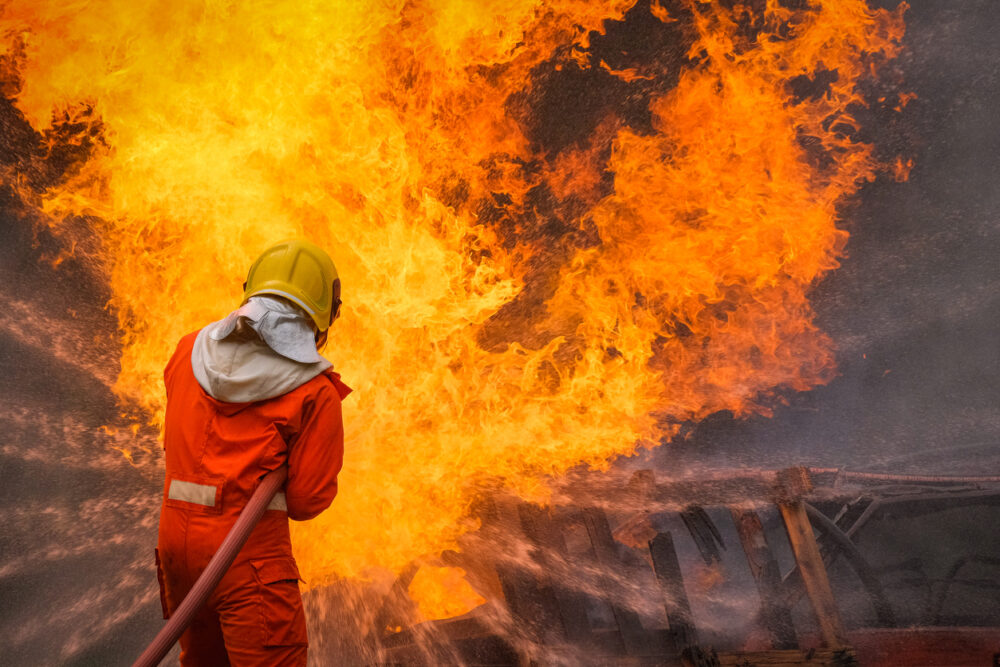
Despite record-breaking fires, experts say the future isn’t hopeless. The same scientific research that explains destruction also provides a roadmap for prevention. From ember-resistant designs to neighborhood-wide planning, the data is clear: preparation saves lives.
Communities that apply this knowledge — upgrading homes, coordinating defenses, and acting collectively — can withstand even the fiercest wildfires. Scientists stress that survival isn’t about luck or miracles; it’s about using what we now know to stay one step ahead of the next firestorm.