
Scientists say the real key to better health isn’t more protein — it’s balancing the right amino acids.
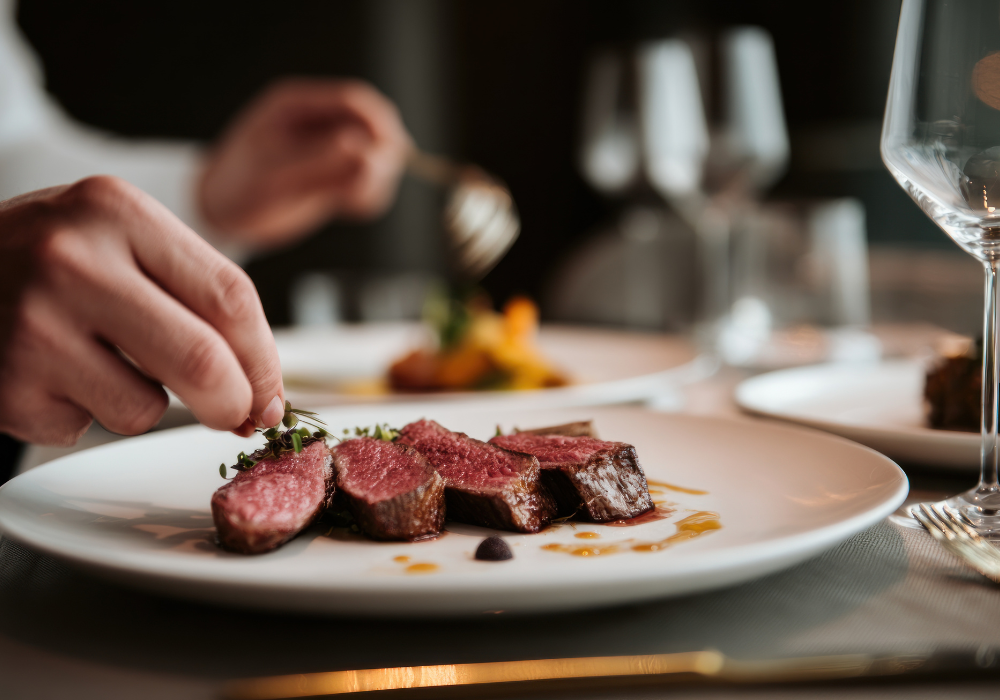
Protein is one of the most talked-about nutrients in modern diets — and one of the most misunderstood. While most adults consume more than enough of it each day, new research shows that what kind of protein matters just as much as how much. Scientists studying amino acid balance have found that a poor mix of proteins — heavy on some types, lacking in others — may hinder muscle repair, metabolism, and even longevity. The finding challenges the “more is better” mindset and suggests that a smarter balance could be the real secret to better health.
1. The Protein Myth Most People Still Believe

For years, fitness culture and food marketing have drilled one message into our heads: more protein equals better health. But researchers say that’s not the full story. Most adults already consume enough — sometimes twice the recommended amount — without realizing that the body’s needs are far more nuanced.
The real issue isn’t how much protein we eat, but what kind. Our cells rely on a delicate balance of amino acids, and when that balance is off, performance, recovery, and even long-term health can suffer — no matter how high your total protein intake appears.
2. Why the Right Mix Matters More Than the Amount

Protein is built from 20 amino acids, nine of which are essential because the body can’t produce them. Each food source contains its own combination of these amino acids, and no single protein perfectly matches what the body requires.
When one essential amino acid is missing, the body can’t efficiently use the others. That imbalance limits muscle repair, slows metabolism, and interferes with the creation of hormones and enzymes. In short, eating too much of one protein type — and not enough of others — can quietly undermine overall health.
3. How Scientists Discovered the Protein Imbalance Problem

In reviewing decades of nutrition data, scientists noticed a puzzling trend: people who ate more protein weren’t necessarily stronger or healthier. Some even showed metabolic stress and inflammation markers.
The breakthrough came when researchers analyzed amino acid profiles within those diets. They found that people consuming protein from limited sources — like only meat or only legumes — developed deficiencies in key amino acids. The takeaway was clear: getting enough protein is easy, but maintaining the right ratio of amino acids is the true challenge for long-term wellness.
4. Amino Acids: The Body’s Tiny Power Players
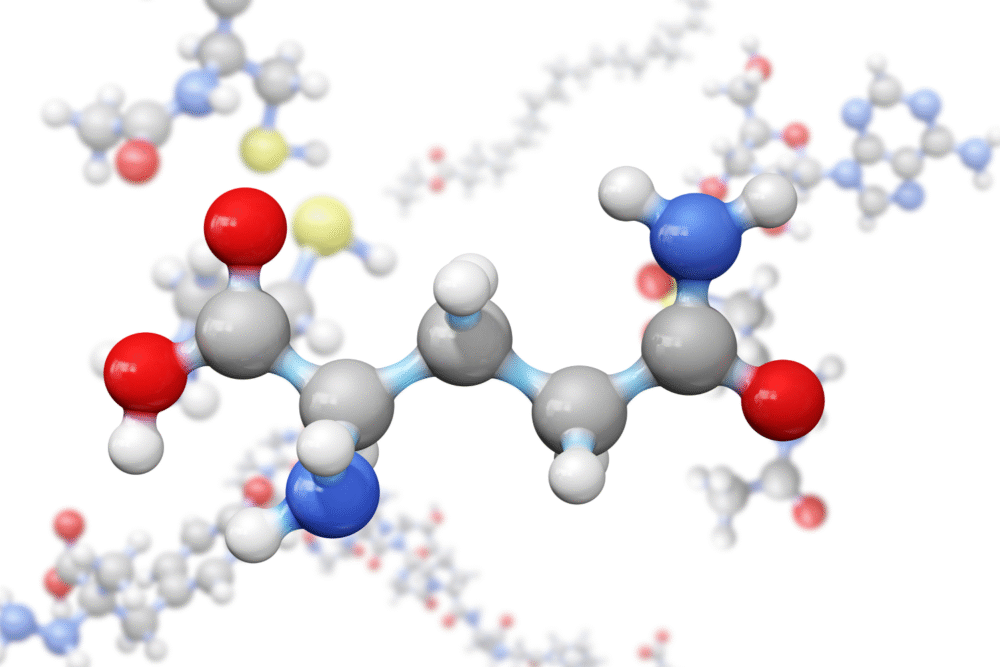
Amino acids don’t just help build muscle — they regulate almost everything the body does, from hormone production to immune defense. Out of 20 total amino acids, nine are essential, meaning you must get them from food every day.
If one of those nine is missing, the body starts breaking down its own muscle and tissue to fill the gap. Over time, this can lead to fatigue, slower recovery, and even increased inflammation. Maintaining a balanced intake helps the body repair itself, build enzymes, and keep the immune system functioning efficiently.
5. Why Modern Diets Miss the Balance

Today’s food industry makes protein easy to find but hard to balance. Protein powders, bars, and meal replacements often come from single sources like whey, soy, or peas. While convenient, they lack amino acid diversity.
Even plant-based diets can fall short when built around a narrow group of foods. For example, lentils or nuts alone don’t contain all essential amino acids in optimal proportions. Without deliberate variety, many people meet their protein targets but still miss the amino acids that keep muscles, metabolism, and immunity functioning at their best.
6. Animal vs. Plant Proteins — The Real Difference
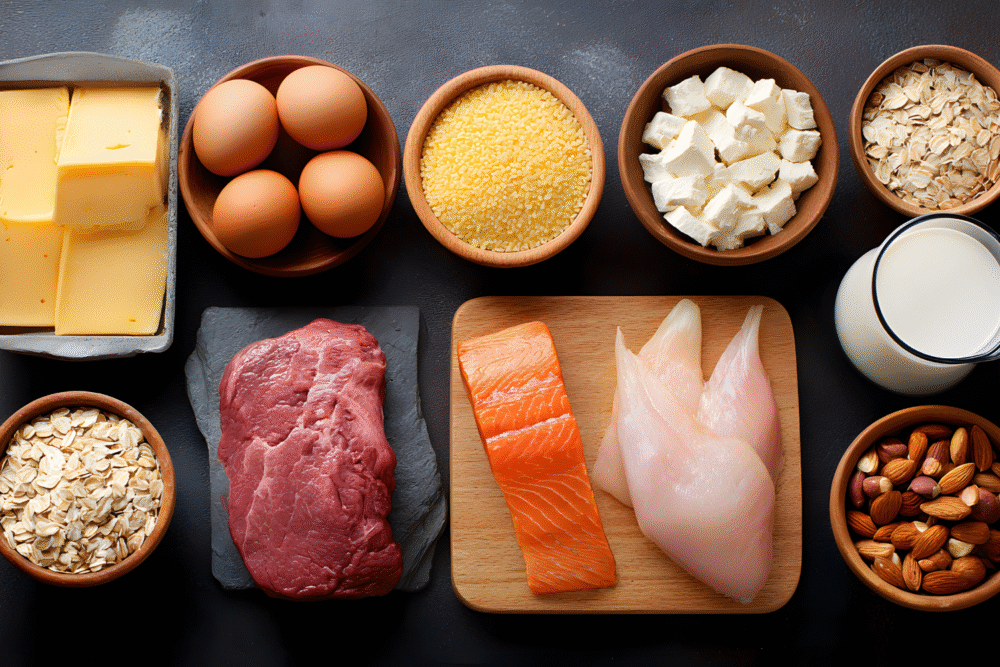
Animal proteins such as meat, fish, eggs, and dairy are considered “complete” because they contain all nine essential amino acids in ideal ratios. Plant proteins, while rich in nutrients, are often “incomplete,” missing one or two key amino acids.
This doesn’t mean plant-based diets are inferior — only that they require more variety. Combining foods like rice and beans or hummus and whole-grain pita creates a complete amino acid profile. Nutrition experts emphasize that balance across meals matters more than any single food choice or supplement.
7. Signs You Might Have an Amino Acid Imbalance

Amino acid imbalances often develop quietly. You might feel chronically fatigued, struggle to gain or maintain muscle, or notice slower wound healing. Some people experience brittle hair and nails, mood swings, or brain fog.
Because amino acids play roles in neurotransmitter and hormone production, even small imbalances can affect mental clarity and emotional stability. While these symptoms can have many causes, consistent fatigue or plateaued fitness progress despite adequate protein intake may point to an amino acid issue rather than a calorie or carb problem.
8. When Too Much Protein Backfires

More isn’t always better. Excess protein — especially from repetitive sources like red meat or shakes — can overwhelm the body. Surplus amino acids are broken down and converted to energy or fat, producing nitrogen waste that stresses the liver and kidneys.
Overemphasis on protein also crowds out other nutrients like fiber and antioxidants. Scientists warn that one-dimensional “high-protein” diets may look healthy short-term but create metabolic strain over time. The smarter approach is variety: moderate protein intake drawn from diverse, nutrient-rich sources.
9. The Longevity Connection

Recent studies suggest that amino acid balance may influence aging and lifespan. In particular, limiting certain amino acids like methionine — found heavily in meat and eggs — may help reduce oxidative stress and support cellular repair.
Populations with longer lifespans, such as those in “Blue Zones,” tend to eat mixed protein diets emphasizing plants, fish, and legumes. This balance supports steady metabolism and lower inflammation, suggesting that moderation and diversity in protein intake may be one key to healthy aging.
10. The Ideal Mix for Everyday Health
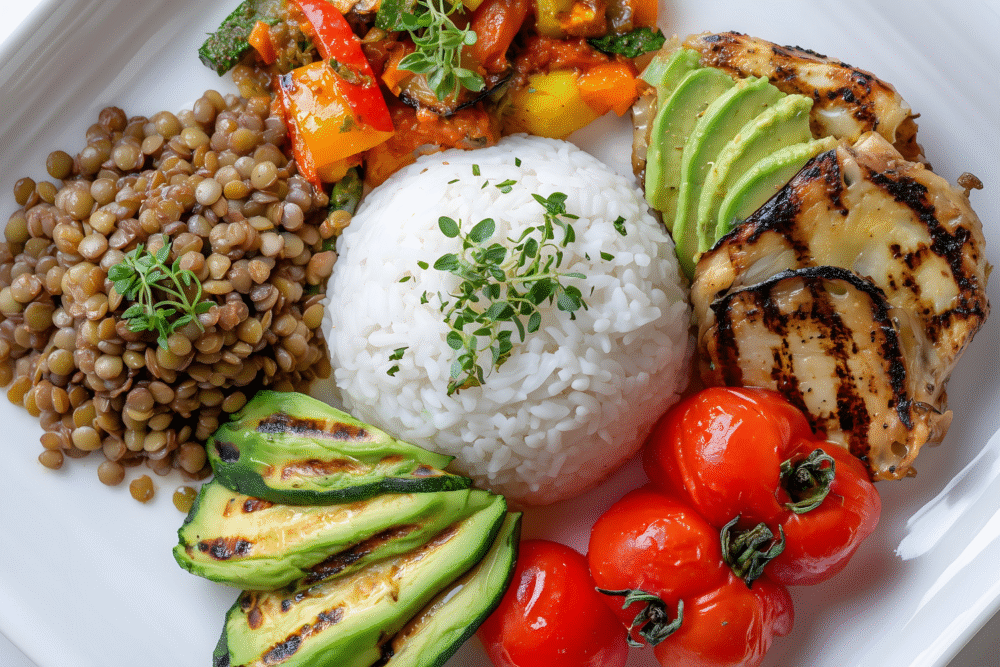
For most adults, the best protein strategy is variety. Mixing animal and plant sources — or rotating plant proteins — ensures a steady supply of all essential amino acids. Pairing foods like quinoa and lentils or eggs and beans can provide balance naturally.
Experts recommend spreading protein throughout the day rather than loading it all into one meal. Doing so improves absorption and muscle repair while maintaining stable energy. Think of protein less as a single nutrient goal and more as a diverse, daily collaboration of foods.
11. How Much Protein You Actually Need

Most adults need about 0.8 grams of protein per kilogram of body weight daily — roughly 55 to 70 grams for most people. Athletes or those recovering from illness may benefit from slightly more, but doubling intake offers no added advantage for most.
Studies show that focusing on amino acid quality, not just quantity, improves muscle synthesis and energy use. Meeting your needs through varied whole foods — rather than supplements alone — provides a balanced mix of nutrients that supports both strength and longevity.
12. The Future of Protein Science

Nutrition researchers are now exploring ways to personalize protein intake through amino acid profiling — essentially mapping your diet’s molecular balance. Future nutrition plans may recommend specific food pairings tailored to your metabolism, genetics, and goals.
As scientists continue to decode how different proteins affect aging, metabolism, and disease prevention, one message stands out: protein is about precision, not excess. Balancing amino acids may be the next major breakthrough in nutrition — turning one of the most misunderstood macronutrients into the key to lasting health.