
A newly analyzed Ice Age horn is revealing surprising secrets about one of Earth’s most mysterious giants.
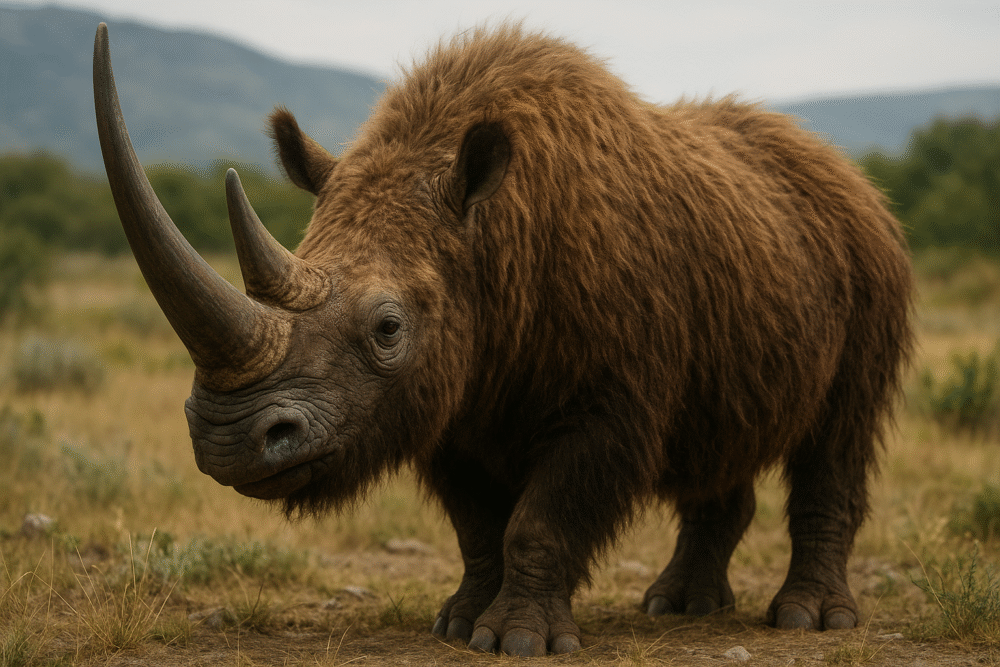
Deep in the Siberian permafrost, scientists have uncovered the longest woolly rhino horn ever found — a record-breaking relic from a vanished Ice Age world. Measuring nearly five feet in length, the massive horn offers rare clues about how these prehistoric giants lived, fought, and survived in frigid climates. Microscopic patterns preserved in its layers reveal details about the animal’s age, diet, and even the seasonal rhythms of its life. The discovery is rewriting what experts thought they knew about these extinct cousins of today’s rhinos — and how they adapted to the planet’s last great freeze.
1. A Giant Discovery Beneath the Ice

In the frozen tundra of Siberia, researchers recently unearthed something extraordinary — the longest woolly rhino horn ever recorded. Measuring nearly five feet, it belonged to a massive Ice Age beast that roamed the same cold landscapes as woolly mammoths.
Perfectly preserved in permafrost for tens of thousands of years, the horn offers a rare window into the biology and behavior of these long-extinct creatures. Scientists say it’s more than just a fossil — it’s a timeline carved in keratin, revealing the story of an animal’s life layer by layer.
2. What Made Woolly Rhinos So Formidable

Woolly rhinoceroses were among the largest mammals of the Ice Age, weighing up to three tons and covered in shaggy fur that helped them withstand brutal cold. Their curved horns, often over three feet long, were used for defense and foraging beneath snow.
This newly discovered horn, however, is nearly half again as large as any previously documented. Its sheer size suggests the animal may have been a dominant male, capable of defending territory and competing fiercely for mates — a prehistoric heavyweight built for survival.
3. A Closer Look at the Record-Breaking Horn
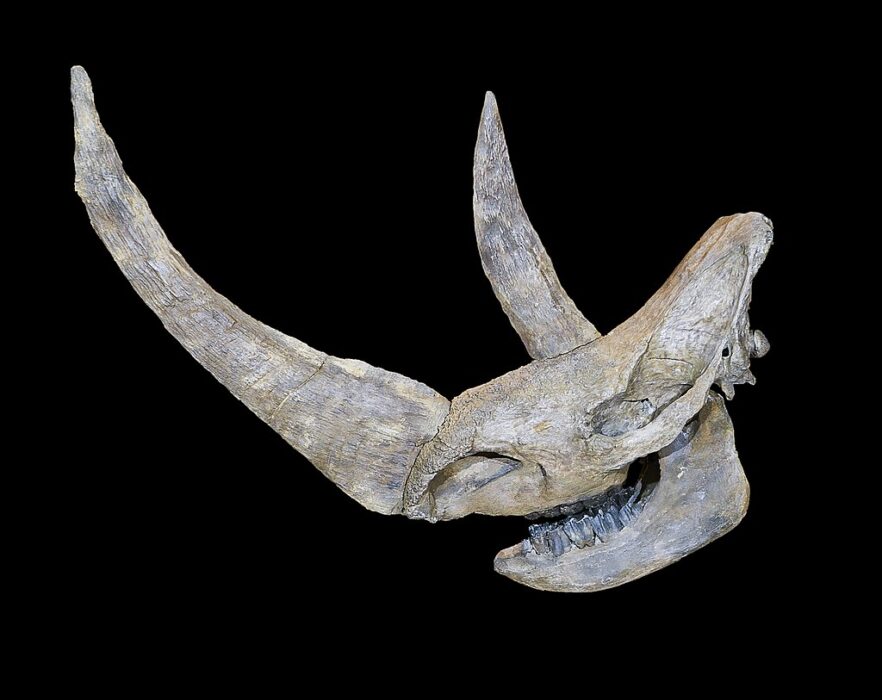
When scientists examined the horn under microscopes, they found finely layered growth rings similar to those in tree trunks. Each layer records a brief snapshot of the rhino’s life — its diet, stress, and even environmental changes across seasons.
By analyzing these rings, researchers determined that this particular rhino endured harsh winters followed by bursts of summer abundance. It reveals how Ice Age animals synchronized their lives with shifting climates, adjusting their feeding patterns as temperatures swung wildly year to year.
4. How Scientists Dated the Horn

Using radiocarbon dating, researchers determined the horn was more than 20,000 years old, from a period near the peak of the last Ice Age. The permafrost preserved its organic material so well that even traces of protein and DNA remained intact.
These clues allow scientists to connect this rhino to known populations from other sites across Eurasia. Remarkably, genetic similarities link it to herds that once roamed as far west as Europe, showing just how far these cold-adapted giants traveled during their long migrations.
5. What the Horn Reveals About Behavior
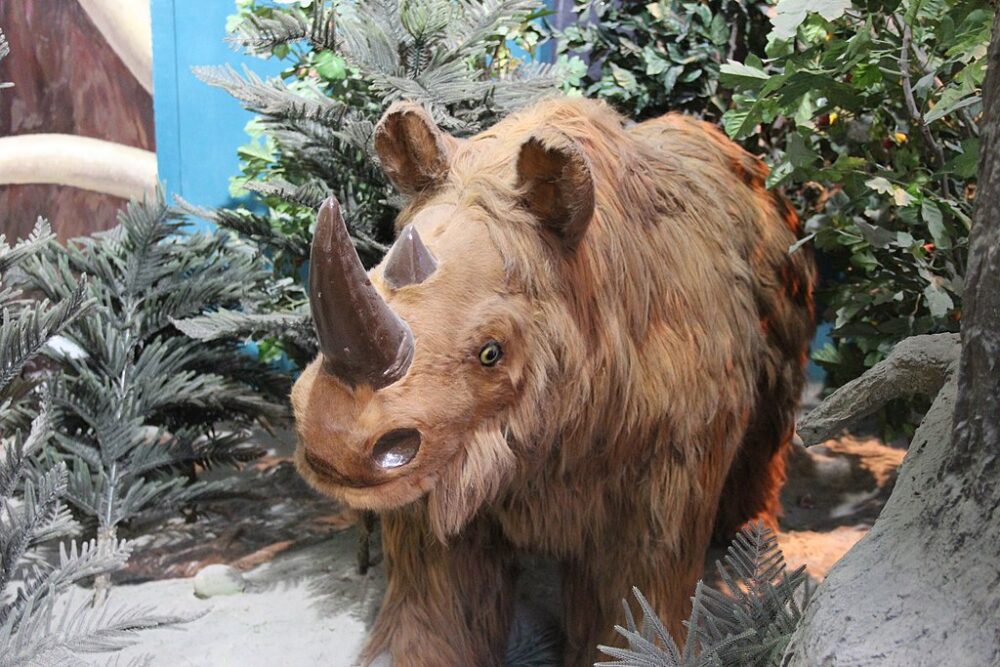
The horn’s distinctive grooves and wear marks offer hints about the animal’s habits. Some scratches appear consistent with scraping through snow in search of vegetation, while deeper gouges may come from clashes with rivals.
Experts believe male woolly rhinos likely used their horns in combat, much like modern rhinos do today. These markings provide the first physical evidence that Ice Age rhinos fought not only for survival, but for dominance — reinforcing the idea that competition shaped their evolution.
6. A Glimpse Into an Ice Age Ecosystem

The discovery also helps scientists piece together the wider ecosystem these animals inhabited. Woolly rhinos shared the frozen plains with mammoths, bison, reindeer, and saber-toothed predators — a thriving web of life adapted to endless cold.
By analyzing microscopic pollen trapped inside the horn, researchers identified tundra grasses and wild herbs that formed the rhino’s diet. Those tiny plant traces reveal a once-diverse steppe landscape now buried under ice and time — a living memory locked inside a single horn.
7. Why the Horn’s Size Matters
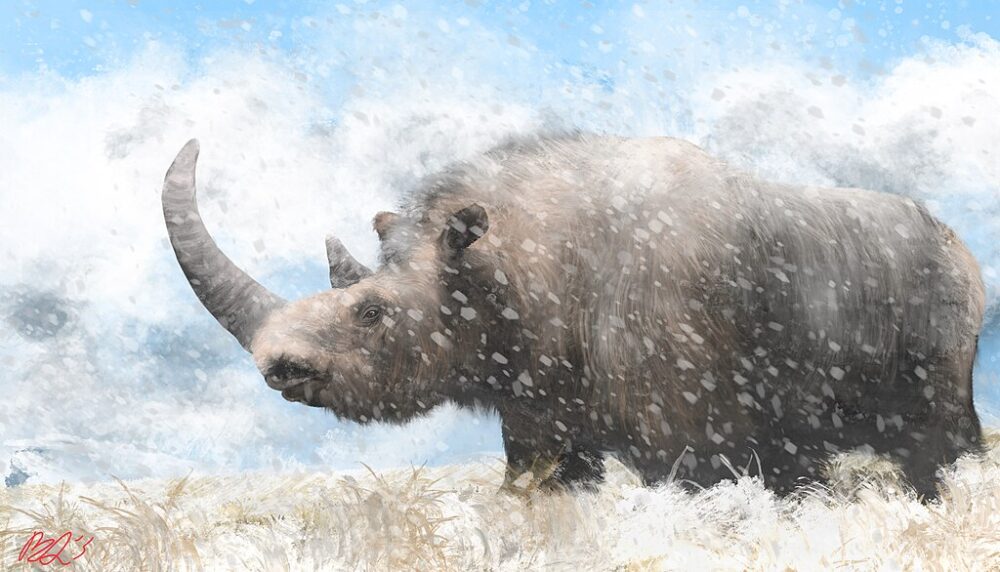
The sheer length of this horn challenges previous assumptions about the species’ growth limits. Until now, scientists believed woolly rhinos reached a certain size threshold determined by temperature and food availability.
This specimen suggests some individuals grew larger than expected, possibly due to genetic advantages or richer habitats. That insight may help explain how the species endured repeated glacial cycles — growing bigger and tougher when resources allowed, only to shrink again as climates worsened.
8. The Mystery of Their Extinction
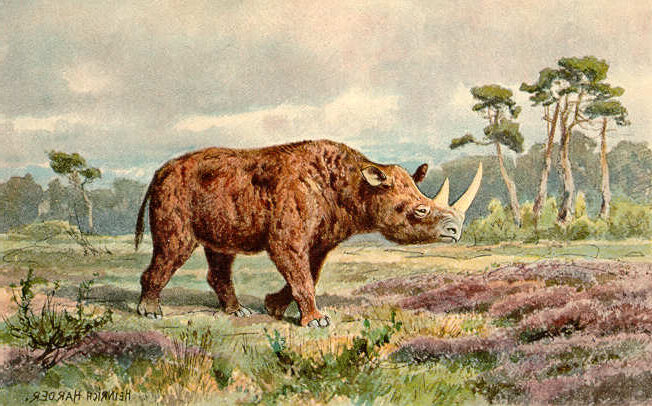
Despite their resilience, woolly rhinos vanished around 14,000 years ago, near the end of the last Ice Age. For years, scientists blamed overhunting by early humans. But new evidence suggests climate shifts played the larger role.
The horn’s chemical composition shows changes in diet and stress consistent with a rapidly warming environment. As Ice Age grasslands turned to bogs and forests, the rhinos’ food sources dwindled. This specimen may have lived through the very environmental transition that doomed its kind.
9. What Modern Rhinos Can Teach Us

Studying ancient rhinos isn’t just about the past — it’s a warning for the present. Today’s rhino species face extinction from poaching and habitat loss. By understanding how their Ice Age relatives adapted and perished, conservationists can better predict how modern rhinos will respond to a warming planet.
Scientists say the woolly rhino’s story underscores a simple truth: size and strength can’t guarantee survival when ecosystems collapse. In the face of climate upheaval, even Earth’s toughest animals are vulnerable.
10. Preserving the Horn for Future Study

The remarkable horn has been carefully stabilized and stored in a cold lab to prevent decay. Researchers plan to conduct further isotopic and genetic analyses to learn more about its age, migration patterns, and relationship to other Ice Age specimens.
They also hope to use 3D scanning to create digital models for museums and classrooms. This will allow people worldwide to study the horn in detail — not just as a relic, but as a scientific time capsule connecting us to a vanished world of ice and giants.
11. What This Discovery Means for Science

This single horn represents more than a stunning artifact — it’s a breakthrough in understanding how Ice Age ecosystems worked and why they vanished. Each new discovery from the permafrost brings fresh insights into how species evolved, adapted, and ultimately disappeared.
As climate change once again reshapes the planet, scientists say the woolly rhino’s story carries a haunting echo. What it reveals about survival in an unstable world could hold lessons not just for paleontology — but for our own uncertain future.