
As climate threats grow, wealthy elites are repositioning themselves in unexpected places.

As climate disasters intensify, the world’s richest individuals are preparing for a future where geography could mean survival. Wealthy elites are purchasing land and relocating to areas considered more resilient to rising temperatures, water shortages, and extreme weather.
Regions like New Zealand, Canada, and the U.S. Great Lakes are emerging as top choices, thanks to their stable climates and abundant resources. Experts say the trend exposes a growing divide between those who can move to safety and those left behind.
1. The Super-Rich Are Quietly Choosing Where to Ride Out Climate Change

As climate disasters accelerate, the world’s wealthiest are investing in properties far from coastal flooding, wildfires, and droughts. Many are buying secluded estates, private islands, and fortified compounds in what experts call “climate-safe zones.”
This movement isn’t about luxury; it’s about survival. Wealthy individuals see these regions as havens from instability, where fresh water, fertile soil, and political calm may still be found as global conditions worsen.
2. New Zealand Tops the List of Global Climate Havens
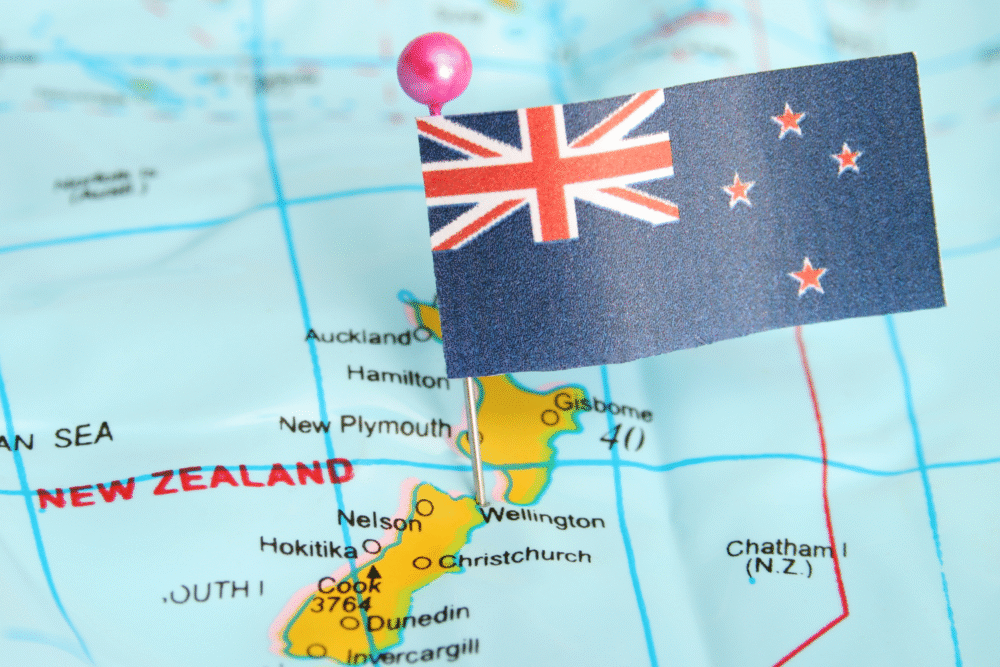
Remote, politically stable, and rich in natural resources, New Zealand has become a favorite refuge for tech billionaires and hedge-fund elites. Its temperate climate and isolation make it an ideal fallback location if global infrastructure falters.
Property records show a surge in high-end land purchases since 2020, with some investors building fully self-sufficient estates complete with private airstrips, renewable energy systems, and underground bunkers.
3. The U.S. Great Lakes Are Emerging as America’s “Climate Refuge”
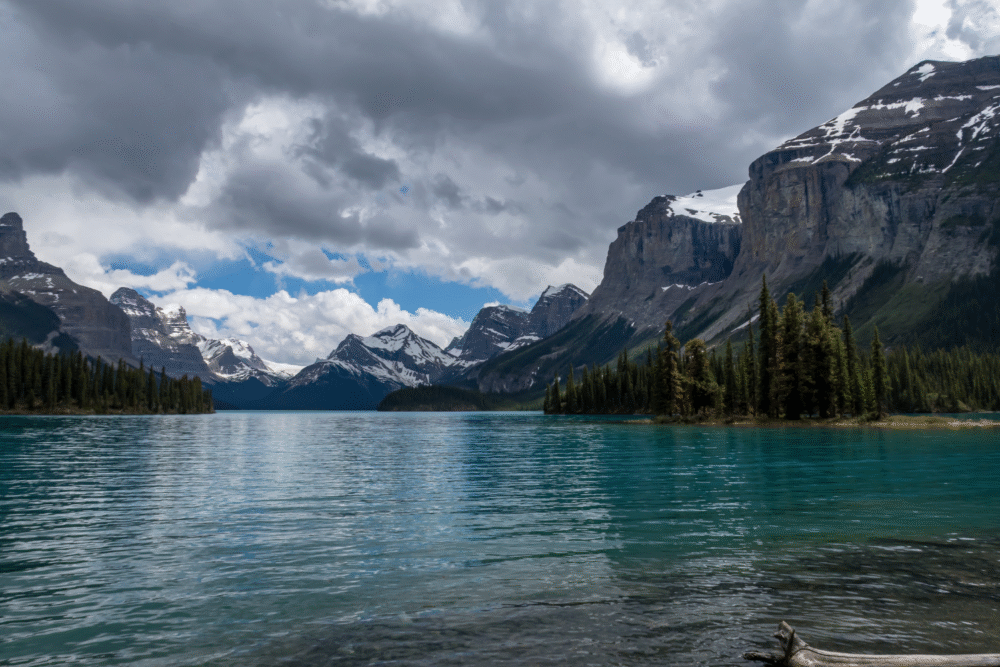
Within the U.S., the Great Lakes region — stretching across Michigan, Wisconsin, and parts of New York — is drawing wealthy buyers looking for long-term stability. Abundant freshwater, moderate temperatures, and fewer natural disasters make it one of the most climate-resilient regions in North America.
Cities like Duluth, Cleveland, and Buffalo are already being touted as future “safe zones,” attracting not only private investors but also sustainability startups and infrastructure planners.
4. Northern Europe Offers Security and Stability for the Elite

Countries like Norway, Sweden, and Finland are increasingly seen as climate-safe investments. These nations combine political stability, strong economies, and access to renewable energy with relatively mild climate risks.
High-net-worth individuals are purchasing rural retreats and forested land, betting that the region’s cold climate and strong governance will help buffer against global migration and resource pressures.
5. Canada Is Becoming a Magnet for Climate-Resilient Wealth
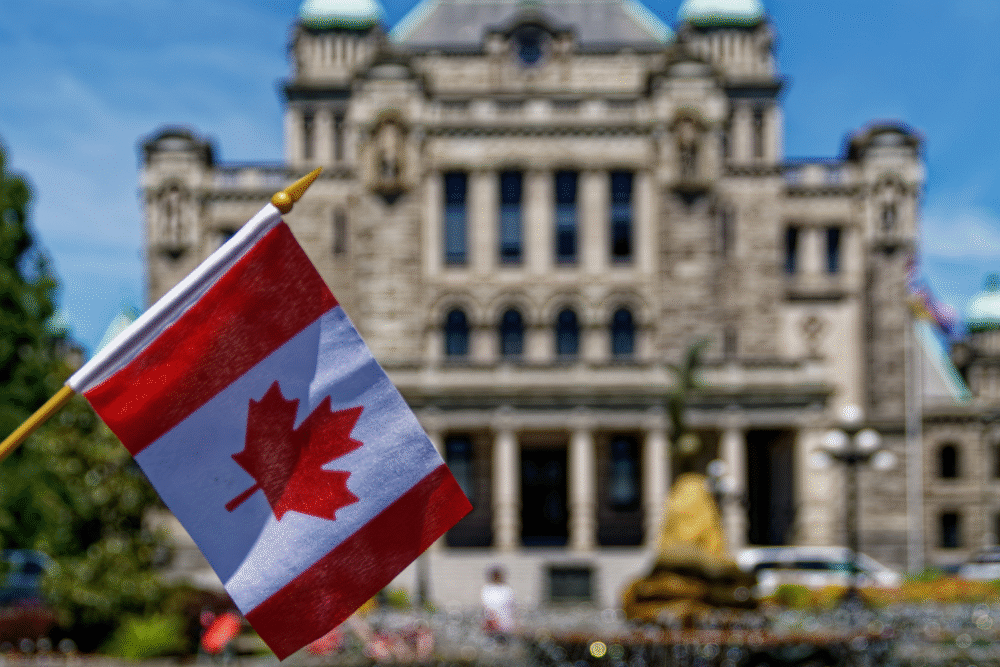
Canada’s vast freshwater reserves, agricultural potential, and cooler climate make it one of the most sought-after destinations for climate-aware investors. Wealthy buyers from the U.S. and Europe are purchasing estates in British Columbia and the Maritimes as both second homes and long-term refuges.
Experts say Canada’s policies and infrastructure — along with its distance from equatorial heat — make it uniquely positioned to attract the ultra-wealthy seeking climate security.
6. High Ground and Inland Areas Are the New Coastal Properties

In the past, the rich flocked to oceanfront mansions. Now, they’re heading uphill. From Montana’s mountain valleys to inland Oregon, climate-resilient real estate is replacing beachside luxury as the new status symbol.
Developers are even marketing “resilience communities” built with renewable power, private water systems, and shared emergency resources. These enclaves are designed to weather both storms and social upheaval.
7. Private Islands Are Being Reinvented as Self-Sustaining Retreats
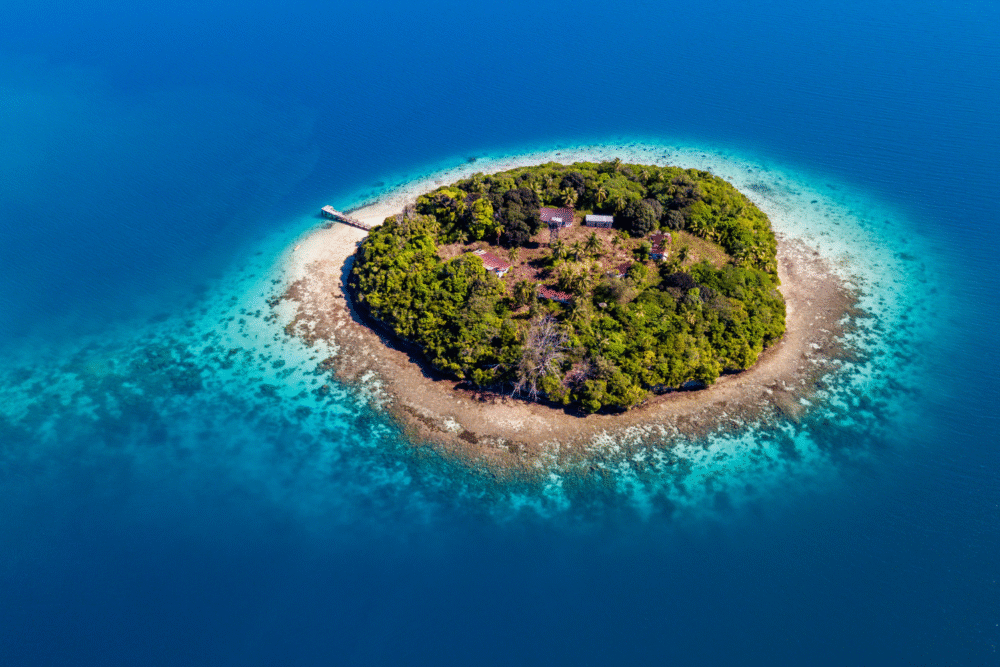
Some ultra-wealthy individuals are going a step further, transforming remote islands into fully self-sufficient ecosystems. With solar arrays, desalination plants, and hydroponic farms, these retreats are designed to operate independently for years.
Experts warn that this trend highlights growing inequality — a world where only the richest can afford true isolation while others face displacement from climate disasters.
8. Wealthy Investors Are Backing “Resilient City” Projects

Beyond private estates, billionaires are funding experimental “climate-resilient cities” in safer regions. These developments use renewable energy, underground infrastructure, and advanced water management to withstand extreme conditions.
Projects in places like Nevada and the Pacific Northwest blend sustainability with exclusivity — part eco-utopia, part gated sanctuary. Critics argue they’re less about solving climate change and more about escaping it.
9. Tech Billionaires Are Leading the Climate Exodus

Figures from Silicon Valley, venture capital, and the cryptocurrency world are among the first to act on climate risk models. Using predictive analytics and private research, they’re identifying which areas could remain livable as global conditions deteriorate.
From Elon Musk’s interest in off-world colonization to New Zealand bunker estates, the tech elite are preparing for climate scenarios that most people can’t afford to imagine.
10. Water Access Is the New Currency of Safety
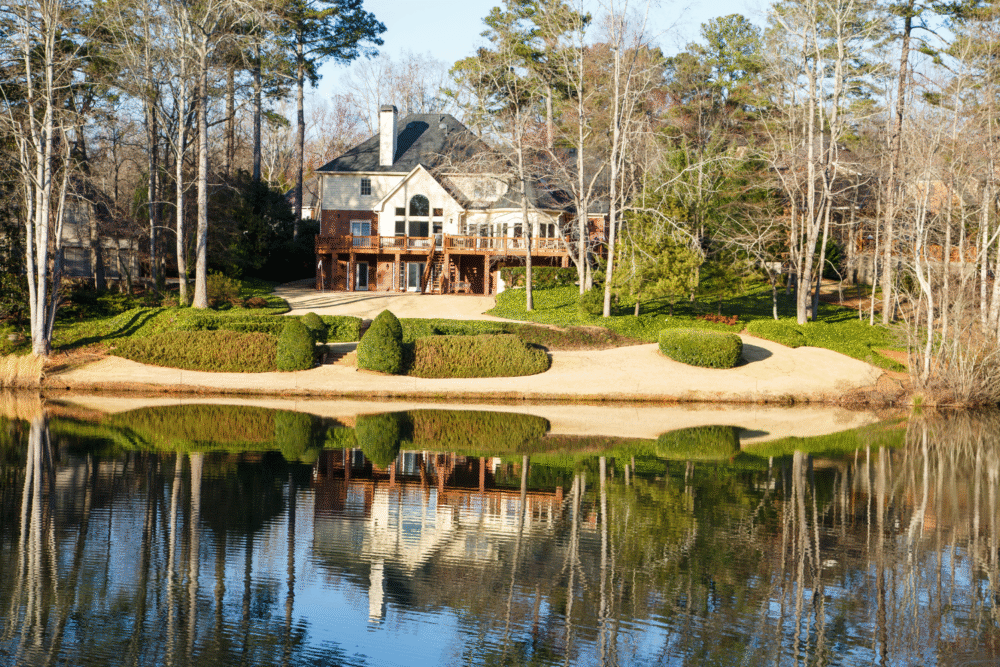
While temperature matters, access to clean freshwater is the defining factor in climate survival. Wealthy buyers are targeting properties with private wells, lakes, or rights to freshwater reserves.
Regions like the Great Lakes and parts of Canada’s interior stand out for this reason. As droughts worsen globally, experts predict water-rich land could soon rival oil fields in value.
11. Some Are Investing in the Southern Hemisphere’s Future Stability
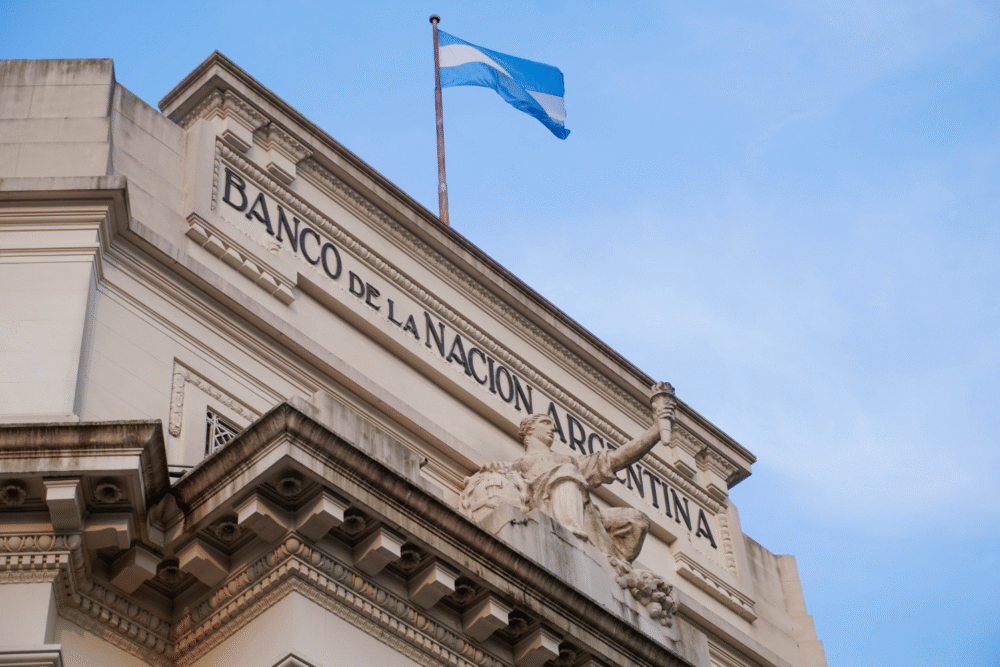
Beyond New Zealand, countries like Chile and Argentina are seeing a surge of interest from wealthy foreign buyers. Their cooler climates and agricultural capacity make them appealing long-term refuges.
Real estate analysts say these nations could become “lifeboat economies” — places where the rich relocate not only for safety but also to maintain access to food and energy production.
12. The Divide Between Who Can Escape and Who Can’t Is Growing

Experts warn that the rise of “climate havens” for the rich underscores widening global inequality. While billionaires build sustainable retreats, billions of people face rising seas, failing crops, and forced migration.
This emerging geography of privilege — where safety is for sale — raises moral and political questions about how humanity will share a warming planet. As one researcher put it, “The climate crisis won’t just reshape the Earth. It will reshape who gets to survive on it.”