
From Utah’s red canyons to Hawaii’s volcanic peaks, these dark-sky havens offer unforgettable views above.
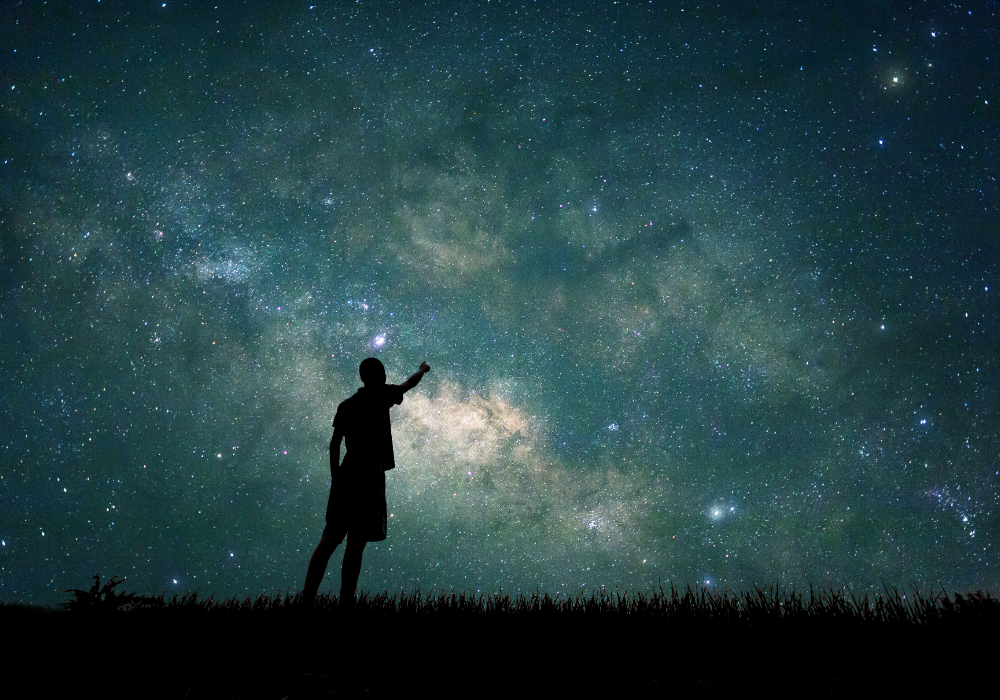
If you’ve never seen the Milky Way stretch across the night sky, you’re missing one of nature’s most breathtaking shows. Far from city lights, the U.S. is home to pristine “dark-sky” destinations where the stars shine with stunning clarity. From desert plateaus and remote mountain ranges to volcanic summits and quiet national parks, these spots reveal the universe in all its brilliance. Pack a blanket, a telescope, and a sense of wonder—these are America’s best places to stargaze.
1. Bryce Canyon National Park, Utah
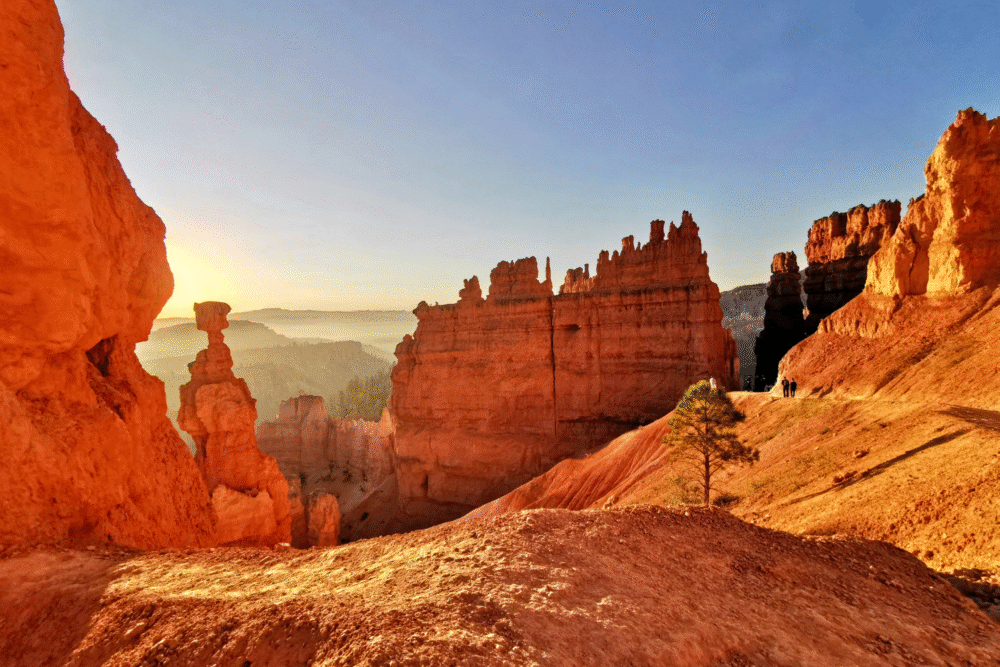
With its red-rock spires and sweeping desert plateaus, Bryce Canyon is one of America’s most stunning dark-sky destinations. At over 8,000 feet in elevation, it offers crystal-clear air and minimal light pollution.
Each summer, the park hosts an annual Astronomy Festival with guided telescope tours and night hikes. On moonless nights, visitors can see over 7,500 stars — a sight that makes Bryce one of the best places on Earth to view the Milky Way.
2. Mauna Kea, Hawaii
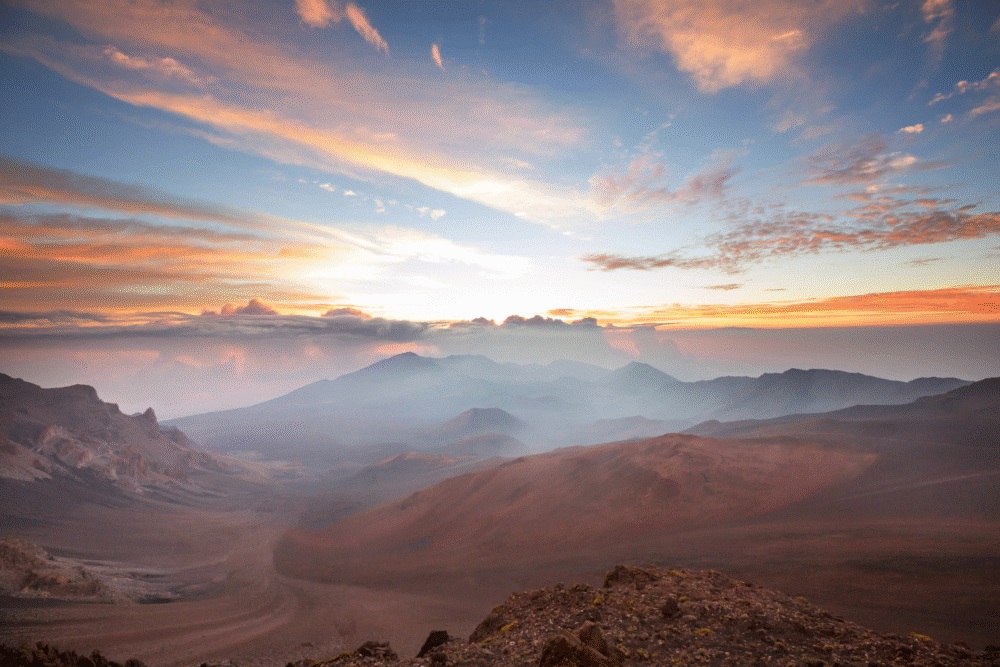
Perched nearly 14,000 feet above sea level, Mauna Kea is one of the world’s premier stargazing locations. Its high altitude, dry air, and remote Pacific setting create near-perfect observing conditions.
The mountain is home to some of the planet’s most advanced telescopes, but you don’t need to be an astronomer to enjoy it. Visitors can drive to the visitor center at 9,200 feet, where guided programs and night-sky tours are offered year-round.
3. Big Bend National Park, Texas

This vast West Texas wilderness has some of the darkest skies in North America. Its remote location near the Mexican border keeps light pollution to a minimum, making it a favorite among astronomers and night photographers.
Big Bend was designated an International Dark Sky Park, and on clear nights, you can see not only the Milky Way but also faint zodiacal light — a rare celestial glow caused by sunlight scattering through cosmic dust.
4. Cherry Springs State Park, Pennsylvania
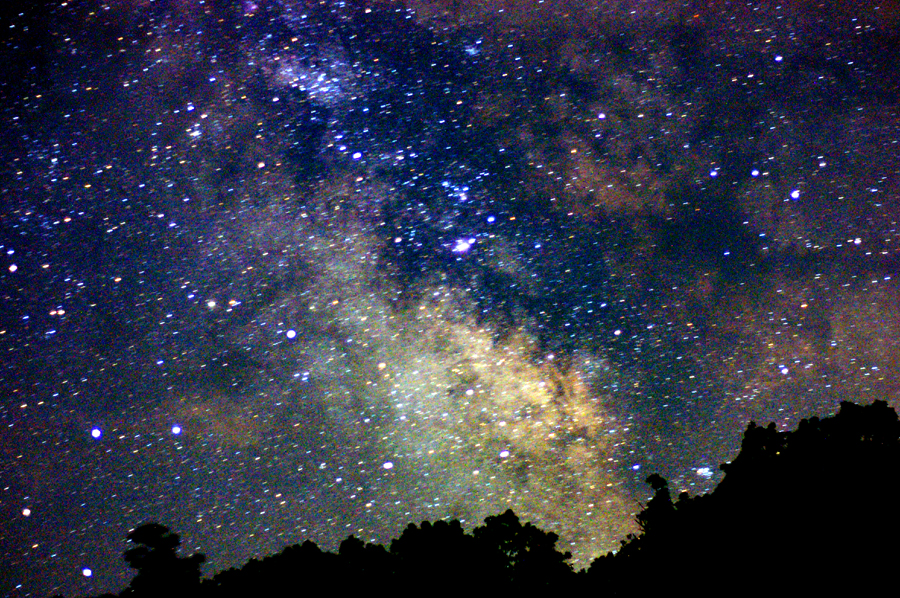
Located in the rural Appalachian Mountains, Cherry Springs is famous for its exceptionally dark skies in the eastern U.S. It’s one of the few certified Gold-Tier Dark Sky Parks east of the Mississippi River.
The park features a 360-degree viewing field free of obstructions, and rangers regularly host astronomy programs. Visitors often describe the Milky Way as so bright it casts visible shadows — a surreal sight for anyone used to city skies.
5. Great Basin National Park, Nevada
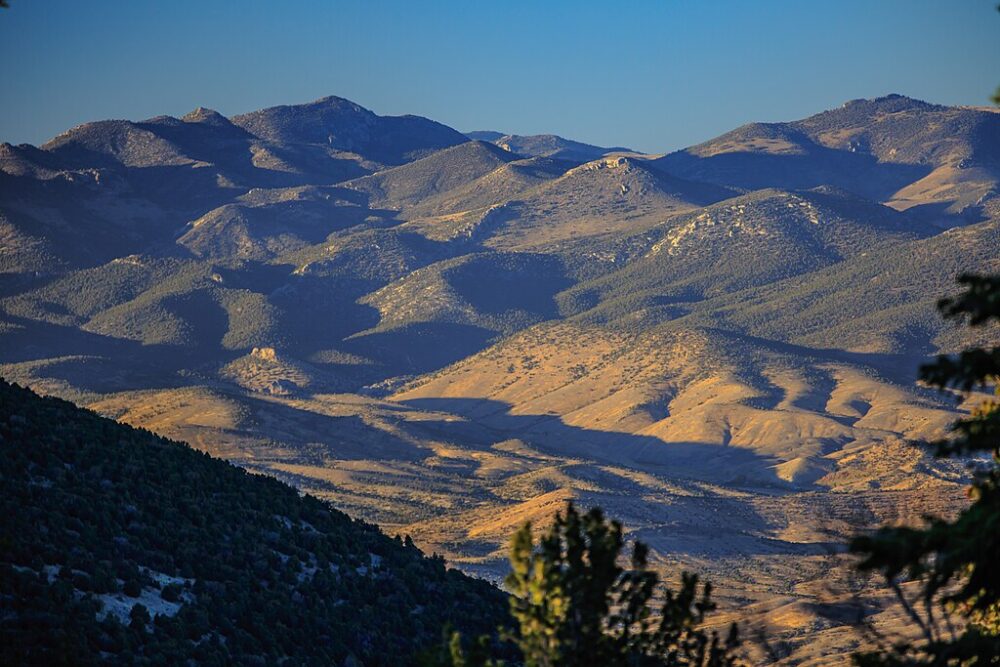
This remote park offers some of the clearest and darkest night skies in the continental U.S. Its dry mountain air and isolation from major cities make it ideal for observing distant galaxies and meteor showers.
The park’s annual Astronomy Festival draws visitors from around the world for telescope viewings, constellation tours, and astrophotography workshops. On a calm night, you can even spot the Andromeda Galaxy with the naked eye.
6. Grand Canyon-Parashant National Monument, Arizona
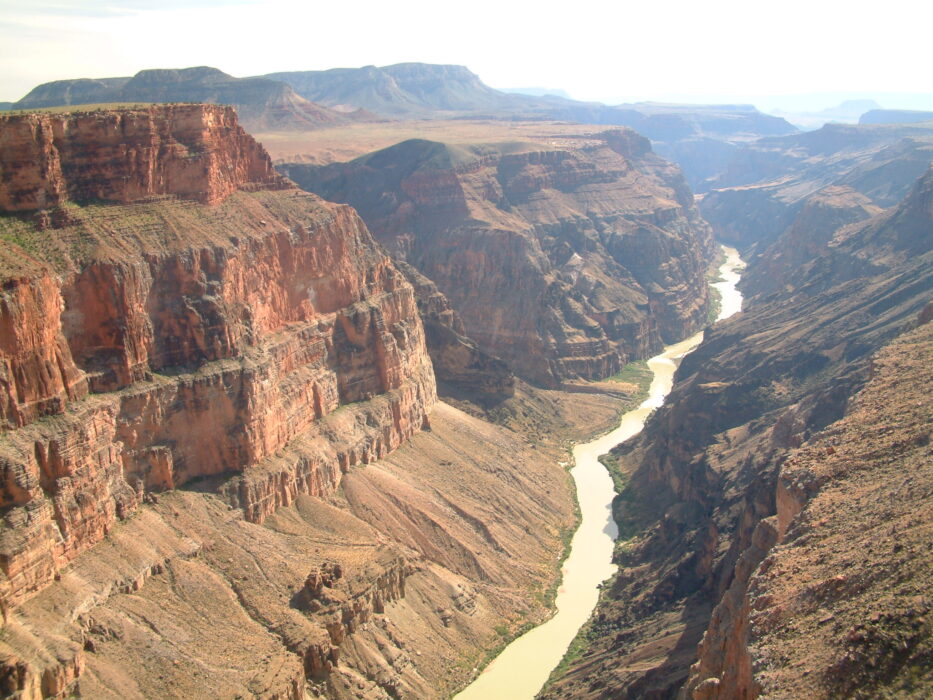
Unlike the crowded South Rim of the Grand Canyon, this little-known region sits far from artificial light and traffic. The result: some of the most unspoiled skies in the American Southwest.
Here, the horizon glows with starlight, and even the faintest constellations appear sharp. Astronomers recommend visiting in summer when the Milky Way arches directly above the canyon’s vast plateaus, creating one of the most cinematic nightscapes in the country.
7. Glacier National Park, Montana
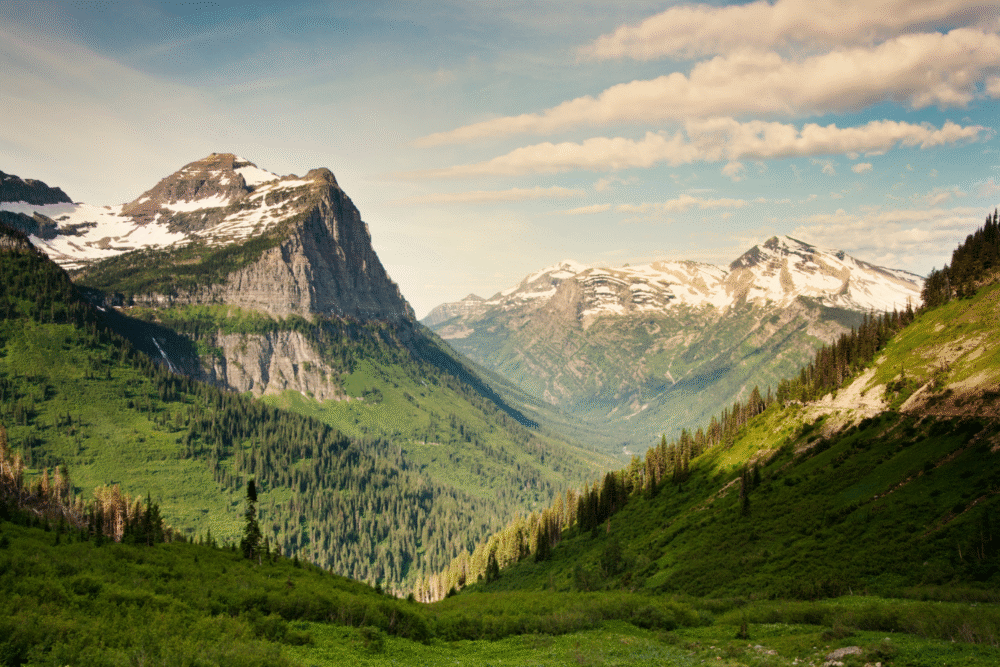
When the sun sets behind Montana’s towering peaks, the stars seem close enough to touch. Glacier’s high altitude and remote northern location make it a prime destination for stargazers seeking pristine views.
The park was recently designated an International Dark Sky Park, and rangers host popular evening programs throughout summer. On a clear night, you can see the Milky Way reflected in the park’s glacier-fed lakes — a view few places can rival.
8. Death Valley National Park, California and Nevada
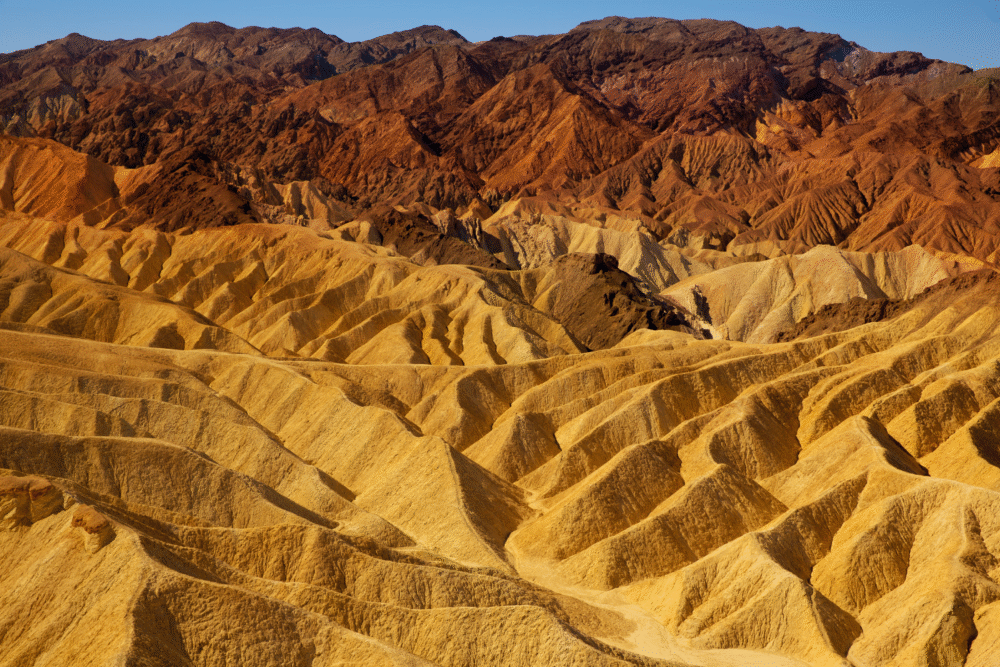
Despite its harsh environment, Death Valley is heaven for stargazers. Its wide-open desert basins and dry air create perfect conditions for cosmic viewing.
Recognized as the largest Dark Sky Park in the U.S., Death Valley offers a front-row seat to meteor showers, distant galaxies, and the sweeping arc of the Milky Way. Visit during winter for cooler temperatures and the clearest skies of the year.
9. Acadia National Park, Maine
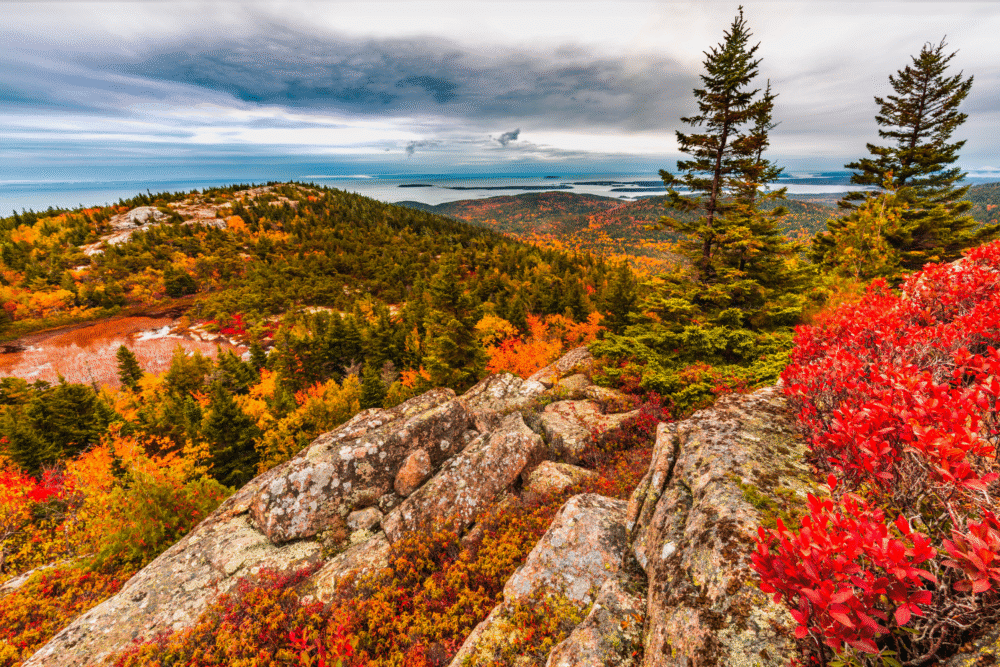
On the rugged coast of Maine, Acadia offers a rare chance to see the stars meet the sea. The park’s position along the Atlantic makes for unique stargazing, especially from Sand Beach or Cadillac Mountain.
Every fall, Acadia hosts the annual Night Sky Festival, celebrating astronomy through guided observations, storytelling, and photography workshops. The crisp coastal air and dark horizons make this one of the Northeast’s most magical night views.
10. Craters of the Moon National Monument, Idaho
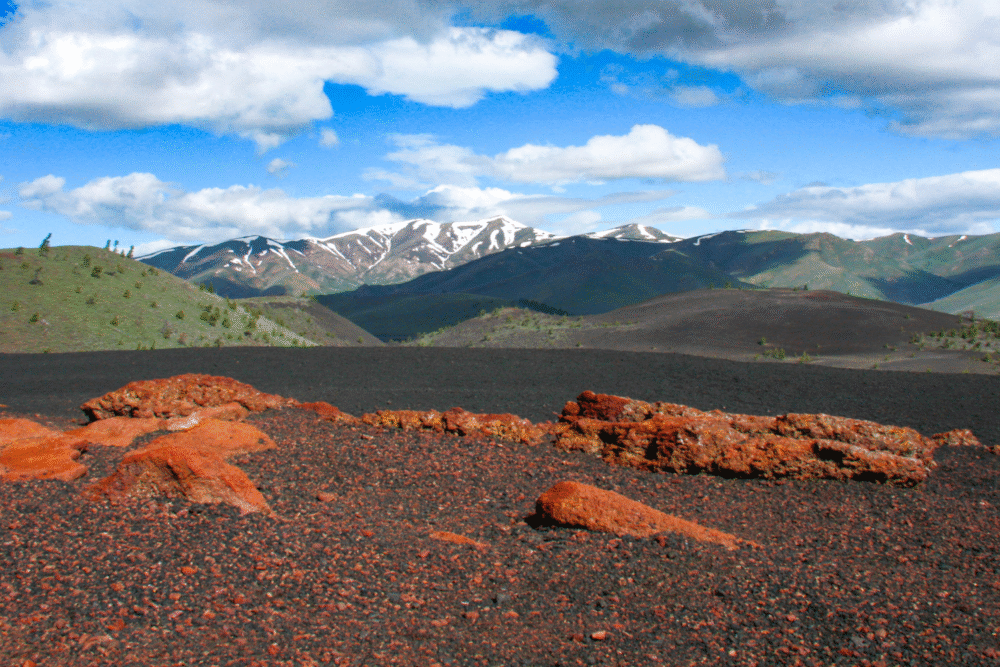
This surreal volcanic landscape, filled with lava fields and cinder cones, offers a view of the stars that feels otherworldly. Its high desert elevation and minimal light pollution make it ideal for deep-sky viewing.
Craters of the Moon earned its designation as an International Dark Sky Park in 2017. Visitors often remark that standing among the ancient lava flows under a glittering sky feels like being on another planet — both eerie and awe-inspiring.